Four Arguments for the Elimination of Television

Four Arguments for the Elimination of Television (1978) is a book by Jerry Mander, who argues that many of the problems with television are inherent in the medium and technology itself, and thus cannot be reformed. From Wikipedia page:

“Television has effects, very important effects, aside from the content, and they may be more important. They organize society in a certain way. They give power to a very small number of people to speak into the brains of everyone else in the system night after night after night with images that make people turn out in a certain kind of way. It affects the psychology of people who watch. It increases the passivity of people who watch. It changes family relationships. It changes understandings of nature. It flattens perception so that information, which you need a fair amount of complexity to understand it as you would get from reading, this information is flattened down to a very reduced form on television. And the medium has inherent qualities which cause it to be that way.”

Evidence-based journalsim

Jimmy Wales explains evidence-based journalism:

“If someone is — by name and with their reputation at stake — criticising you, then the penalty for not clearly rebutting on the record should be that your side simply isn’t heard.”

And transparency.

“Let’s say we call someone up to get a quote on a hot-button issue. We have a 15-minute phone conversation and we use a section of it in an article about the issue. How do you know whether the quote was fairly reported, or taken out of context? By checking the source. Wherever we can, we’ll publish the entire conversation — audio and transcript — so you can check exactly what was asked, what was said, and even in what tone.”

Cool&Vintage: Marketing vintage Land Rovers


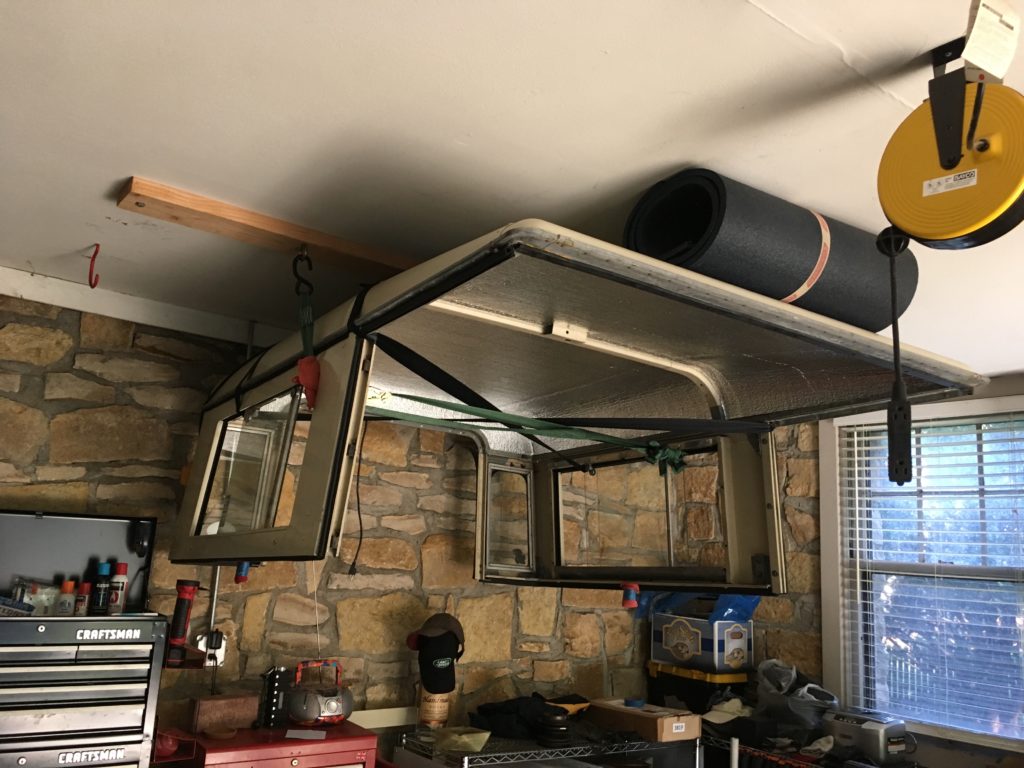
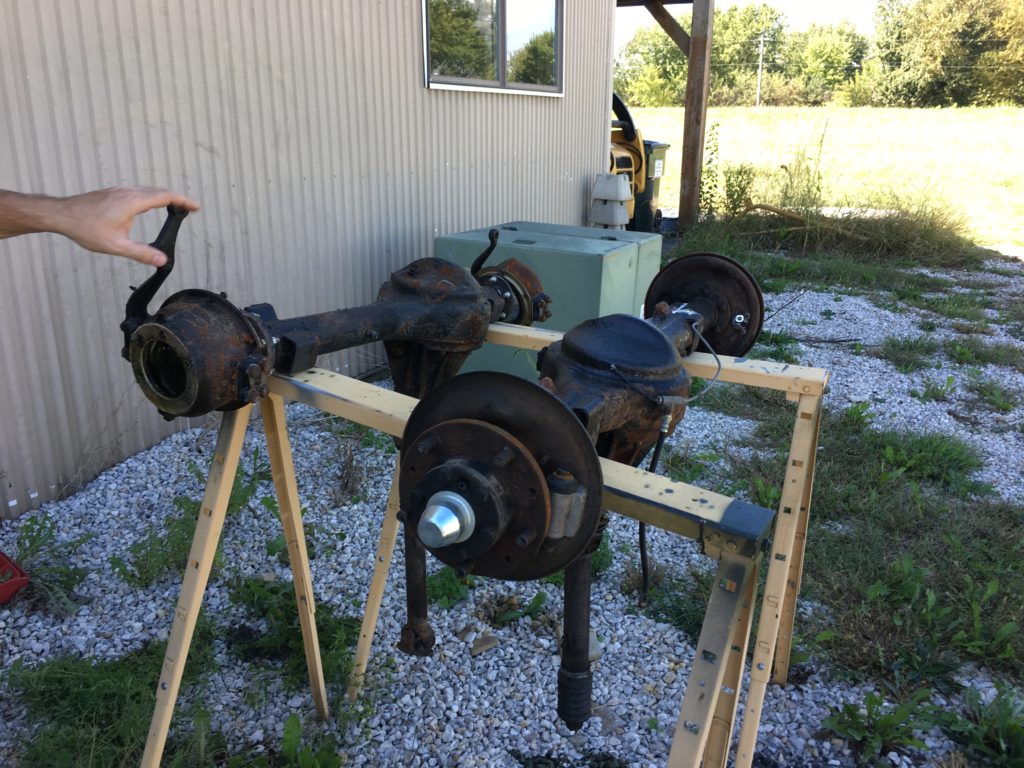
While I wait (patiently) for the restoration of my truck, I’m feeding my jones with YouTube videos. There is a lot of Land Rover porn on YouTube. Loving (amateur) restoration videos that bring a tear to the eye. Some are commercial in nature. But nobody matches the quality and creativity of the guys at Cool & Vintage. These are the folks in Lisbon, Portugal that first hooked me on Land Rovers. I’ll never know how good they are at restoration but they’re damned good at marketing. Whoever shot and edited this video knows what she/he is doing. You can see some of their photos here.

Creepiest Dating App. Ever.

“The Dating.ai app works by analyzing a reference a photo you upload or select from a list of popular celebrities provided within the app, and then scanning through thousands of profile photos from popular dating services like Tinder, Bumper or Plenty of Fish to find people who look very similar. The idea of finding everyday people who look like your favorite celebrity is just a selling point, because, in reality, Dating.ai can be used to find all kinds of people, from people who look like your ex, to versions of yourself of the opposite sex.” More »

Mastodon: Ash Furrow

Mastodon is a microblogging platform, often compared to Twitter. If you’re not familiar with Mastodon, you can probably skip this interview. Ash Furrow is the administrator of one “instance” of Mastodon. In this 25 minute interview he answers the questions below.

  1. Would you mind telling us a little about yourself? What do you do when you’re not feeding and caring for Mastodon.Technical?
  2. How did you get involved with the Mastodon movement?
  3. When did Mastodon.Technical go live? Do you recall who was Tooter #1?
  4. Are you (now or previously) active on other social media platforms?
  5. While a lot of people are apparently happy with Facebook and Twitter, many others are fleeing and looking for something else. What’s happening?
  6. What are the important differences between Mastodon and the more established social platforms?
  7. There have been no shortage of Twitter “replacements” but few have gotten traction. Is Mastodon different? Why?
  8. The “federation” concept seems pretty simple to me but I keep reading about users who find it confusing. Is this a problem?
  9. Are there instances operated by hate groups? Have you had to ban users from your instance?
  10. What is the biggest misconception about Mastodon?
  11. How much time do you invest each week working on your Mastodon instance?
  12. As it grows, do you feel trapped in any sense?
  13. As the admin for your instance, you are — I assume — all powerful. You’ve published user guidelines, have you had to exercise that power?
  14. What would you like the Mastodon Federation to look like a year from now?