
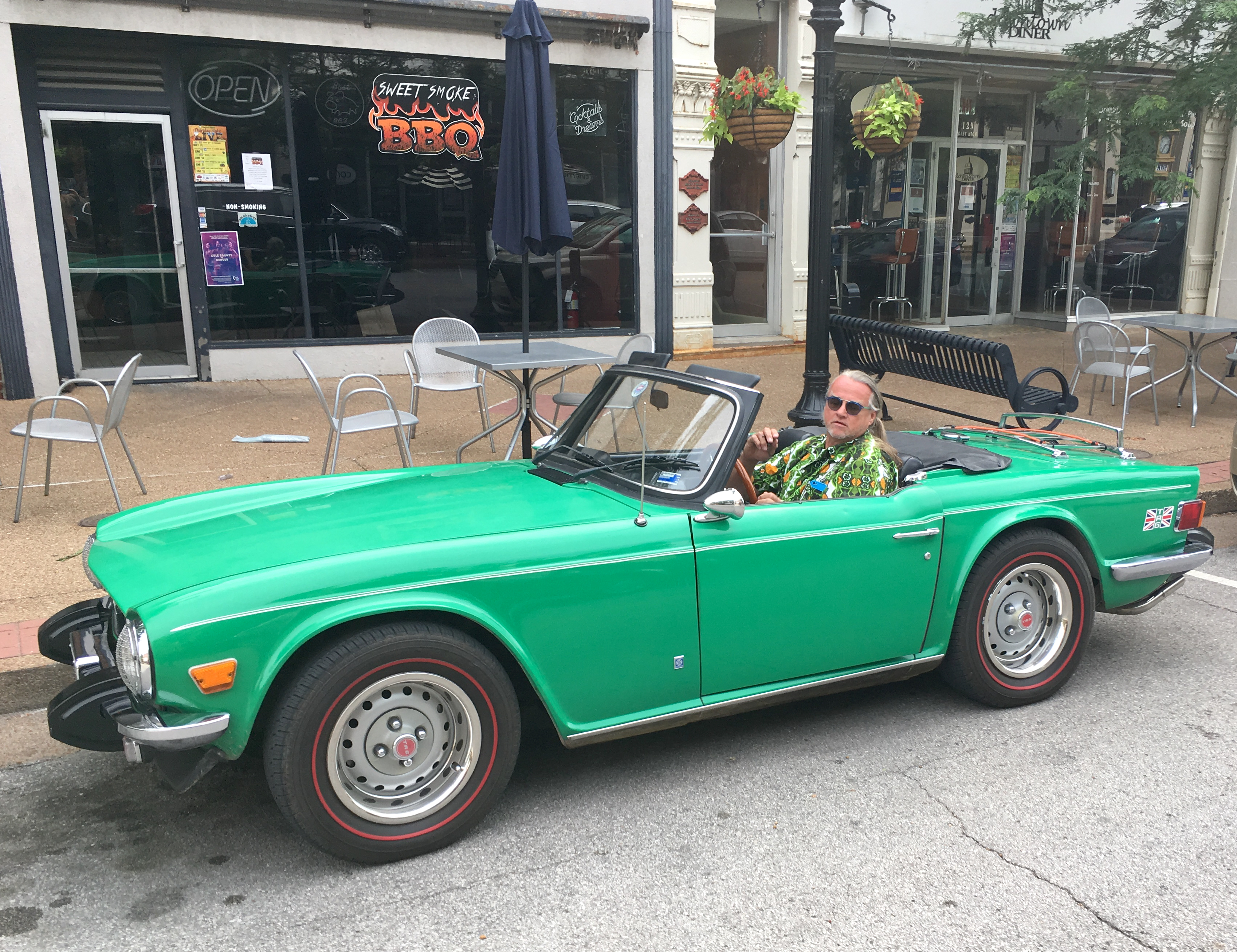
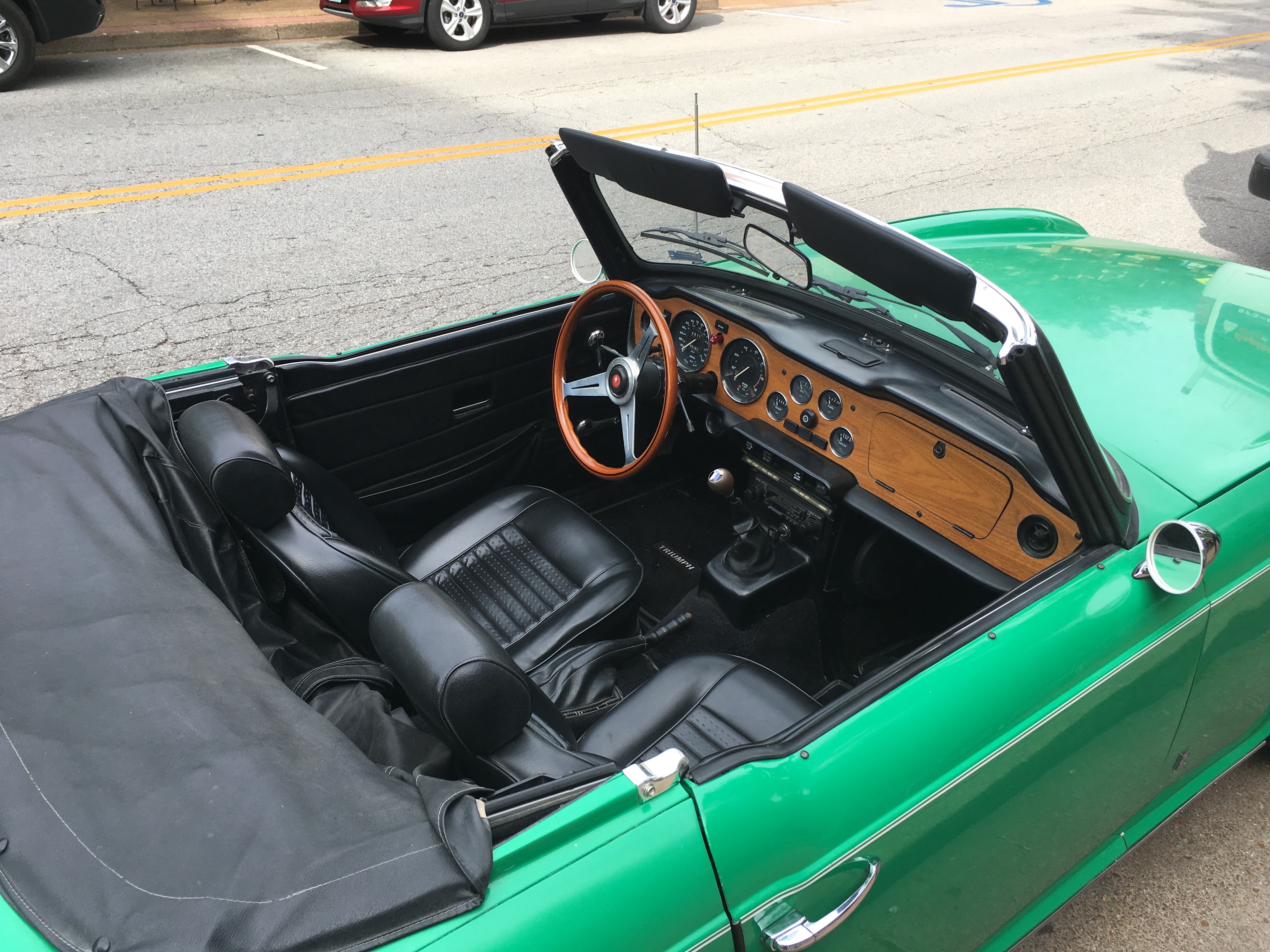
This beauty pulled up in front of the coffee shop this morning. Had a nice chat with the owner. He’s got a garage full of vintage vehicles he promised to show me.
The Amazon Brand
Overheard a woman talking to a friend this morning say something like “I bought it from Amazon.” I’m pretty sure whatever she purchased wasn’t manufactured by Amazon. But the Amazon brand has pretty much gobbled up the branding value from all the stuff they sell. I get as much value from Amazon as from the company that made the whatever. More? Has any company ever owned so much mind-space? Maybe Sears back in the mail order catalog days?
iMessage now using iCloud
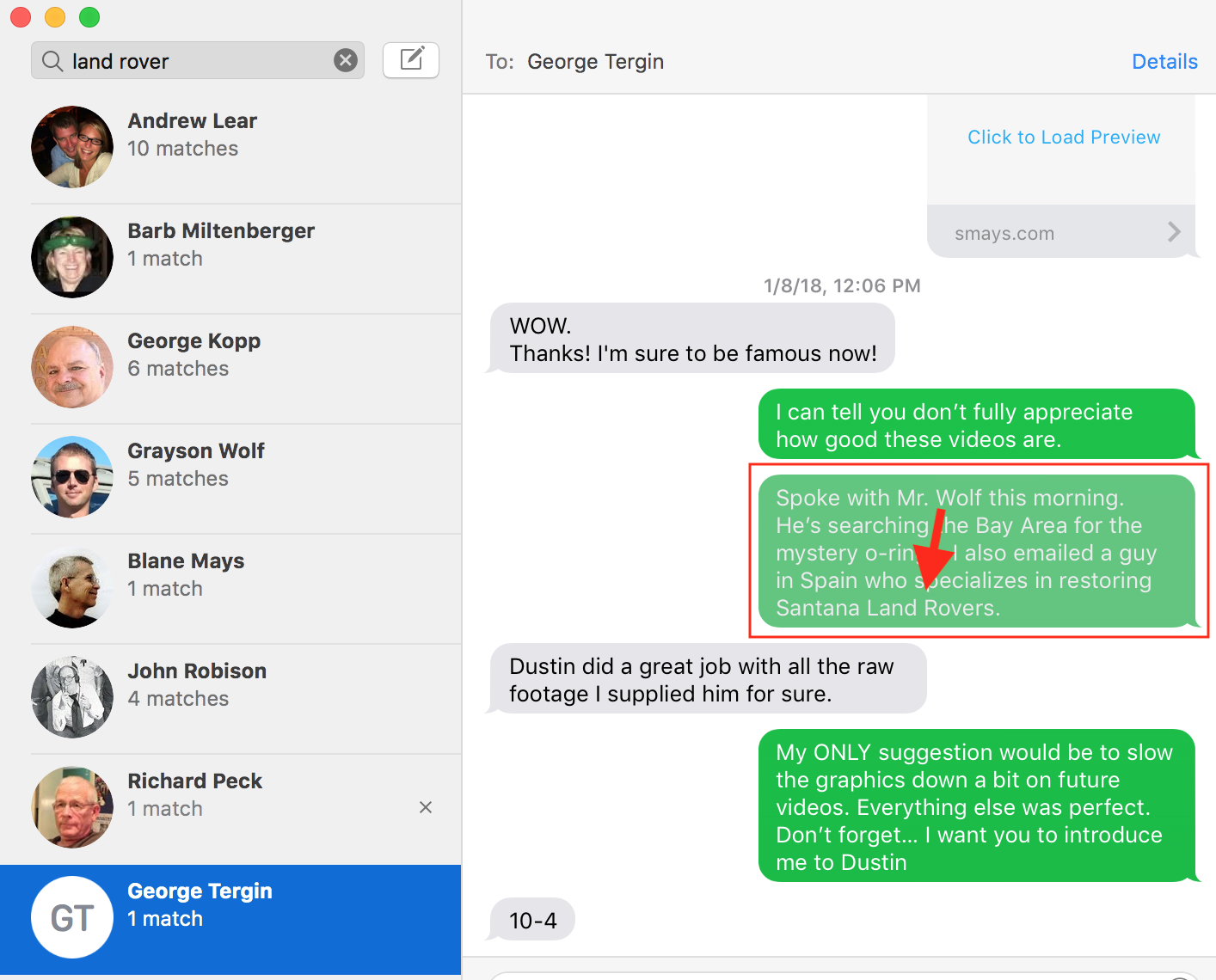 Apple recently updated macOS and iOS to enable syncing/storing of iMessages in iCloud. I don’t use some of Apple’s more popular apps (like Mail and Calendar) but I use iMessage constantly. Google has, what, seven messaging apps now?
Prior to this latest update, a user could have iMessage syncing problems between devices and the app was taking up a lot of storage on your device. Some people have conversations (with attachments) going back years. Moving all of this to iCloud solves that problem.
I never thought much about the archival feature of iMessage. I sort of knew my conversations were archived but rarely went back to look for something. Following this update I started playing with search in iMessage (I always thought of search as just a way to find someone with whom I had had a conversation). A search for “Land Rover” pulled up all of the conversations where that phrase had been used (left side of screenshot). On the right, the conversations with each. Any message containing the searched for word/phrase is grayed out just a bit.
Like a lot of folks, instant messaging (iMessage for me) has become my preferred method of communication. Voice-to-text works great and I occasionally just send a brief audio message. So having all of my conversations stored, sync’d and searchable will be handy.
Government Websites
Logged in to my Medicare account recently to update password. They used to require an update every six months but got so many complaints they dropped that requirement. After half a dozen unsuccessful attempts to create a new PW I started a chat with a support person. She began by informing me the password guidelines on the Medicare.gov website are wrong. Why are they there if they are wrong? She had no idea and gave me some different guidelines:
1. You should create a NEW password that is 8 – 16 characters in length.
2. The password must not include # or &
3. Must include at least one letter, number and at least one special character such as (@) ($) (%) [but not at the end of the password!]
4. Cannot be the same as your username.
Additional guidelines: please do not follow the creation guidelines in the system at this time. You will need to use at least one capital letters, four numbers and a special character however; you may not use a number or symbols at the beginning or at the end of the password. An example of a good password would be “Home1234$Home.” Alternatively “Red2015$car” You will need to use a minimum of three numbers in the middle.
These didn’t work either so I wound up on the phone with a gentleman who explained these guidelines are not right either. (“Sorry about that. Ha ha!”) Wound up creating a new account with a really lame-ass password.
ME: “Should I change this from time to time?”
SUPPORT: “I wouldn’t.”
The Big Engine Swap
After a week with no news on The Big Engine Swap, I called EuroLand 4×4 and left a message: “You guys are working on my truck and I’m calling for an update.” Ten minutes later I got a call back from the mysterious Philippe (whose accent is somewhere between Pepe Le Pew and Inspector Clouseau).
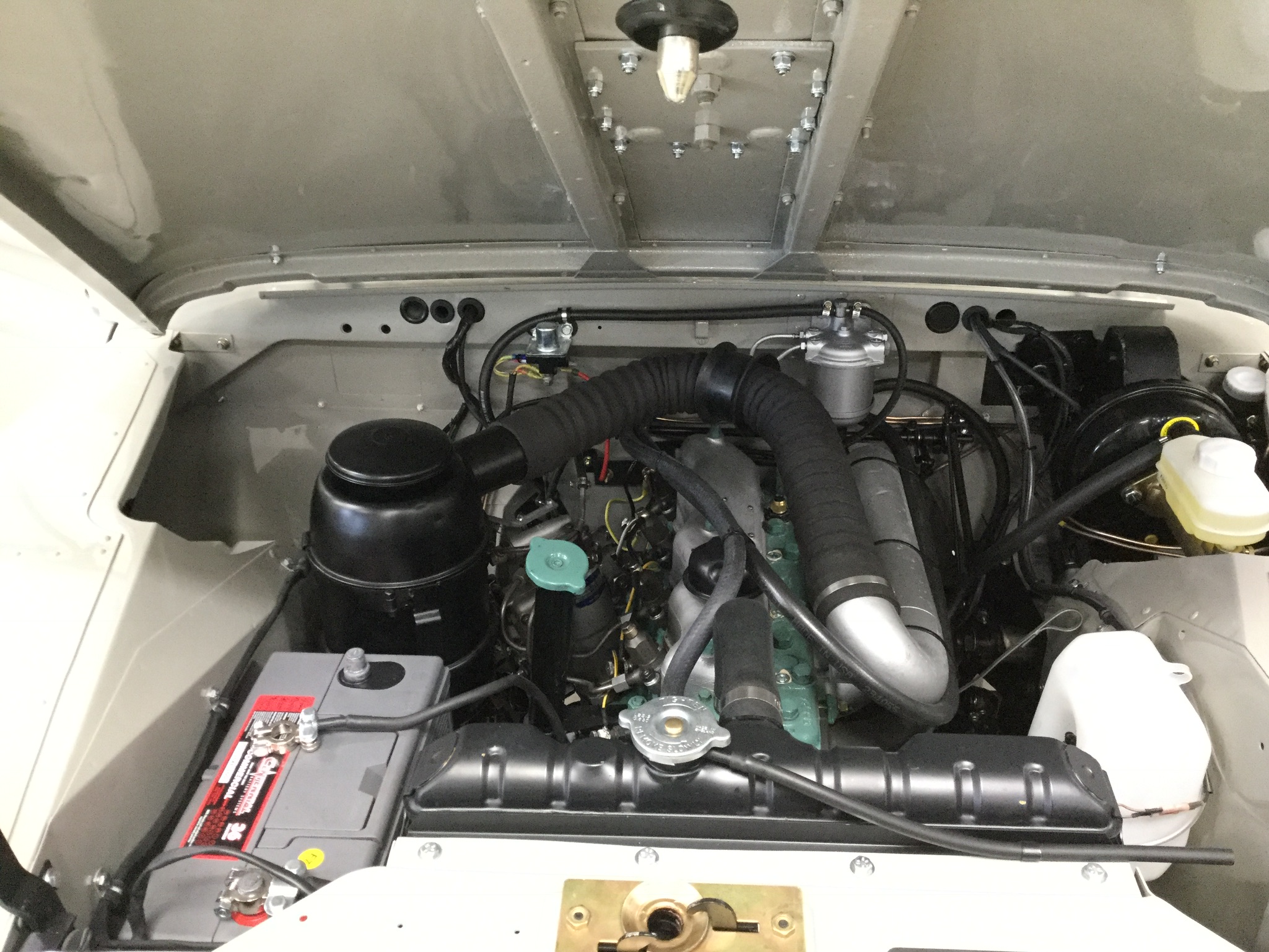
The old engine is out and Philippe’s concerns about its condition were confirmed. Unfortunately, the new engine from Zombie Motors isn’t going to be the plug-and-play fit we were told. Philippe had to contact the Land Rover folks in the UK for some instructions on how to make the new engine fit. Battery will have to be moved from the engine compartment to under the driver’s seat; instead of belt driven fan we’ll be using an electric fan for cooling (which is a better way to go I’m told); and some changes to the wiring and exhaust system. Translation: expensive.
Philippe sounded confident he could make it all work and might be finished in a week. I’ll believe it when I see it. O when Mr. Wolf sees/drives it. In three short weeks I’ll wing it out to San Francisco to finally meet Mr. Wolf and — with some luck — play with the truck before it gets shipped back to Missouri.
How to slow down time
There’s a character in the novel Catch-22 that spends his days playing horseshoes. He hates pitching horseshoes but doing it slows down time and makes his life longer. At least that’s the way I remember it. David Cain recommends mediation. “Lengthening our years by deepening our days.” And he calls “bunk” on the notion that time moves faster as we get older because we have less time remaining:
“You’re not accelerating towards your grave. It’s just a series of compounding illusions that tend to happen when we habitually ruminate about time. And there are things we can do to see through those illusions.”
I have little doubt that time — as we experience it — is an illusion. But it is a powerful one. Mr. Cain offers valuable insights in how to manage this imaginary resource.
Land Rover: The Last Mile?
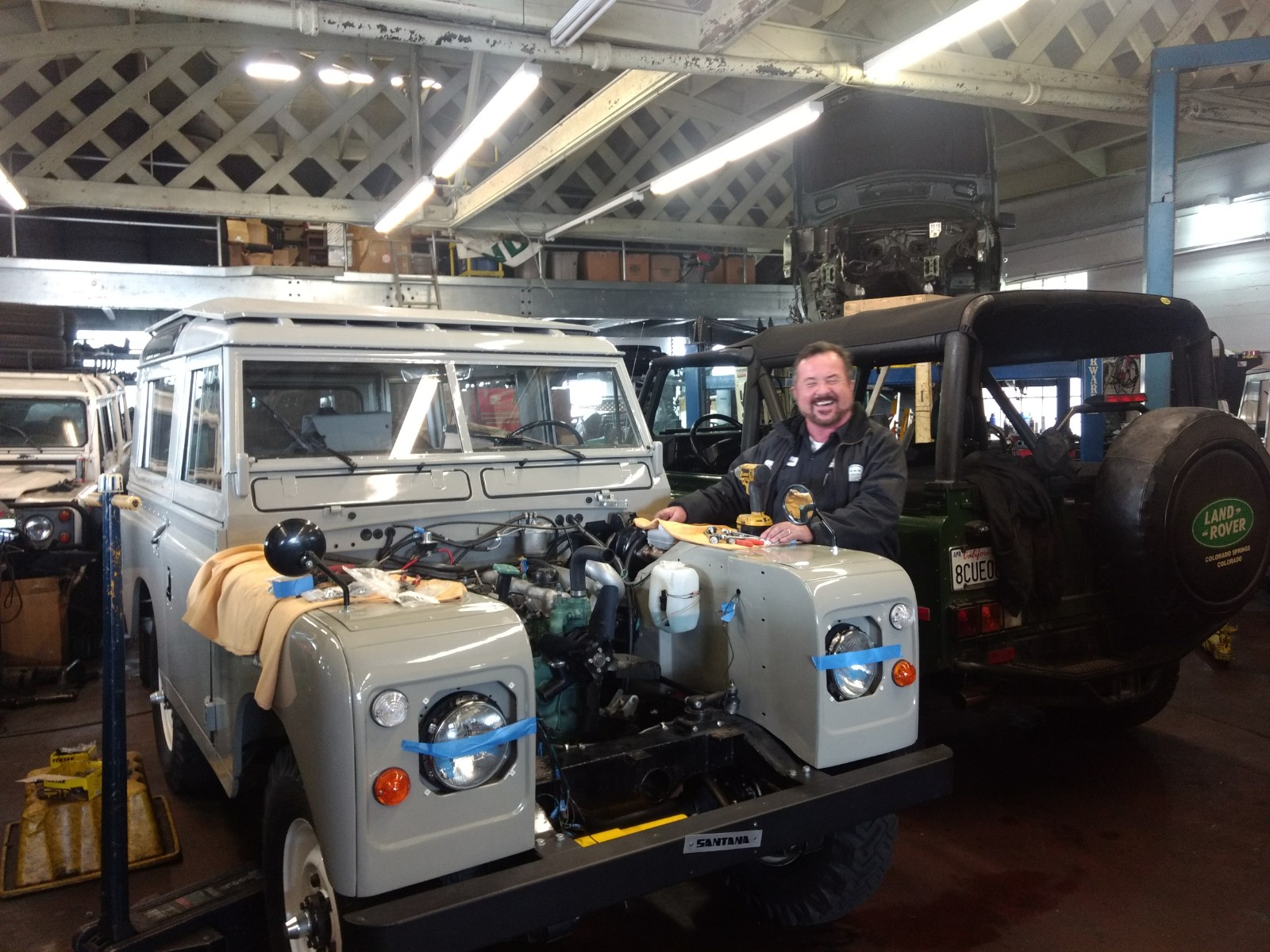
Philippe has started putting in the new engine. No idea how long that might take but it’s great to see some progress. Any progress. This project has been plagued with problems — large and small — so I won’t celebrate until my ass in the seat.
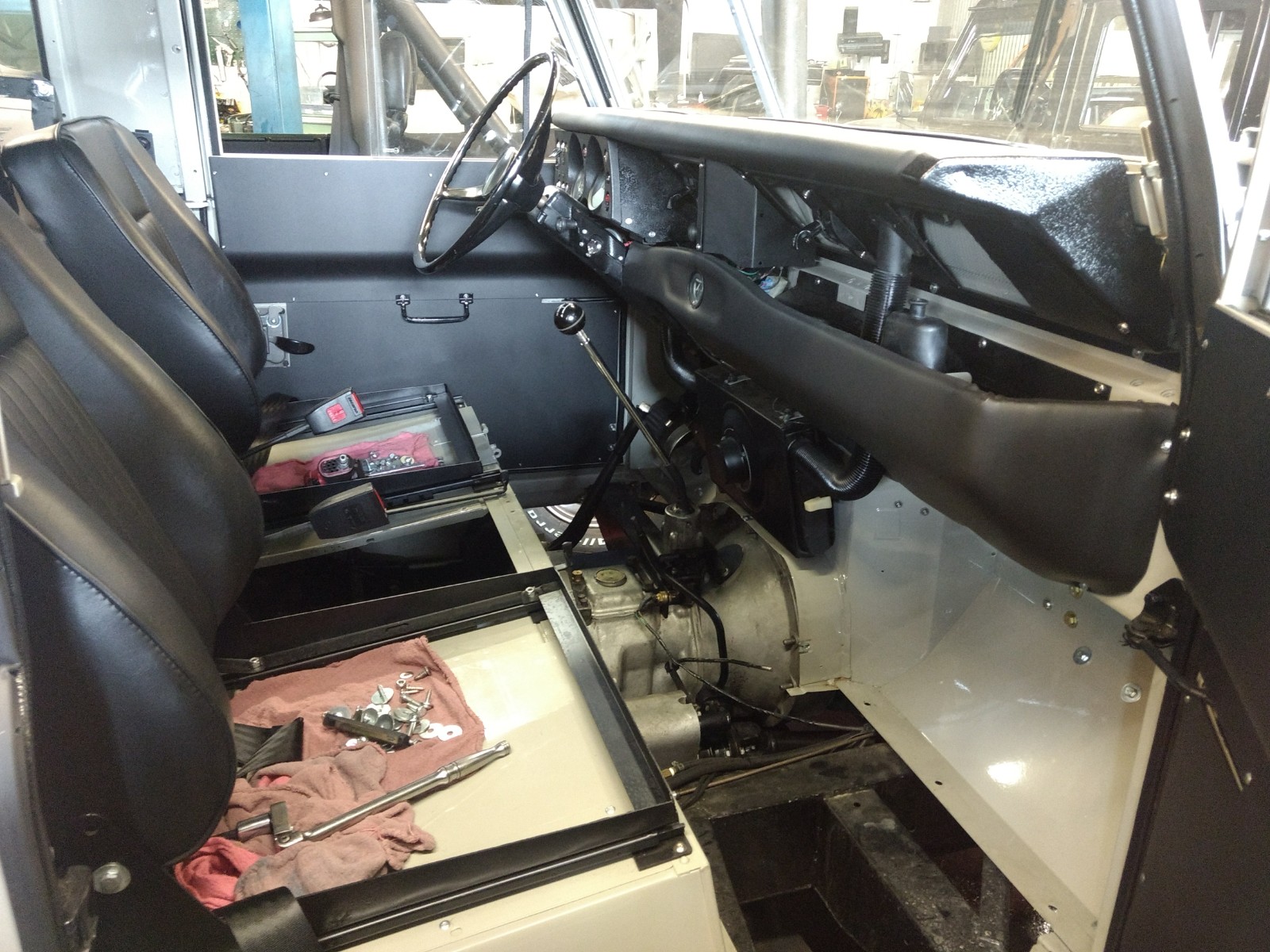
If there’s going to be another “issue,” it’s likely to be the transmission. Will it work with the new engine? But as they say at the poker table, I’m all in.
Smart glasses
 I’d pay $1,000 for really smart eyeglasses. People who have LASIK surgery tend to rave about how it changed their lives for the better. Fortunately I’ve been blessed with good vision because I just don’t think I could let someone cut on my eyes unless there was no option. These surgical (?) techniques will — I assume — get better and better. That’s a good but I’m counting on eye glasses getting smarter.
A lens that could monitor what’s happening with my eyes as well as my surroundings (light, motion, etc), and adjust on the fly. Reading a book, looking at a laptop screen or a mobile device; watching TV or a movie.
One more thing. A coating on the lens that is impervious to greasy fingerprints.
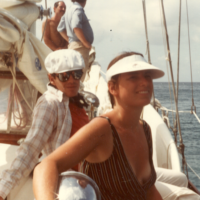
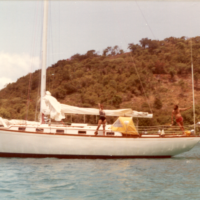
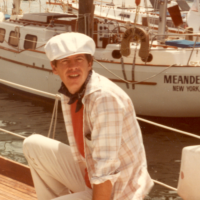
Old vacation photos




How our memories are changing
Three Red Sweaters from Martha Gregory on Vimeo.
Do we need our memories when we can document virtually every aspect of our lives? A short (10 min) documentary about how our memories are changing now that we can document every moment of our lives.