Grandmother’s House

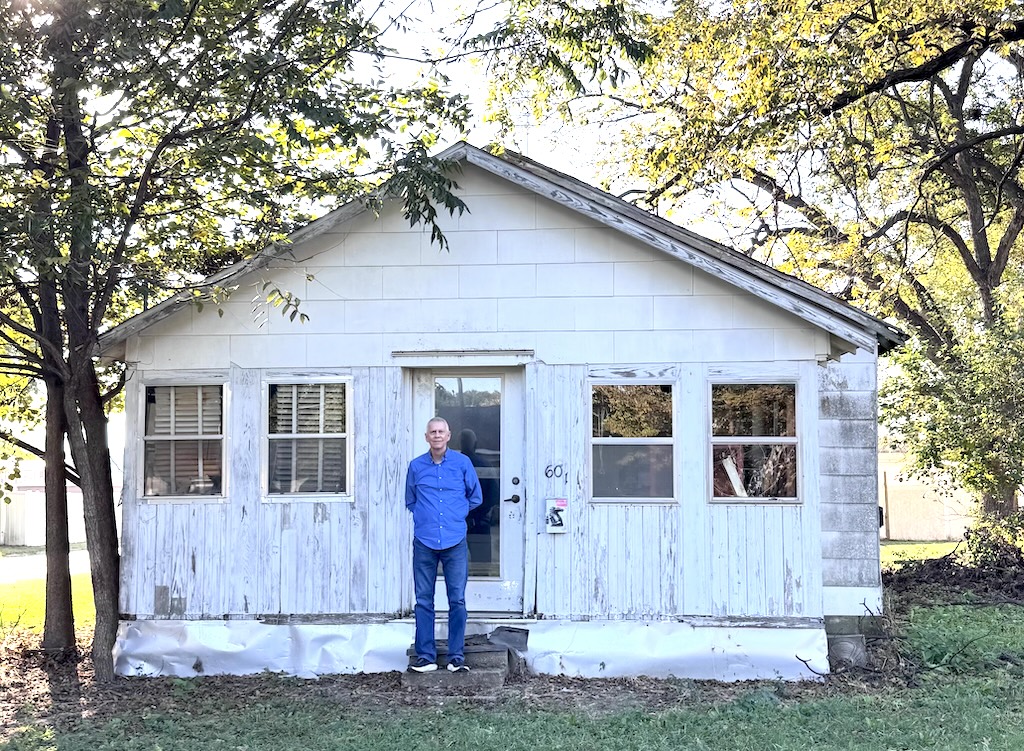
Sometime after my maternal grandfather (Claude Perry) died in 1951, my grandmother moved to the town where we were living. She purchased a little house about a block from our own and did a lot of after-school child care as my brother and I were growing up. Many fond memories.

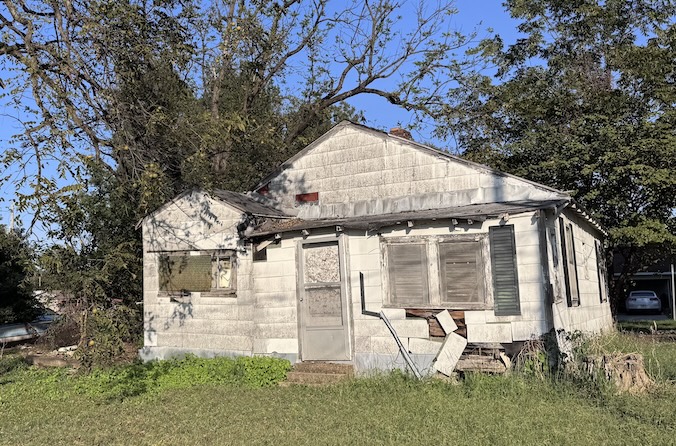
My brother’s 50th High School Class Reunion was this past weekend and he and his wife attended and stopped by “grandmother’s house.” The years have taken a toll.

“The Decline of Play”

My childhood could only be described as idyllic. A small town in the ‘50s where we could walk to school (three blocks?) or ride our bikes across town to the city park for little league practice. We stayed out until nine p.m. playing hide-and-seek. No mobile phones, social media or video games. Play was something we did outside with other kids.

It was against this background that I read an article in The Atlantic titled What if It’s Not the Phone? “An evolutionary psychologist (Peter Gray) is challenging the popular understanding of kids and technology.” Gray laments “The Decline of Play”

Gray’s academic work defines play as a self-directed activity done only for its own sake. This, he came to believe, enables kids to figure out how to solve their own problems, nurture their own relationships, make their own rules, and manage their own disappointments. But he says that our society has spent the past 70 years or so interfering with that process. We’ve made it harder and harder for kids to do anything: They’re kept indoors for greater portions of the day and given less unstructured time; they play organized sports supervised by adults; they don’t go anywhere alone. Gray grew certain that this loss of independence has been harmful to their mental health.

Looking back, we (kids) took for granted our almost total freedom from adult supervision. It was wonderful.

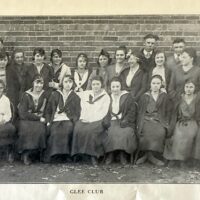
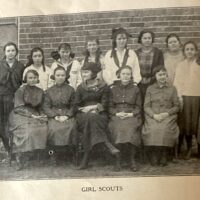
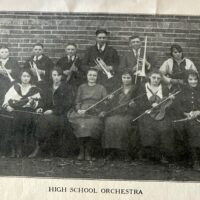
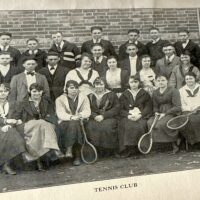
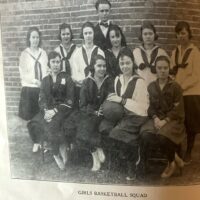
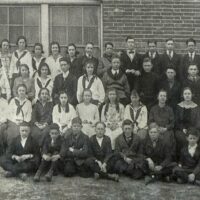
1920 Kennett High School Yearbook

My friend John got his hands on a copy of the 1920 Kennett High School yearbook and took the time to copy every (?) page. Here are a few of the images that caught my eye. Click the thumbnails below for larger image.

Riggs Motor Company (1920)

From that same 1920 Kennett High School album. My favorite part: TELEPHONE No. 62. John liked: “We repair anything from a Motorcycle to an Airplane.”
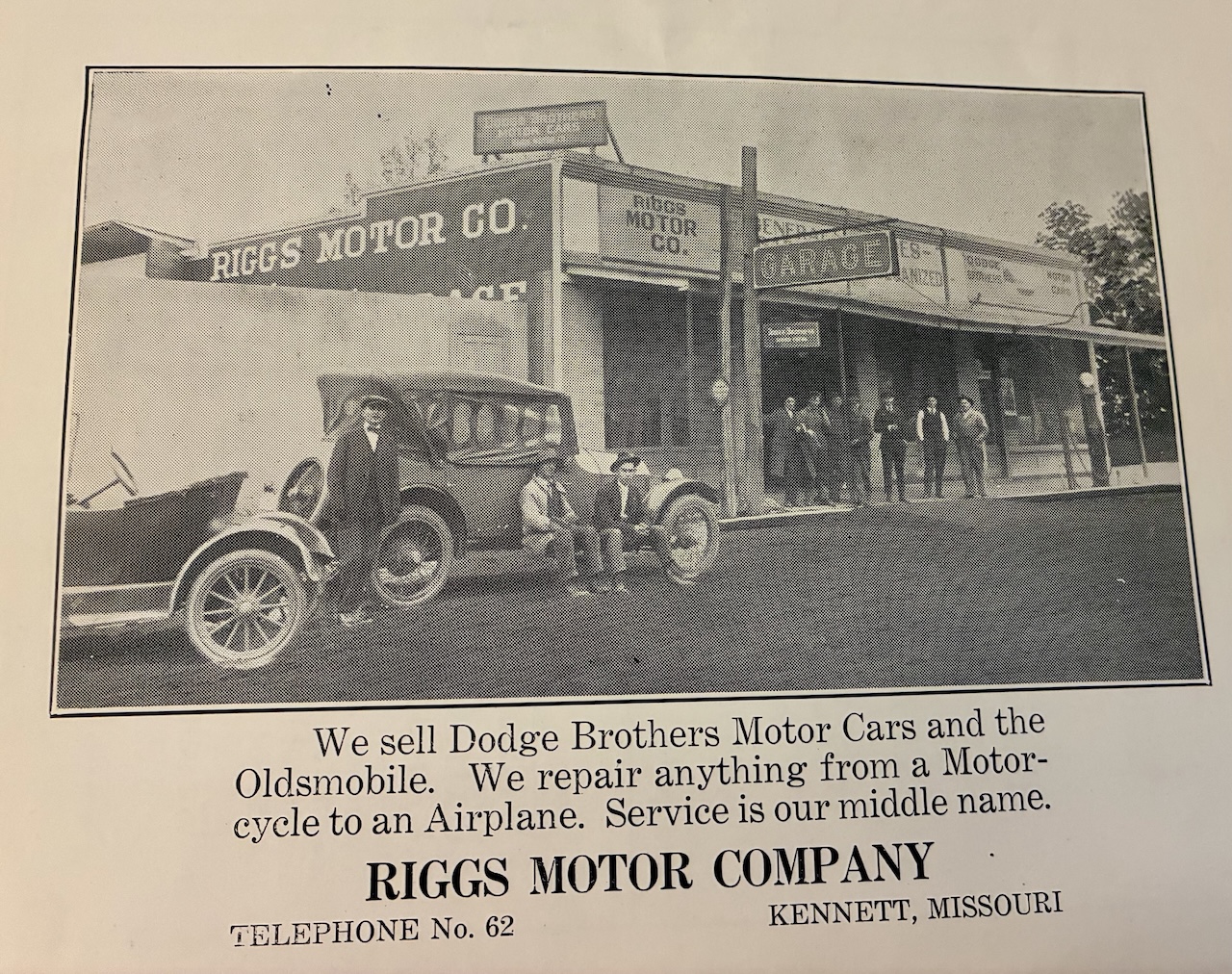
Dodge Brothers Motor Cars was the name under which Horace and John Dodge began producing their own automobiles in 1914, after years of supplying parts to other Detroit automakers like Ford and Oldsmobile.

Founding and Rise – The Dodge brothers opened their first machine shop in Detroit in 1900, quickly gaining a reputation for precision-engineered components. They supplied Ford’s Model A with complete chassis assemblies and even held a 10% ownership stake in Ford Motor Company. In July 1914, they incorporated the Dodge Brothers Motor Company with $5 million in stock and introduced their first automobile—the Dodge Model 30–35 touring car—built in Hamtramck, Michigan.

Innovations – The 1914 Dodge car was marketed as a more advanced and durable alternative to the Ford Model T, featuring an all-steel body, 12‑volt electric system, and a 35‑horsepower four‑cylinder engine. These innovations helped the brand quickly achieve second place in U.S. sales by 1916.

Wartime and Growth – During World War I, the Dodge Brothers supplied commercial and military trucks as well as artillery recoil systems for the Allied forces. By 1919, production surpassed 400,000 vehicles annually, and the company introduced its first four‑door sedan.

Legacy and Ownership Changes – Both brothers died in 1920 due to complications from influenza, and without their leadership, the company struggled to maintain its early momentum. In 1925, their widows sold the firm to Dillon, Read & Co. for $146 million, and in 1928, Dodge was acquired by Walter P. Chrysler to become part of Chrysler Corporation.

Today, the Dodge brand remains part of Stellantis, continuing a legacy that began with the pioneering Dodge Brothers Motor Cars more than a century ago. (Perplexity)