The road to our house iced over last night. It’s a moderately steep hill and one of our neighbors went down it sideways and needed some sand and ashes to get back up.
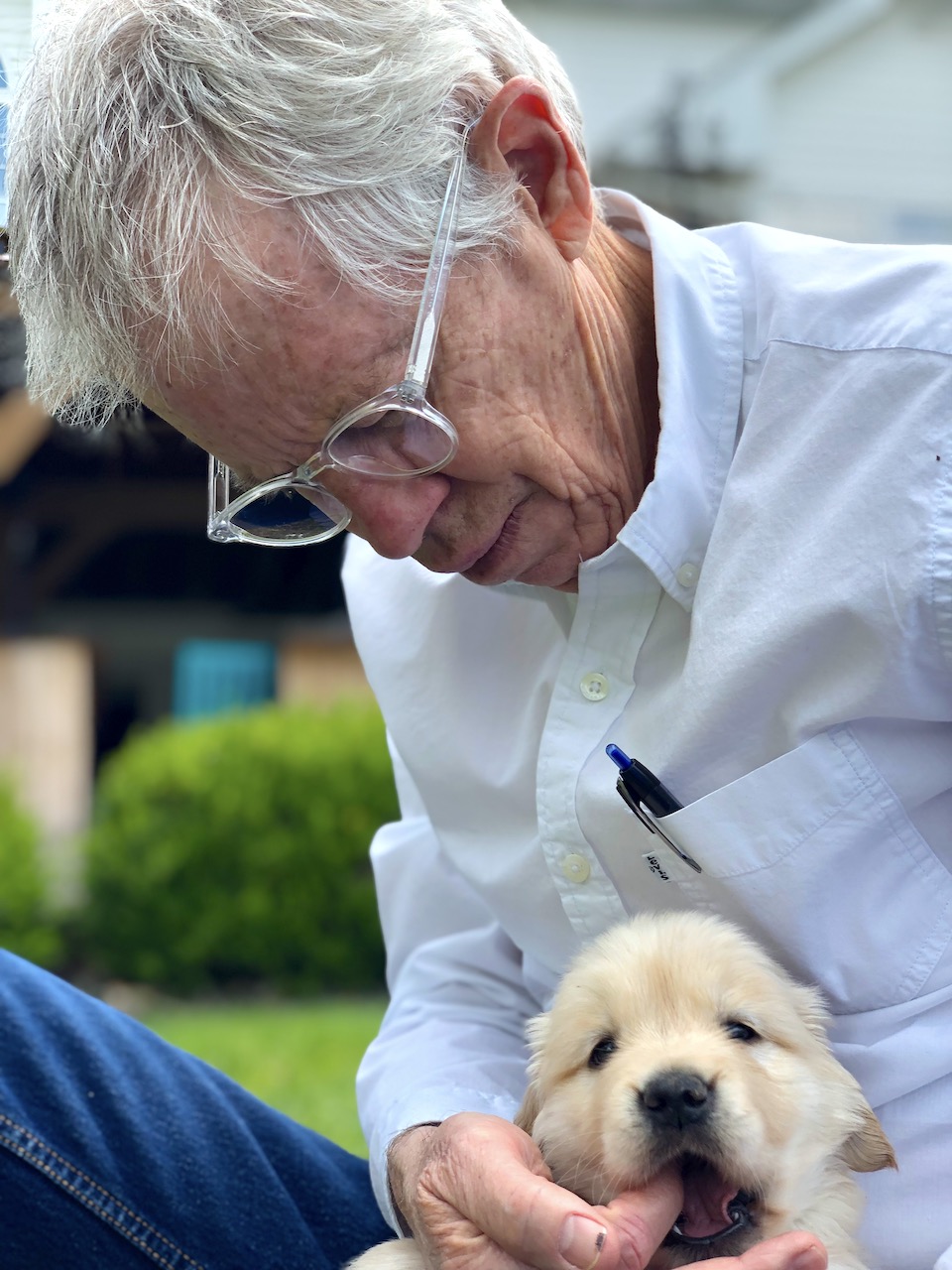
Riley is still out there
When we bought Lucy 15 years ago we were so eager for new dog we failed to properly check out the breeder which turned out to be a puppy mill. A check-up at the MU Vet School revealed she would have hip dysplasia when she got older so we opted to have surgery to prevent this. It worked (she lived to be 14) but the first year was hell on her and us.
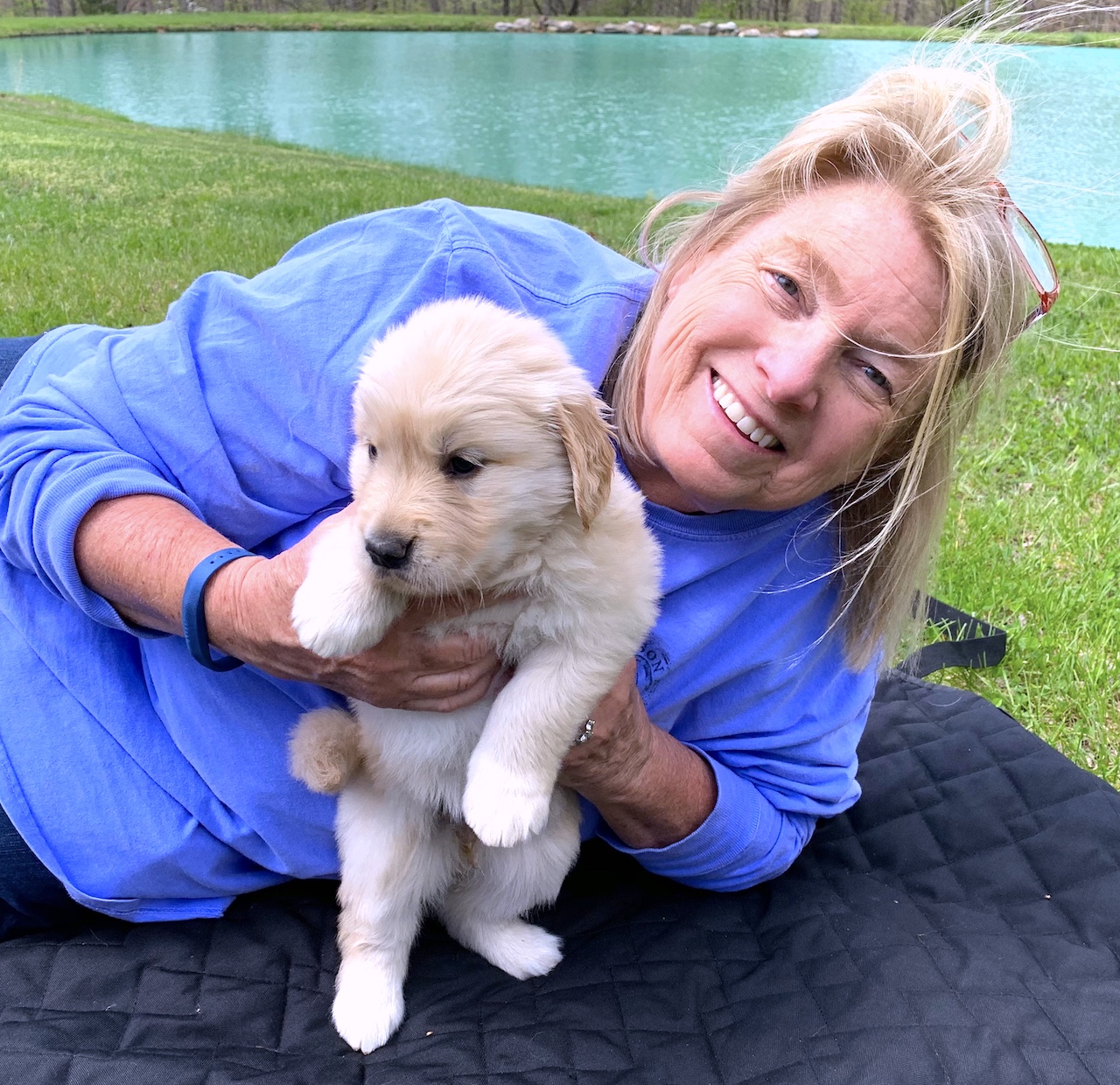
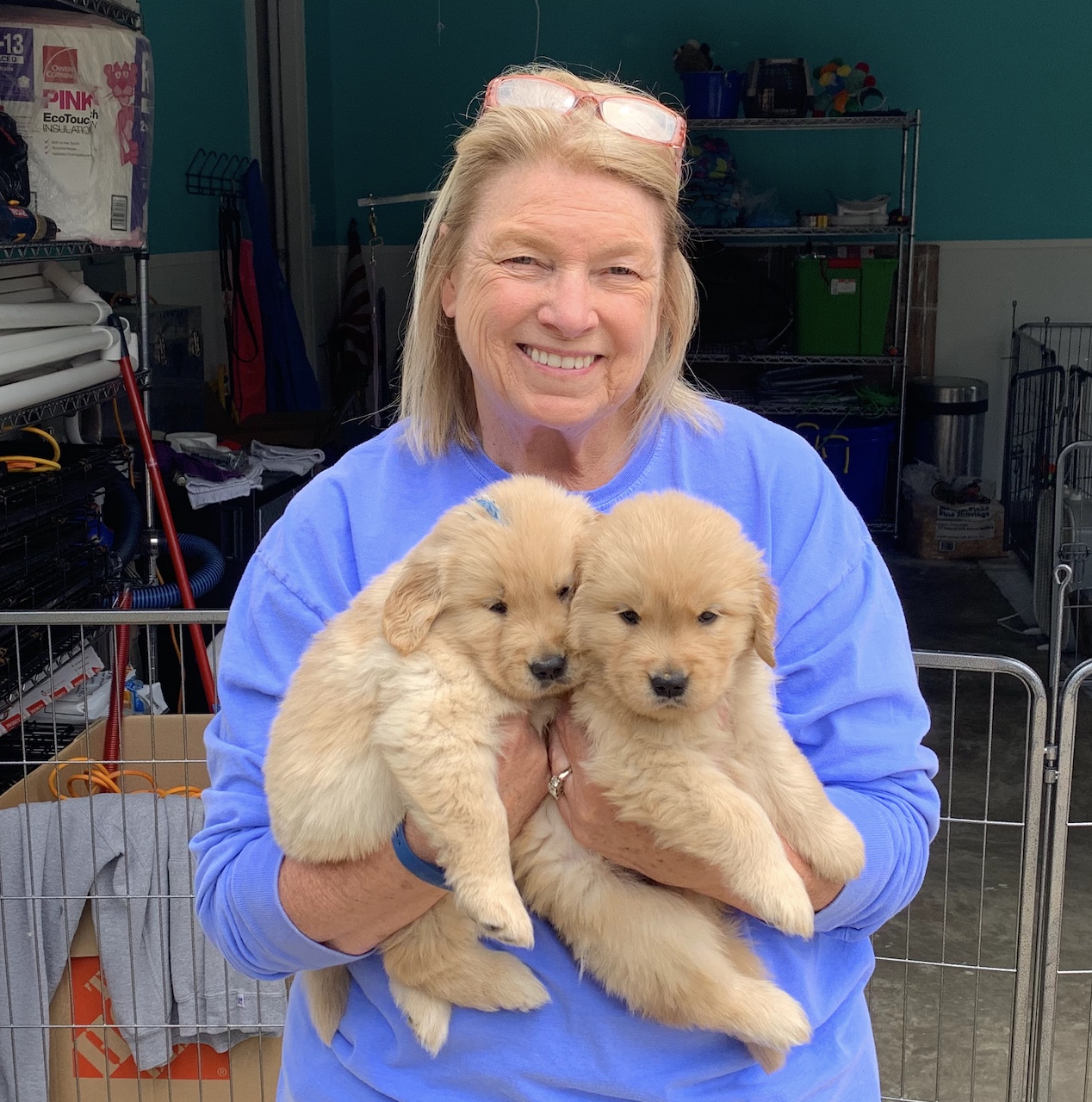
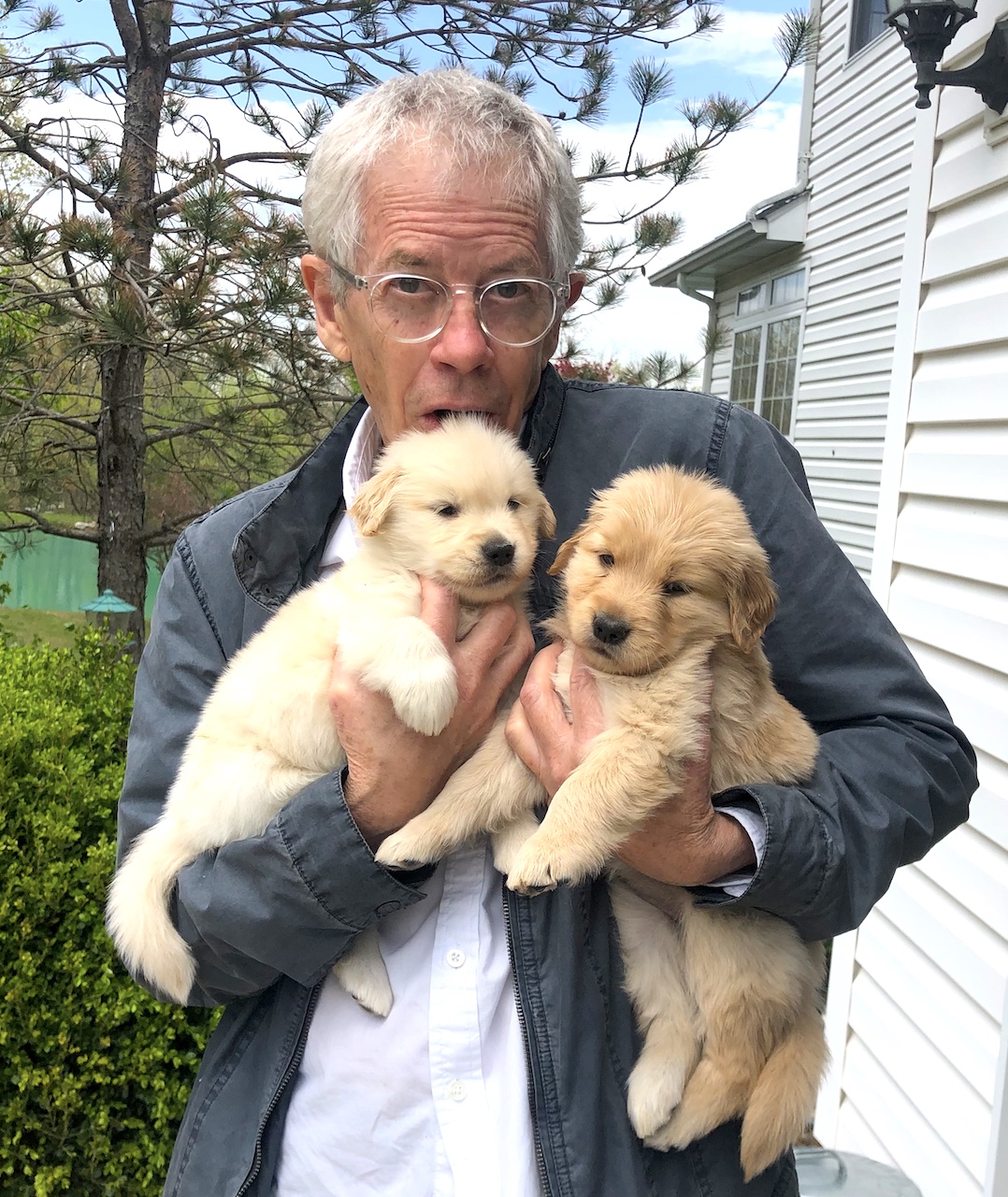
There are tests that can and should be conducted on the parents of any dog you purchase. We fucked up (again) and failed to ask for that certification for Riley’s litter until this weekend. They had it for the sire, not the dam. So we’ve decided not bring home a puppy from the litter I’ve been showcasing here. Just can’t take the risk. So we’re starting our search anew. We’re going to take our time, do lots of checking and make sure Riley is as healthy as possible. A difficult decision but the right one.
Facebook: Where friendships go to never quite die
“(Facebook) has created an entirely new category of relationship — the vestigial friendship. It’s the one you’ve evolved out of, the one that would normally have faded out of your life, but which, thanks to Facebook, is instead still hanging around.”
“Having many Facebook friends, then, is kind of like having a big old encyclopedia. Most of the time it’s just gathering dust on a shelf but you keep it around anyway, because one day you might need it.”
Traction
Masters of the Word
Financial historian William J. Bernstein explores how communication tools shaped human history. Among the book’s many narratives:
- How the first writing systems in Mesopotamia and Egypt, because they were so complex, could be mastered by only a privileged elite who used this unique skill of literacy to assemble large, despotic city states and the world’s first empires.
- How the development of progressively simpler alphabetic systems in the Eastern Mediterranean region allowed ever larger percentages of ordinary people to learn them. The final result, the Greek alphabet, could be grasped so easily that it fostered the dawn of democracy in Greece.
- How Gutenberg actually changed the world. He didn’t invent movable type, and he certainly didn’t invent the printing press. The technology he developed, rather, was yet more subtle and powerful.
- How the Reformation was not effected by Luther the fiery preacher and brilliant theologian, but rather by Luther the publisher.
- How the fall of the Soviet Union resulted, in large part, from a colossal error in radio production.
- How the Internet isn’t destroying our children’s academic performance, rewiring our brains, making us stupid, destroying investigative journalism, and won’t produce democracy in the Arab world, but will likely make genocide less frequent.
Below are some excerpts from the book: Continue reading
Land Rover: First six months
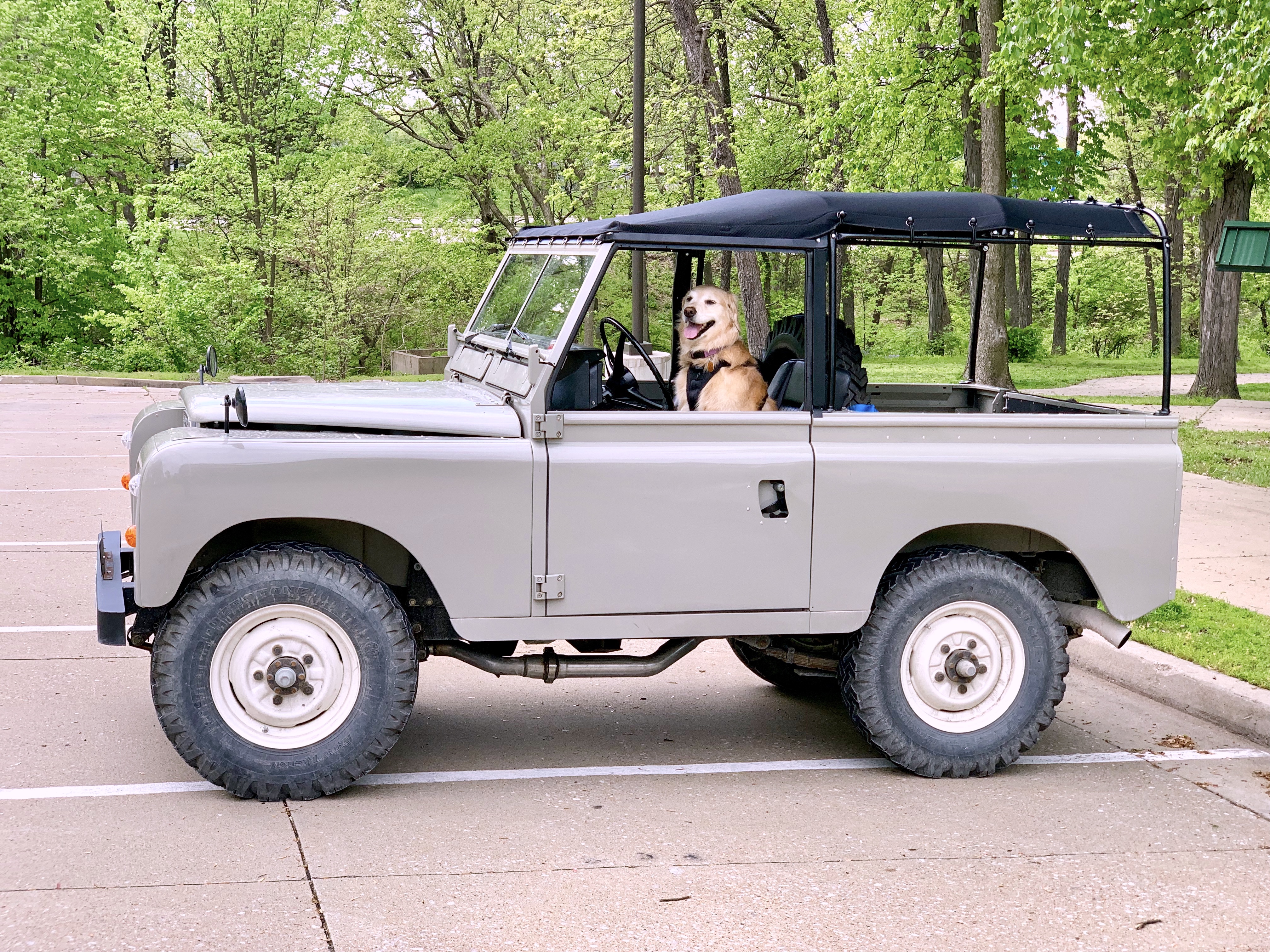
In a few days I will have been driving the Land Rover for six months. I’ve grown comfortable sitting up high, bouncing and rattling along, trailed by a faint mist of diesel carbon.
I spend a good bit of time shifting up and down and today I became aware of how I can feel the gears through the shifter, meshing and engaging. All the sounds have now become familiar. My entire body is involved in turning and breaking (both manual). I imagine myself in one of those robot-like loaders Ripley operated in Alien. The machine an extension of my body (or the other way round).
On those rare occasions when I rent a car for a road trip I’m immediately aware of how little the vehicle needs me to get where we’re going. A little pressure on the accelerator, a light touch on the steering wheel. The Rover is a visceral experience. A feint reminder of what a thrill it must have been to drive those early automobiles.
Team Human
Excerpts from Team Human by Douglas Rushkoff.
There’s a reason for our current predicament: an anti-human agenda embedded in our technology, our markets, and our major cultural institutions, from education and religion to civics and media.
Thinking, feeling, connected people undermine the institutions that would control them. […] Our institutions and technologies aren’t designed to extend our human nature, but to mitigate and repress it.
It doesn’t take much to tilt a healthy social landscape toward an individualist or repressive one. A scarcity of resources, a hostile neighboring tribe, a warlord looking for power, and elite seeking to maintain its authority, or a corporation pursuing a monopoly all foster antisocial environments and behaviors. Continue reading
1978 Toyota Land Cruiser HJ-45 Pickup
One in 11 Americans pays an average of $91.14 per month to use self-storage
“According to SpareFoot, a company that tracks the self-storage industry, the United States boasts more than 50,000 facilities and roughly 2.311 billion square feet of rentable space. In other words, the volume of self-storage units in the country could fill the Hoover Dam with old clothing, skis, and keepsakes more than 26 times. […] The self-storage industry made $32.7 billion in 2016, according to Bloomberg, nearly three times Hollywood’s box office gross.”
“High-end self-storage sites can command two or three times the rent per square foot than commercial or residential uses, and in many major metros, these warehouses are 90 percent occupied.”
I resisted renting a storage unit for many years and broke down this year because I need a place to store the Land Rover’s hardtop when I switch to the soft top this spring.
More »
If you care about your thoughts, keep them
From an article by Derek Sivers on the benefits of a daily diary:
“Years from now you might be looking back, wondering if you were as happy or as sad as you remember during this time. […] We so often make big decisions in life based on predictions of how we think we’ll feel in the future, or what we’ll want. Your past self is your best indicator of how you actually felt in similar situations. So it helps to have an accurate picture of your past. […] You can’t trust distant memories. But you can trust your daily diary. It’s the best indicator to your future self (and maybe descendants) of what was really going on in your life at this time.”