A Distant Mirror: The Calamitous 14th Century

The Black Death was a bubonic plague pandemic occurring in Afro-Eurasia from 1346 to 1353. It is the most fatal pandemic recorded in human history, causing the death of 75–200 million people in Eurasia and North Africa, peaking in Europe from 1347 to 1351.

Plagues are (were?) something from history books and I never expected to live through one (assuming I live through this one). That, along with the whole “Dark Ages” thing has held a morbid fascination for me, so I looked around for a good book on the Middle Ages and came up with A Distant Mirror: The Calamitous 14th Century. It’s is a narrative history by the American historian Barbara Tuchman, first published in 1978. The main title, A Distant Mirror, conveys Tuchman’s thesis that the death and suffering of the 14th century reflect those of the 20th century, particularly the horrors of World War I.

I’m about halfway through the 600 page book and on almost every page I find some jaw-dropping parallel with the time we’re living through. Just one example: As businesses start opening up there’s lots of complaining they can’t find people willing to work (for minimum wage). The most-cited cause is the payments sent to people to help them through the pandemic. Now, from Tuchman’s book:

When death slowed production, goods became scarce and prices soared. In France the price of wheat increased fourfold by 1350. At the same time the shortage of labor brought the plague’s greatest social disruption— a concerted demand for higher wages. Peasants as well as artisans, craftsmen, clerks, and priests discovered the lever of their own scarcity. Within a year after the plague had passed through northern France, the textile workers of St. Omer near Amiens had gained three successive wage increases. In many guilds artisans struck for higher pay and shorter hours. In an age when social conditions were regarded as fixed, such action was revolutionary.

The response of rulers was instant repression. In the effort to hold wages at pre-plague levels, the English issued an ordinance in 1349 requiring everyone to work for the same pay as in 1347, Penalties were established for refusal to work, for leaving a place of employment to seek higher pay. and for the offer of higher pay by employers. Proclaimed when Parliament was not sitting, the ordinance was reissued in 1351 as the Statute of Laborers. It denounced not only laborers who demanded higher wages but particularly those who chose “rather to beg in idleness than to earn their bread in labor.” Idleness of the worker was a crime against society, for the medieval system rested on his obligation to work. The Statute of Laborers was not simply a reactionary dream but an effort to maintain the system. It provided that every able-bodied person under sixty with no means of subsistence must work for whoever required him. that no aims could be given to able-bodied beggars, that a vagrant serf could be forced to work for anyone who claimed him. Down to the 20th century this statute was to serve as the basis for “conspiracy” laws against labor in the long struggle to prevent unionization.”

Sound familiar? The most striking thing about the Middle Ages is how little has changed. Oh sure, technologies, economies, institutions, etc have evolved but 21st century man is just as venal and corrupt as in the 1300’s. As calamitous as the 14the century was, I find reading about it strangely reassuring. If humanity was able to survive that time, it might survive this one. Even if western democracy does not.
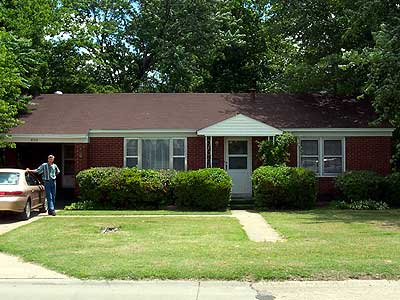

When you could buy a home for $7,000


This is the house were my brother and I grew up. Our parents purchased (newly constructed) the little two-bedroom/one-bath house for $7,000 in 1955. We’d been living in tiny rent houses and my mom was determined to own their own home. My father was terrified at taking on so much debt (30 year mortgage). I’m guessing it took them the full 30 to pay it off.

Beyond Burger vs. Impossible burger


Been eating Impossible Whoppers for a while now but hadn’t tried the plant-based burger from the Beyond Meat folks. Spotted them in my local supermarket today and bought a package. Really quite good.

UPDATE: Found Impossible Burgers in my local supermarket. Unlike the pre-formed patties from Beyond, this was more like small package of ground beef and you make your own patties. Texture, mouth-feel, taste… all superior to the Beyond product.

Plum Island

From Plum Island, a 1997 thriller by Nelson DeMille:

“Can you describe to the duties of the Gordons?”

“Yes… They were involved mostly with… genetic research. Genetic alteration of viruses to make them unable to cause disease, but able to stimulate the body’s immune system.”

“A vaccine?” Beth asked.

“Yes, a new type of vaccine. Much safer than using a weakened virus.”

Land Rover top swap

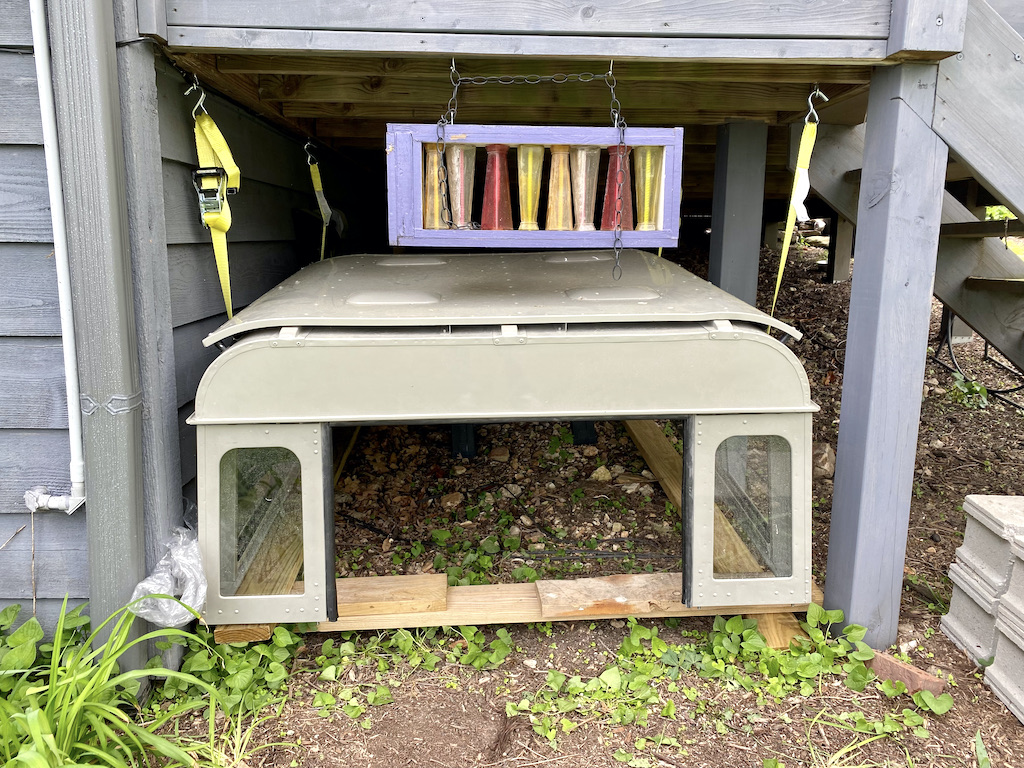
On Saturday a few friends came out to the house to help me take the hardtop off the Land Rover and put the soft-top on. Didn’t do this last spring because COVID was rampant. Really missed driving around under the mesh top. Last time we had the top off was in 2019. Took more help to get the hardtop back on that fall.

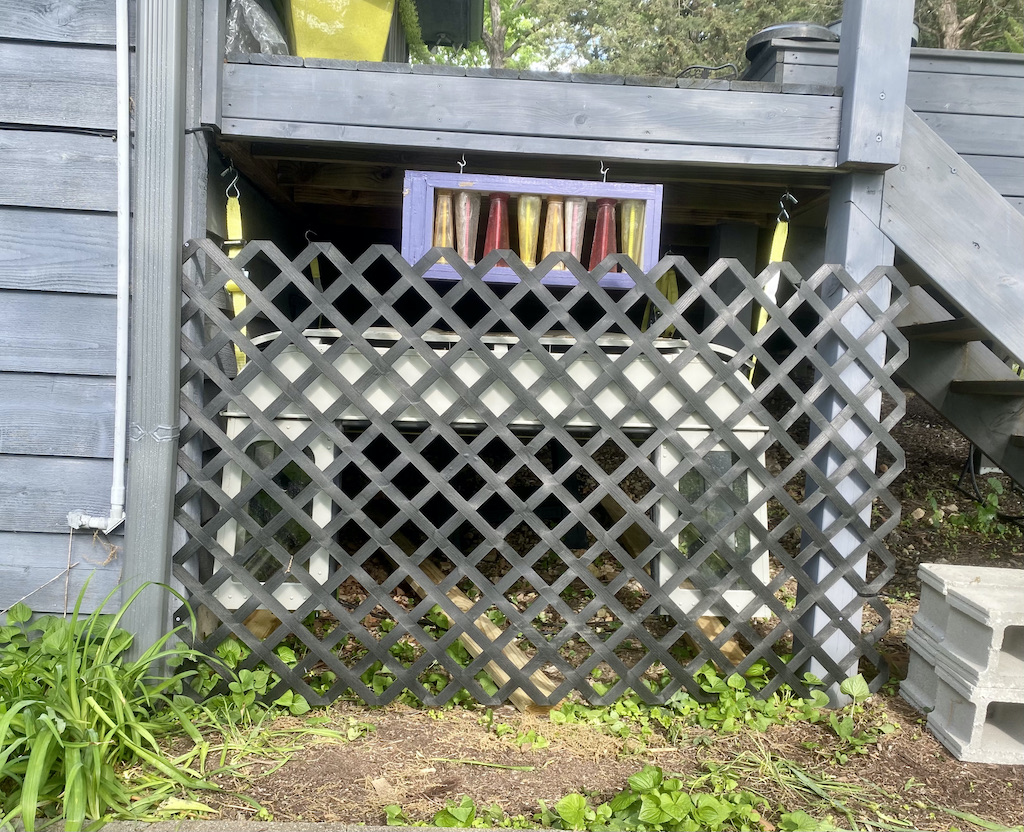
I’ve stored the hardtop in different places. After it was nearly destroyed by a tornado, I kept it in the basement but that meant removing the top from the sides. With a little help from my friends we were able to squeeze it in under the deck. Going to see if I can improve the look with a section of plastic lattice. (see below)

My thanks to the crew: George Kopp, Dave Kempf, Gaston De La Torre, and Dave Trammel.

George’s Jeep

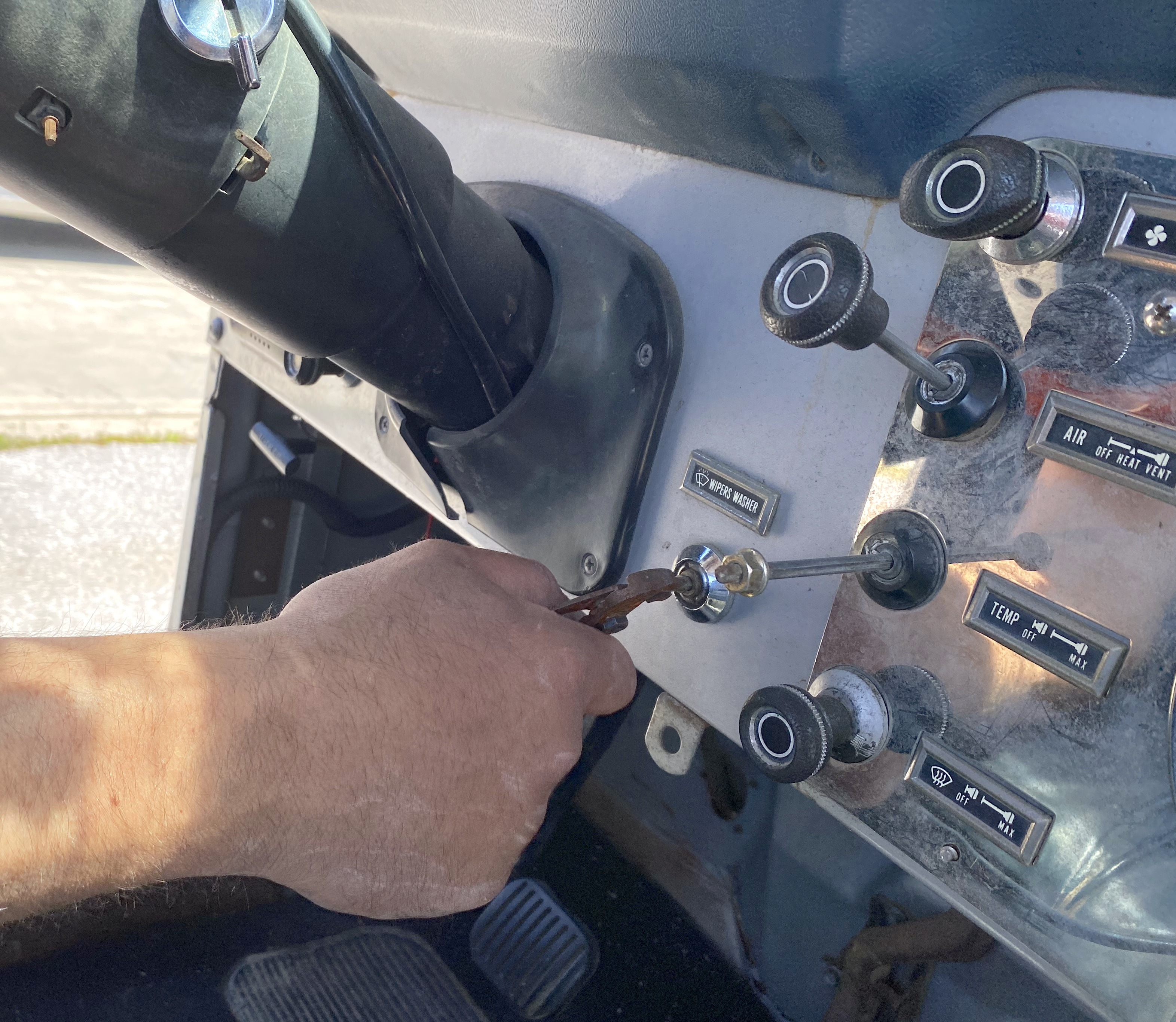
My friend George has a 1982 Jeep CJ7 that he’s owned since high school. It’s been through a lot, including a tornado that destroyed his business. It’s being held together with ingenuity, determination, love and ratchet straps. He was working on it when I stopped by today. (video :90)

I noticed a tiny, rusted tool in the console which George explained was used to turn the wipers on and off.

Truck full of junk

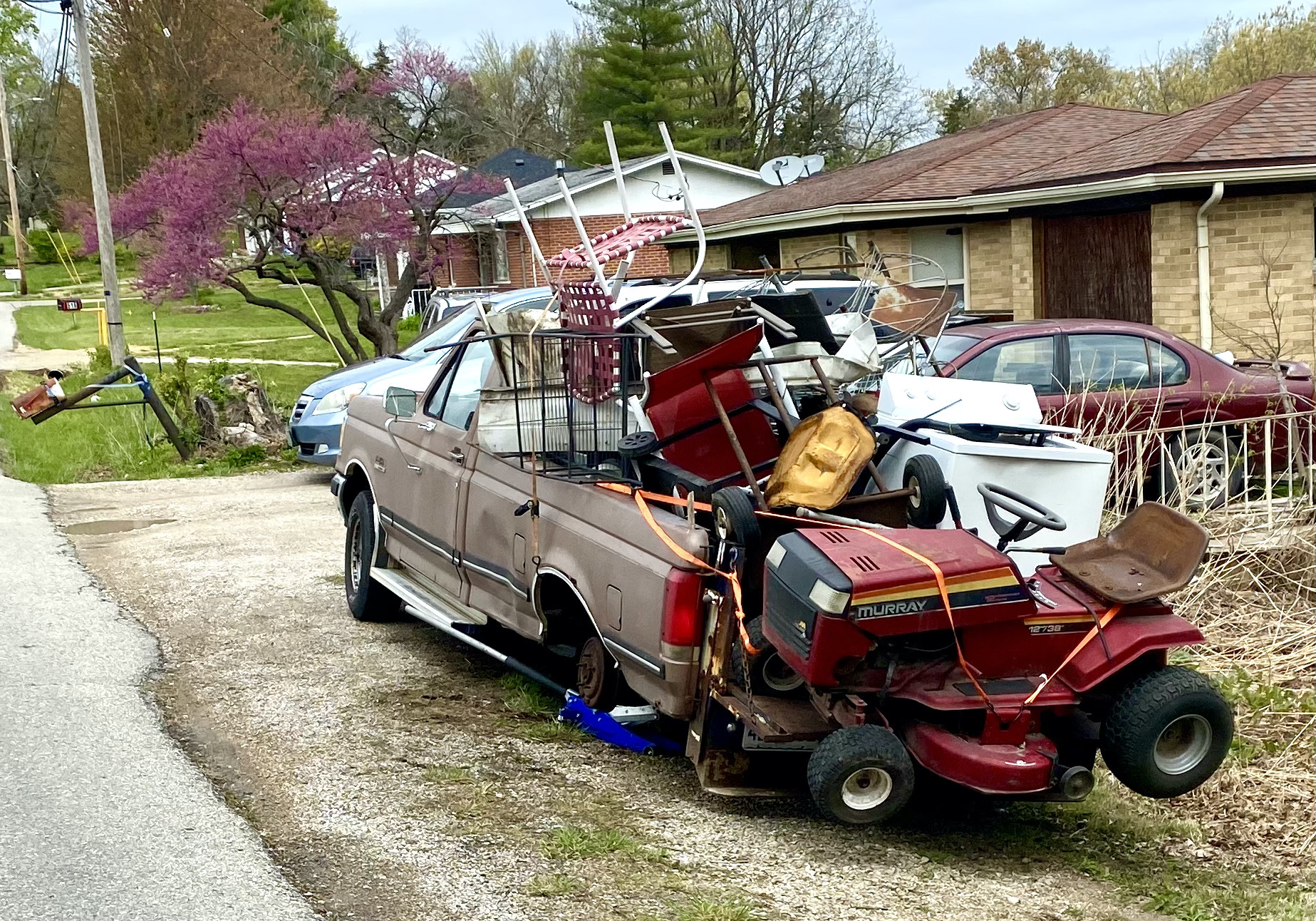
I drive by this house two or three times a day. Yesterday I spotted this truck and the image has haunted me. A dozen question immediately popped into my head (in no particular order):

  • Where did all of this stuff come from? This house or was it brought from somewhere? And why bring it here?
  • When did the tire go flat? On the way to this house (unlikely) or after it got here?
  • Did someone really drive down the highway like this?
  • Is the thin strap really the only thing holding the riding mower to the tail-gate?

I drove by the house later in the day and the truck was parked in the same spot but with all four tires… and the bed was empty.

  • Where did they take it? The dump? Someone else’s home?
  • Were they really able to jack the truck up and change the tire without unloading all the shit?
  • Not truck related, but what about that mailbox? It has been that way for years and I can’t believe the mail carrier hasn’t insisted they fix it so he/she doesn’t have to fall out the truck to put mail in.

Been there, done that, got the t-shirt