Robert Scoble: The value of “influencers”

“I’ll tell you what executives from big companies (like Kraft, Procter and Gamble, GM, and others) who were at MSN’s OWN ADVERTISING CONFERENCE told me. An influencer is worth THOUSANDS of times more than a non-influencer (influencer is someone who tells other people stuff, which is why blogging is getting so much advertising attention lately). That’s why Google is charging more per click than MSN is (Google has more influential users).”

— Robert Scoble via Gaping Void

Ivy League Long Tail

The company I work for owns (leases?) the multi-media marketing rights for some of the largest collegiate athletic programs in the country. So this story in USA TODAY about smaller colleges and conferences turning to the web to to deliver football and other sports, jumped out at me.

“Northern Arizona offered webcasts of home football games last year. Using the four cameras already set up to provide replays on the stadium scoreboard, the school added audio from their radio broadcasts along with continually updated statistics. Fans will be able to choose which team’s audio feed to which to listen. Games will be archived and can be downloaded to portable devices like Apple Computer’s iPod.

This fall, ESPN’s new online channel, ESPN 360, will show 30 football games, 10 of them, involving teams such as Virginia Tech, Purdue, Miami and Minnesota exclusively on that website. The site, available to about 6 million homes, will also have such features as chat rooms, statistics and online polls.

The schools don’t see the Web replacing television. Major conferences make millions of dollars from their football and basketball television contracts, but many also plan to webcast other sports, such as volleyball or swimming.


The Big Ten Conference announced plans this summer create its own cable channel for minor sports. The Big Ten Channel also will be available through the Internet, iPods, cellphones and other technologies.”
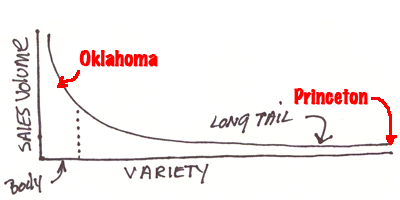

Note to Learfield Senior Management: Read The Long Tail to understand why and how this is happening and what it might mean for those of us at the “head.”

Podcast monetization

From Podcasting News:

“About.com, a New York Times property, has launched a sponsored medical podcast about heartburn and acid reflux. Each podcast will be approximately three to five minutes long and will be introduced monthly. The series –the first of its kind on About.com– is sponsored by AstraZeneca, a pharmaceutical company that makes Prilosec and Nexium heartburn and acid reflux medications.”The podcasts allow us to provide educational information to patients in a unique and creative way,” said Dana Settembrino, brand communications manager, AstraZeneca.

Topics to be covered include: What Causes Heartburn; Acid Reflux and Your Diet; How to Talk to Your Doctor about Acid Reflux; Exercising with Acid Reflux; and How Stress Affects Your Acid Reflux.

According to Marjorie Martin, general manager, ABOUT Health, “Podcasts provide an exciting new format for delivering trusted health information. Users can now choose to listen online or take the information with them. This series on heartburn and acid reflux disease should provide the millions of sufferers with the tools to better manage their condition.”

Dr. Mona Khanna, M.D., M.P.H. is the program’s host. “Dr. Mona” is a quadruple board-certified practicing physician and Emmy award-winning medical correspondent.”

We covered heartburn on the Living Healthy Podcast back in February.

I find Henry’s conversational style more to my taste than Dr. Mona’s scripted read, but I’m hardly objective. Would love to know what AsstraZeneca is paying for this and their expectations. But one can assume they think this makes more sense than 30’s and 60’s. About.com seems like a good fit. You go looking for info on heartburn…and find a podcast on the subject.

But how sustainable is this? I think sponsoring something with broader topic scope might make more sense.

Niche audiences

“While Rocketboom reaches a mass audience, Baron sees his next opportunity in niches. As an example, he suggests a program to target “high-end tennis players.” It would be natural for Wilson Sporting Goods to advertise tennis racquets and “Viewers might actually be interested in the commercials,” Baron said. He believes that while only 10,000 people might watch, it’s so cheap to do Internet video that such programming is economically feasible.”

— Rocketboom’s Andrew Baron on possible sponsorship opportunities

The radio ads I want to hear

Tod Maffin is looking forward to the day his satellite radio delivers ads he wants to hear:

“So, let’s take this to its natural next step in, say three years. You call up XM or Sirius and activate your radio. Besides asking for your billing address, they also seek out some basic demographic information. How old are you? What are your interests? Suddenly, your radio begins playing ads that are aimed at you and people like you. With my demographic profile in hand, the satellite service could have screened those (crappy spam-like ads) out and sent me ads specific to my interests.”

I sort of dread going through some long “check the products and services you’re interested in” procedure, but you’d only have to do it once and then keep it updated. Then, maybe once a month, they send me a link to a web page where I see a list of all the advertisers that hit my reciever in the past 30 days. I remove any that I don’t like. Sort like signing up for Netflix. Or, maybe they just have a bot crawl this blog and figure out what I care about.