
Force-Feeding AI on an Unwilling Public

From Ted Gioia’s The Honest Broker blog

Has there ever been a major innovation that helped society, but only 8% of the public would pay for it? That’s never happened before in human history. Everybody wanted electricity in their homes. Everybody wanted a radio. Everybody wanted a phone. Everybody wanted a refrigerator. Everybody wanted a TV set. Everybody wanted the Internet. They wanted it. They paid for it. They enjoyed it.

Gioia says most people won’t pay for AI voluntarily—just 8% according to a recent survey. So they need to bundle it with some other essential product.

Thanks to Steve Schuller for sharing this story.

Why is the coffee cup always empty?

I can’t remember ever having seen a scene in a TV or a movie where one of the characters is drinking from a coffee cup that it isn’t completely obvious that that cup is empty wondering why the producers directors the people making this series or movie wouldn’t wanna have something in the cup  Once again, ChatGPT has the answer.

ChatGPT: That’s one of those little things that, once you notice it, you can’t unsee it — the infamous empty coffee cup acting. There are a few reasons it happens, even though it definitely breaks the illusion: Continue reading →

The Program Called Mind

I’ve long been interested in the nature of awareness, consciousness, thoughts and the self. And, more recently, artificial intelligence. Specifically, the ways in which the human mind is similar to –and different from– an AI. The essay (?) below suggests the way artificial intelligence works can actually mirror how the human mind functions. (Source: SnakeSpeak)

Kennett, MO: Early Days

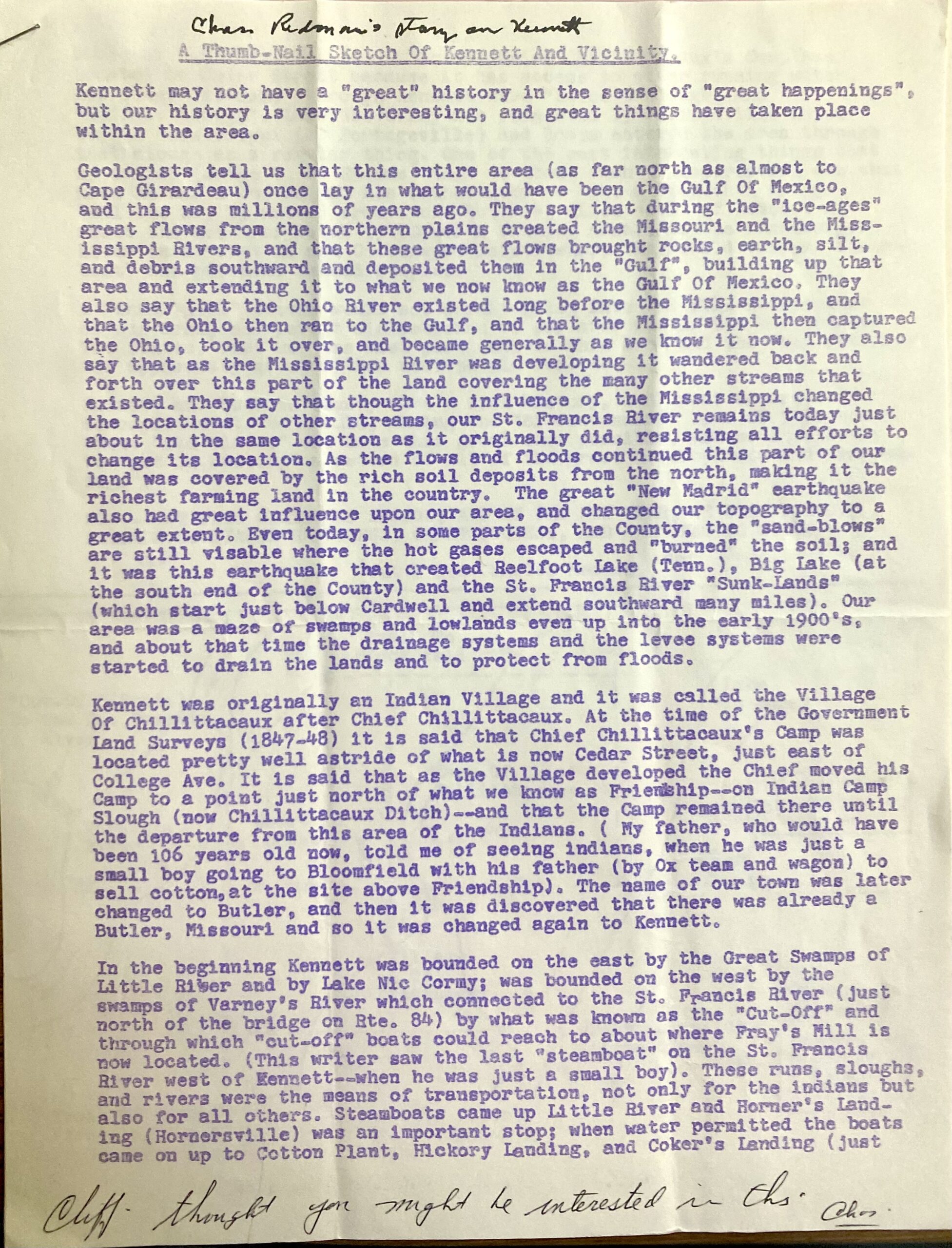
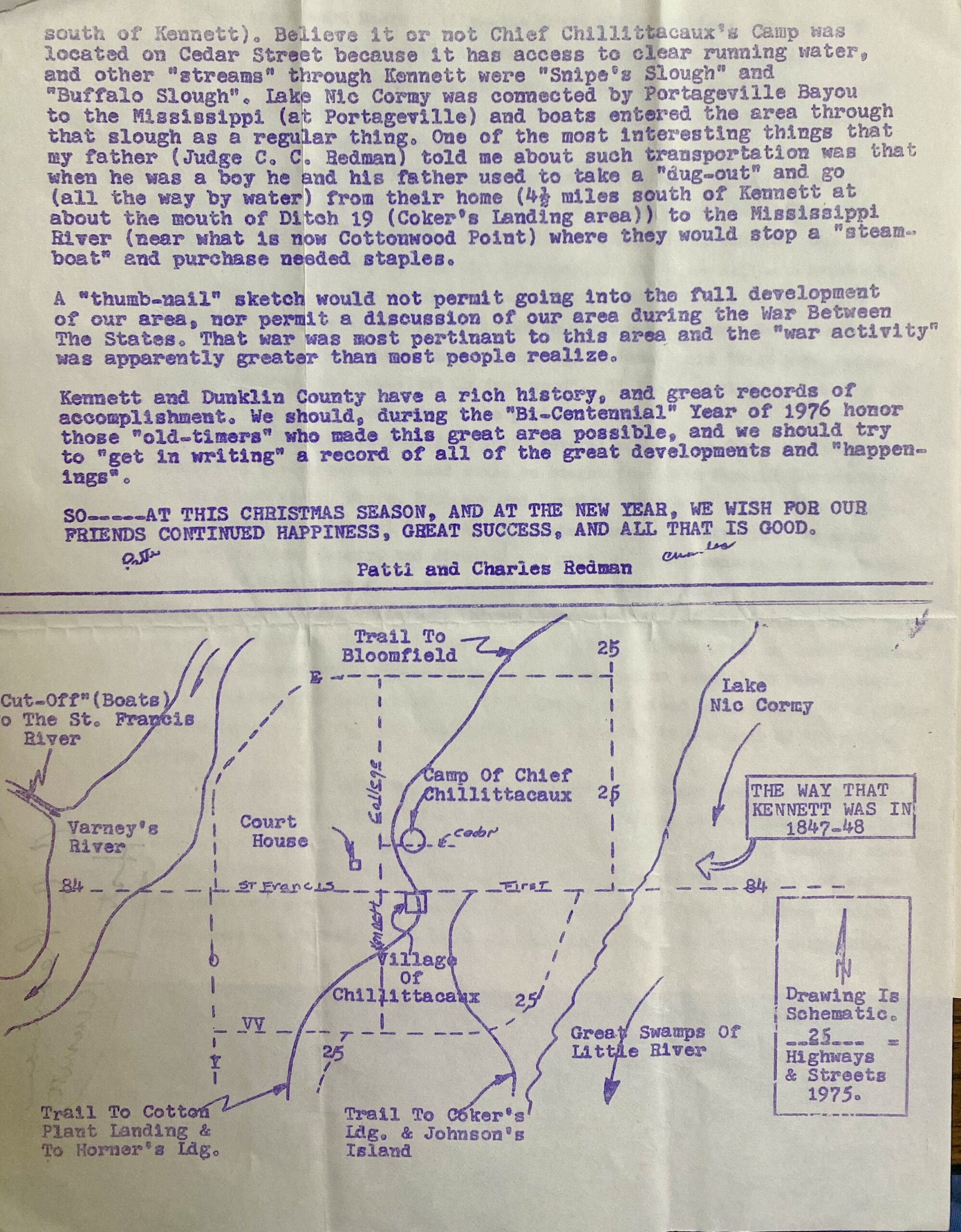
My friend John Robison has been going through old documents and newspaper clippings that have been gathering dust in the First Methodist Church in Kennett, Missouri (our home town). Below are two accounts of the early days of Kennett. This first one appears to have been written in 1976. Original typescript (page 1, page 2) The second account was written in 1966 Typescript (page 1, page 2) Continue reading →

The explosion of tattoo culture

Steve: I rarely see anyone under the age of 30 without a tattoo. Could be any number of reasons for this: location; my age; etc. Wasn’t that long ago that you didn’t see that many people with tattoos. Bikers, Navy vets, the occasional free spirit. But sometime in the last 15 years (?) I started seeing them everywhere. I’m wondering if there has been some reputable academic research on the cultural causes/significance of this trend.

ChatGPT: The explosion of tattoo culture in the past 15–20 years is a striking cultural shift. It went from fringe to mainstream with remarkable speed. What was once associated with bikers, sailors, punks, and rebels has become almost a rite of passage for a lot of younger people, and yes, there’s been a fair amount of serious academic and sociological attention paid to the phenomenon. Here’s a summary (PDF) of what that research tends to say, along with a few respected sources.