
There’s a word for that

You know that feeling where you say a word so often that it stops — for a few seconds — having any meaning? It’s just a sound your lips and tongue make? I’ll bet there’s a word for that but I don’t know what it is.

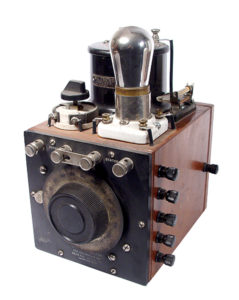
I’ve been thinking about the word “computer.” I use that word a lot. But it really doesn’t have much meaning (for me) any more. The earliest computers were big old room-size monsters that… computed numbers. Add, subtract, multiply, divide (and probably some other math stuff). So we called the machines computers.

And I guess there are lot of folks still computing on their computers but doesn’t it seem like there could be a better name? We’ve got “desktop” and “laptop” but those are more about where and how we use the machine.

Our phones are computers now but I’m not all that happy with the term “smart phone.” Better than “device” but still not great. Shoot, “digital assistant” was a better term than most of these but that won’t be back. And why didn’t “communicator” catch on? Good enough for the Star Trek crew.

In a few weeks I’ll be talking to Siri via AirPods. And god only knows what we’ll call the glasses we’ll one day be wearing.

RepublicTigerSports.com

During the early days of what we then called the “World Wide Web,” there was a mood of “digital entrepreneurism.” Anybody with a minimum of technical skills could create a website. Later, when blogs became a thing, it got even easier. You could start your own newspaper or magazine or — when the bandwidth got better and the tools easier — audio and video. Anyone could create their own “content” and do so for fun or profit. That was the dream and a few made it a reality.
One of those was my friend David Brazeal. David grew up in Republic, Missouri, a small town just outside of Springfield in the southwest corner of the state. He earned a degree in journalism from the University of Missouri and then reported news at a radio station in Jefferson City, MO.

That’s where I met him and then worked with him at Learfield Communications. David started in the newsroom but migrated to some of Learfield’s early, digital businesses. He was very good at what he did but eventually grew restless and longed to strike out on his own. His idea was to create a website that covered high school sports in his hometown.

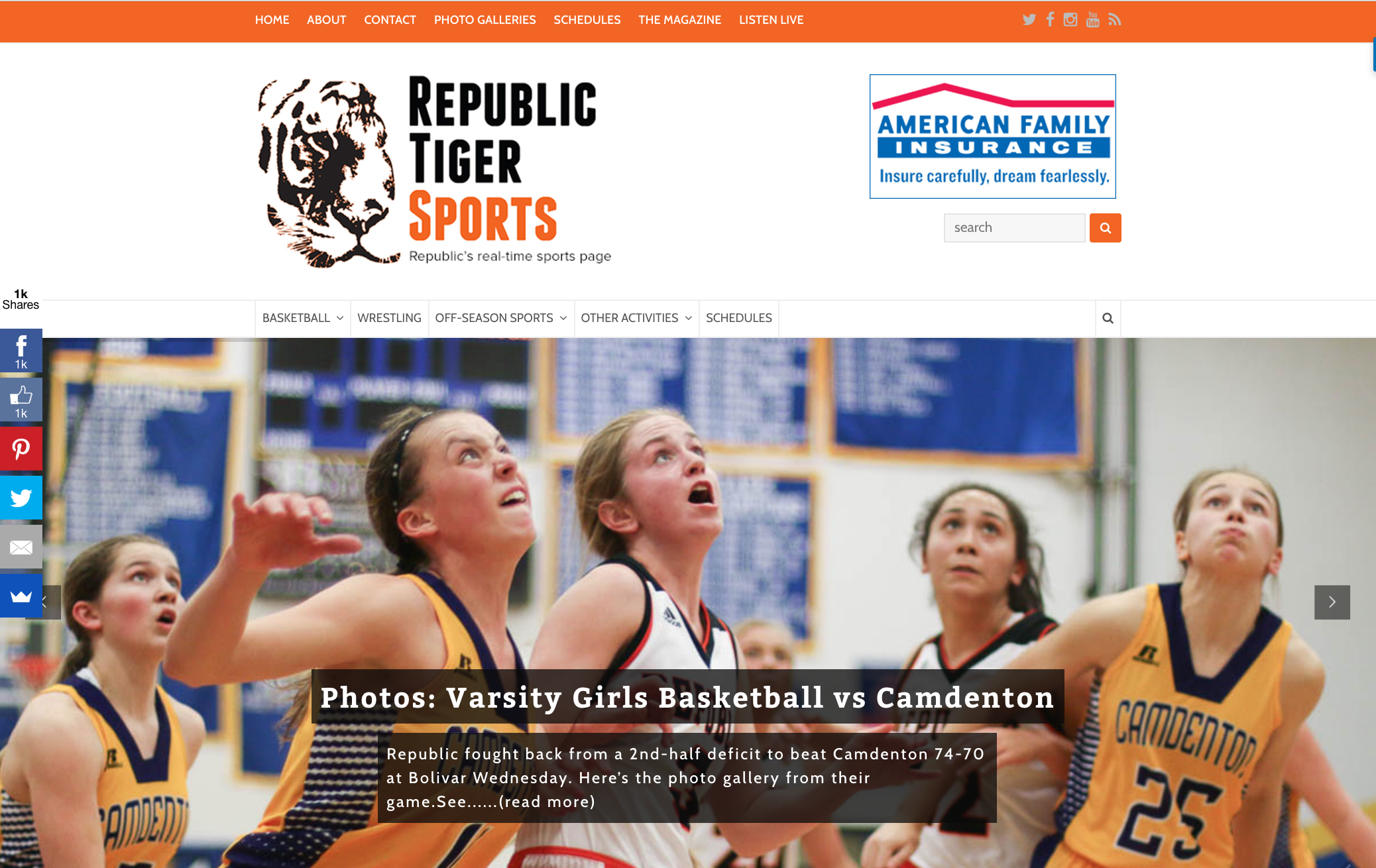
With his wife’s blessing, he quit his very good job at a very good company and started RepublicTigerSports.com in 2009. David has defied the odds and made his “micro-site” a critical and financial success. I think it’s safe to say he covers high schools sports in Republic better than any traditional media outlook could or would. The town does not have a radio or TV station but does have a weekly newspaper.

I don’t think I could begin to describe the breadth and depth of the content on his site. If you are even remotely interested in what he’s doing, spend 10 or 15 minutes on the website. If you’re still interested, you might enjoy listening to the interview below. Runs about 35 minutes.

Brain shape linked to personality differences

“Florida State University College of Medicine Associate Professor Antonio Terracciano joined a team of researchers from the United States, United Kingdom and Italy to examine the connection between personality traits and brain structure. […] The traits include neuroticism, the tendency to be in a negative emotional state; extraversion, the tendency to be sociable and enthusiastic; openness, how open-minded a person is; agreeableness, a measure of altruism and cooperativeness; and conscientiousness, a measure of self-control and determination. As people get older, neuroticism goes down — people become better at handling emotions — while conscientiousness and agreeableness go up — people become progressively more responsible and less antagonistic.”

Science News

Prototype usability testing

So I get this invite to take part in usability testing of a new prototype (is that redundant?). It’s for a big company. One of the biggest. I can’t tell you much more because I had to sign a non-disclosure agreement and they seemed pretty serious about it.

A young woman (early 20s?) ran the session (a video conference) and there were 4 or 5 others who I assume were observing but did not speak. The session lasted about half an hour.

She had me log in to a development site with (what I assume was) an early version of the new tool they’re working on. She asked me to play around with the tool and talk aloud as I did so. She would occasionally ask me a question. Near the end of the session she asked if I would use a tool like this, to which I immediately replied, “No” and explained why.

I don’t use Facebook so I’m only speculating here, but I had a strong sense they were trying to add FB-like features. “Like” buttons; the little “heart” icon; etc. I said, as gently as I could, it seemed they were trying to solve a problem that did not exist. This company is big enough they must have an army of developers working on stuff like this all the time. And that’s good, up to the point they adding features nobody wants or needs.

I don’t know when — if ever — I’ll be able to tell you more about this. Maybe if the thing ever goes public. For my effort they’re going to give me a $50 gift certificate, but the real value was forcing me to think about social media and how use it (or don’t use it).

Social. Media.

The ‘media’ part is pretty straight forward. We see news, photos, video, audio. The ‘social’ part seems to be about connecting with people (“engagement”). In my experience, that is happening at an increasingly superficial level. Thumbs up, thumbs down, heart, +1. I’ve started wondering, why bother? Yes, I’m retired and have lots of time to write a long-winded post or comment (TLDR!). But, really, what does a ‘thumbs up’ or +1 add?

It must be enough, though, because here I am. If I spot the new prototype in the wild, I’ll let you know.