Land Rover: Interior

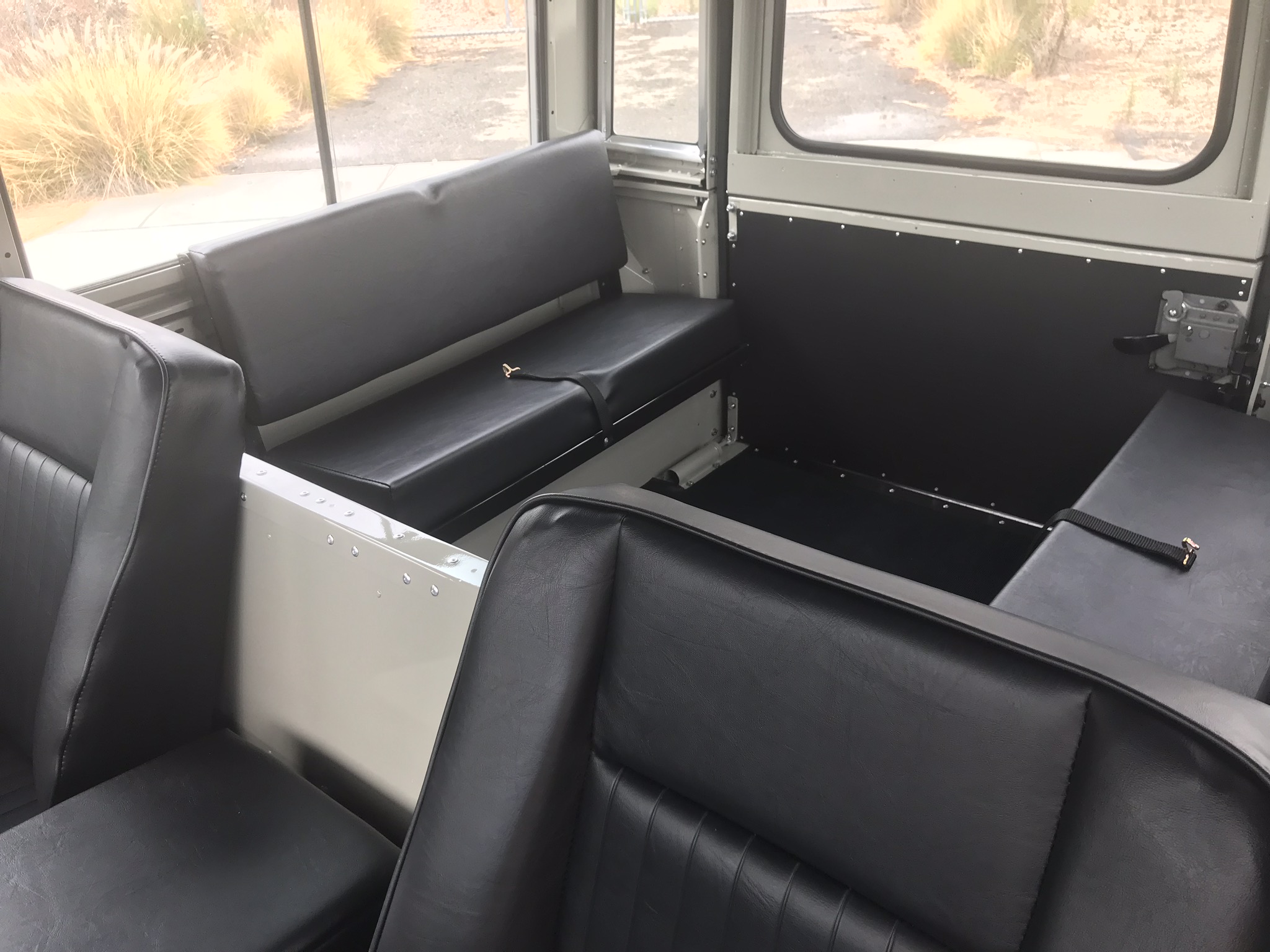
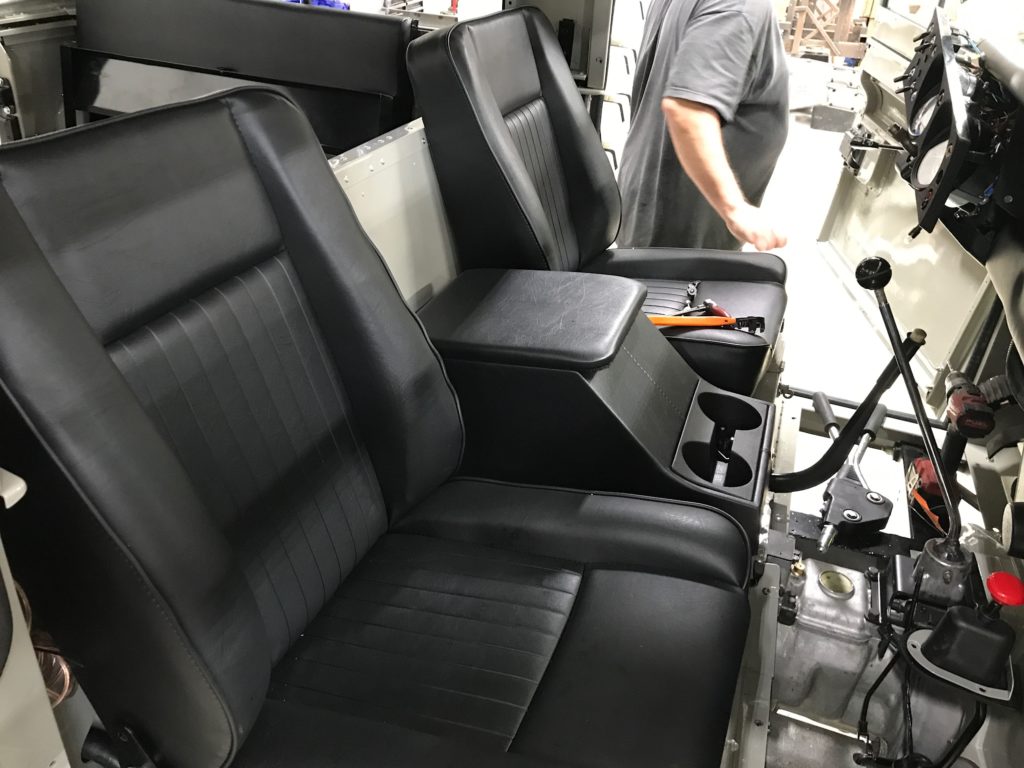
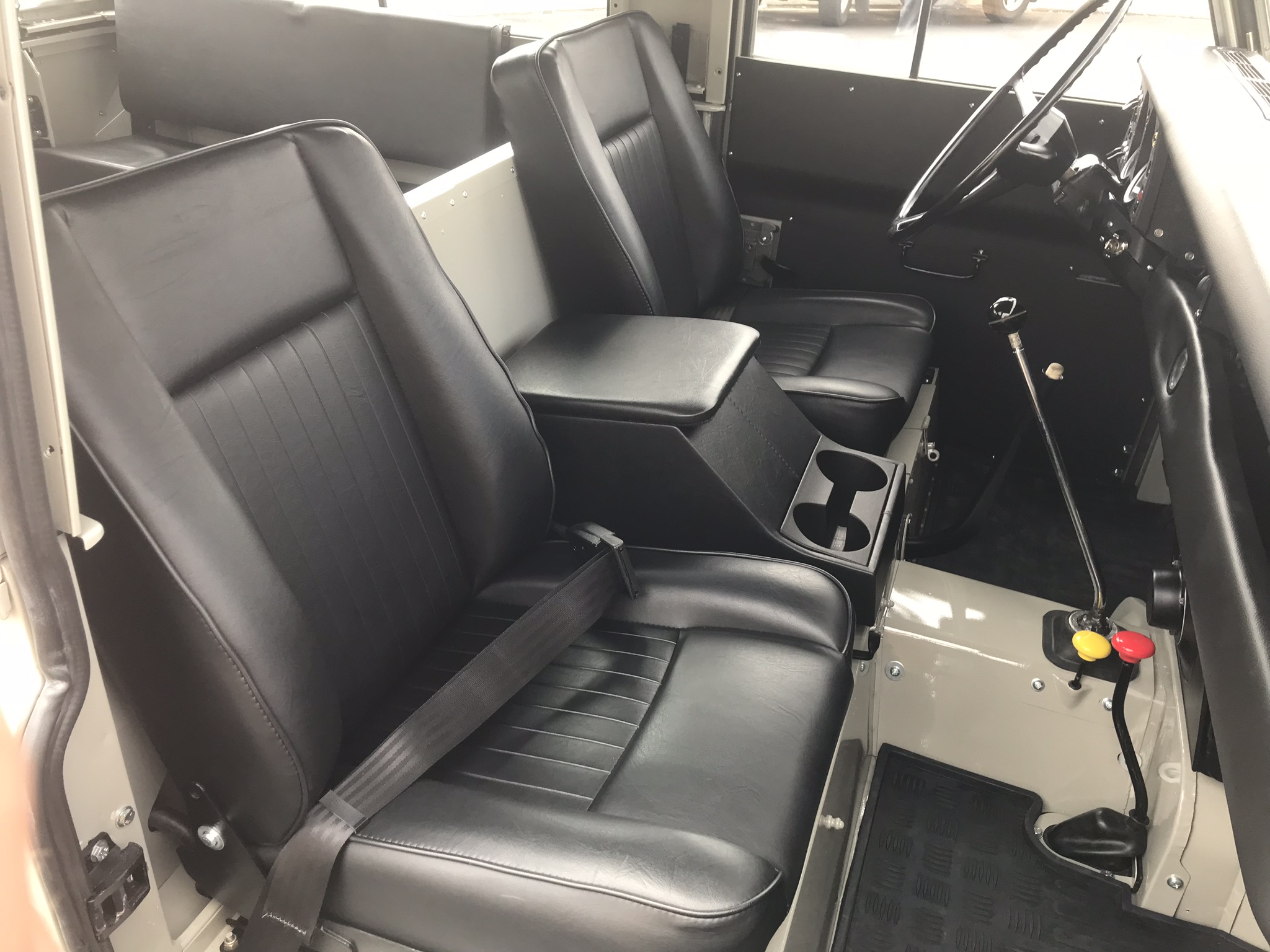
When it rolled off the assembly line in 1979, I think there were three seats in the cab (and they weren’t comfy bucket seats like these). The middle seat has been replaced with a storage compartment.
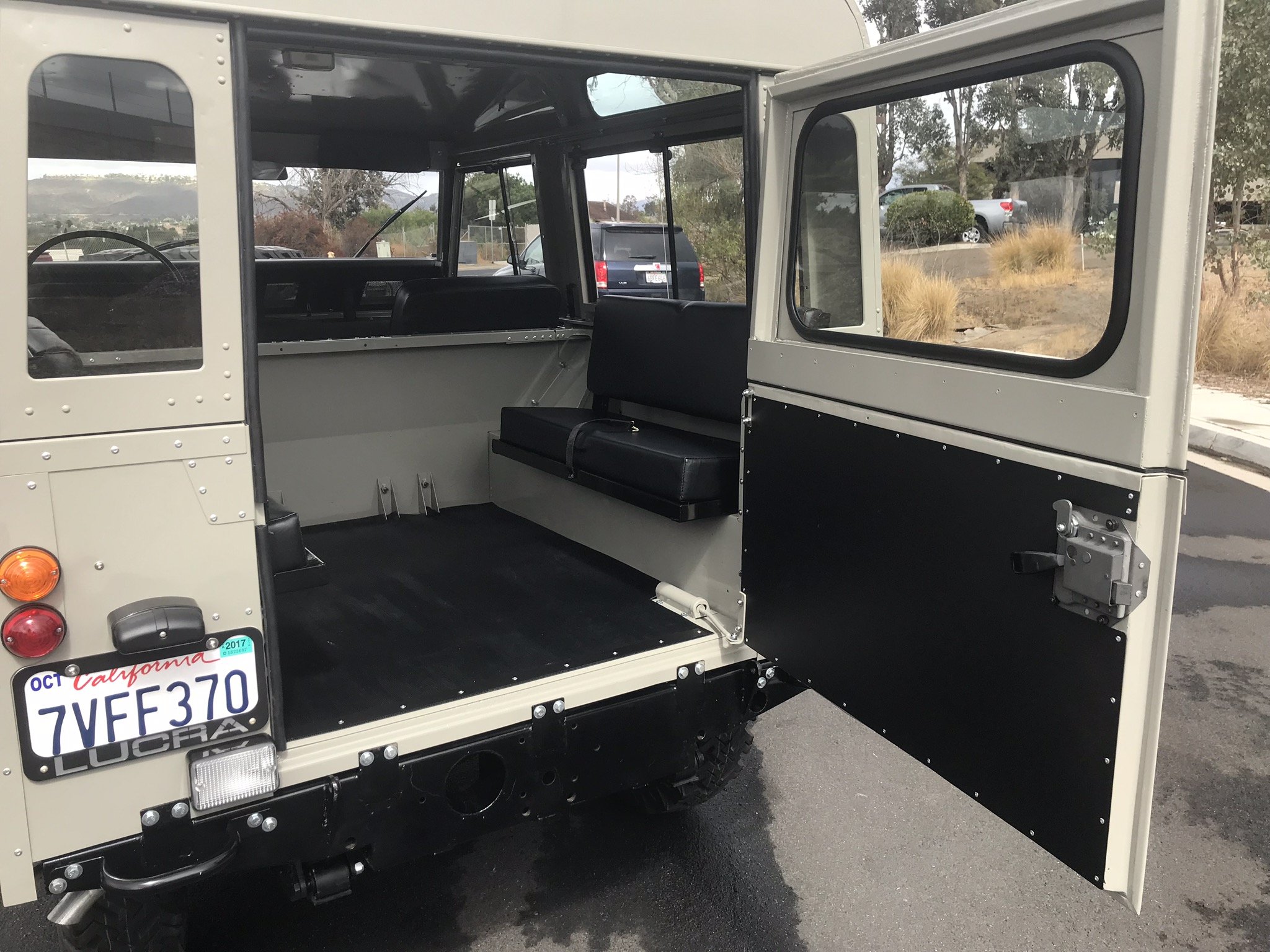
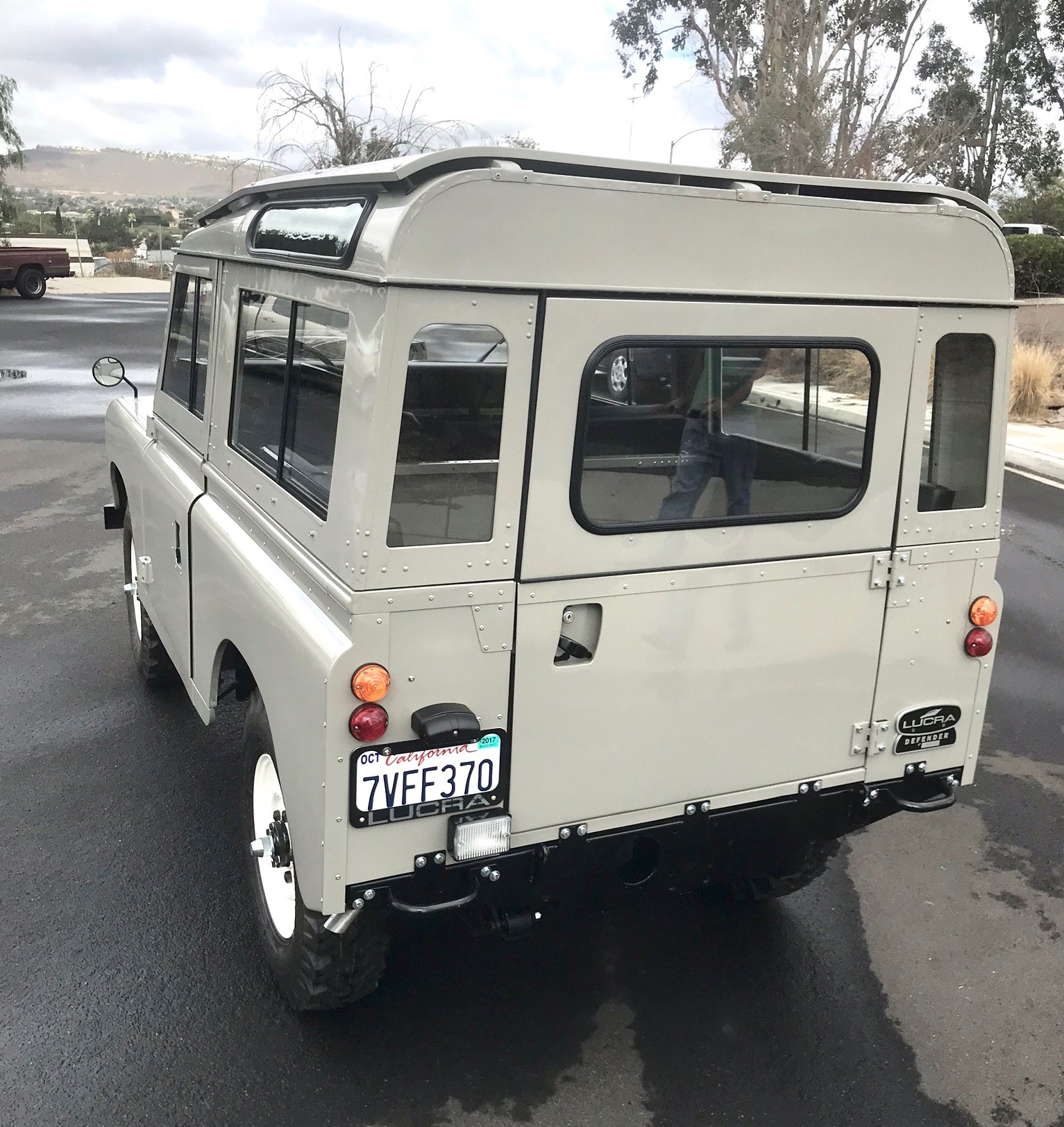
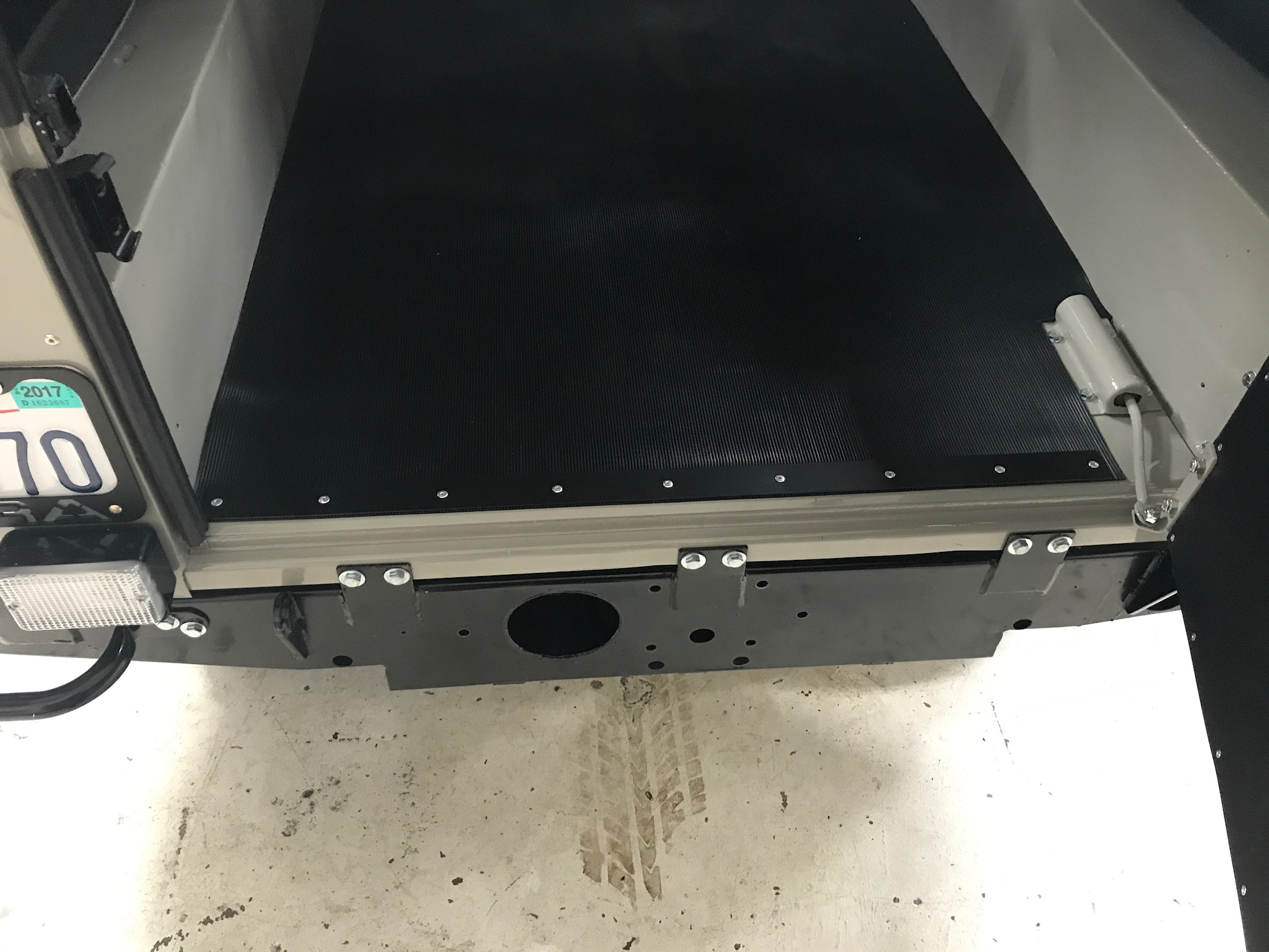
The floor of the tub (rear part of the truck) is covered with a rubber-like material. When it gets muddy, hose it out. I’m not fond of the rear seats and will replace those with simple pads (no back).
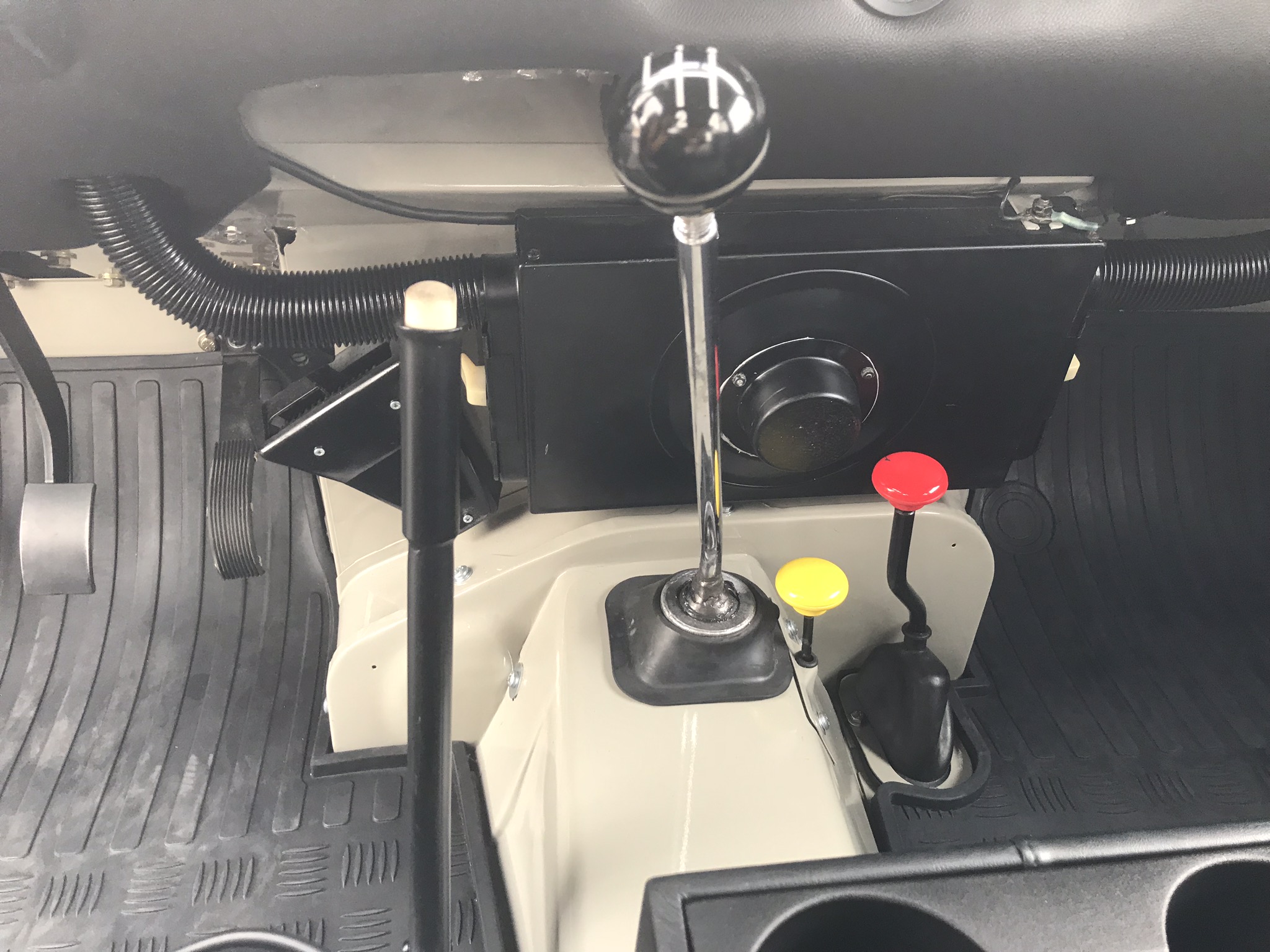
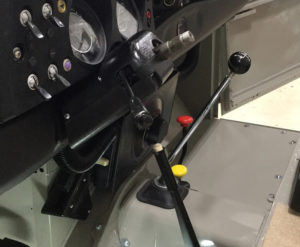
The longer, black lever with the white tip is the parking brake. The yellow knob engages four wheel drive when you push it down. And the red shifter engages the Low Ratio gear. Also known to some as “momma low.” The black box with hoses coming out the sides is the heater. Three settings: to the windscreen; to the floor; or to both.
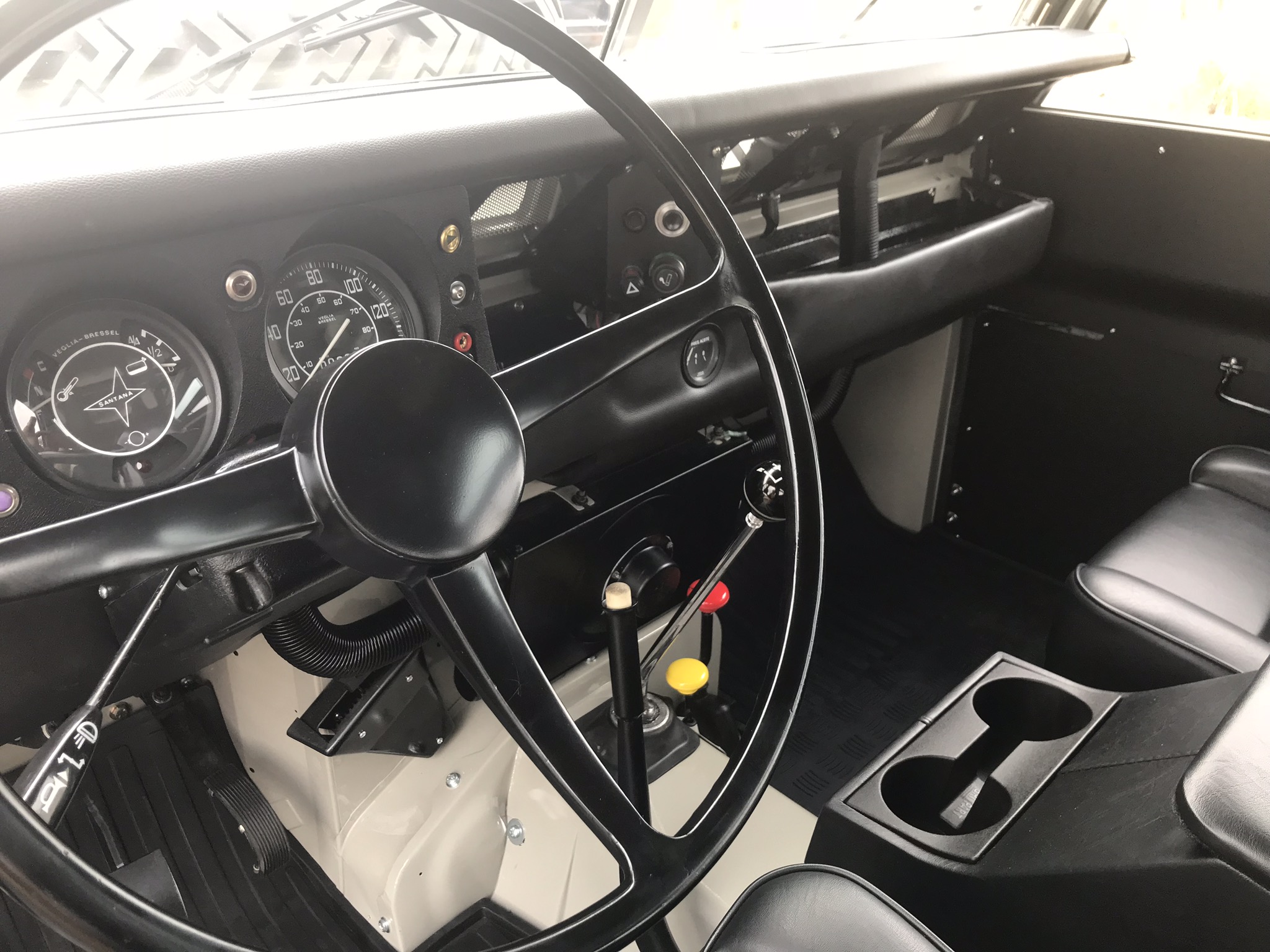
If that steering wheel looks bigger than what you’re used to, it is. No power steering on this baby so you need that big wheel.
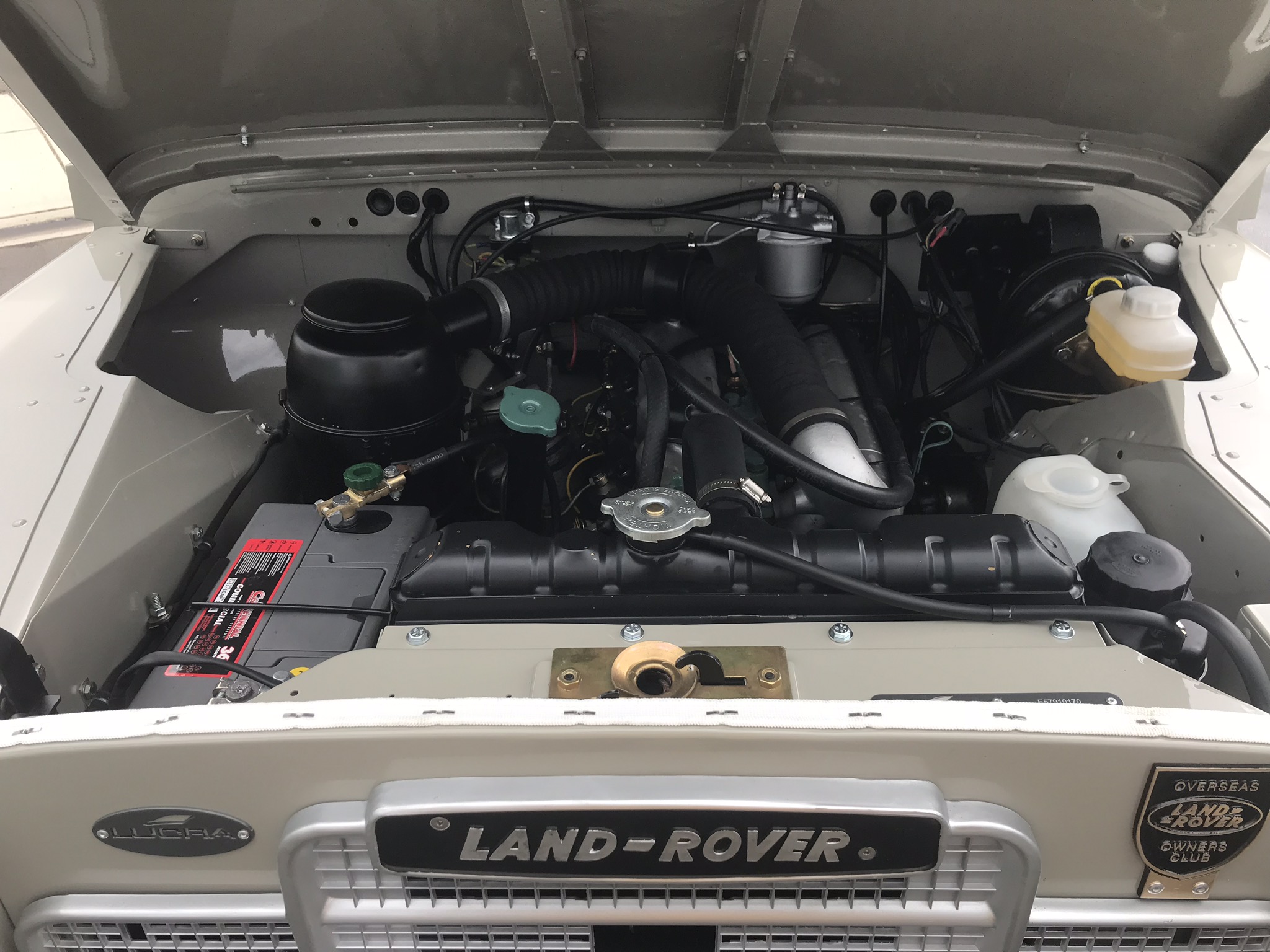
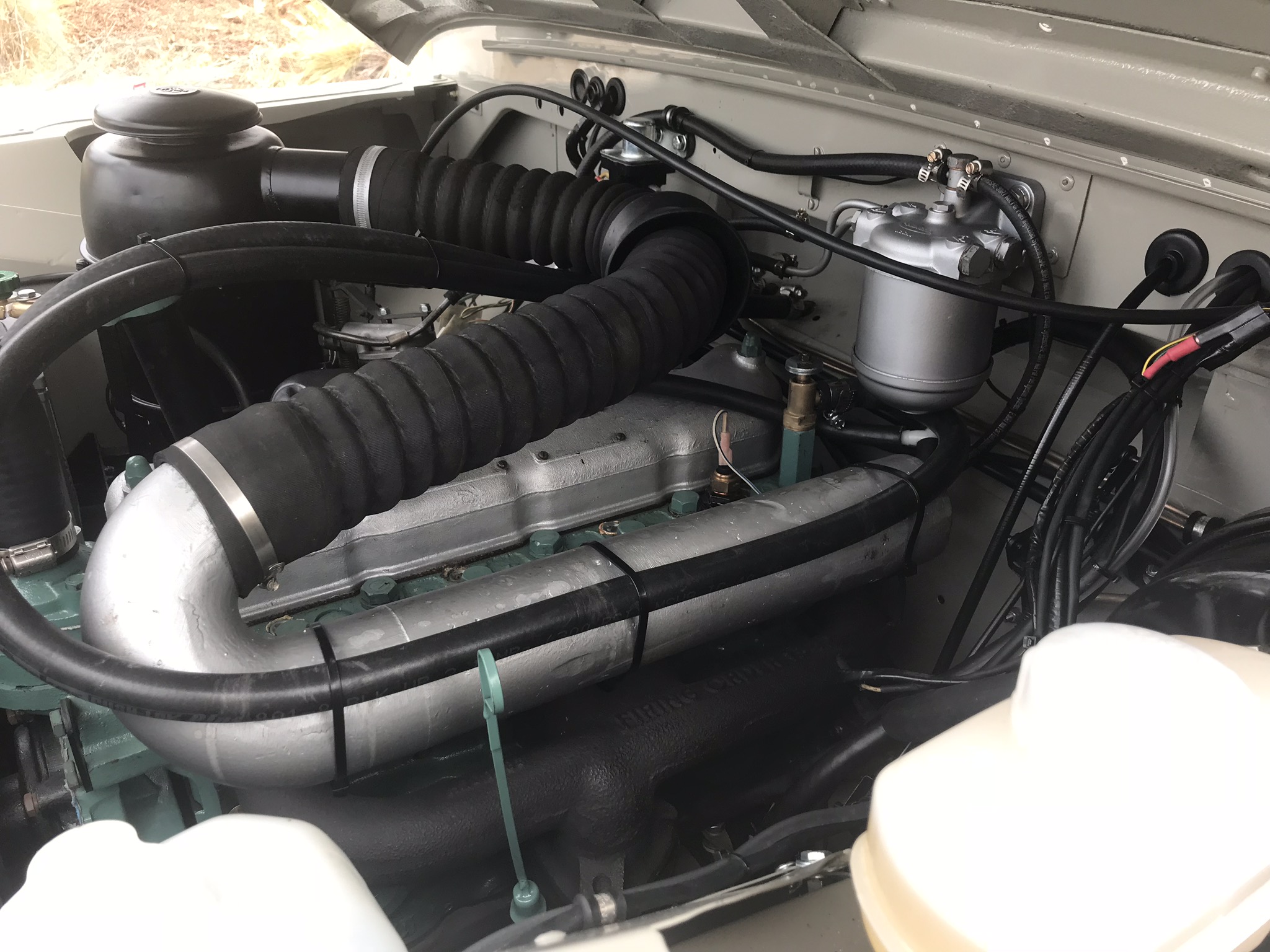
Land Rover: Engine

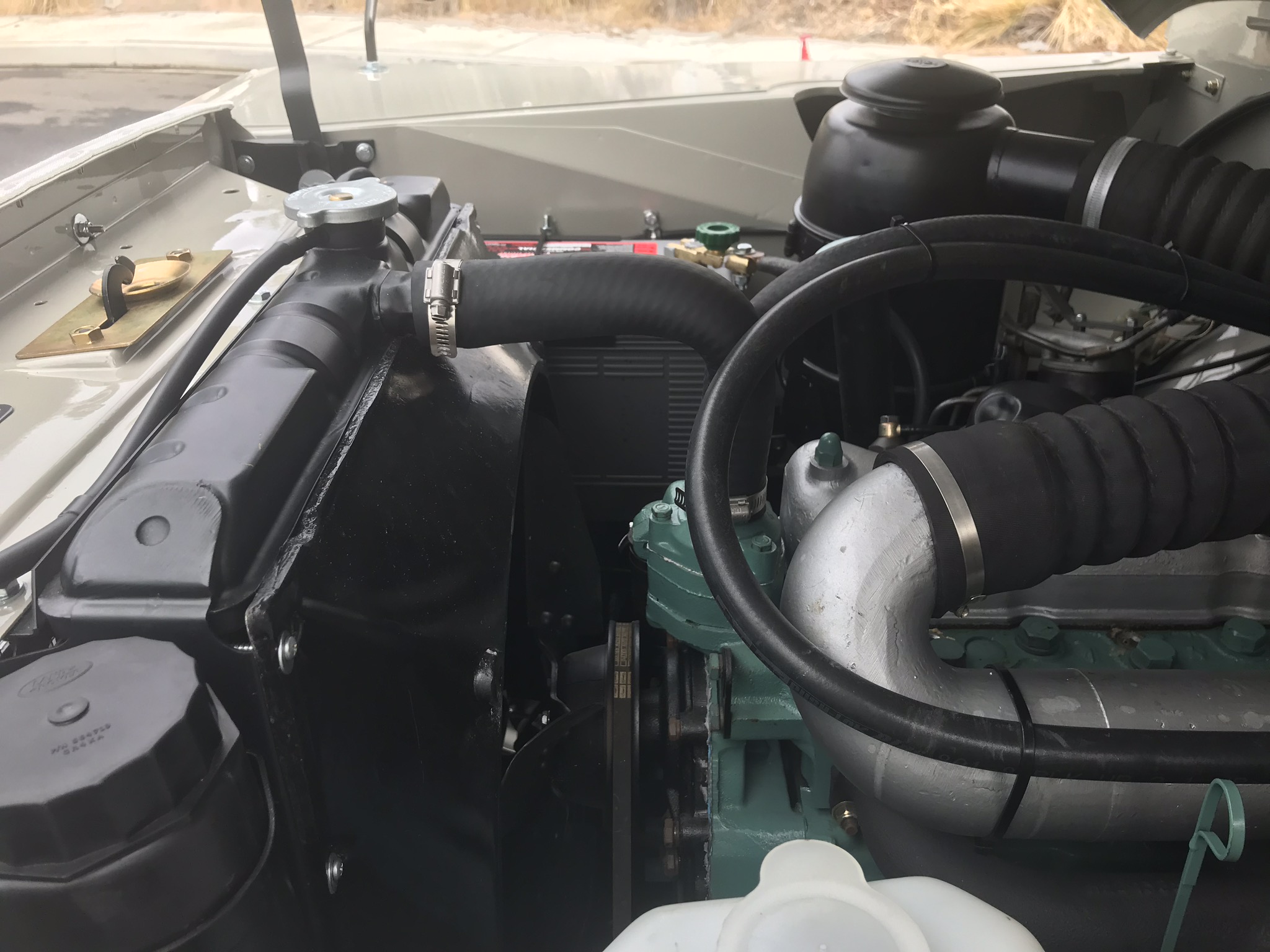
Here are a few shots of the engine. No, I cannot name all of the parts –let alone work on them– but one of my goals is to be able to identify each part and understand what it does.

As for that “Overseas Land Rover Owners Club,” no idea. If I had to guess it was on the truck before restoration and the guys just put it back on.

Land Rover interior complete

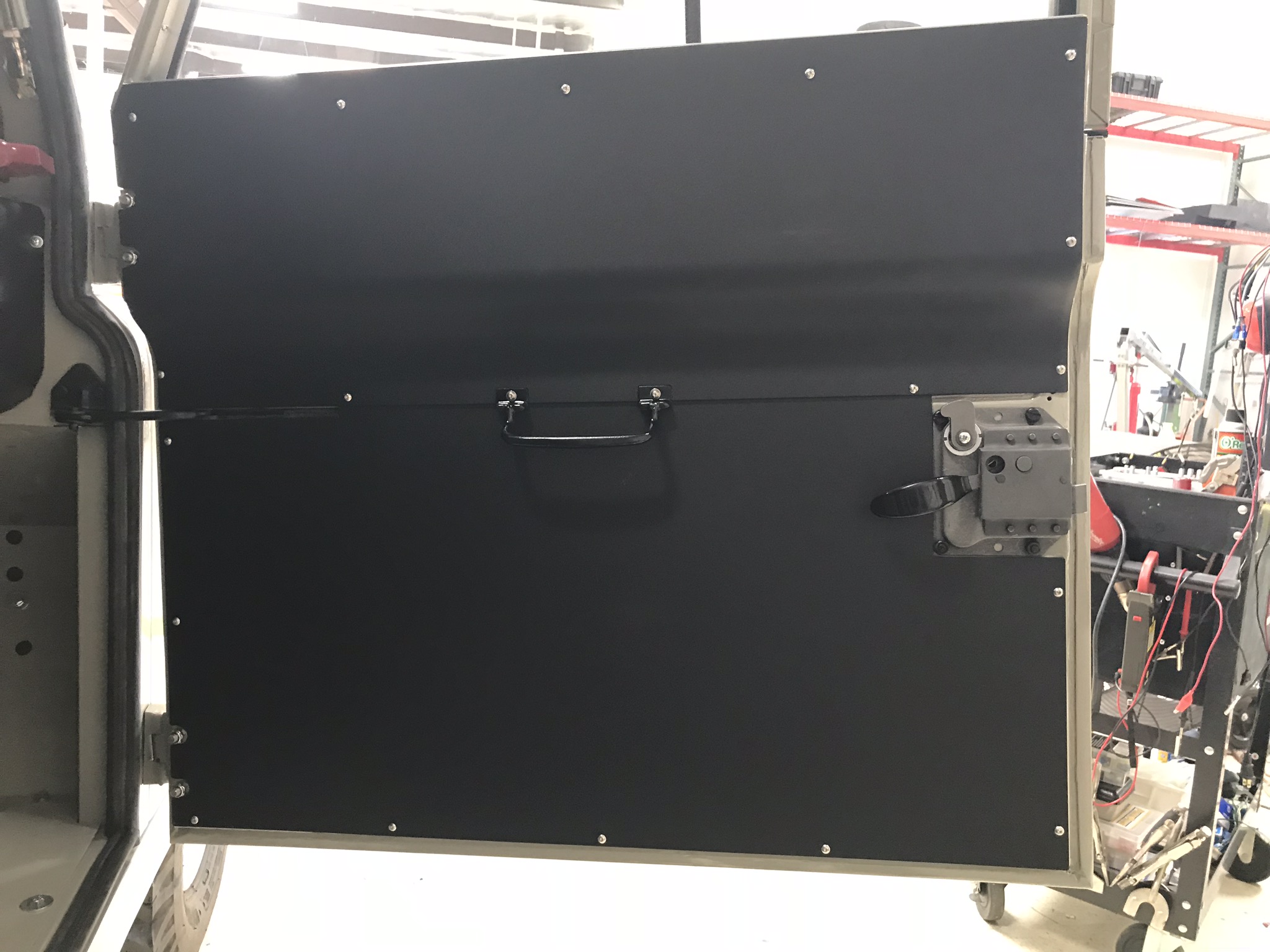
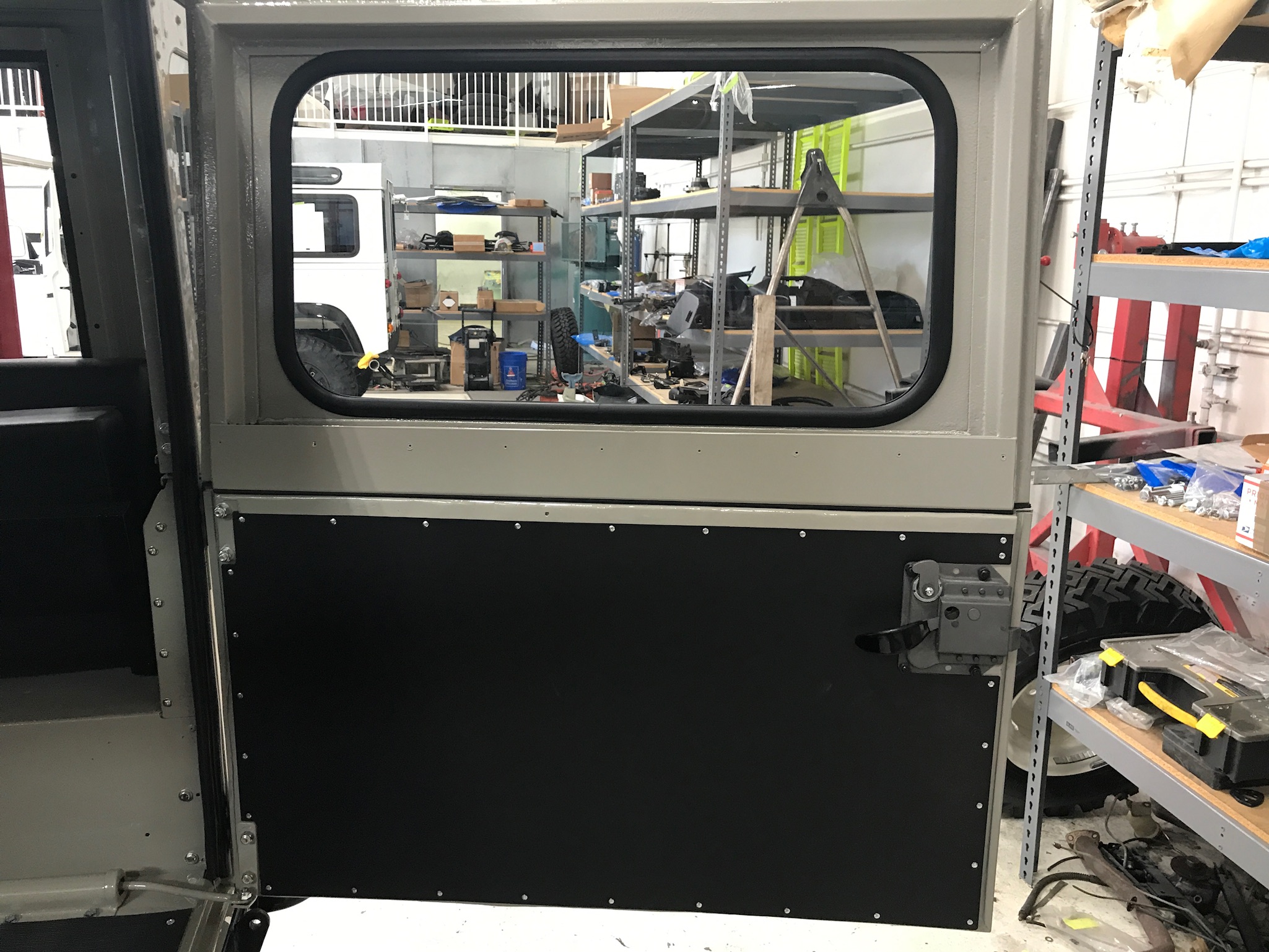
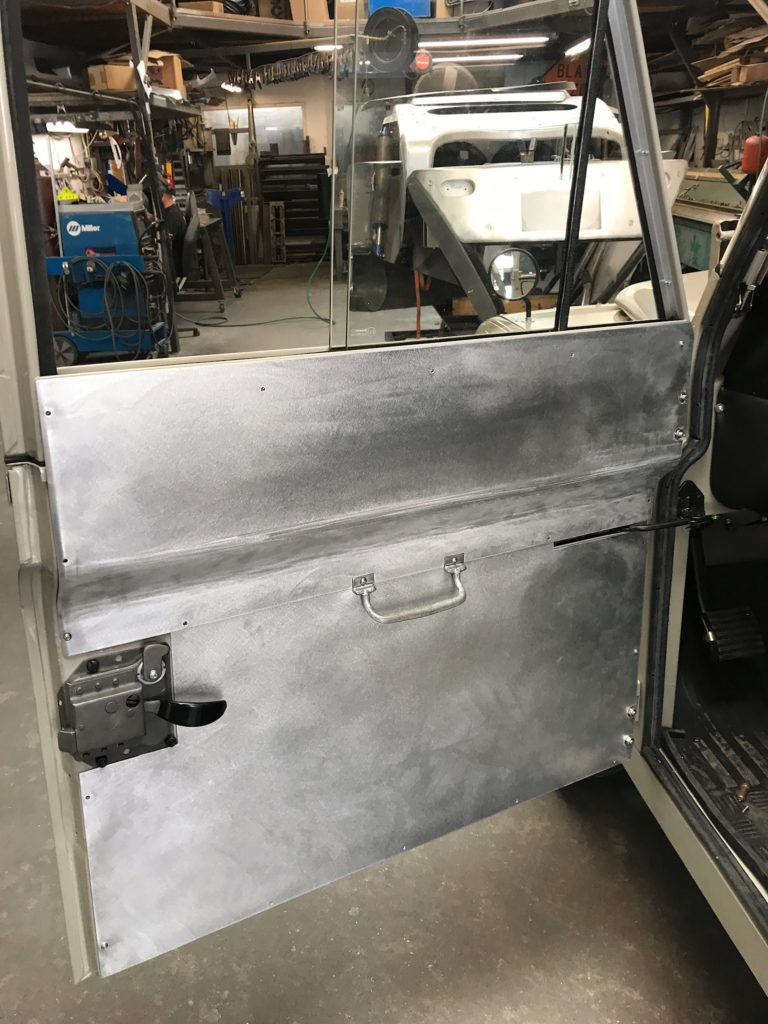
It appears the interior work on the truck is complete. The door panels have been powder coated and a rubber liner added to the floor of the “tub” (rear part of the truck). In a previous post I confused “powder coating” with “rough coating” (the stuff they spray on pickup truck beds). I’m very pleased with the look of these panels.

The truck is about done

The truck is about done. It’s getting “rough coating” applied to the footwells and the tub (the rear part of the vehicle). If I understand the procedure, rough coating is sort of spray-on bedliner. Protects the metal and less slippery. The door panel below is aluminum and they said we could cover it with vinyl; paint it the color of the exterior; or rough coat it. I went with rough coat.

Barring any problems, the truck goes to SF for break-in period and I hope to have it by mid-October.

Description of Land Rover restoration

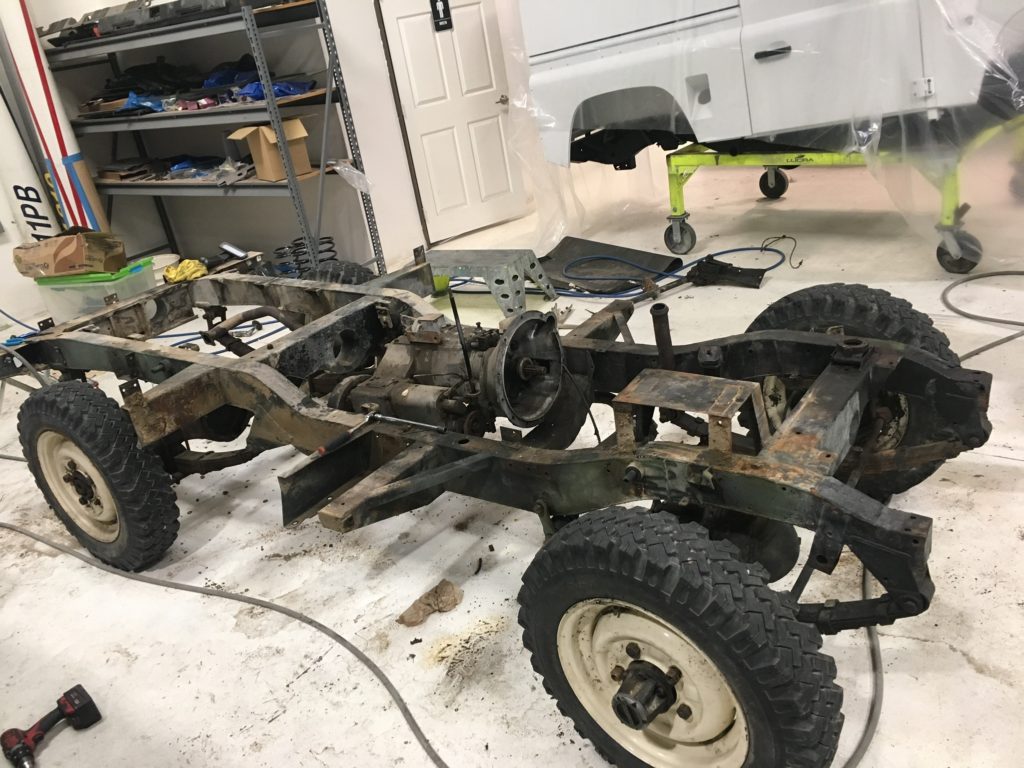
The truck is mine! By that I mean I paid the last installment and the paperwork is on the way. Still a few items to take care of but the restoration is mostly complete. I received a detailed, two-page description of the disassembly and reassembly that might be interesting to fans of vintage cars and trucks.

“Down to the last nut and bolt. Every component was completely removed, beginning with the engine.”

Land Rover restoration nears completion

The restoration seems to have moved to the interior of the truck which — I hope — means we’re getting near the end.

The original three-across bench seats have been replaced with bucket seats (vinyl) and storage compartment. These seats are about as modern as I would care to go. Would have been fine with the originals but then I have never ridden on those. I’m sure these are better.
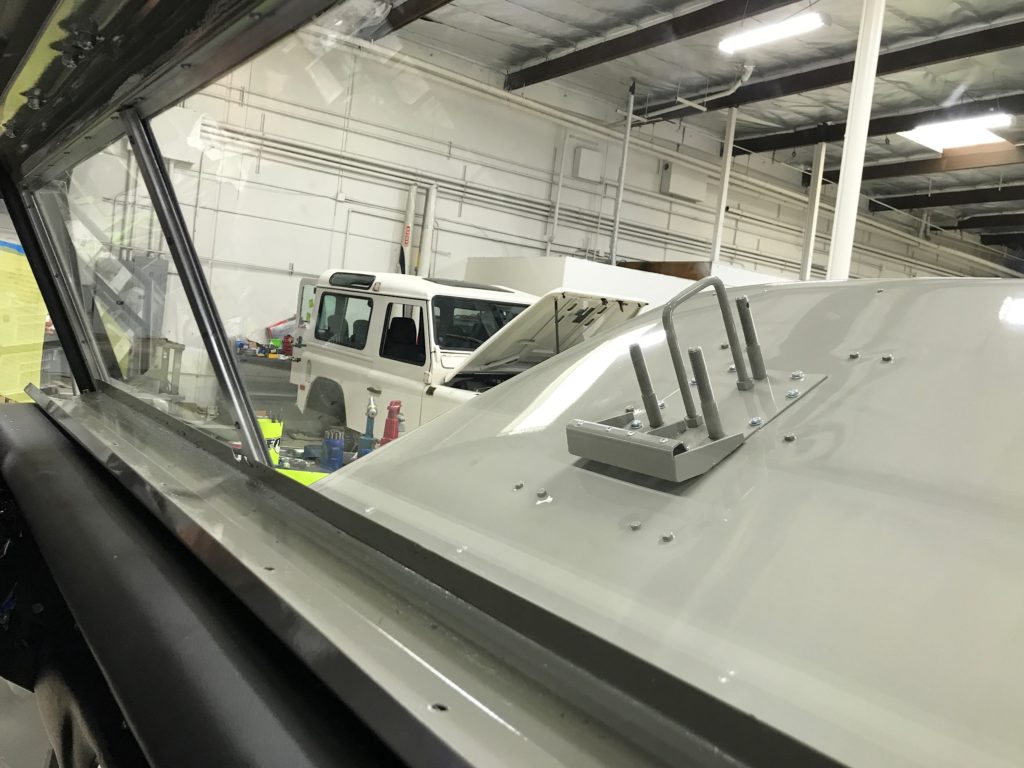
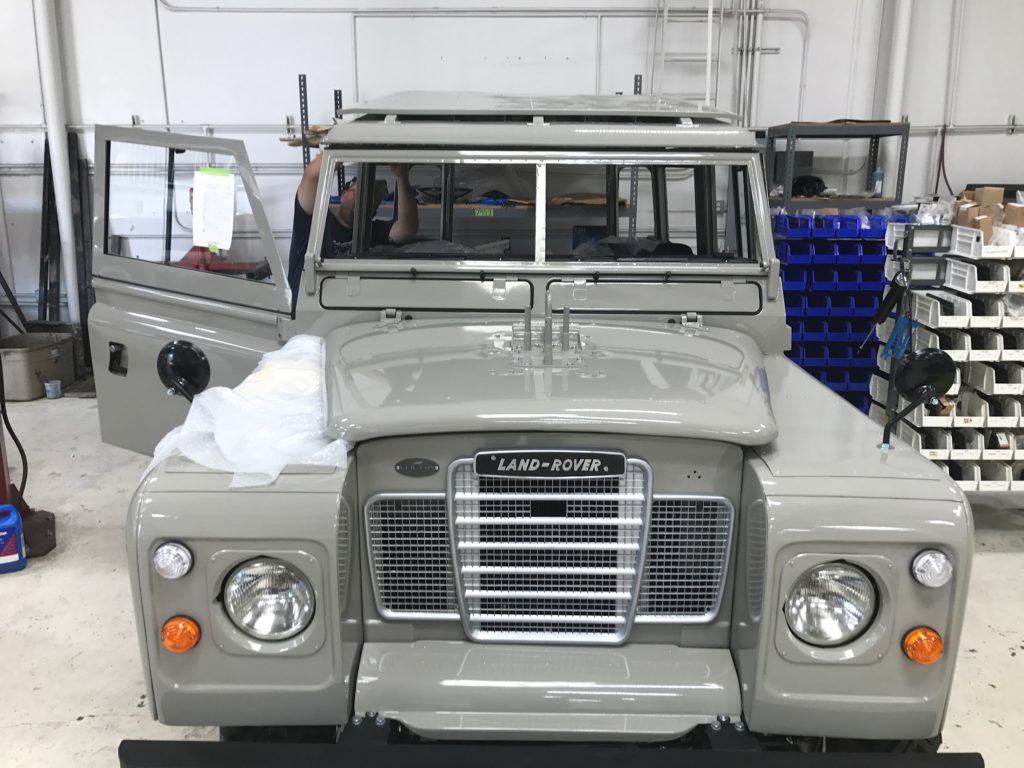
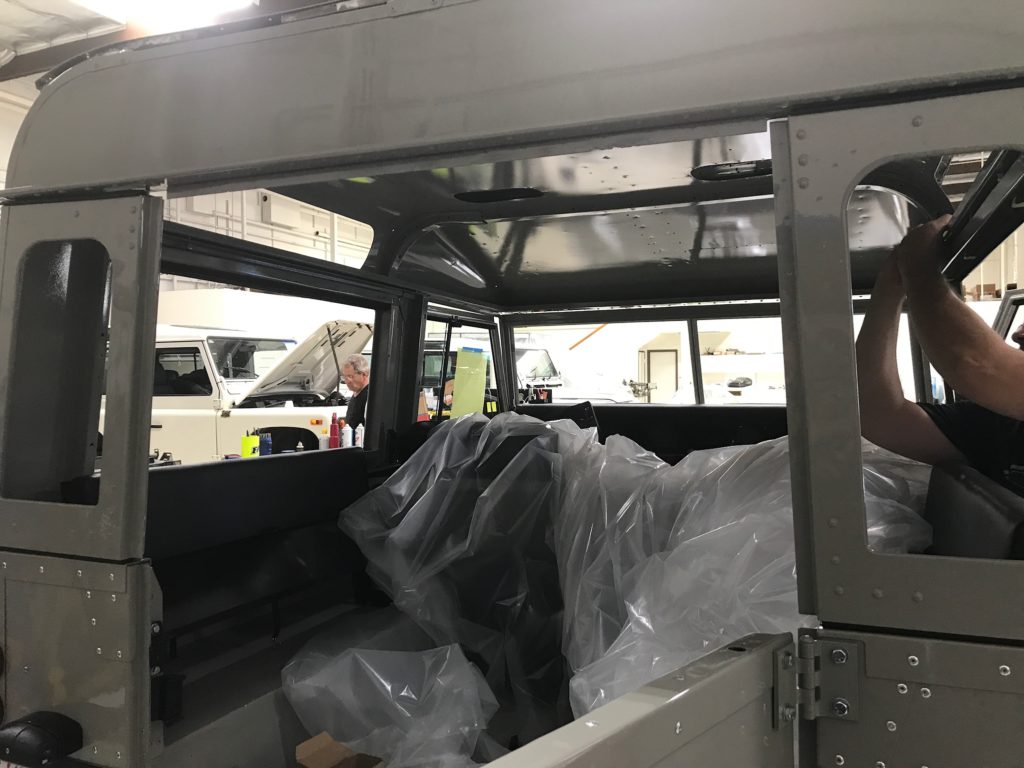
All of the original glass has been replaced with safety glass. That suggests the original glass was not safety glass!

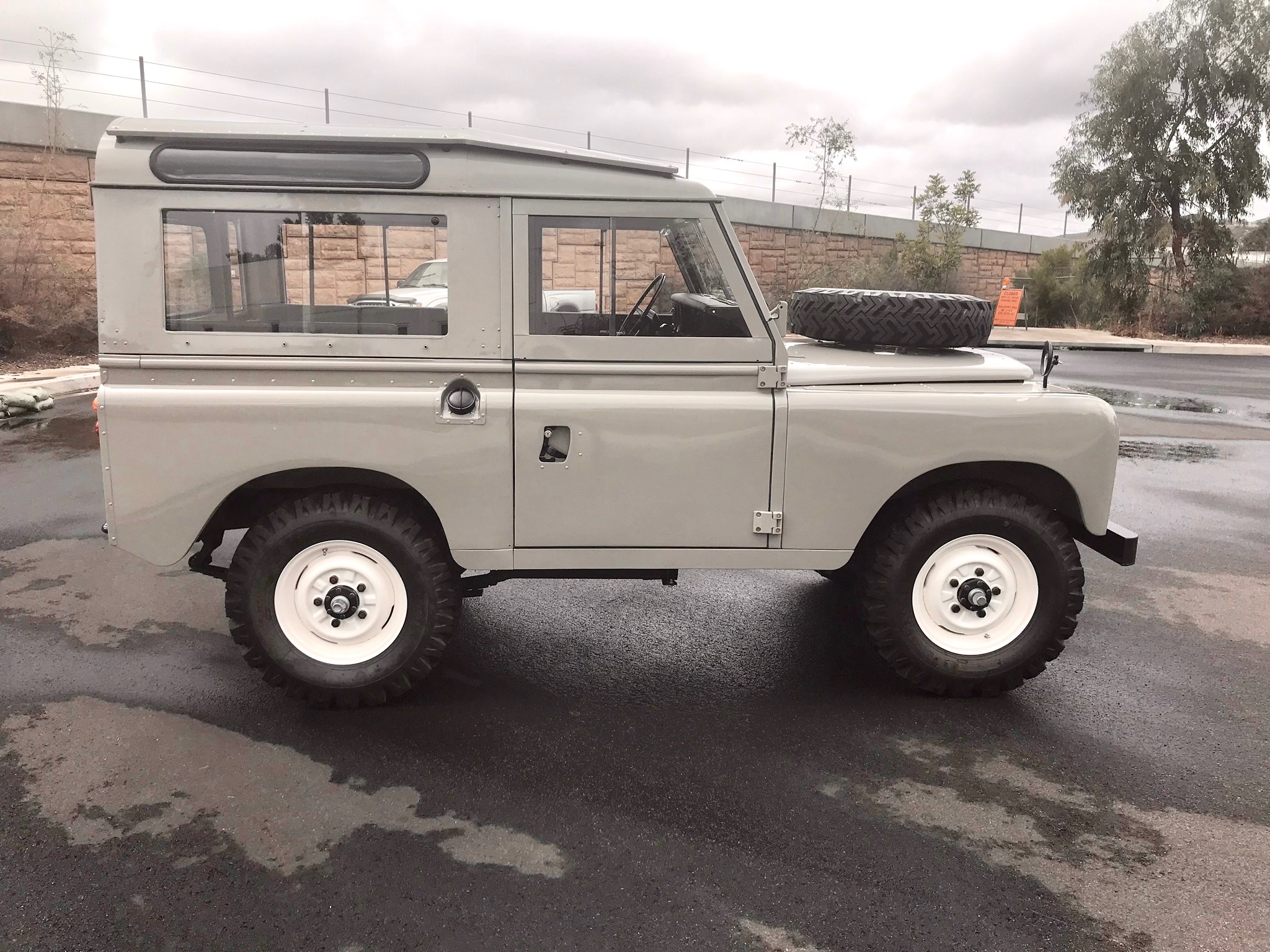
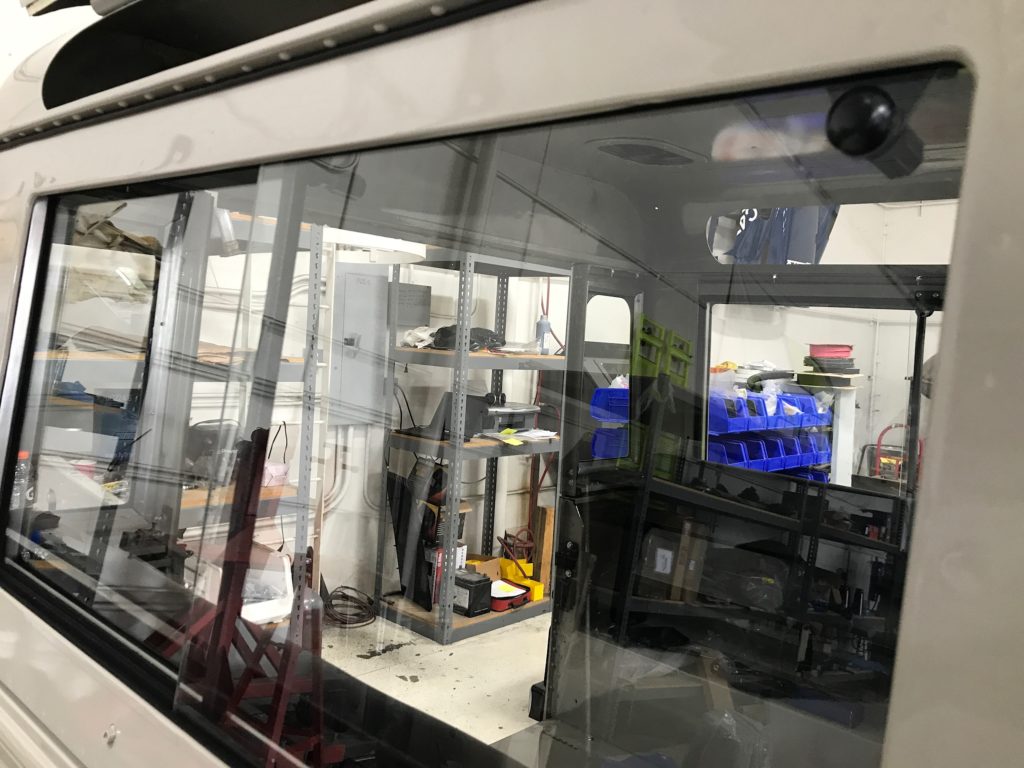
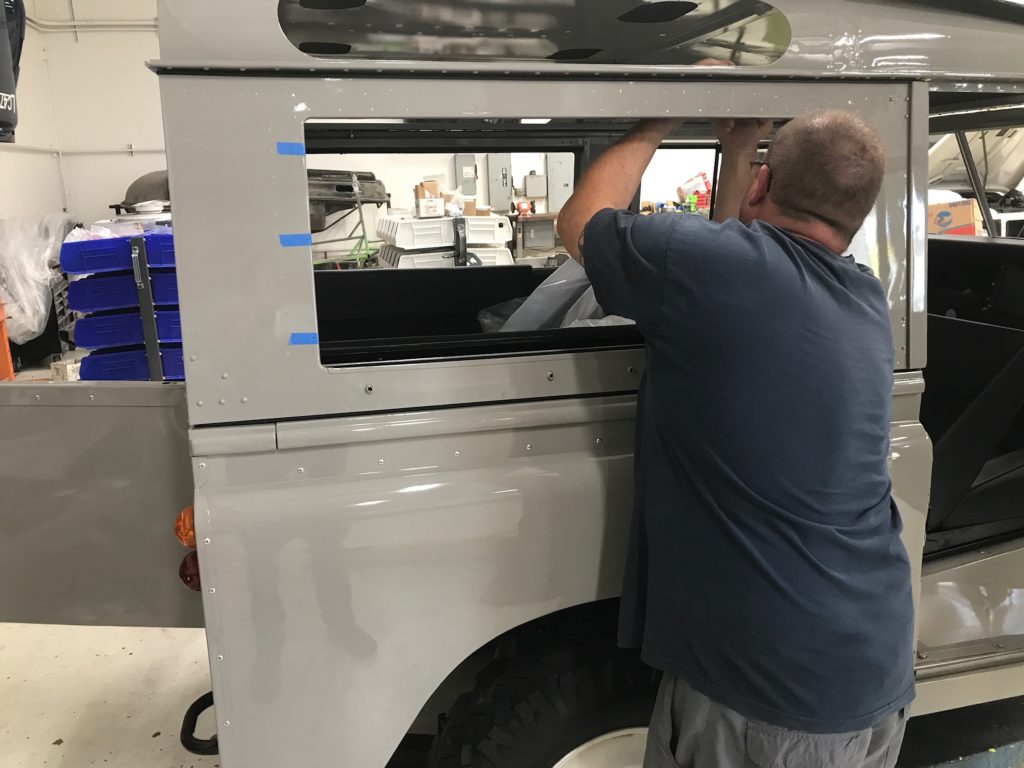
The side windows on the rear of the truck slide horizontally to open and close. Just like the side windows on the cab. Suspect sight lines might be better than the MINI.

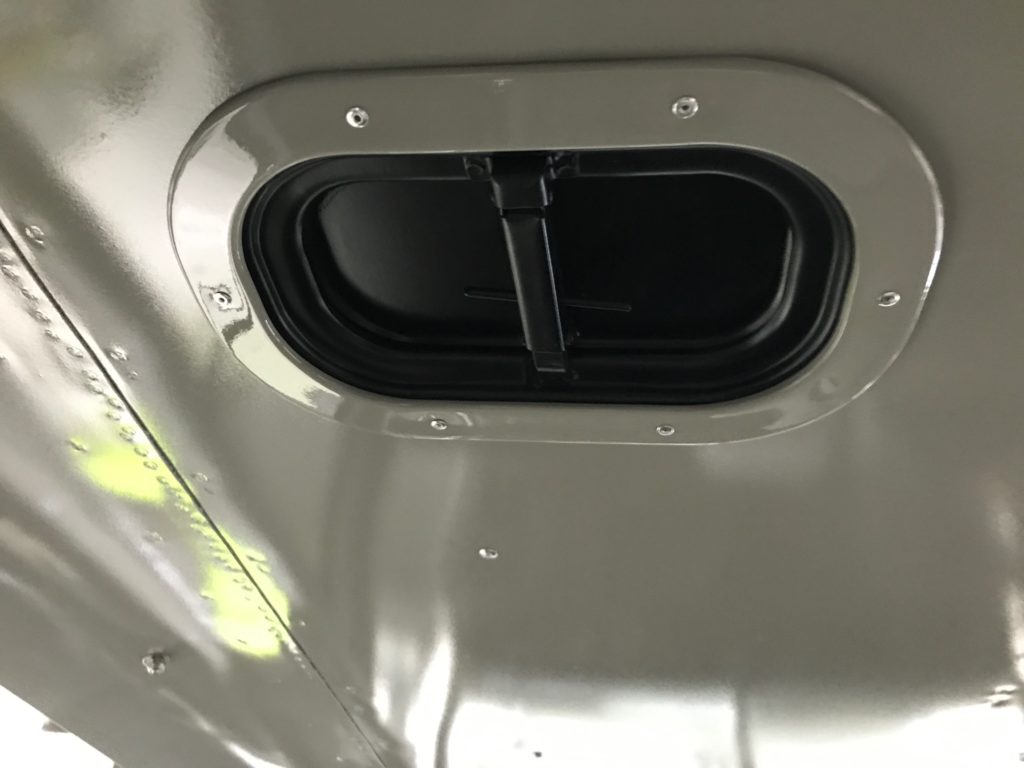
There are four vents in the ceiling of the hardtop. These can be opened and closed to control airflow that’s scooped in from the top of the truck.

Starting to look like a truck

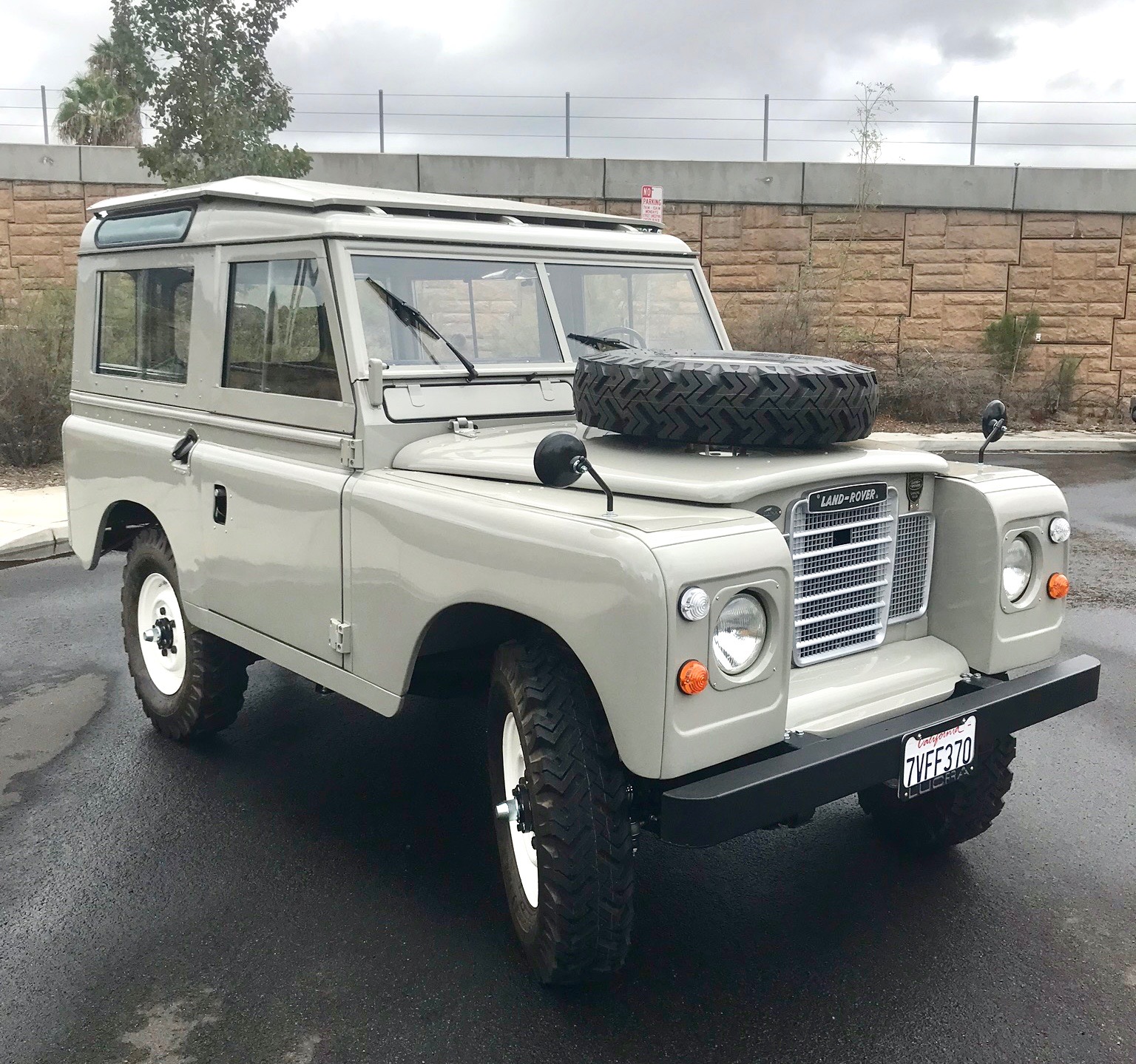
When Luke Richards started restoring this truck he was going to make it a soft top to take full advantage of the beautiful California weather. And my first thought was for a soft top, too. Missouri winters be damned! But in the end I decided to invest the extra money (and time) in a hardtop which I can remove in warmer weather. Six months on, six months off.


Can’t tell from the photo above but it looks like the seats might be in, so I’d say we’re getting close.

100 Days

Since I started my search for a Land Rover. Seems much longer. Serious time distortion. If I get the truck by October 1 it will have been 5 months from beginning to end.

What’s a clutch?

I’ve never given a thought to having a car stolen. No annoying alarm, no Club. And I’ve never owned a car that would be particularly attractive to car thieves. In a couple of months I’ll be driving a truck that might very well catch a thief’s eye. My friend George pointed out few car thieves could drive my Land Rover because it has a manual transmission. Could that be right, I wondered?

According to U.S. News and World Report “only 18 percent of U.S. drivers know how to operate a stick shift” and “only about 5 percent of vehicles sold in the U.S. today come with a stick shift. That’s down from 25 percent of cars in 1987.”

I have a little trouble picturing a car thief pushing a car unless the chop shop is around the corner. I suppose a truly sophisticated effort could involve a flat-bed truck. They’ll need to be quick about however, because my tracking device will alert me if the truck is moved.