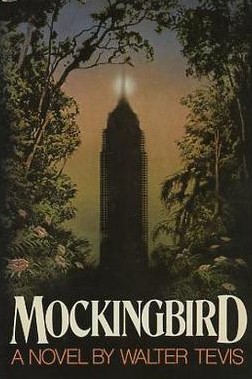
Plot summary from Wikipedia: “The novel begins hundreds of years in the future in Manhattan, where most of the buildings have been razed and its population, as with the world’s, is largely depleted. The surviving people are illiterate, and are drugged with pills that makes them apathetic and infertile. That has caused human life on the planet to gradually decline to the point of near-extinction. The surviving humans are survived by android robots, of which Spofforth is the most powerful and sophisticated. No humans have been born in many years and there are no children. Suicide by immolation is rampant, as people have nothing to live for.”
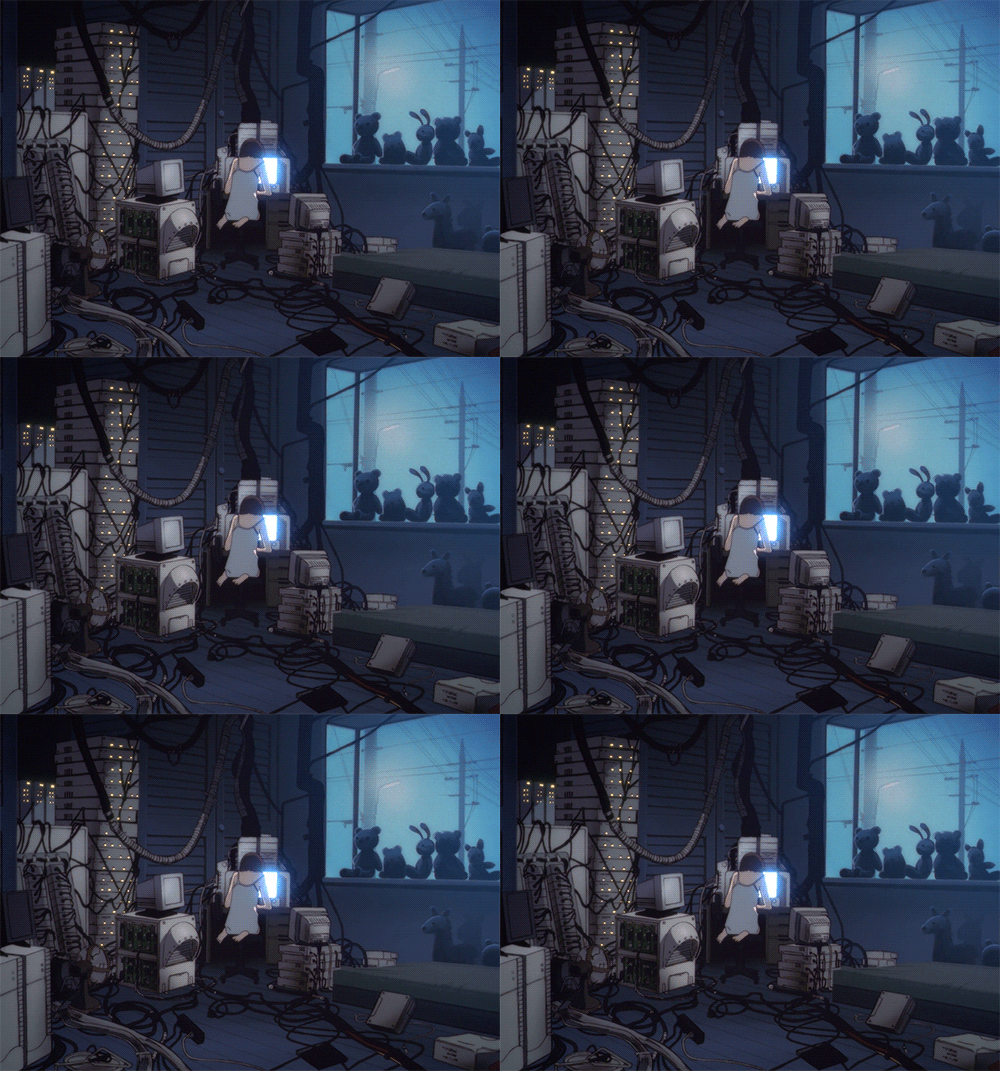
 “In the vast and cluttered factory room where he was brought into awareness his dark eyes looked around him with excitement and life. He was on a stretcher when he first experienced the power of consciousness enveloping his nascent being like a wave, becoming his being. His constricted throat gagged and then cried out at the force of it — at the force of being in the world.”
“Spofforth had been designed to live forever, and he had been designed to forget nothing. Those who made the design had not paused to consider what a life like that might be like.”
“The idea of the sequence of events and circumstances — that things had not always been the same — was one of the strange and striking things that had occurred to me as I had become aware of what I can only call the past. […] I feel that I understand a good many things since I have begun to memorize my life. You get the sense that one thing comes after another and that there is change.”
“Then he removed my handcuffs, with a surprisingly gentle touch, and had me place my right hand in the Truth Hole that sat directly in front of me. He said quietly, “For each lie you tell, a finger will be severed. Answer the judge with care.”
“And they read, hearing the voices of the living and the dead speaking to them in eloquent silence, in toucnh with a babble of human talk that must have filled the mind in a manner that said: I am human, I talk and I listen and I read.”
“Sadness. Sadness. But I will embrace the sadness, and make it a part of this life I am memorizing.”
“When the drugs and the television were perfected by the computers that made and distributed them, the cars were no longer necessary.”
“I would like to know, before I die, what it was like to be the human being I have tried to be all my life.”
“I think now that they expected something miraculous to happen when they started to hear the words from the Bible read aloud, opening up that mystery to them—the message of an inscrutable book they had learned to revere. But no miracle occurred, and they soon lost any real interest. I think that to know what those words said required an attention and a devotion that none of them possessed. They were willing to accept their stringent piety, and silence, and sexual restraints, all unthinkingly, along with a few platitudes about Jesus and Moses and Noah; they were overwhelmed, however, at the effort it would require to understand the literature that was the real source of their religion.”
“I no longer wanted to keep my mind silent, or use it as a vehicle for disconnected pleasure; I wanted to read, and think and talk.”
“My mind racing with the realization that all my notions of decency were something programmed into my mind and my behavior by computers and by robots who themselves had been programmed by some long-dead social engineers or tyrants or fools.”
“Whatever may happen to me, thank God I can read, that I have truly touched the minds of other men.”
“All of those books — even the dull and nearly incomprehensible ones — have made me understand more clearly what it means to be a human being.”
“It (the Empire State Building) is only a marker, a mute testimoney to the human ability to make things that are too big.”