70th anniversary of Land Rover

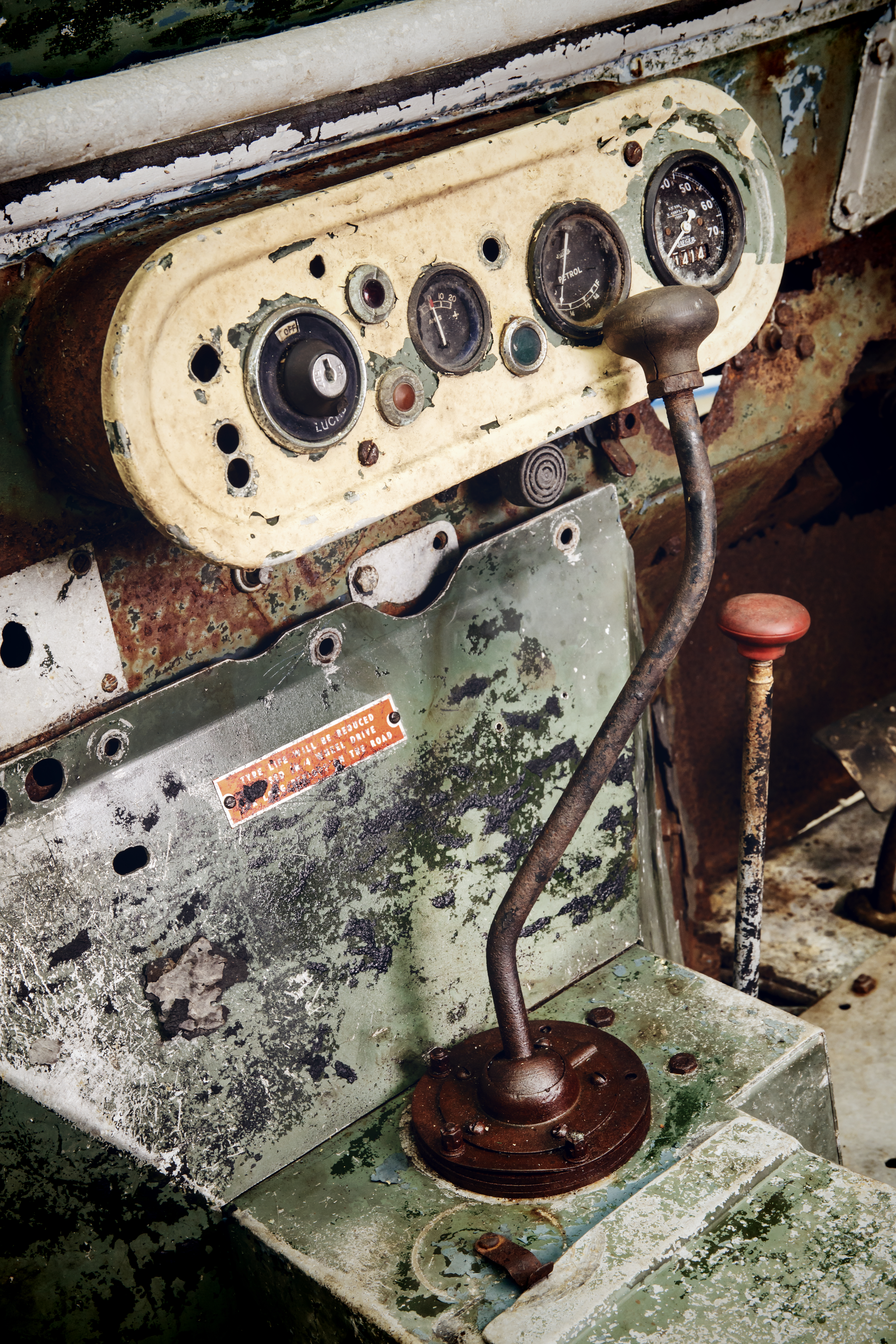
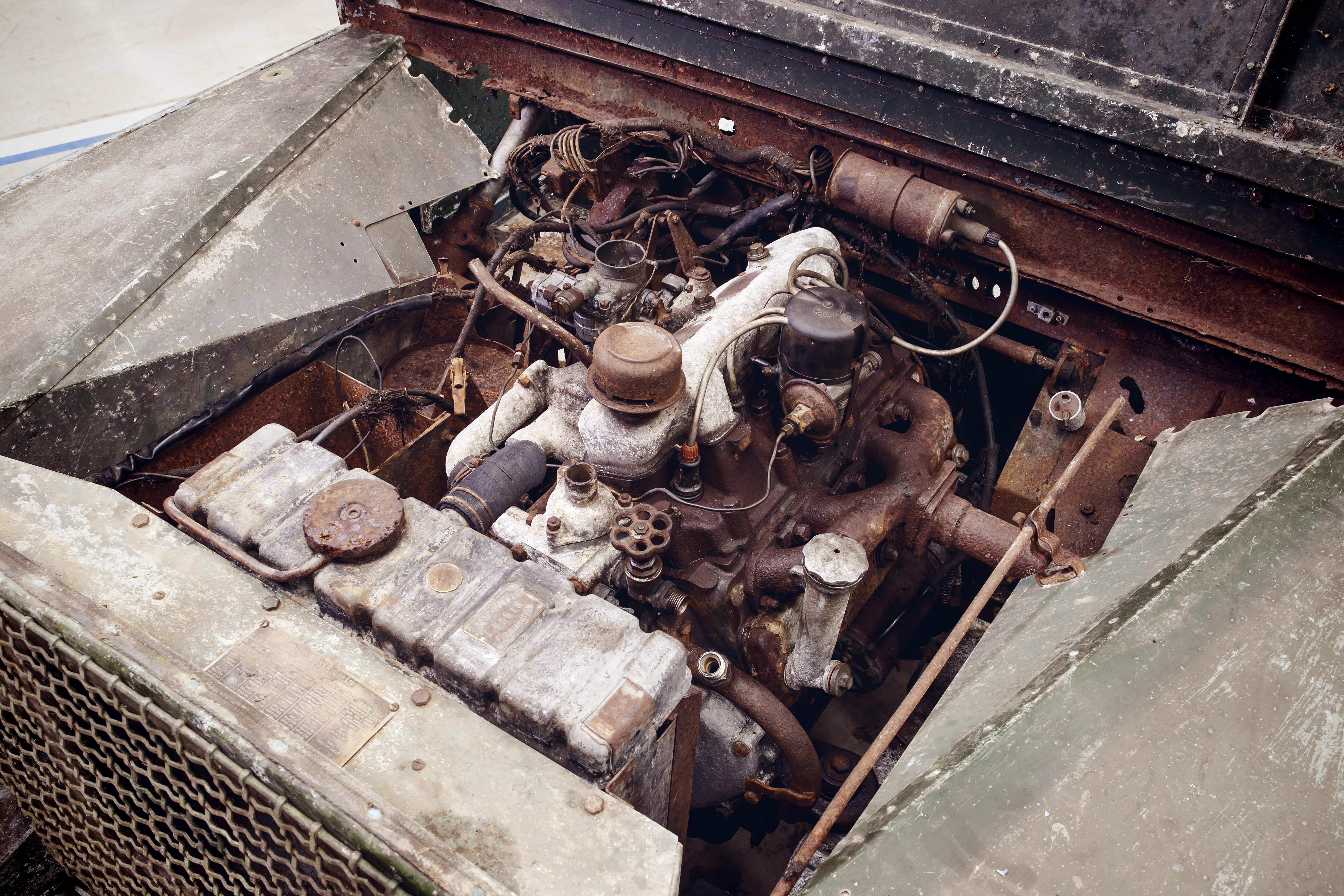
“Missing since the 1950s, this is one of the first Land Rover’s ever shown to the world in 1948. Recently rediscovered just a few miles from its Solihull birthplace in the UK, this is the world’s most historically significant unrestored Land Rover. As part of Land Rover’s 70th jubilee, the Land Rover Classic team is now beginning a sympathetic restoration to preserve it.”

Thanks to Andrew Lear.

AI in Voice Forensics

AI is now so advanced that it can reveal far more about you than a mere fingerprint. By using powerful technology to analyse recorded speech, scientists today can make confident predictions about everything from the speaker’s physical characteristics – their height, weight, facial structure and age, for example – to their socioeconomic background, level of income and even the state of their physical and mental health.

Your voice can give away plenty of environmental information, too. For example, the technology can guess the size of the room in which someone is speaking, whether it has windows and even what its walls are made of. Even more impressively, perhaps, the AI can detect signatures left in the recording by fluctuations in the local electrical grid, and can then match these to specific databases to give a very good idea of the caller’s physical location and the exact time of day they picked up the phone.

One of the leading scientists in this field is Rita Singh of Carnegie Mellon University’s Language Technologies Institute. Interview with Ms. Singh

The world was running out of cassette tape

Although the birth and growth of audio cassettes began in the 1960s, its cultural moment took place during the 1970s and 1980s as a more effective, convenient and portable way of listening to music.

By the time I started working at KBOA in 1972, portable cassette players were finally starting to get affordable. Instead of having to coax people into a studio to do an interview we could not take a cassette recorder into “the field” and get the interview with “nat(ural) sound.” It was wonderful.

Cassette audio tapes were a part of my life for the next 30 years. During my years at the station and later — at a regional news network company — we bought a lot of audio tape cartridges from a company in Springfield, Missouri, called National Audio Company. A former coworker sent me the story below. A few excerpts:

Nobody has made audio cassette tape in this country since about 1983 or 1984. […] National Audio is set to begin production this month, having rescued a 62-foot tape-coating line weighing 20 tons from obscurity. Its former owner had converted it into a machine for making credit-card strips. […] Soon, the tape coater will be back to its original purpose, after many months of reassembly and testing. It will crank out 20,000 feet of tape per minute.

If you have (as I do) fond memories of audio cassette tapes, I think you’ll find this story worth a read.


How Actual Smart People Talk About Themselves

James Fallows on the traits very intelligent people:

“They all know it. A lifetime of quietly comparing their ease in handling intellectual challenges—at the chess board, in the classroom, in the debating or writing arena—with the efforts of other people gave them the message.”

“Virtually none of them (need to) say it. There are a few prominent exceptions, of talented people who annoyingly go out of their way to announce that fact. Muhammad Ali is the charming extreme exception illustrating the rule: He said he was The Greatest, and was. Most greats don’t need to say so. It would be like Roger Federer introducing himself with, “You know, I’m quite graceful and gifted.” Or Meryl Streep asking, “Have you seen my awards?”

“They know what they don’t know. This to me is the most consistent marker of real intelligence. The more acute someone’s ability to perceive and assess, the more likely that person is to recognize his or her limits. These include the unevenness of any one person’s talents; the specific areas of weakness—social awkwardness, musical tin ear, being stronger with numbers than with words, or vice versa; and the incomparable vastness of what any individual person can never know. To read books seriously is to be staggered by the knowledge of how many more books will remain beyond your ken. It’s like looking up at the star-filled sky.”

George Tergin YouTube how-to videos

There is a YouTube video showing how to do just about any task or repair. Some of these are very well done and some are not. Because it is so easy to record a video and upload it to YouTube, there are some really bad ones. The two videos below are excellent and all the more so because they are first time videos. The two-part video demonstrates how to rebuild the diesel injector for a Ford 7.3 liter engine.


–

George Tergin is a local auto mechanic and businessman. He’s a regular at the coffee shop where I hang out and has been advising me on matters Land Rover related.

The production values in these videos are really good. The sound is perfect; lighting very good considering the video was recorded at a workbench in his shop; George’s presentation was clear, concise and easy-to-follow. Really hard to believe he has never done one of these. There were some nice small touches like speeding up screw tightening.

Rebuilding a diesel fuel injector seems pretty technical to me. Lots of little springs and rings and everything has to be put together just so. Making this seem simple in a how-to video is a very good trick. Especially on your first try. Bravo George. (And those who helped you)