
I begged the photographer (one of those retro places you see at tourist traps) to let me be a rugged fence-mendin’, doggie-punchin’ cowboy but he insisted I didn’t have the face for it. Said I was more of the Brett Maverick type. Sigh.

I begged the photographer (one of those retro places you see at tourist traps) to let me be a rugged fence-mendin’, doggie-punchin’ cowboy but he insisted I didn’t have the face for it. Said I was more of the Brett Maverick type. Sigh.


Don and Suzy Akers performing with their band, Scandal, at the Shilo Lounge in Kennett, Missouri. July 1981
“I am pro-abortion like I’m pro-knee-replacement and pro-chemotherapy and pro-cataract surgery. As the last protection against ill-conceived childbearing when all else fails, abortion is part of a set of tools that help women and men to form the families of their choosing. I believe that abortion care is a positive social good. I suspect that a lot of other people secretly believe the same thing. And I think it’s time we said so.”
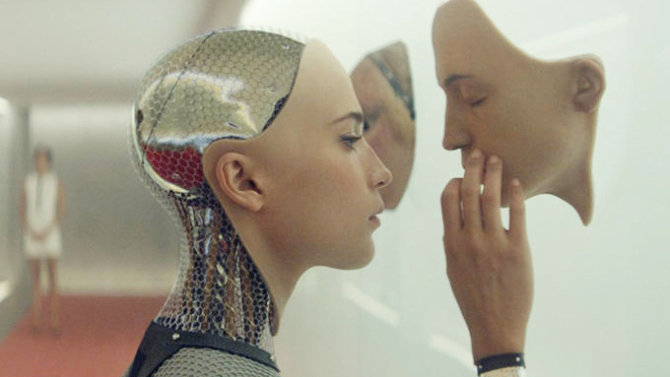 Golly. I don’t know where to begin. I really enjoyed the film Ex Machina but that tells you next to nothing. Certainly the best treatment of AI I’ve seen on screen. There were a few moments reminiscent of Blade Runner. When Rachael realized her childhood memories were implanted; when Roy went to see his creator, Dr. Tyrell. But I found this a fresh and thought-provoking story.
If you’re that guy that kept pointing out why the flux capacitor was just a made up thing and couldn’t be used for time travel, yeah, you’ll probably find lots of _flaws_ in the tech of this movie. And now you know why it took you sooo long to get laid. Given half a chance, I’m quite willing to suspend my disbelief and did so for this movie.
What does it mean to be almost but not quite human? When we have the technology, will we be able to scrape enough ‘goodness’ to create beings better than ourselves?
When I’m really absorbed in a story I sometimes forget to breath for a few seconds. I was a little light headed by the end of Ex Machina.
“In today’s Arab world, it’s not religiosity that is mandatory; it’s the appearance of it.”
“Religion is a form of surveillance. It’s not about God; it’s about the power wielded by those who act in his name.” Habib, Willoughby, and many others have switched to atheism as an act of rebellion. But their rebellion is less against Islam than against the abuses committed by religiously powered individuals and political systems.”
“Despite the risks and the social and political challenges they’re facing, all the atheist activists I interviewed said they were confident that the future of the Arab world belongs to secularism. Willoughby told me that “atheism is spreading like wildfire” in the Middle East. Brian Whitaker views it as “the symptom of a much bigger thing, which is the battle against oppression.”