Land Rover Update (2018)

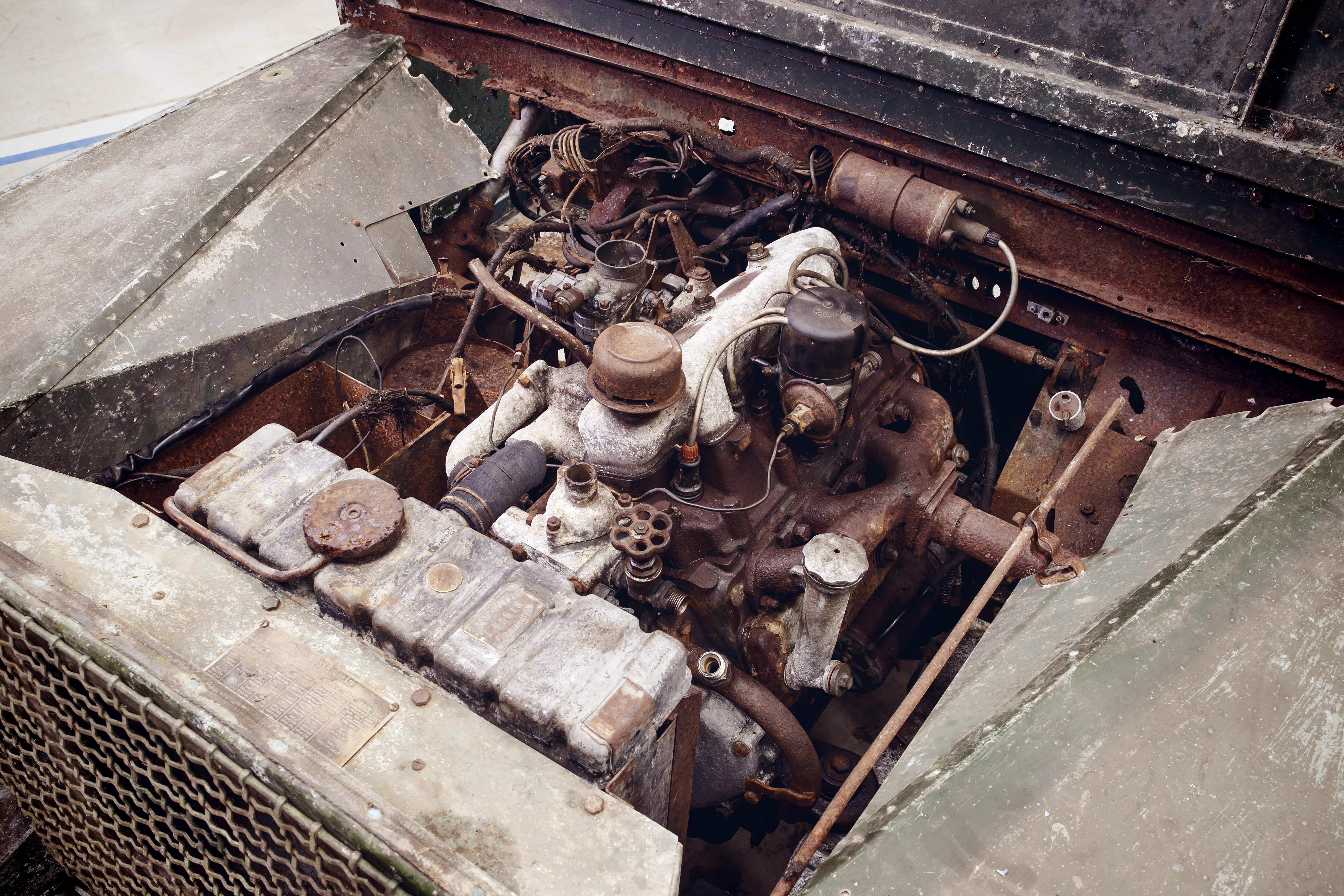
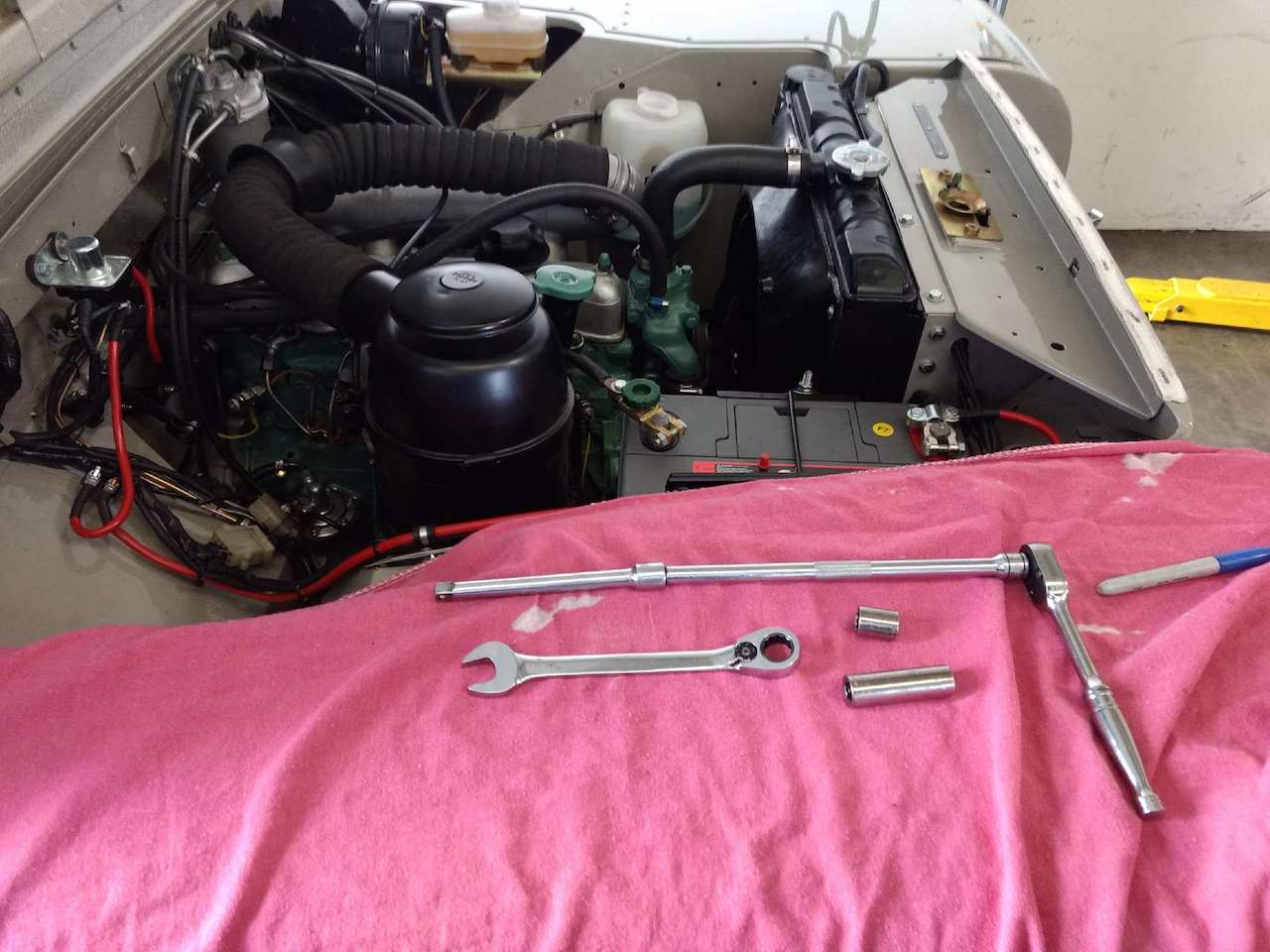
“Feeling good about the Rover right now. New injectors made a big difference, it’s running smoother and making more power. Many hours of fiddling with the injection pump may have paid off, better cold start and less smoke.”

The Land Rover project is about three months behind schedule, to the extent there was ever a schedule. The 2.25 liter diesel engine simply wasn’t performing the way Mr. Wolf thought it should. Too much smoke. Just not right. Until today the working assumption was a problem with the o-rings on the injectors.

“The ones that were in there originally seemed like they weren’t big enough (not a tight fit) but everything else I could find wouldn’t allow the injector to fit in the bore. Given that the actual injector seal is accomplished by a copper sealing washer AND an aluminum crush-washer, I think the o-ring is really only there to keep debris from falling in. Therefore I’m thinking that the slightly loose fit is actually just fine, but I’m open to being proven wrong. So I reassembled it with the old o-rings.”

Whether or not I’ll be able to find someone to keep a 40 year old diesel engine running well enough to make the Land Rover an everyday truck remains to be seen. Which is why Mr. Wolf is going to such great pains to get the engine right before he send the truck my way. But this has always been more about fun than easy.
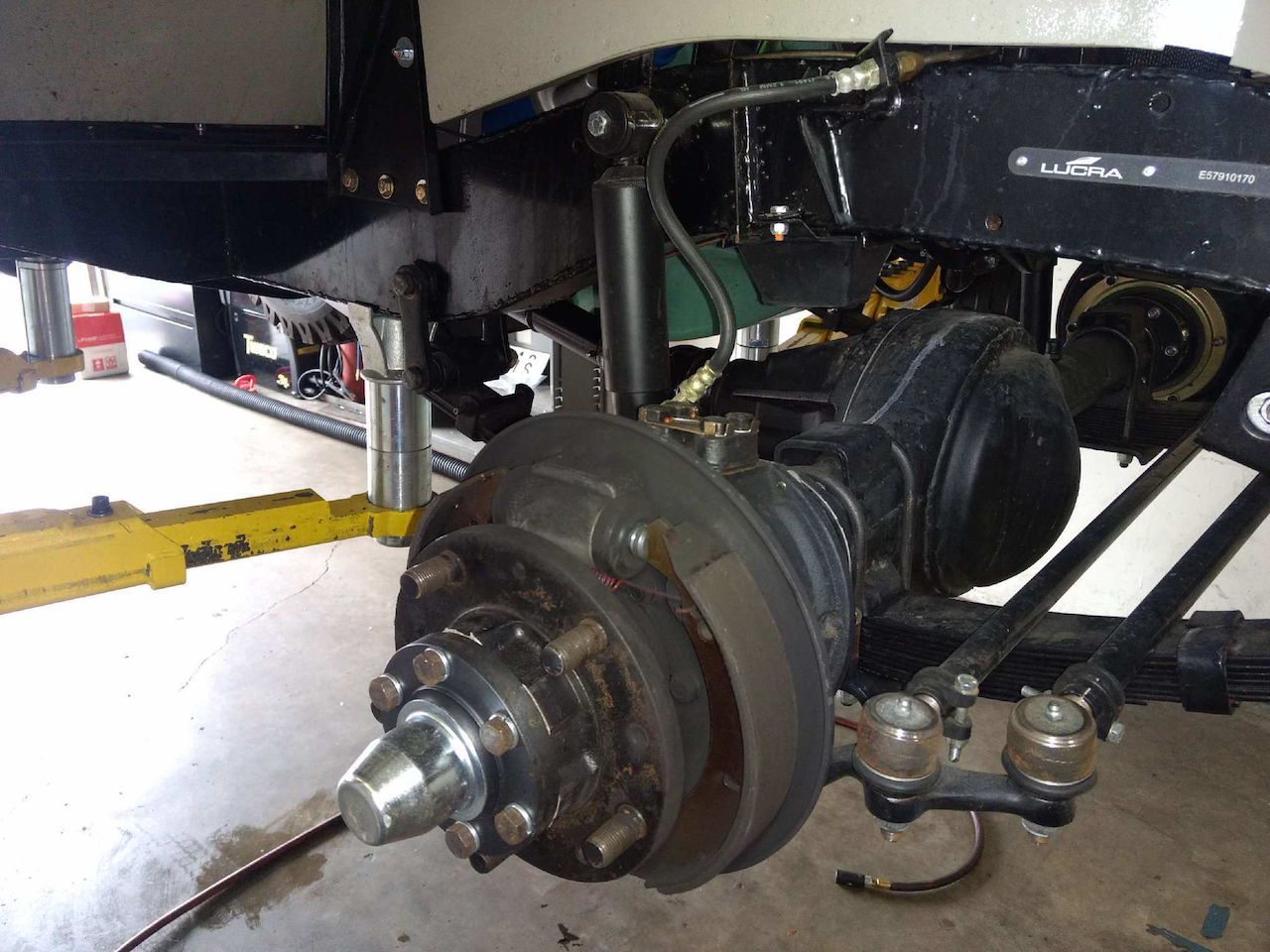
It’s been a long time since I drove a car (or truck) without power steering or brakes. The Land Rover has neither and I’ve been told it’s like learning to drive all over again. With that in mind, Mr. Wolf is giving extra attention to the brakes on my truck. Adjusting drum brakes is something of an art, I’m told.
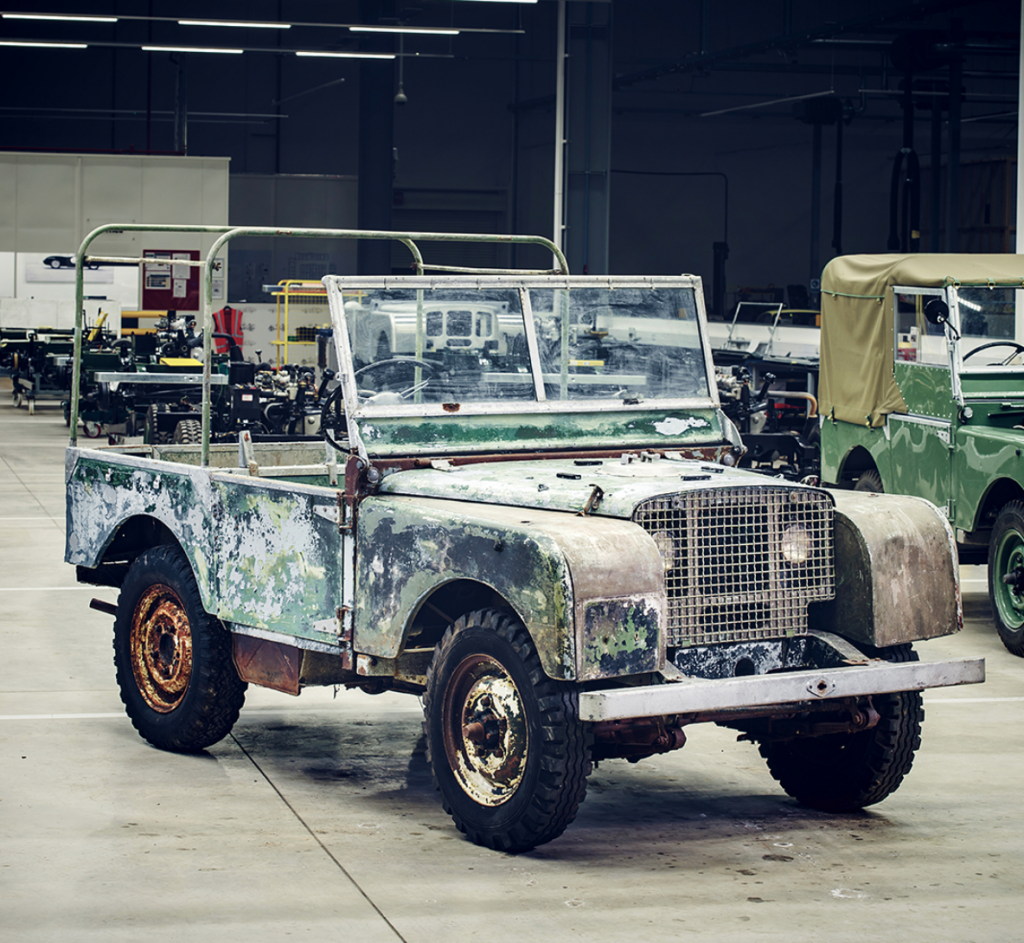
70th anniversary of Land Rover

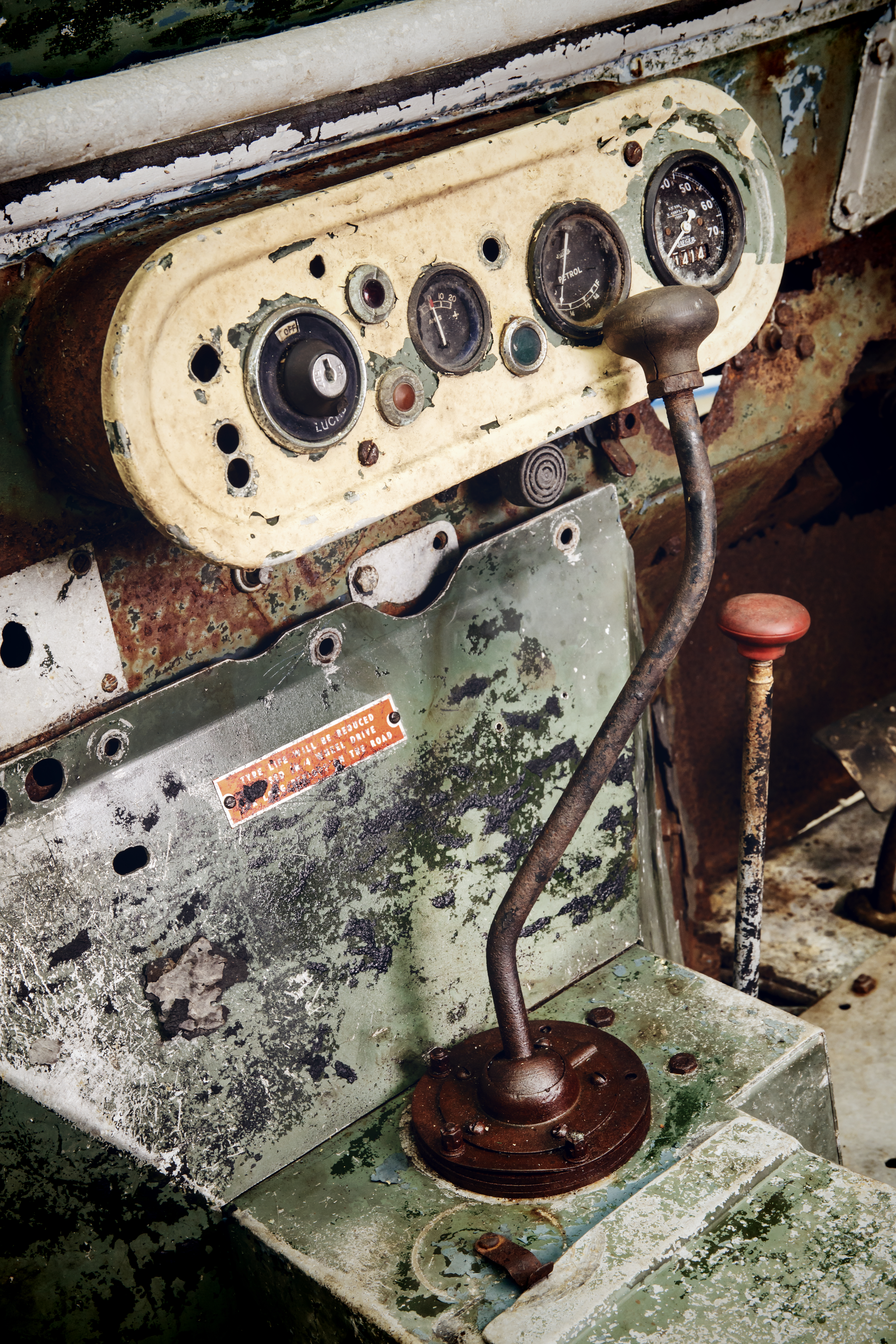
“Missing since the 1950s, this is one of the first Land Rover’s ever shown to the world in 1948. Recently rediscovered just a few miles from its Solihull birthplace in the UK, this is the world’s most historically significant unrestored Land Rover. As part of Land Rover’s 70th jubilee, the Land Rover Classic team is now beginning a sympathetic restoration to preserve it.”

Thanks to Andrew Lear.

AI in Voice Forensics

AI is now so advanced that it can reveal far more about you than a mere fingerprint. By using powerful technology to analyse recorded speech, scientists today can make confident predictions about everything from the speaker’s physical characteristics – their height, weight, facial structure and age, for example – to their socioeconomic background, level of income and even the state of their physical and mental health.

Your voice can give away plenty of environmental information, too. For example, the technology can guess the size of the room in which someone is speaking, whether it has windows and even what its walls are made of. Even more impressively, perhaps, the AI can detect signatures left in the recording by fluctuations in the local electrical grid, and can then match these to specific databases to give a very good idea of the caller’s physical location and the exact time of day they picked up the phone.

One of the leading scientists in this field is Rita Singh of Carnegie Mellon University’s Language Technologies Institute. Interview with Ms. Singh

The world was running out of cassette tape

Although the birth and growth of audio cassettes began in the 1960s, its cultural moment took place during the 1970s and 1980s as a more effective, convenient and portable way of listening to music.

By the time I started working at KBOA in 1972, portable cassette players were finally starting to get affordable. Instead of having to coax people into a studio to do an interview we could not take a cassette recorder into “the field” and get the interview with “nat(ural) sound.” It was wonderful.

Cassette audio tapes were a part of my life for the next 30 years. During my years at the station and later — at a regional news network company — we bought a lot of audio tape cartridges from a company in Springfield, Missouri, called National Audio Company. A former coworker sent me the story below. A few excerpts:

Nobody has made audio cassette tape in this country since about 1983 or 1984. […] National Audio is set to begin production this month, having rescued a 62-foot tape-coating line weighing 20 tons from obscurity. Its former owner had converted it into a machine for making credit-card strips. […] Soon, the tape coater will be back to its original purpose, after many months of reassembly and testing. It will crank out 20,000 feet of tape per minute.

If you have (as I do) fond memories of audio cassette tapes, I think you’ll find this story worth a read.