
Low water bridge following today’s rain
Rain or Shine
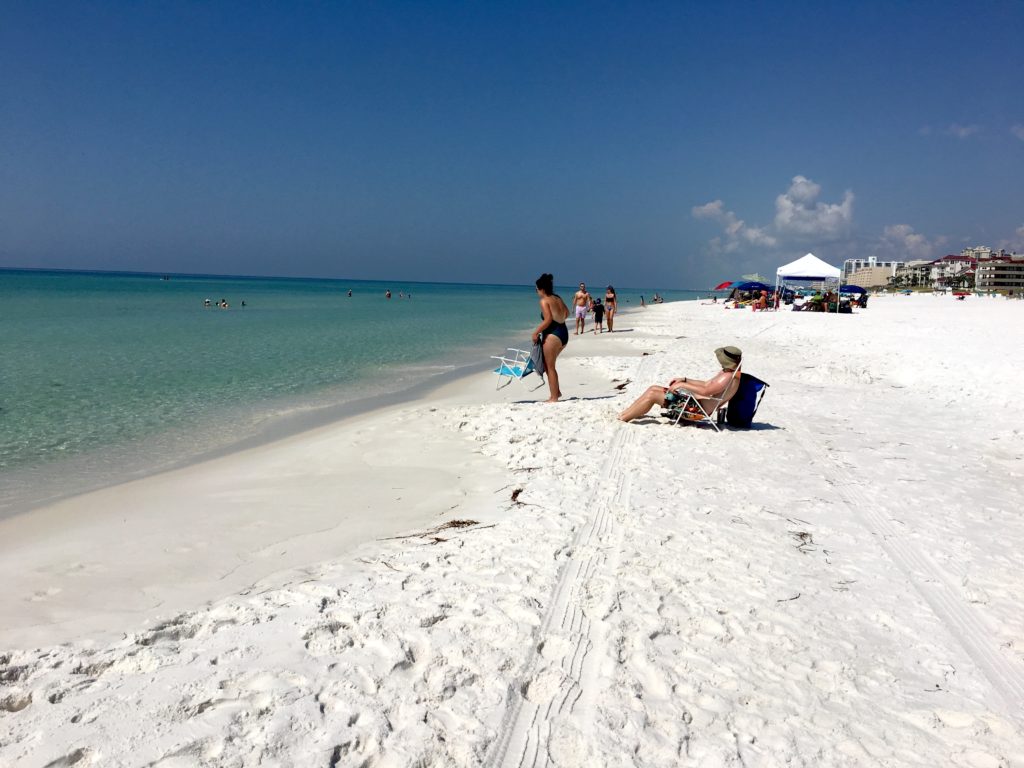
Barb is soaking up the sun in Destin while here at home we’re just soaking. Always happy to have rain.
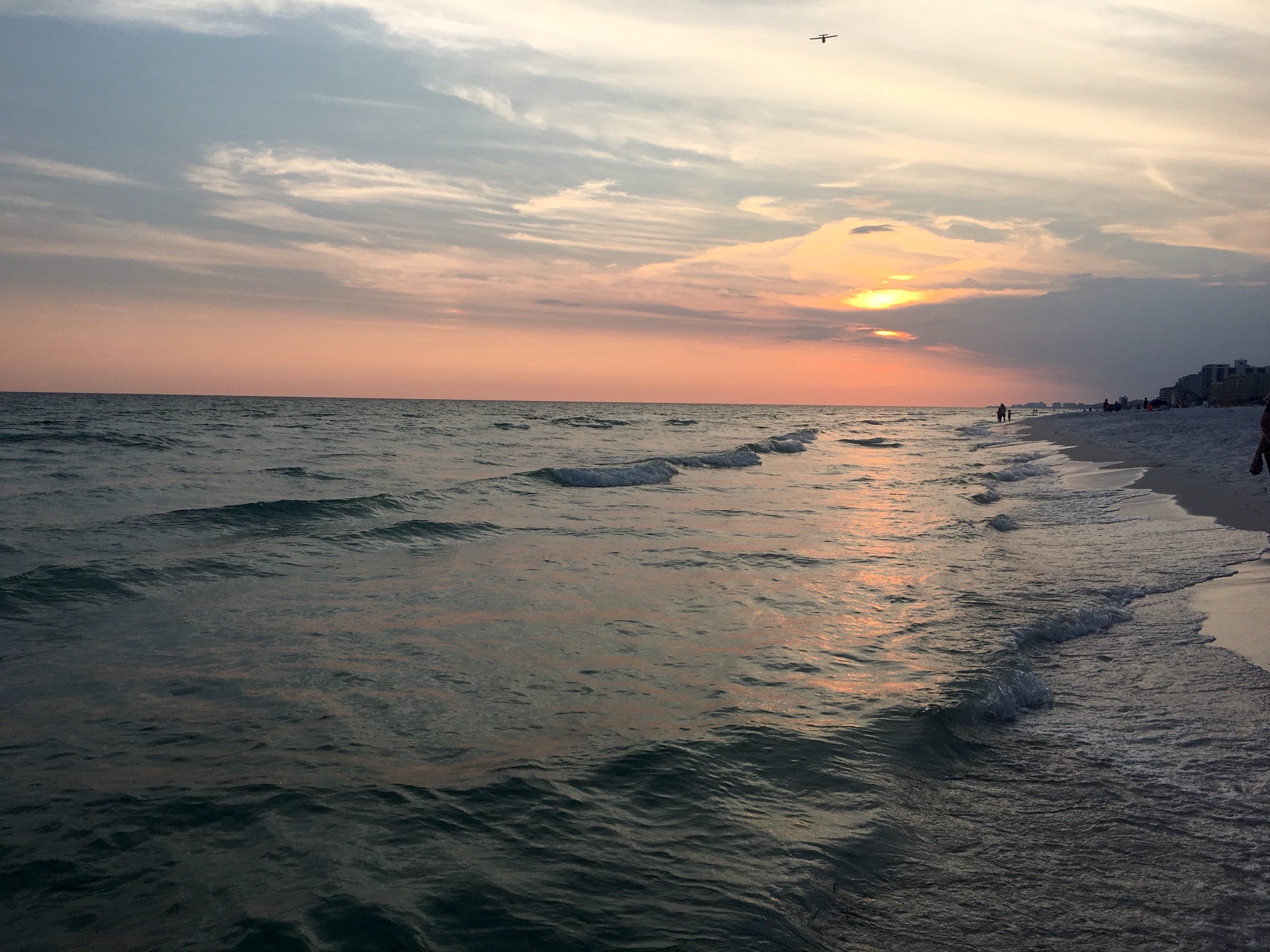
And she closes out a beautiful day at the beach this a lovely sunset.
The Vietnam War
Watched the first episode (of 10) of The Vietnam War, a film by Ken Burns & Lynn Novick. It clearly showed how world events and U.S. politics resulted in our involvement and how badly we fucked things up. I kept thinking, “Why don’t I know this?” But it was current events or much of my early life and filtered through the media propaganda machine. I don’t expect to fully understand any important event until Ken Burns and his collaborators have time to make a documentary.
The truck is about done
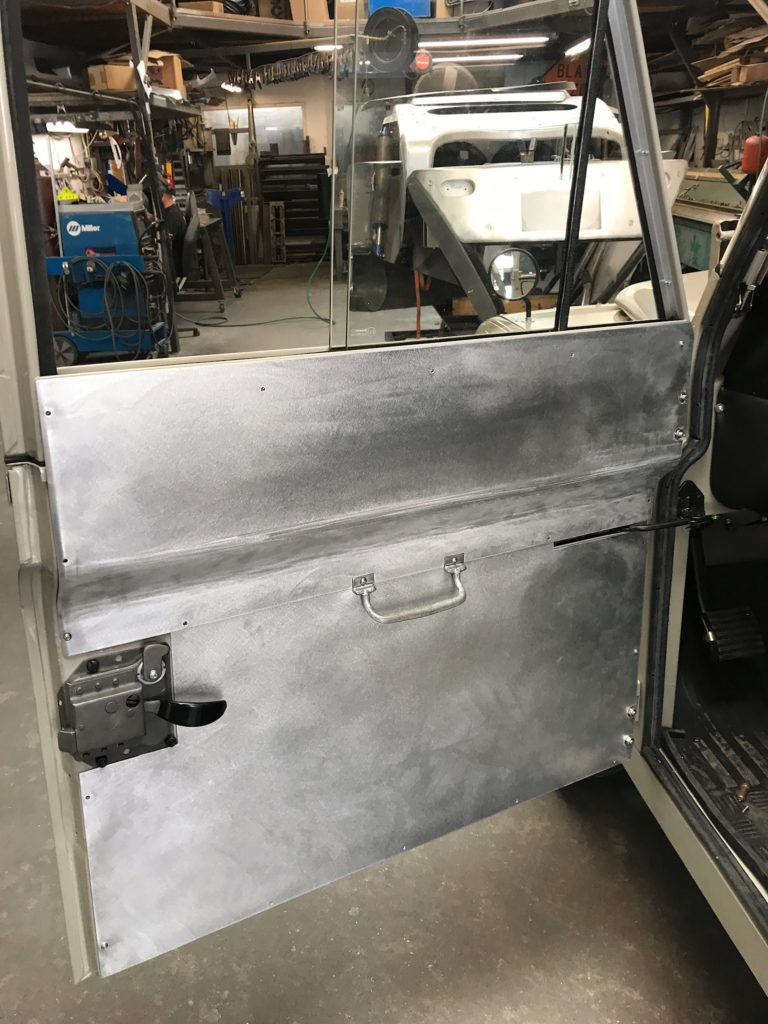
The truck is about done. It’s getting “rough coating” applied to the footwells and the tub (the rear part of the vehicle). If I understand the procedure, rough coating is sort of spray-on bedliner. Protects the metal and less slippery. The door panel below is aluminum and they said we could cover it with vinyl; paint it the color of the exterior; or rough coat it. I went with rough coat.
Barring any problems, the truck goes to SF for break-in period and I hope to have it by mid-October.
The Crossroads
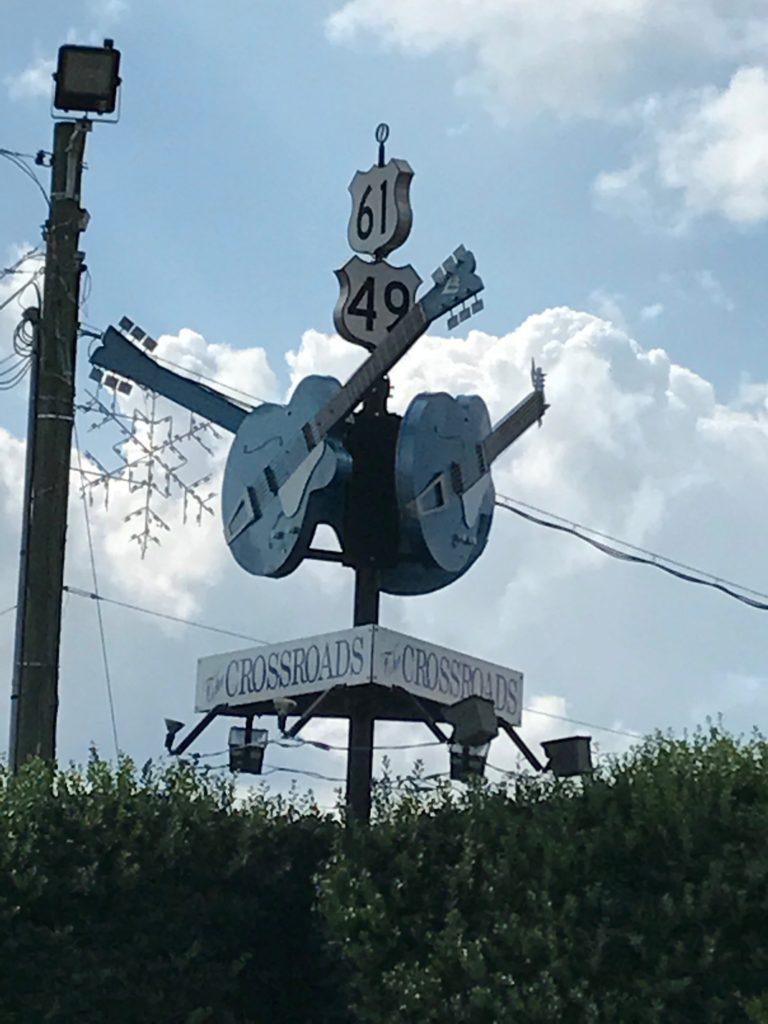
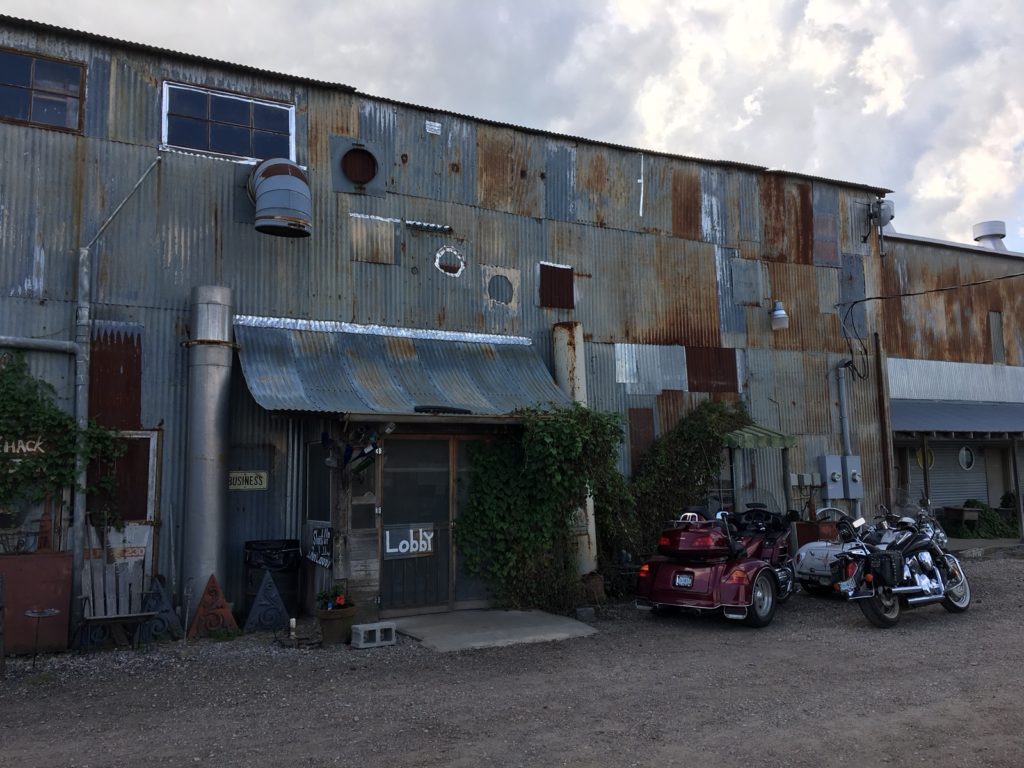
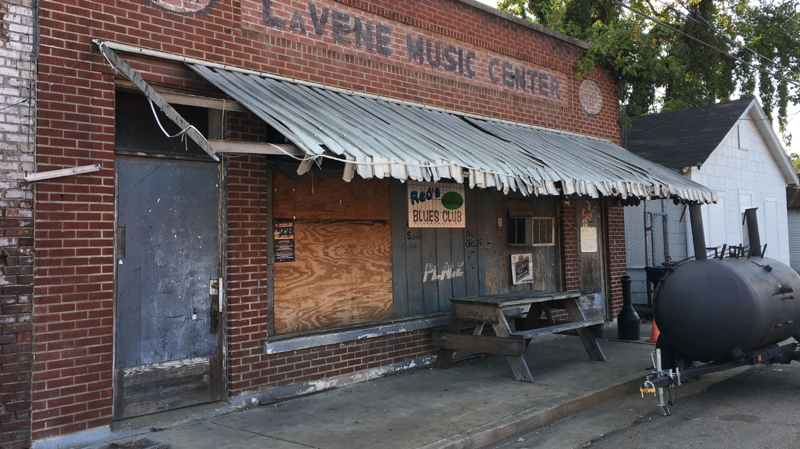
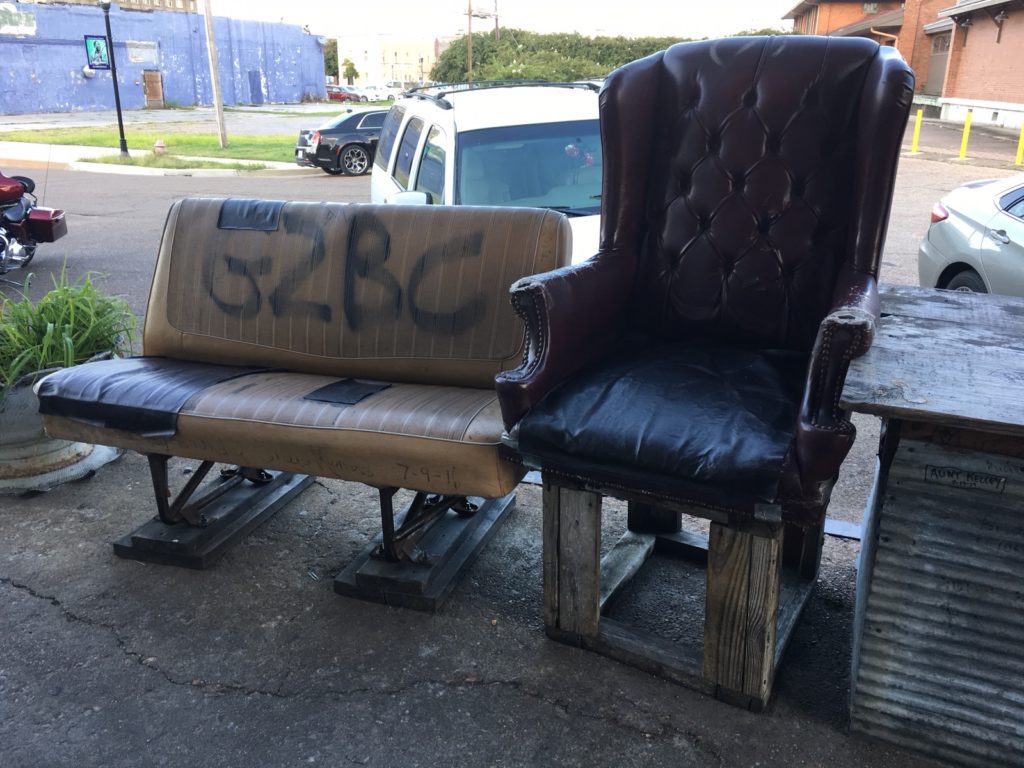
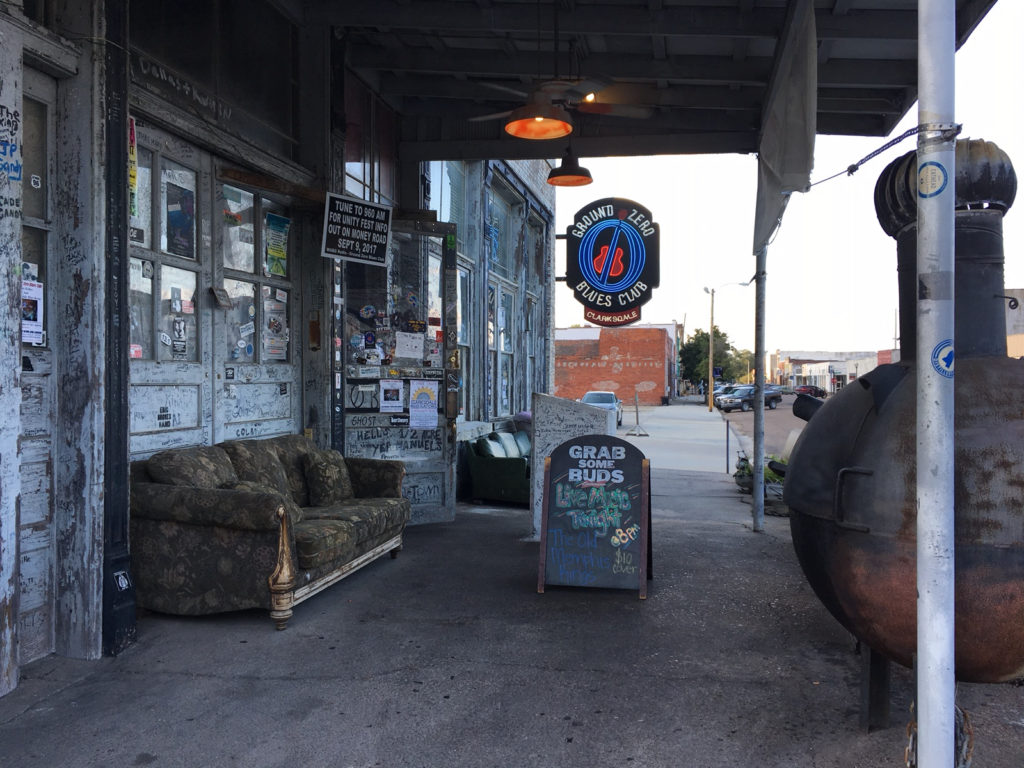
Barb and her pal Carla are headed to Destin for a week of fun+sun but they’ve stopped for the night in Clarksdale, Mississippi, to take in some blues at Red’s and Ground Zero. She knew she was back home in the Delta when two mosquito trucks went by.
Old Safe
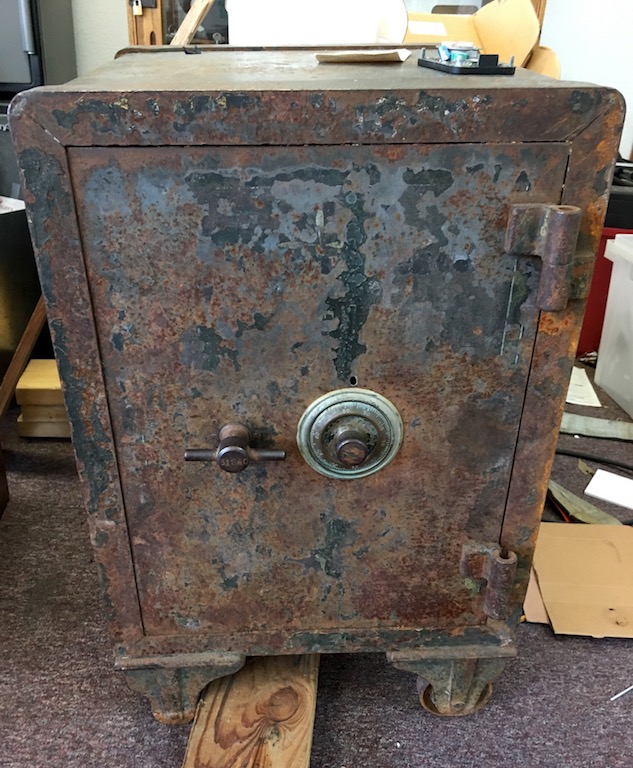 Stopped by a local locksmith this week to have a key made and spotted this old safe. It had been in someone’s barn for a while and they brought it in to have it opened to see what was inside. The locksmith drilled the safe and found what looked to me like one of the first iPods. Would love to know the story.
The Nature of Consciousness
“In this episode of the Waking Up podcast, Sam Harris speaks with Thomas Metzinger about the scientific and experiential understanding of consciousness. They also talk about the significance of WWII for the history of ideas, the role of intuition in science, the ethics of building conscious AI, the self as an hallucination, how we identify with our thoughts, attention as the root of the feeling of self, the place of Eastern philosophy in Western science, and the limitations of secular humanism.”
“Thomas K. Metzinger is full professor and director of the theoretical philosophy group and the research group on neuroethics/neurophilosophy at the department of philosophy, Johannes Gutenberg University of Mainz, Germany. He is the founder and director of the MIND group and Adjunct Fellow at the Frankfurt Institute of Advanced Studies, Germany. His research centers on analytic philosophy of mind, applied ethics, philosophy of cognitive science, and philosophy of mind. He is the editor of Neural Correlates of Consciousness and the author of Being No One and The Ego Tunnel.”
Less white and Christian than ever
Just forty years ago 81 percent of Americans identified as white and Christian, the majority (55 percent) Protestant. Today only 43 percent identity of white Christians, 30 percent claiming Protestantism.
America’s youngest groups are non-Christian: 42 percent of Muslims, 36 percent of Hindus, and 35 percent of Buddhists are under thirty.
While the old guard is aging, the religiously unaffiliated is ticking up. Fifty-eight percent consider themselves secular, with 27 percent claiming to be atheistic or agnostic. Sixteen percent state they’re religious while claiming no particular affiliation
When it comes to education, the three biggest groups of post-graduate degree holders are Unitarian-Universalists (43 percent), Hindus (38 percent), and Jews (34 percent). Researchers note that one-third of Muslims hold a four-year college degree, compared to one-quarter of white evangelical Protestants.
Source: Big Think
Credit Freeze
A couple of years ago UnitedHealthcare was hacked and customer data was compromised. The company paid for credit monitoring and fraud alert and a bunch of other (probably) worthless stuff. That was my first encounter with a “credit freeze” which I put in place with all three of the credit reporting agencies. The freeze stays in place until I lift it.
I was thinking about this in light of the Equifax cluster fuck and came across a story explaining how these work:
“Credit freezes, also known as security freezes, place a lock on access to a borrower’s credit report. With a credit freeze in place, lenders and other companies cannot view the borrower’s credit. As a result, freezes prevent the consumer from gaining access to new loans, such as credit cards and mortgages, but they also keep fraudsters from opening new accounts in that person’s name. […] Credit freezes go further than either credit monitoring or alert by making credit reports inaccessible to lenders and others who might have an interest in viewing a consumer’s credit history.”
Here’s my favorite line from the article:
“Those who sell credit freezes don’t like them much. “Freezing your credit file is an extreme step that removes you from the credit marketplace,” says Rod Griffin, director of public education with the credit bureau Experian.”
Hey, Roger? Tough titty. I can say that because I’m well past the age where credit is important. (Yes, lucky me) And a credit freeze doesn’t protect you from everything. It’s probably like The Club… the crooks just move on to an easier target.
Eventually every hacker will have every piece of personal information on every person on the planet. It will be like all baseball card collectors having every single card for every team. Nobody to trade with.
Here’s a puzzler: have you ever heard of a member of Congress having their identity hacked? I haven’t either and perhaps that’s because such a breach would be kept very quiet. I like to think that it happens. I hope it happens.