
1990 BMY Harsco M923. 5 ton, 6×6, 8.3 liter Cummins engine. (Wikipedia)
Category Archives: Cars & Trucks
Fire extinguisher for your vehicle
As The Great Truck Project draws to a close it’s time to think about what sort of tools and equipment gets to ride along (see previous post). I recently asked Mr. Wolf about fire extinguishers:
Dry chemical makes a huge mess. “Huge mess” actually doesn’t do it justice. If you discharge a dry chemical extinguisher inside a vehicle, it is a disaster. You will never get the grit and sticky junk out of the nooks and crannies. Worse yet, most (all?) dry chemical compositions are corrosive, so when it gets into the dashboard electrical bits, it ruins things. Not immediately, but over time. Is it better than just watching it burn? Sure. But most times undoing the damage done by the extinguisher takes more effort than repairing the damage done by the fire. Oh, also the powder that comes out is sort of sandy, I don’t know if it has silica in it or what, but if you spray the engine bay with it and the engine inhales the powder, major engine damage will follow.
So that leaves us with Halotron (the replacement for Halon 1211) and CO2. Both have risks (Halotron discharged in the cabin of a vehicle will suffocate you, CO2 will give you frostbite if you point it at yourself. Both scenarios seem avoidable…) CO2 is a bit cheaper to refill, and does a great job, so that’s the direction I would head.
The breadth and depth of Mr. Wolf’s knowledge continues to amaze.
Antigravity XP-10 Microstart
The Land Rover is nearly done. I know this because everything has been fixed and checked. Twice. Now it’s time to think about what goes in the truck besides me and the dogs. Things like jack, tools, tow rope, extra fuel container, etc. This is something of a challenge because the Series III is a small truck with space at a premium. When I asked Mr. Wolf if I really needed jumper cables, he suggested the Antigravity XP-10 Microstart as an alternative. I think the AAA tow truck guy had one of these but I’ve never used one. And I’ve always hated using cables.
This gizmo is about the size of a hardcover book (12x10x3) and weighs just 3.5 pounds. According to their website and a bunch of videos (almost 5,000 on YouTube), this thing will jump-start an 8 liter diesel truck (not to mention your iPhone). The built in overcharge and over-discharge protection helps avoid harming your battery.
Roxor
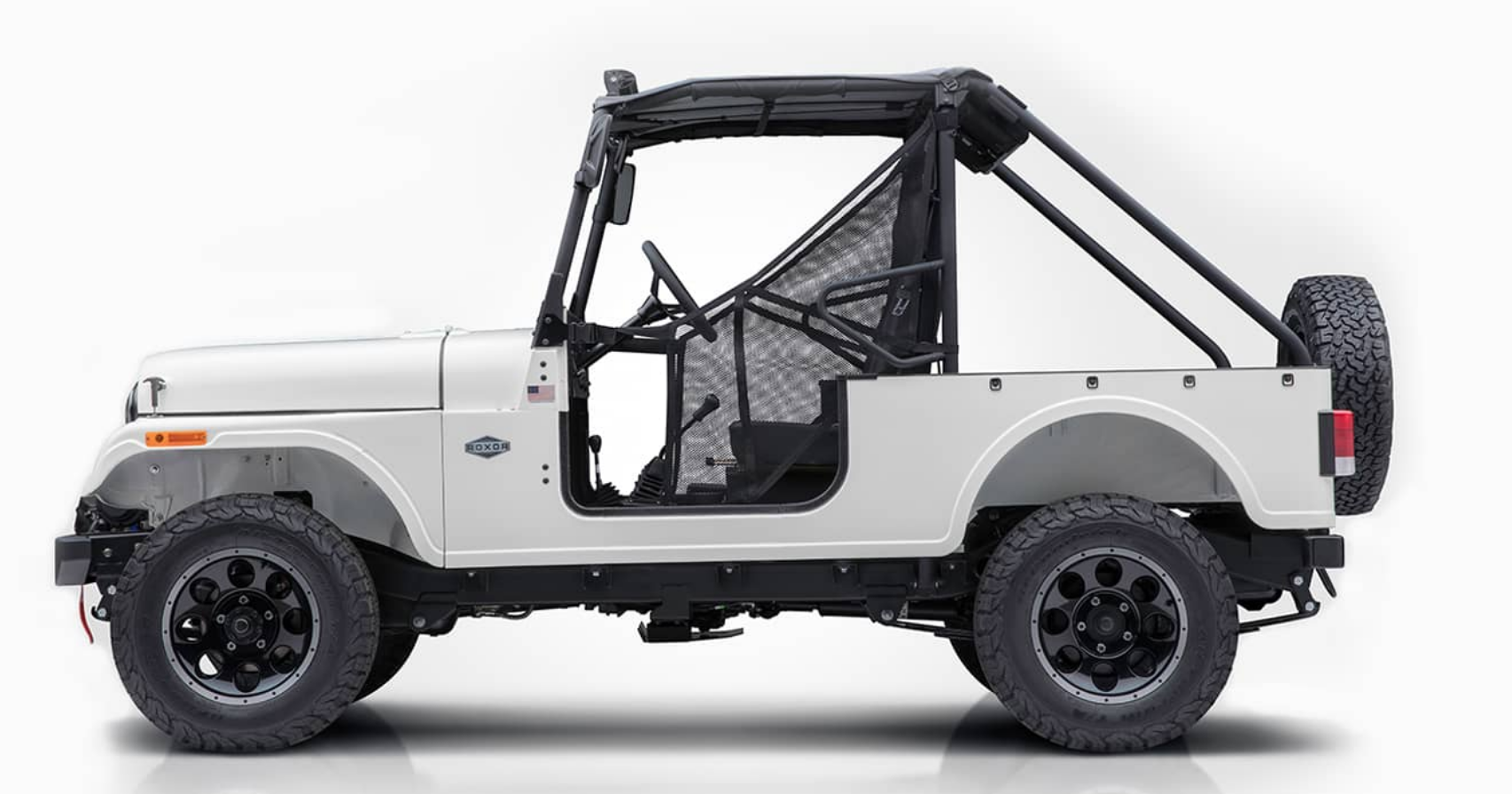
“The resemblance between the new Roxor and the classic Jeep is no accident, mind. Indeed, the company began its automotive work seven decades ago, with a license to build Willys vehicles for sale in Asia. […] Unfortunately for those swayed by the Roxor’s pleasingly-retro looks – and its $15.5k starting price – you shouldn’t expect to see it on public roads. That’s because it’s not actually road-legal: instead, it’s intended to compete in the Side x Side category (“a small 2- to 6-person four-wheel drive off-road vehicle”) and be put to work on ranches and other off-road situations.” [Slashgear]
GoPro Camera
As far back as Taxicab Confessions I remember wondering what sort of little cameras they used to get the candid video. Not GoPro cameras. In-car video has become common (Comedians In Cars Getting Coffee, Carpool Karaoke, etc) but I’d be surprised if they were using these tiny, inexpensive cameras.
I thought it might be fun to keep one of these in the Land Rover. (Don’t ask me why. If I knew when I hit the buy button it has escaped me now.) I’ve always been impressed by the quality of the videos folks got with these and propping up my iPhone never worked the well for me. The GoPro is well designed for this task.
These are really pretty amazing. I can control the camera with an app on my iPhone or even configure for voice commands. In the next few days I want to try the looping feature which is — I assume — how people get all the insane dash-cam videos.
A few people have pointed out the camera angle is too low. No doubt. The Land Rover will have many more placement options.
