There are 125 books in my ChatGPT database tagged as science fiction. I uploaded the list to ChatGPT and asked her to pick the titles she would put in the “post-apocalyptic” genre.
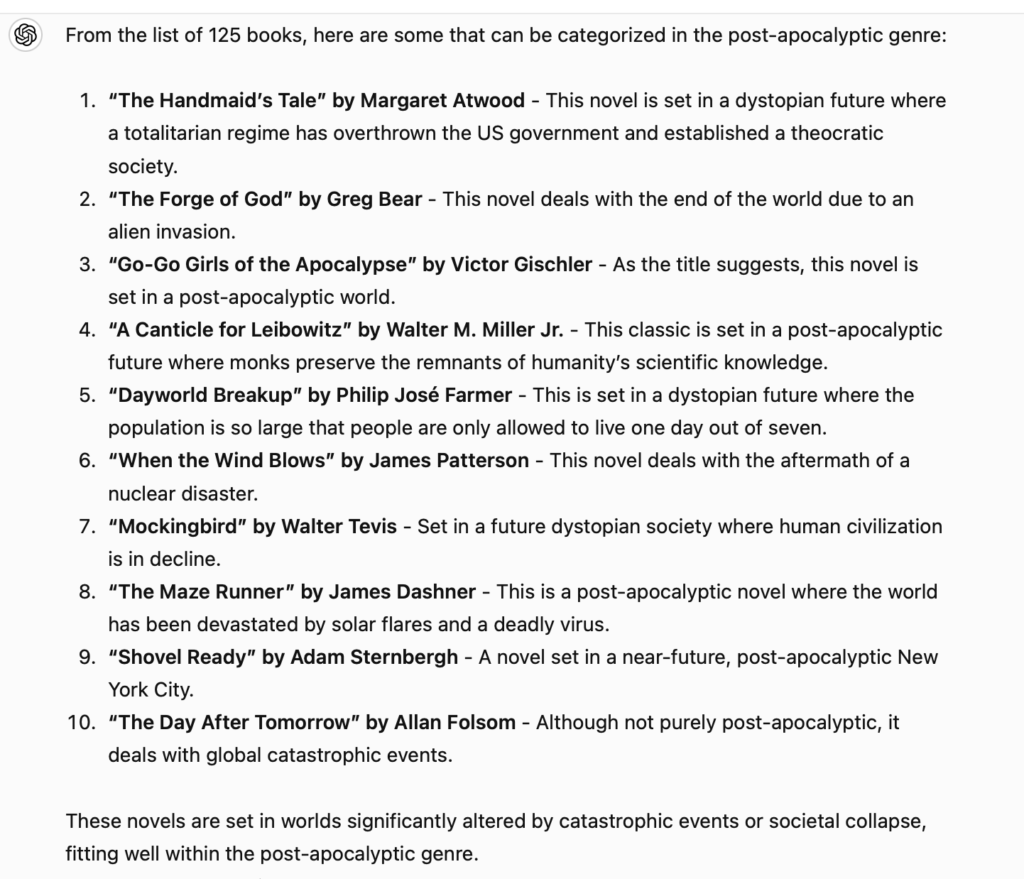
I agree with every single title. I’ll now tag these accordingly.

There are 125 books in my ChatGPT database tagged as science fiction. I uploaded the list to ChatGPT and asked her to pick the titles she would put in the “post-apocalyptic” genre.
I agree with every single title. I’ll now tag these accordingly.
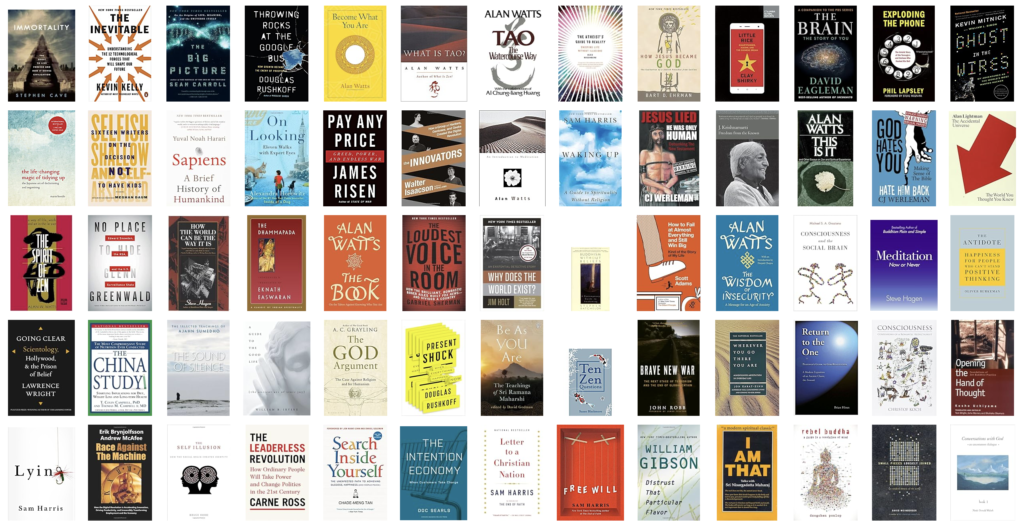
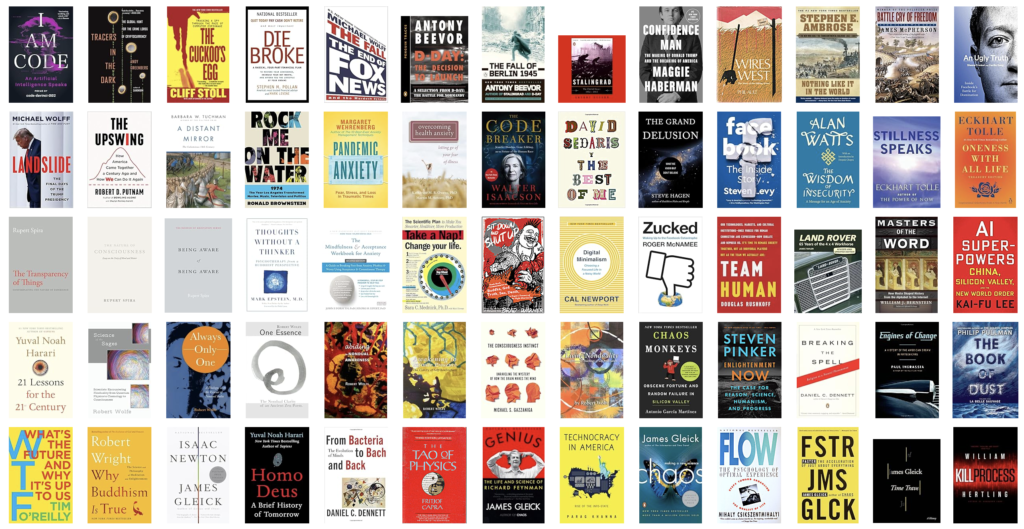
ChatGPT: Based on the covers of the books shown in the images, here’s what I can surmise about the person who has read these books:
1.Diverse Interests: The reader has a wide range of interests, including technology, history, psychology, spirituality, science, and self-improvement.
2.Curiosity About Technology and Its Impact: Books like “The Inevitable,” “The Innovators,” and “AI Superpowers” suggest an interest in how technology shapes society and the future.
3.Historical Interests: Titles like “The Fall of Berlin 1945,” “D-Day,” and “Stalingrad” indicate a fascination with significant historical events, particularly those related to World War II.
4.Spiritual and Philosophical Exploration: The inclusion of books by Alan Watts, Eckhart Tolle, and other spiritual authors suggests a deep interest in exploring philosophical and spiritual ideas, possibly leaning towards Eastern philosophies and mindfulness.
5.Interest in Cognitive Science and Psychology: Books such as “The Brain: The Story of You,” “Consciousness and the Social Brain,” and “The Master and His Emissary” indicate a strong interest in understanding the human mind and consciousness.
6.Self-Improvement and Personal Growth: Titles like “Digital Minimalism,” “The Power of Now,” and “Meditation: Now or Never” point towards an interest in self-improvement, mindfulness, and personal growth.
7.Skeptical and Critical Thinking: Books like “The God Delusion,” “Breaking the Spell,” and “Why Buddhism is True” suggest a tendency towards skeptical and critical thinking, particularly about religion and spirituality.
8.Fascination with Future Trends and Speculative Thinking: Titles such as “Homo Deus,” “21 Lessons for the 21st Century,” and “The Singularity Is Near” imply a fascination with future trends, speculative thinking, and what lies ahead for humanity.
9.Interest in Societal and Cultural Issues: Books like “The Upswing,” “Zucked,” and “Chaos Monkeys” suggest an interest in societal and cultural issues, particularly related to media, technology, and economics.
Overall, this reader appears to be highly intellectual, curious about a broad range of topics, and keen on understanding the world from multiple perspectives, including historical, technological, philosophical, and scientific. They seem to value both critical thinking and personal growth.
My friend John called this morning and there was an urgency in his tone. “I want you to listen to a segment of This American Life and call me back.” John is not one to get excited about… well, about anything. So I stopped what was doing (okay, I wasn’t doing anything) and found the audio he wanted me to hear. From the This American Life web page:
I Wish I Knew How to Force Quit You. Writer Simon Rich grapples with an A.I. chatbot that threatens to make him obsolete. Excerpts from the audiobook edition of I am Code, written by code-davinci-002, edited by Brent Katz, Josh Morgenthau, and Simon Rich; read by Werner Herzog, Brent Katz, Josh Morgenthau, and Simon Rich, used with permission from Hachette Audio.
The segment is 21 minutes long and is probably the most amazing thing I’ve heard in… well, I don’t remember when I’ve heard anything more amazing. Your mileage may vary.
I uploaded my tag cloud to ChatGPT and asked what, if anything, could be surmised about someone with these interests.
Based on the tags you’ve shared from your blog, it’s clear you have a wide range of interests. Here’s a snapshot of what I gather about someone with your array of interests:
Overall, someone with these interests is a well-rounded, curious individual who values technology, philosophy, creative expression, and community. You have a mix of intellectual pursuits and hobbies that keep your life both stimulating and balanced.
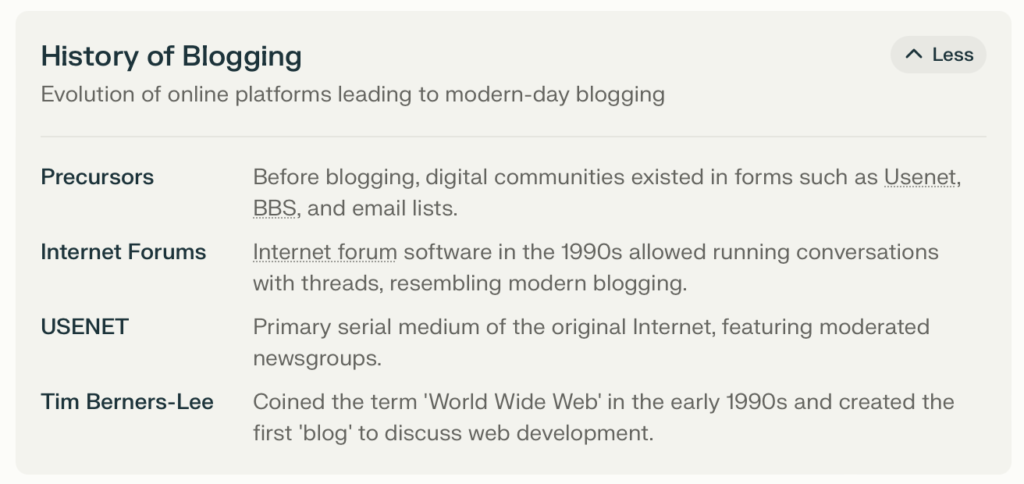
The word “blog” is a shortened form of the term “weblog,” which was coined by Jorn Barger on December 17, 1997. The shorter version “blog” was coined by Peter Merholz, who jokingly broke the word “weblog” into the phrase “we blog” in the sidebar of his blog Peterme.com in April or May 1999.
The term “weblog” itself originated from the practice of logging or recording information on the web, similar to how sailors would log details of their voyages in a ship’s log. The “web” part refers to the World Wide Web, and “log” refers to the act of recording or journaling.
So in essence, “blogging” stems from the concept of maintaining an online log or journal, which evolved from earlier forms of digital communities like Usenet, email lists, and bulletin board systems. The term gained widespread popularity after Pyra Labs used “blog” as both a noun and verb in connection with their Blogger product in the late 1990s.