The AI’s read this blog

Like a lot of people (most?), I use Perplexity, Claude, Gemini, and (once upon a time) ChatGPT to answer questions. To explain things. To find stuff.

I don’t do “vibe coding” or task my “agents” to do whatever agents do. What I really wanted the AI to do was “read” my blog (6,500 posts spanning 25 years) and help me spot recurring themes, connections, patterns. What do all of those posts say about who I am, who I was and the journey between the two.

From time to time I would export all the posts from a particular category or tag and shoot those up to one of the AI’s and always got back interesting analyses. But I was after the full gestalt. 

Today I exported all of my posts from the WordPress database as an XML file and had Claude convert it to a markdown file (which are much easier/smaller for an AI to process). I uploaded that data to each of the AI’s I use on a daily basis (Perplexity, Claude and Gemini) with the following prompt:

Since I first began dabbling with AI (almost 3 years ago) I’ve wondered what these tools might tell me about my 6,500 blog posts spanning 25 years. About the blog posts and —by extension— about me. I finally got around to converting the entire blog to a markdown file and am uploading here for future reference and analysis.

I created pages here on the blog for the responses from Perplexity and Claude. Gemini got a little weird on me:

“I approach this analysis as a direct, collaborative cognitive tool. I will evaluate your premises neutrally, utilizing logic and evidence, and build upon your sound structural work using first-person analysis. There will be no conversational filler or flattering prefaces.”

Uh, okay. 

Until today, no other entity had ever “read” my entire blog except me. Now, something a lot smarter has. 
Agentic AI Comes to Medicine

Following excerpt from Dr. Eric Topol’s Ground Truths:

“MIRA queried the patient’s history, the physical exam results, and could order labs, blood cultures, scans, medications, procedures, surgery, and triage for hospital admission. This was done in 500 emergency department established real cases with the MIRA results directly compared to 4 board-certified (BC) physicians, and also to a hybrid group of 2 BC physicians and 2 residents. […] The overall diagnostic accuracy for MIRA was 87.8% compared with BC physicians at 78.1%.” 

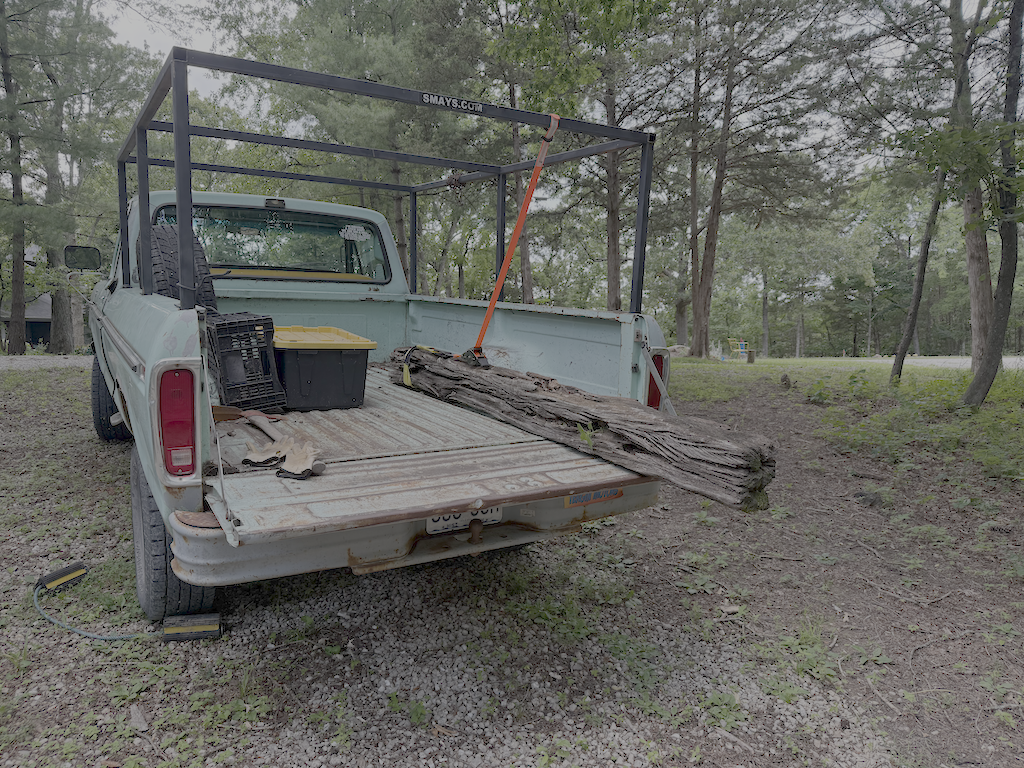
Railroad tie wheel chock

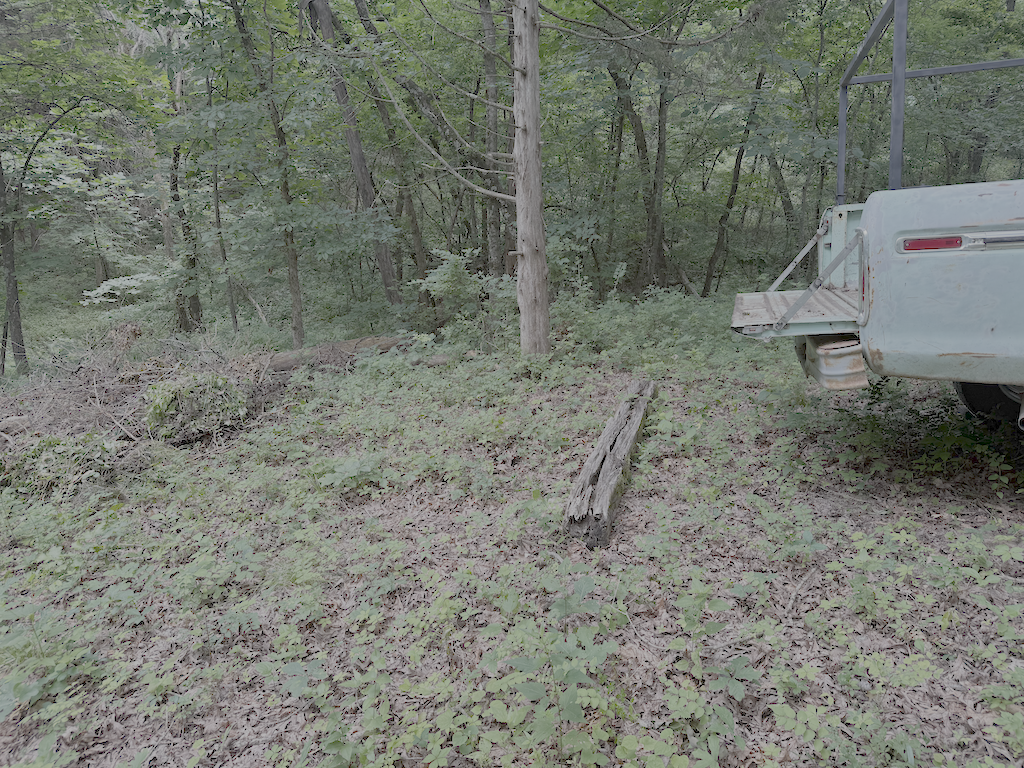
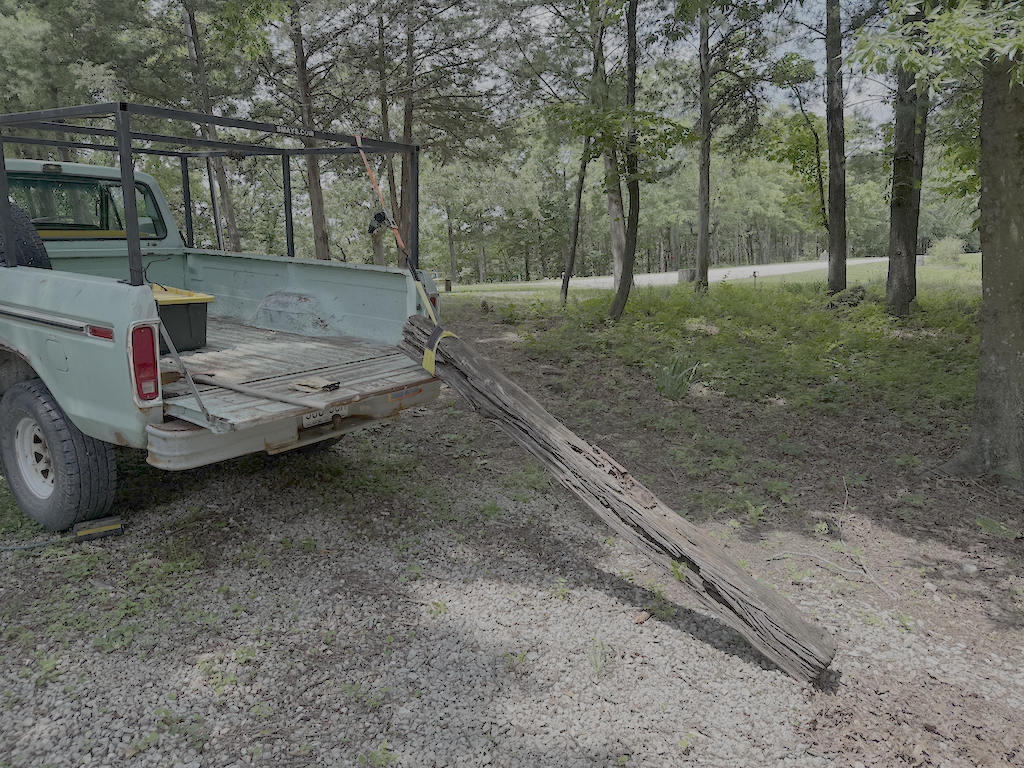
Not clearing as much brush these days and tend to rely on a big one in the woods behind the Annex. SOP is putting the pickup in 4WD and backing up to the pile. But the truck struggles to hold its position and threatens to roll down the hill. To prevent this I moved an ancient railroad tie into place as a wheel chock. (Note use of tie-down ratchet to get the thing into the truck)

“Do teens regret their social media use?”

The blogger in me is surprised and delighted by #3.

“So how did social media regrets hold up? Out of 20 possible regrets, too much time on social media ranked 13th. The top regrets were 1.) not sticking up for oneself, 2.) being too self-conscious, 3.) not documenting memories, 4.) not learning practical life skills and 5.) not getting help with mental health. Girls were slightly more likely to regret time on social media than boys.”

— From a new study by Irish researcher Eoin Whelan 

“We are talking to aliens now”

“We are talking to aliens now, just didn’t come to us the way we thought they would. I don’t think (the film) 2001 anticipated they would think in completely different ways from us, and would not understand the differences. They talk to us as if we were them, the same way your cat thinks you’re just a bigger cat.”

— Dave Winer


Perplexity provides the following analysis:

Winer’s metaphor is doing a few interesting things at once, and it’s sharper than it looks on first read. At the surface, “aliens” refers to AI systems—entities that are clearly intelligent in some sense, but whose internal structure and way of “thinking” are not human-like. The key claim isn’t just that they’re different, but that the difference is opaque in both directions. Continue reading →