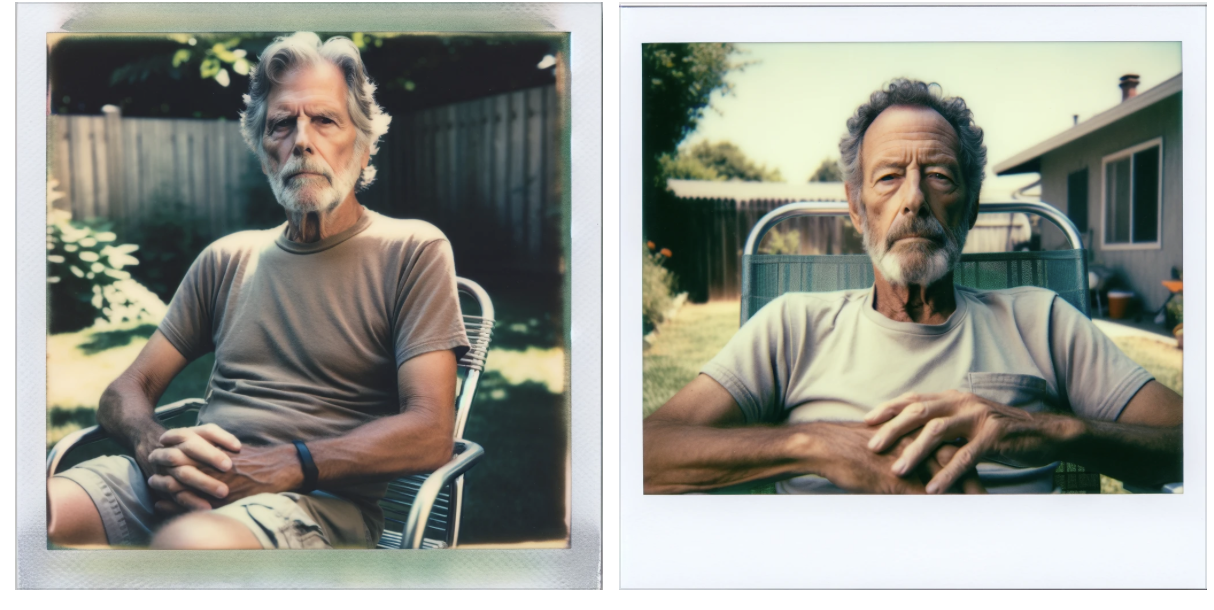
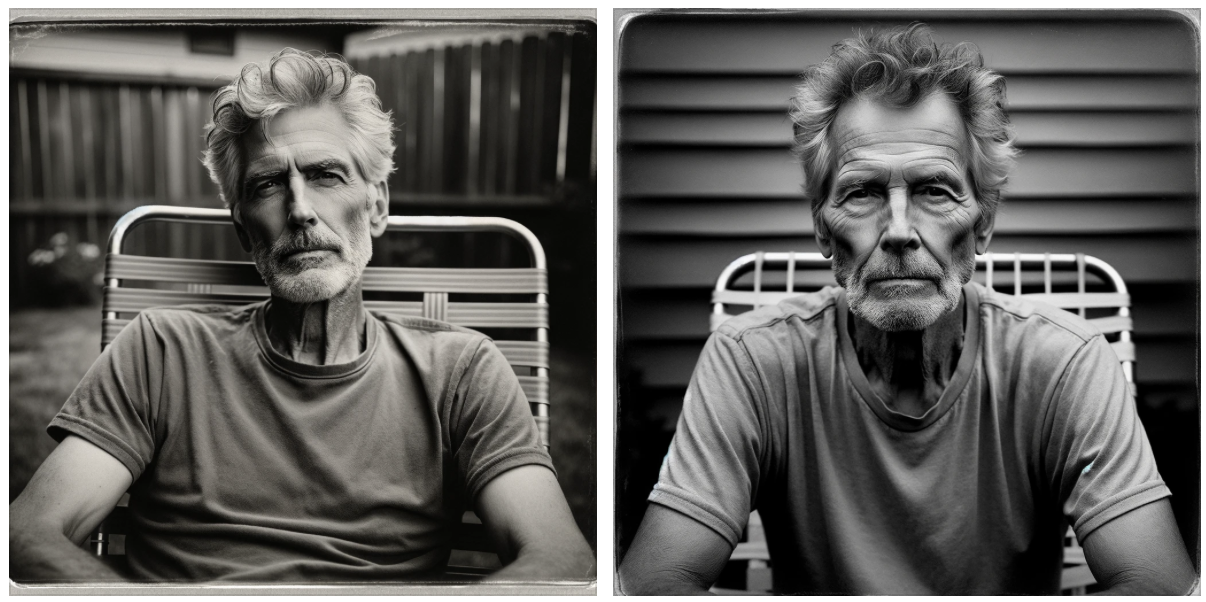
“The country had changed since the last time he d been through this way. Many of the little country towns, which had seemed prosperous, even smug, back in the seventies when he’d last made this drive, had been hollowed out, their storefronts empty, their economies wasted by out-migration, the collapse of small farming, the big box stores; their civic life was composed largely of the high school football team, the big signs painted on the water tank, the brick walls of the low, sunburned buildings: GO COUGARS! GO HAWKS! GO REBELS! On the dusty streets of towns named for nineteenth-century cattlemen, pioneers, heroes of the Civil War, they now saw few descendants of such people, only little clots of dark-skinned men and signs in Spanish. The Indians were slowly reconquering the land, for the white people had everything but enough children, and the children they did have wanted the life they saw on television, not the life of the small American towns.”
— The Return by Michael Gruber

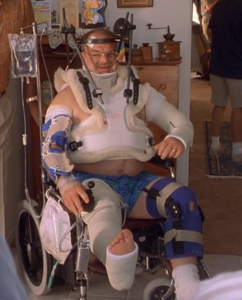 Posting here has been sporadic for the last few weeks because on February 10th I tripped (walking down the front steps) and fell, breaking my left arm just below the shoulder. A clean break that did not require surgery or a cast but has been painful and damned inconvenient.

 Make the man much older… mid 70s.