Garrison Keillor on the future of radio

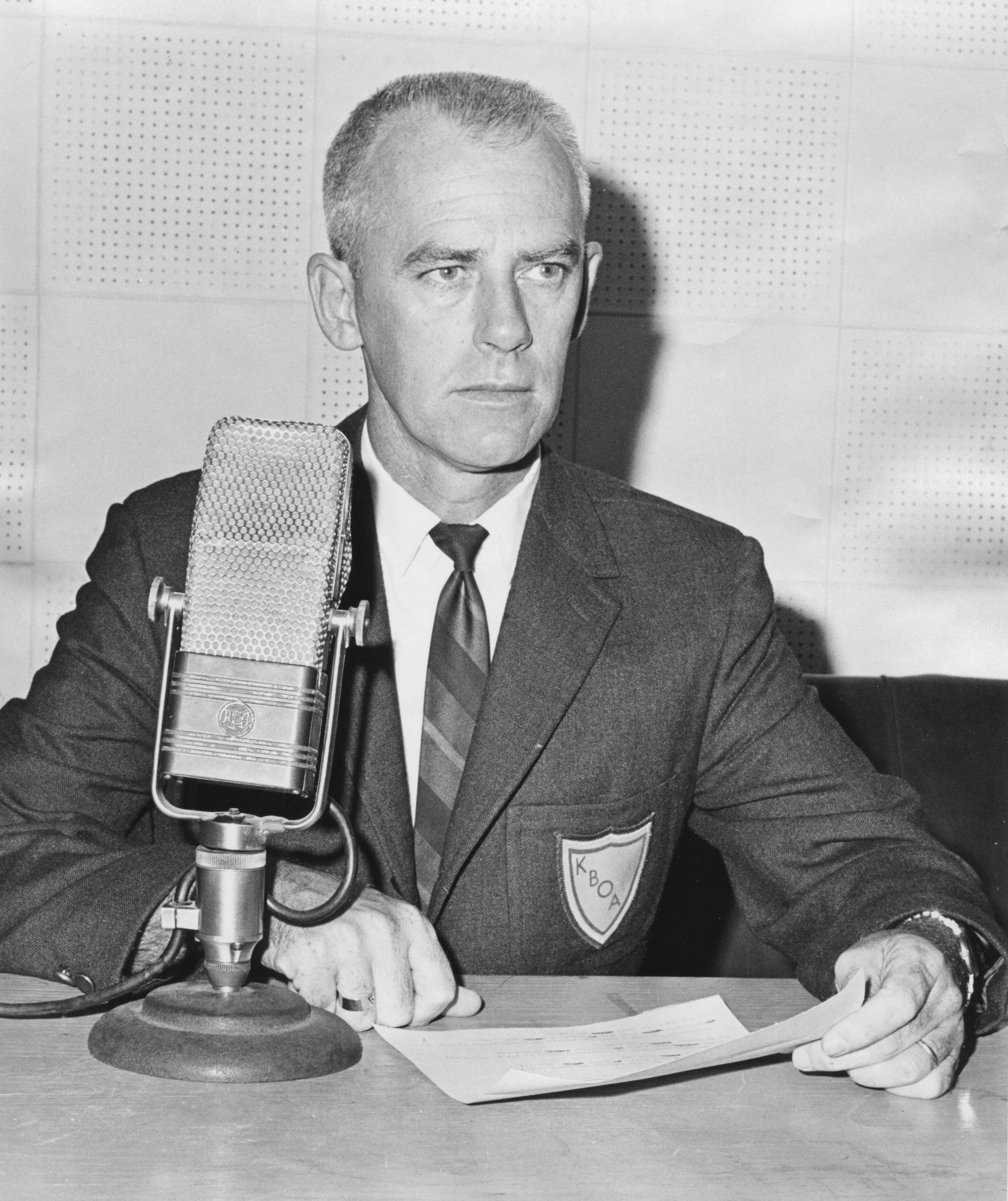
“The future of public radio is shining bright if only we can wrest it out of the hands of people my age and into the hands of people forty years younger. The problem isn’t the medium — the technology is light, portable, easy to use — the problem is the heavy hand of tradition that keeps innovation at bay. There is so much that can be best conveyed through audio, Erin, and that won’t change. The music industry is getting flattened by the Internet, but there’s a great future for radio. I see reality radio as the next big thing — eavesdropping radio, the microphone picking up things you weren’t meant to hear — and then I see radio drama coming back to life, but radio drama that attempts to impersonate reality.

“As far as news goes, radio is the province of the Authoritative Voice, and people are always ready for the next one. We are creatures who love to listen to our own kind. We’re intrigued by the sound of ourselves. When I see people walking around with little wires running into their ears, I have to think radio has a future.”

Inauguration security tightest ever

“People attending the ceremony and parade can expect to be searched by machines, security personnel or both. Precautions will range from the routine — magnetometers like those used at airports — to counter snipers trained to hit a target the size of a teacup saucer from 1,000 yards away as well as undercover officers, bomb sniffing dogs and air patrols. And Washington’s 5,265 surveillance cameras, spread around the city, are expected to be fed into a multi-agency command center. Including the Secret Service, 58 federal, state and local law enforcement agencies are providing security.” – Associated Press

All right everybody, take off your shoes and place them in the containers

Missouri’s new governor held a press conference today and reporters who showed up were told they had to leave their cell phones at a reception desk. St. Louis Post-Dispatch’s Tony Messenger was one of the reporters:

“Members of the Capitol press corps revolted and demanded reasons. “Security reasons” was the response given by Nixon spokesman Scott Holste, who said it was Nixon’s policy and the governor wouldn’t budge.

At that point, reporters started talking about walking out of the news conference before it began (and I took out my cell phone and Twittered the news). Holste went back to the governor’s private offices, and came back with the verdict. Reporters didn’t have to give up their cell phones.

Asked after the news conference about the policy, Nixon communications director Jack Cardetti said he didn’t believe the cell phone policy had anything to do with security.

“The governor believes when meetings are taking place in the oval office .. that everybody should be focused on the task at hand,” Cardetti said, noting that staff and others who are invited to meetings in the governor’s office follow the same policy. But Cardetti said the policy would not apply to the press, many of whom use their cell phones for reporting purposes.

During the news conference, reporters also noticed a new tiny camera above one of the doors. The camera feeds to a screen on a secretary’s desk that allows her to know when meetings have begun or are finished in the office, Cardetti said. He showed curious reporters the screen that captures the feed. The meetings are not recorded, he said.”

As Colonel Klink would say, “Veeeeeery interesting.”

How about, put your cell phones on vibrate or turn them off? And a wee little camera above one of the doors. Curiouser and curiouser.

One of the comments on Messengers’ blog post asks:

“If there is now a camera that is recording or broadcasting all meetings in the Governors office, should not this be covered under the Sunshine Law and allow the feed to be streaming video on the internet so that we, as taxpayers, can see what is happening in the meetings of our governmental officials?”

But back to the cell phones –and I admit to being both slow and naive– why wouldn’t the governor want reporters to have cell phones during press conferences, assuming one doesn’t buy the “let’s stay focused” explanation?

UPDATE: Missourinet reporter Steve Walsh was at the press conference and snapped a photo of the gov’s tiny camera.

Wonkette joins Air America

“Air America Media has hired Ana Marie Cox as its first Washington, D.C.-based national correspondent, travelling the country to profile people and stories illustrating life in America.  She will contribute text, video and audio content to airamerica.com, as well as to a weekly program to air on Air America’s radio network.  Cox will debut on Air America on Monday, January 19 to report from the nation’s capital for Air America’s Inauguration coverage.”

Packing extra Depends

“TV news crews being dispatched out “in the field” to cover the Mall and other key gathering points are being told to pack for survival conditions, which includes likely toting along a five-gallon jug to use for bodily functions. Sadly, bathrooms may become the big issue as the big day unfolds. The city’s subway system is planning on locking all of its bathrooms for security reasons (they will post a total of 150 or so port-a-potties outside of the stations, concentrating them in the suburbs, outside of the city itself; Metro may also close some of its escalators to help with crowd control, leaving newly minted riders to walk up steep metal steps 100 to 200 feet high). The rest of the city plans to deploy up to 5,000 jiffy johns, which works out to something on the order of 10,000 people minimum per bathroom, optimistically assuming that not everyone will have to “go.” – The Daily Beast

Mayor’s blog

Let’s say you’re the mayor of a medium sized town in the midwest and you’re excited about work getting started on a new federal courthouse project in your city. You send a little press release to the local radio and TV stations and the daily newspaper, hoping they might shoot some video or stills of the big cranes or have you on the morning show to talk about what this means for the community.

You might get a mention but not much more. Let’s face it, your new courthouse has limited interest. So you take your Flip video camera out to the site and put a couple of minutes on your blog. And you do this for anything you think the people in your town might care about. How long before your blog becomes a regular stop for those interested in local news? Cost? Virtually zero.

I helped my friend John get started blogging but he’s figuring out the video and YouTube thing. And in all fairness, the local media might have done stories on this. But I can understand if they didn’t. I made similar decisions back in the day. After all, there was only 24 hours of airtime. You had to go with what appealed to the largest number of people. Now you can appeal to literally everybody.

You could have a local government page; a local sports page; a local church news page; a local education page… you get the idea. Provide the hosting; tools and training and use your medium to promote them all.

This is happening all over the country and it will continue. Because people like John have news they want to share and there’s just no more friction.

“News is being deindustrialized. No factory needed.”

I pulled the following from a recent post on Jeff Jarvis’ Buzz Machine:

“But there is no more one job description – journalist – in one industry – newspapers – with one business model – print advertising – to pay them.

I believe, as I said here, that many slices will make up a new pie: more focused news companies contributing journalism and curation and other value; successful specialist bloggers growing large businesses (Gawker Media, TechCrunch, Silicon Alley Insider); smaller bloggers that are big enough to make them worthwhile to make (BaristaNet); volunteer bloggers and contributors who add to the pie because they care and share; public-supported journalistic activity (Spot.us, ProPublica); crowd-created efforts, and on and on.

Note, though, the verb that started that long sentence: “believe.” I don’t know yet. None of us does until we try and learn and share best practices.

But I am confident that journalism as an activity will not disappear, that there will be a market demand for it, that there are many new ways to fulfill the task (and debate about how it is done). But – bottom line – journalism and journalists will not disappear unless they insist on defining themselves as an industry that operates in just one way . The key to survival is reinventing what we do.”

“You’re not clever enough to be cute. Just be honest.”

Seth Godin explains (by the numbers) how to send a personal email. My three favorites from his list:

  • Just because you have someone’s email address doesn’t mean you have the right to email them.
  • Don’t mark your email urgent. Urgent to you is not urgent to me.
  • Be short. The purpose of an email is not to sell the person on anything other than writing back. If you don’t have a personal, interesting way to start a conversation, don’t write.

Do I have the balls to forward Seth’s list to those who violate these simple rules? No, probably not.

First Bluetooth webcam?

So says Ecamm who showed this little bugger at Macworld. George saw it and says the video and audio are pretty good. And if you plug in a little dongle, you can increase the bluetooth range to 100 feet. Standard 640×480 H.264 video with 48 kHz AAC stereo audio and a promised four hours of talk time. Looks like it’s about the size of a deck of playing cards.