
AirPods
I spent some money on headphones back in the 70s. When I started at KBOA in ’72 all they had were these WWII-era Bakelite hockey pucks with a piece of vibrating tin inside.
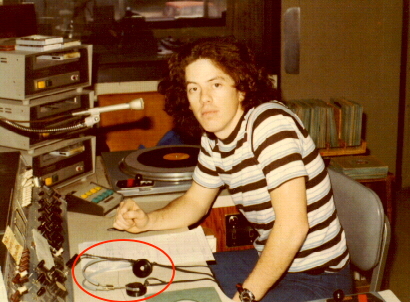
When I saw my first pair of Sennheiser open-air headphones (in a magazine) I ordered a pair and paid for them myself. And, yes, I took them into the studio for my shift and took them with me when done. They were pretty expensive (for the time) and a bit fragile. But I sounded soooo good in those headphones. More accurately, I could hear what I really sounded like and that was important.
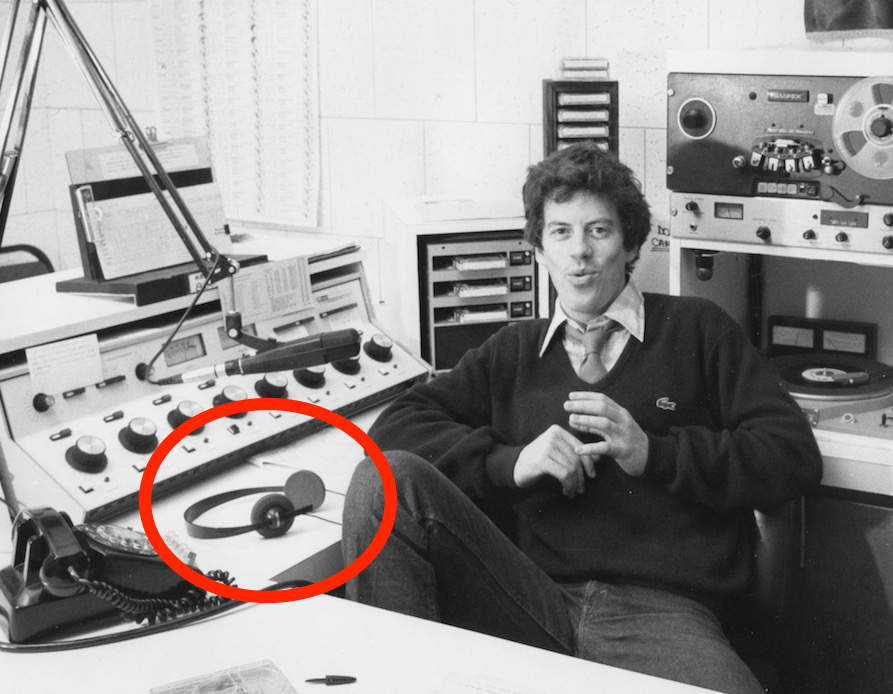
Fast forward several light years to the first iPods and the famous white earbuds that all serious music buffs hated. I loved them. They sounded fine to me and they fit my ears just fine. I’ve been using them ever since, pretty much every day.
In a few weeks Apple will start selling AirPods ($150) and I’ll buy a pair on Day One. And I might not be the only one. From Business Insider:
12% of U.S. consumers surveyed by Bank of America Merrill Lynch say they intend to purchase AirPods, apparently on the strength of Apple’s marketing, given that few people have actually seen and tried them out. This is a very bullish sign for Apple, says BAML. “12% of the US installed base could lead to up to an incremental $3bn in revenue,” writes the analysts.
“Apple’s marketing” is one explanation. Another might be that people like me have been using Apple earbuds for fifteen years and like them.
Five most restful activities
“The survey asked people to choose the activities that they find the most restful. The results show that the top five most restful activities are those often done alone:”
- Reading (58 per cent)
- Being in the natural environment (53.1 per cent)
- Being on their own (52.1 per cent)
- Listening to music (40.6 per cent)
- Doing nothing in particular (40 per cent)
More than 18,000 people from 134 different countries took part in the Rest Test, an online survey to investigate the public’s resting habits and their attitudes towards relaxation and busyness.
The $21,000 First Class Airplane Seat
Time Travel: A History (review)
Maria Popova describes James Gleick’s new book Time Travel: A History, “a dizzying tour of science, philosophy, and their interaction with literature.” A few snippets from her lengthy review:
“Why do we need time travel, when we already travel through space so far and fast? For history. For mystery. For nostalgia. For hope. To examine our potential and explore our memories. To counter regret for the life we lived, the only life, one dimension, beginning to end.”
“Things have been, says the legal mind, and so we are here. The creative mind says we are here because things have yet to be.”
“The mind is what we experience most immediately and what does the experiencing.”
“If we have only the one universe — if the universe is all there is — then time murders possibility. It erases the lives we might have had.”
One of my favorite topics by one of my favorite writers.
UPDATE: From a good piece in The Guardian: “Howard and his editors also manage a number of celebrity Beatle-fan coups, like the day when, to their astonishment, they spotted a 14-year-old Sigourney Weaver looming lankily over her fellow teenyboppers in footage of a 1964 show.”
Cigar Box
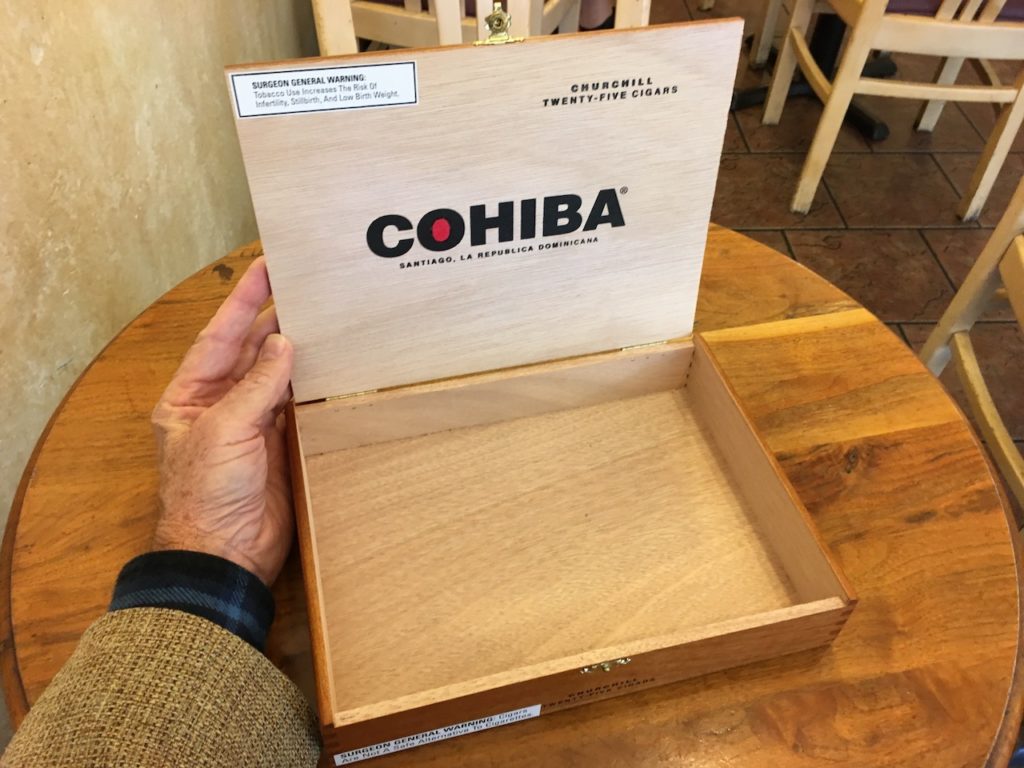
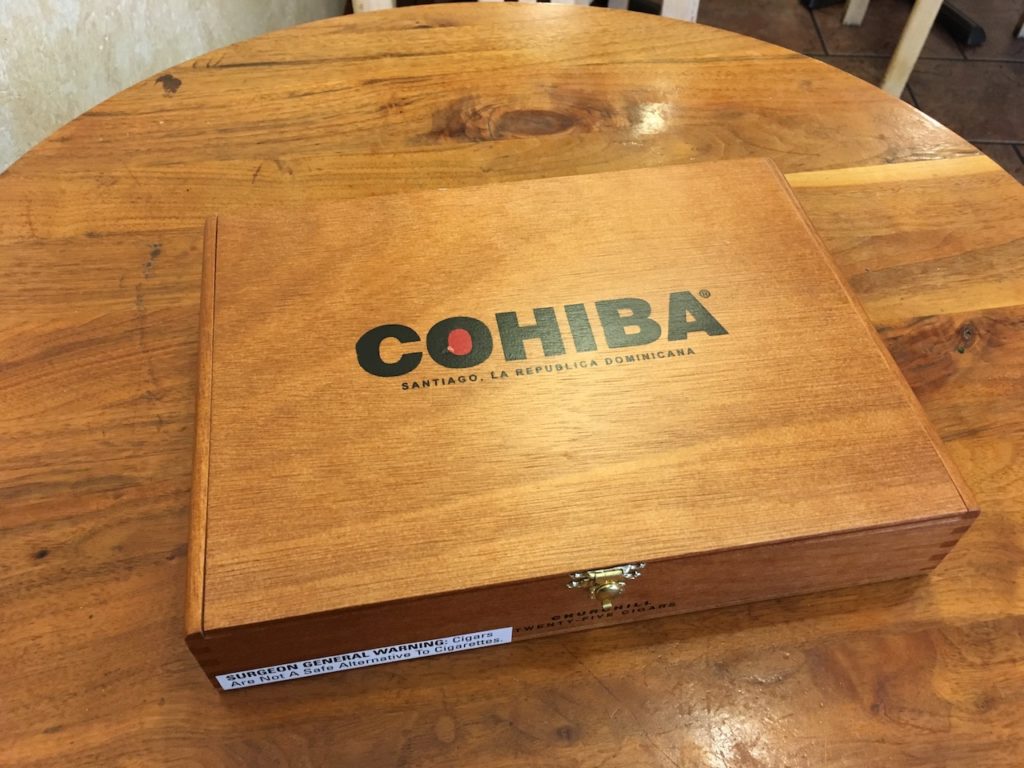
In a world of cheap plastic and cardboard, it feels good to have these around. I’ll keep my external hard drives in this one.
Apple Music changing the way I think about music
Not sure I can explain this but let’s give it a shot. Raise your hand if you’re old enough to remember “collecting websites.” This was back in the early days of the web and long before Google made it easy to find your way back to a favorite site. Bookmarks were an important part of your web browser. It wasn’t uncommon to have dozens (hundreds?) of bookmarks. So many you needed a folder structure to keep them all organized. I don’t know many who still maintain such lists. Modern browsers do a pretty good job of keeping up with your favorites sites based on your surfing habits.
I’m seeing a similar evolution in my music listening habits. I still have some playlists I created in iTunes. These are lists of songs I purchased and downloaded. Or, more recently, just downloaded from Apple Music. But I’m finding it increasingly cumbersome to navigate these lists when compared to the way Apple Music connects me to music. Where my playlists are static (the same songs), Apple Music playlists are updated with fresh songs. I don’t know if this is true of all playlists or just some. But the result is a fresher, more dynamic experience. In some ways this feels like listening to a good radio station where the music rotation is the best blend of favorites and new stuff like the favorites. I told you… difficult to explain.
There are some classics I’ll always want to keep close (Mad Dogs and Englishmen, Harvest, Tapestry, etc) but I’m feeling less need to organize and manage “my” (i.e. downloaded) songs. If I’m in the mood for some funk or a Janis Joplin song Apple Music will deliver the good far better than my collection. My downloaded library is finite where Apple Music is infinite but increasingly aware of what I like (or might like).
If you have a daughter, sister or mother
Trees speak to the mind
“Trees speak to the mind, and tell us many things, and teach us many good lessons.”