The Kekulé Problem
“The Kekulé Problem” is a 2017 nonfiction essay by writer Cormac McCarthy for the Santa Fe Institute. It was his first published work of nonfiction. He theorizes about the nature of the unconscious mind and its separation from human language. The unconscious, according to McCarthy, “is a machine for operating an animal” and that “all animals have an unconscious.” McCarthy goes on to postulate that language is purely a human cultural creation, and not a biologically determined phenomenon. (Wikipedia)
“You may have read a thousand books and be able to discuss any one of them without remembering a word of the text.”
“The unconscious wants to give guidance to your life in general but it doesn’t care what toothpaste you use.”
“The unconscious seems to know a great deal. What does it know about itself? Does it know that it’s going to die? What does it think about that?”
The essay checked a lot of my boxes: awareness, consciousness, ego, thoughts.
Down-and-out and lonely
“It’s [hard] to get a man to understand something, when his community and identity depends on his not understanding it. […] Instead of tie-dyed shirts, they donned red “MAGA” hats. Instead of being young adventurers running away from their parents, these “front-row Joes” (as he calls them) tended to be people who were “retired or close to it” and “estranged from their families or otherwise without children”; they also had “plenty of time on their hands.” What they found was that “Trump had, in a surprising way, made their lives richer.” His rallies gave them a “reason to travel the country, staying at one another’s homes, sharing hotel rooms and carpooling. Two had married—and later divorced—by Trump’s second year in office. […] Trump’s status as both a “rock star” and, simultaneously, a persecuted victim made him an attractive leader for this kind of movement.”
How Trumpists Prey on Loneliness, and Loneliness Preys on Trumpists
The Show Me State

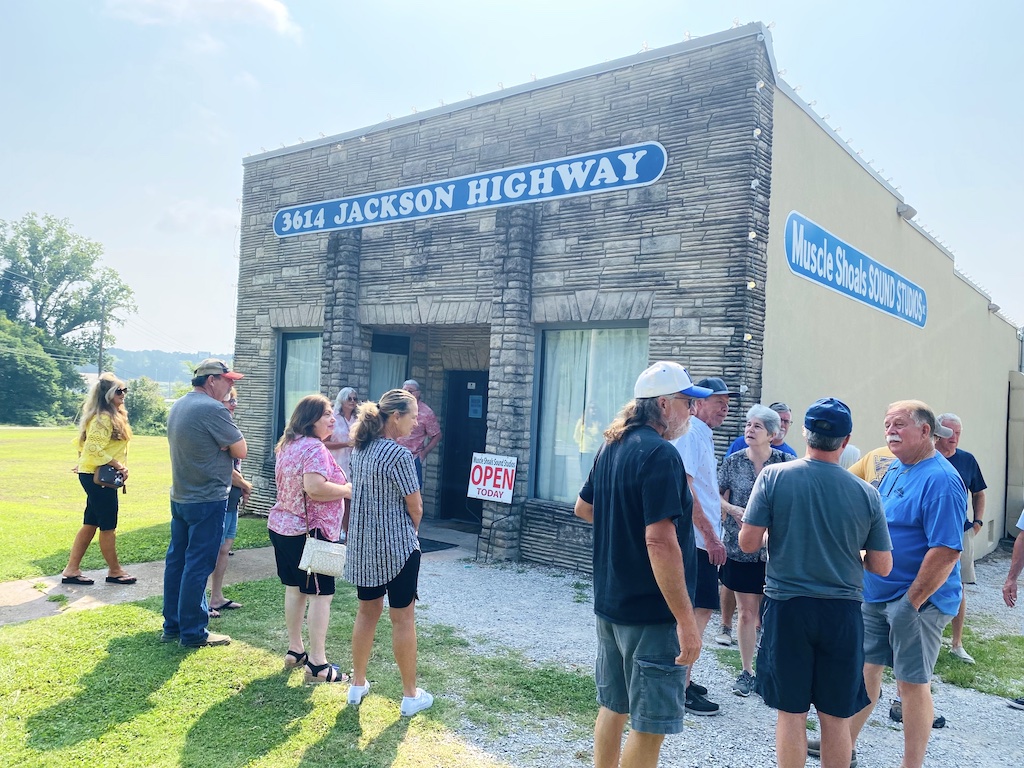
Muscle Shoals Sound Studios
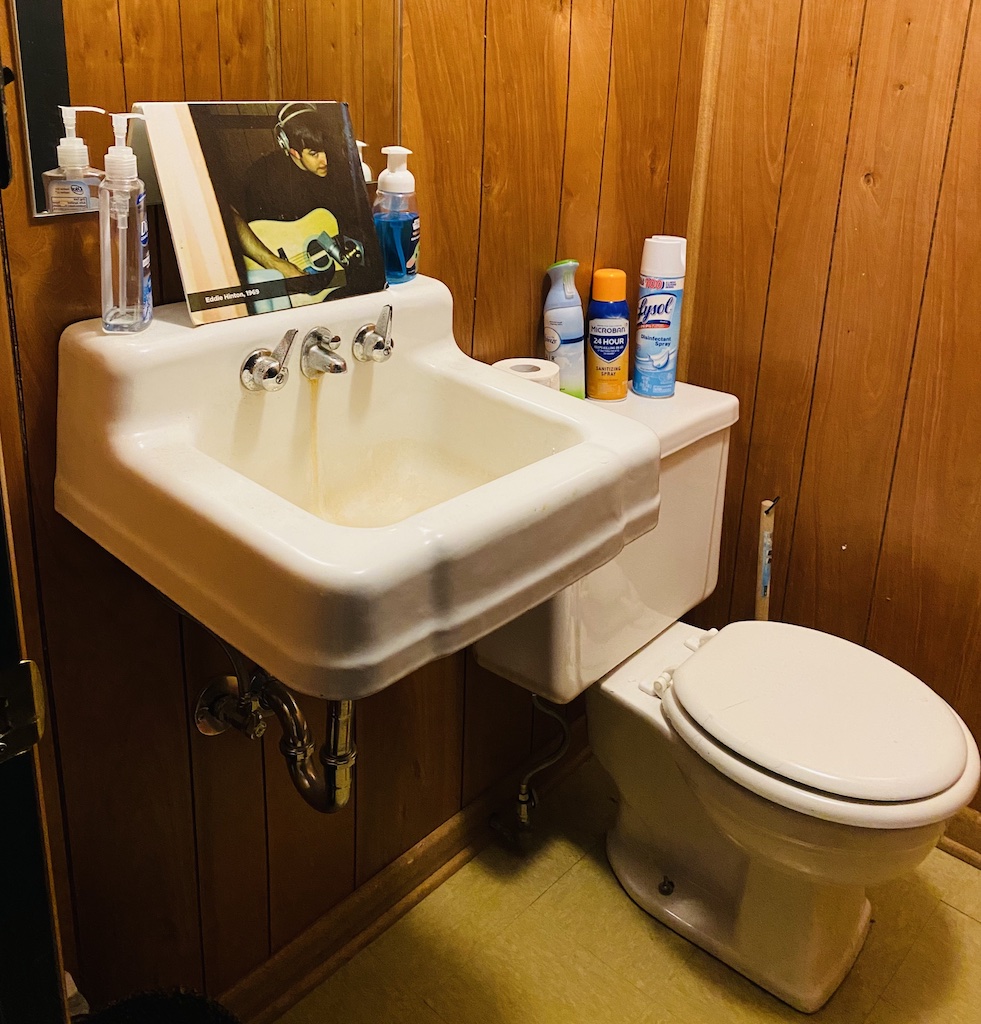
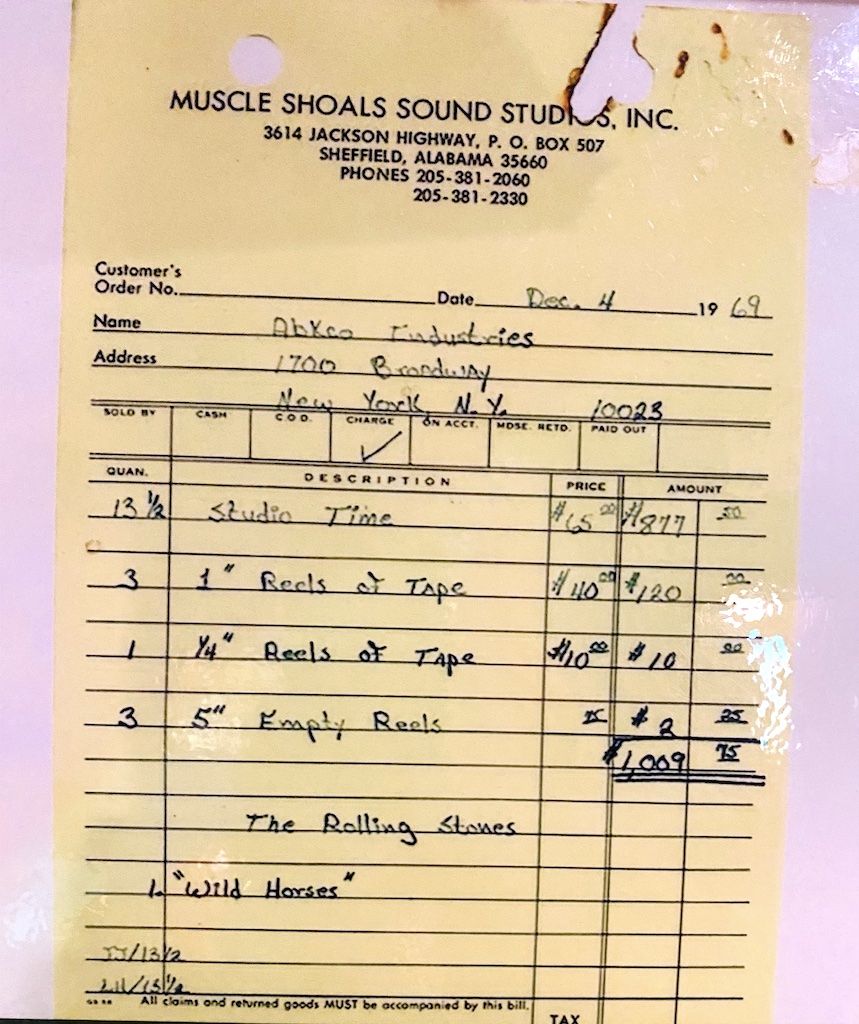
Barb and her sister are in Destin, FL this week and on the way down they stopped in Muscle Shoals, AL for a class reunion. Including a tour of the studio where the Rolling Stones recorded Wild Horses (and Brown Sugar) in December of 1969. The tour included the toilet where Keith Richards reportedly wrote Wild Horses, and an invoice for the recording sessions.