Stella Leaf Jumps
More Stella joy on her YouTube channel.

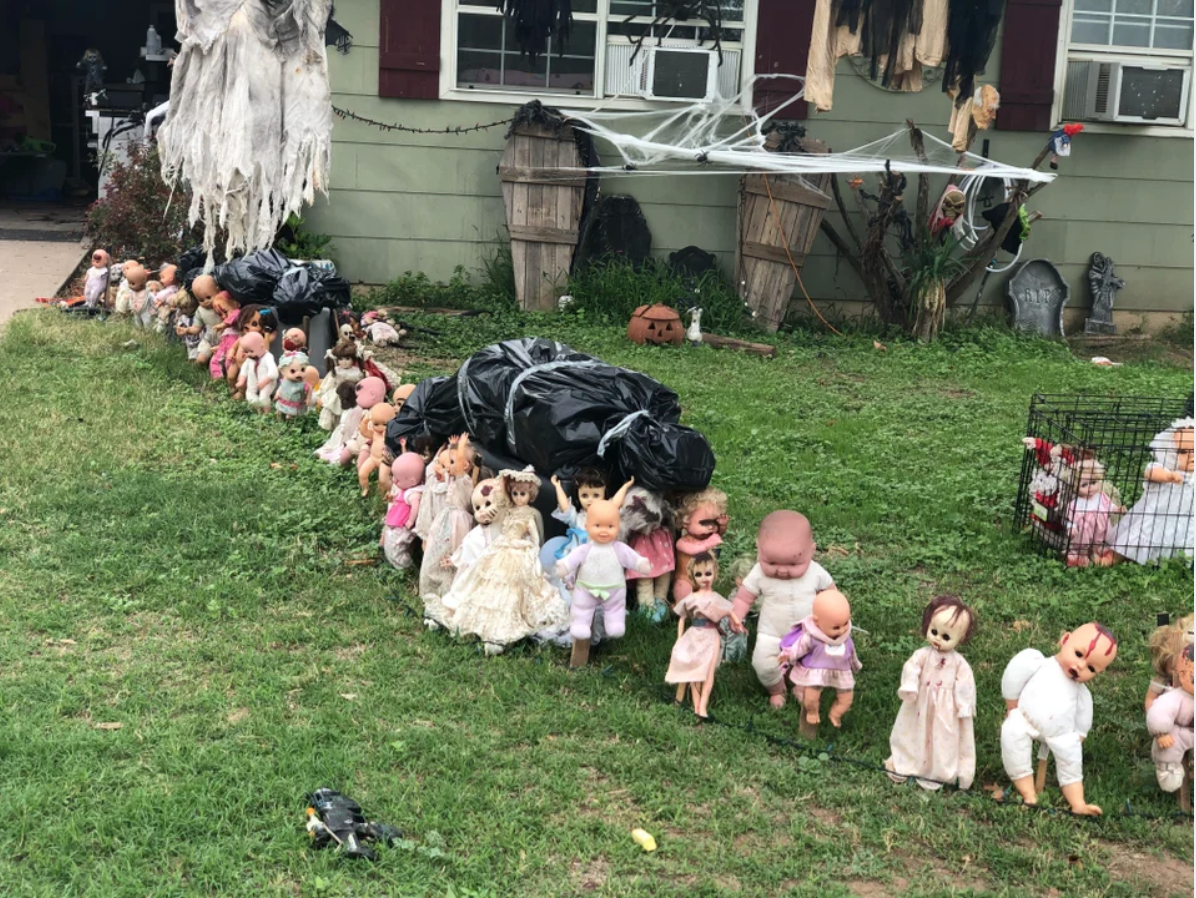
Posted to reddit by u/throoawyyy
Yesterday’s drone flight has me in a drone state of mind. My first (of 25) blog post mentioning drones was in 2005, but some of those are references to military drones so not sure when I became aware of consumer drones. Last night I started reading (for the 10th time?) William Gibson’s 1988 novel, Mona Lisa Overdrive and found this passage:
“She was accompanied, on these walks, by an armed remote, a tiny Dornier helicopter that rose from its unseen rooftop nest when she stepped down from the deck. It could hover almost silently, and was programmed to avoid her line of sight. There was something wistful about The way it followed her, as though it were an expensive but unappreciated Christmas gift.”
The man has been incorporating drones into his stories for 30+ years. And this might not be the first instance.
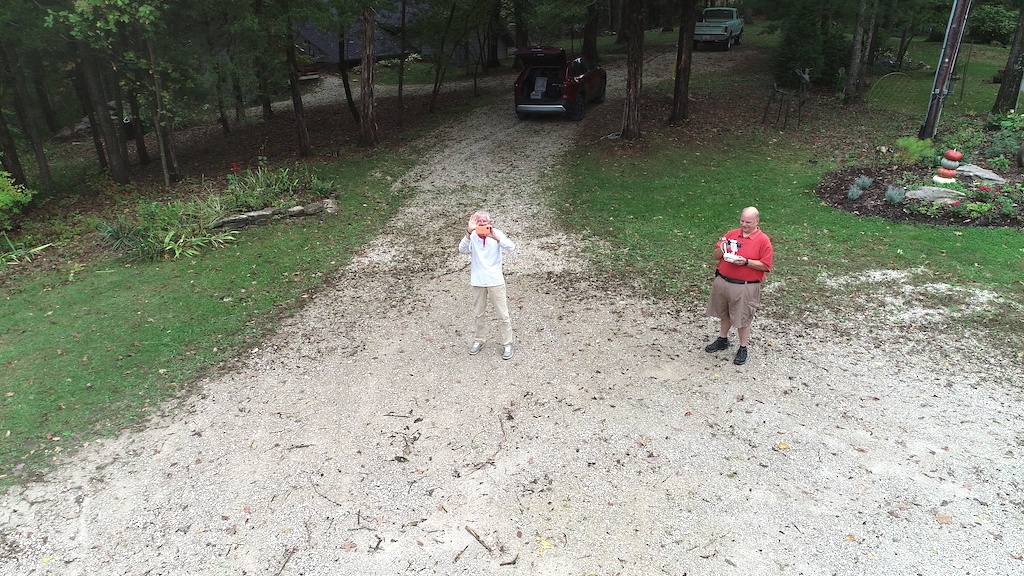
My buddy George has been playing with drones for about eight years. (You can see some of his amazing video here, here and here.) In 2015 he got his drone snagged in a very tall tree while shooting some video of our place. So I was a little surprised when he agreed to come back and shoot some video of our recently expanded homestead.
As you might imagine, the technology has gotten a lot better in the last half dozen years and George has gotten even better at flying the things. The video below runs right at 2:30.
This was shot from an altitude of about 400 feet so the drone was just a black dot but the quality of the video was even better than what I’m streaming here.
I love trees. I love being surrounded by them. And I’ve tromped around our acreage over the years so I know there’s a bunch of them. But it took this birds eye view to give me a real sense of just how many trees surround us.
A couple of weeks ago I posted some photos of a big rock on our newly acquired property. The previous owners built their house around this formation. Since then we’ve discovered another big rock on the other side (and behind) of the house. Hard to see because it’s covered in about forty years worth of dead leaves, Honeysuckles, and brambles.
We still have work to do but Rock #2 is finally getting some love.
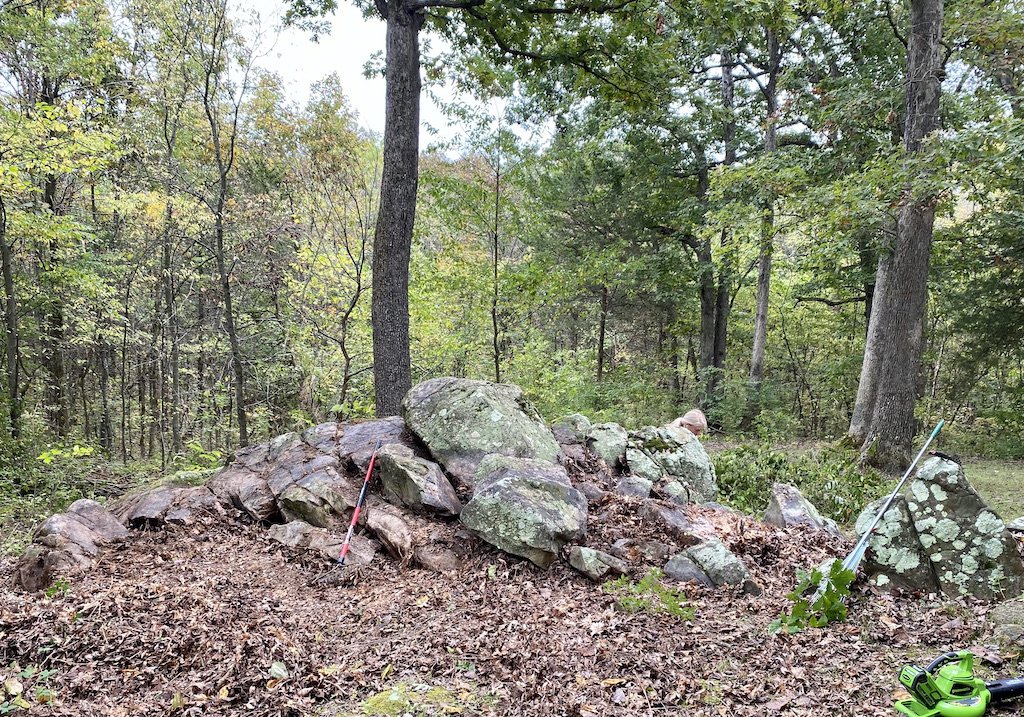
The 20 second clip below shows what the formation looks like before and after some clean up.