
“Some of his most hardcore associates and advisers, who egged Trump on and helped fuel his most dangerous or destructive attempts to subvert American democracy, aren’t doing so well. In the three months since the election was called for Joe Biden, most of the lawyers and MAGA enthusiasts who decided to play a consequential role in the ex-president’s efforts to overturn the Democratic nominee’s 2020 win (efforts that led directly to the Jan. 6 mob violence), have had their jobs or businesses shredded, their personal lives shaken, or their reputations irrevocably tarnished—all while Trump’s been relaxing and playing his rounds of golf in the Sunshine State.”
Category Archives: Politics & Government
Al Capone in exile in South Florida
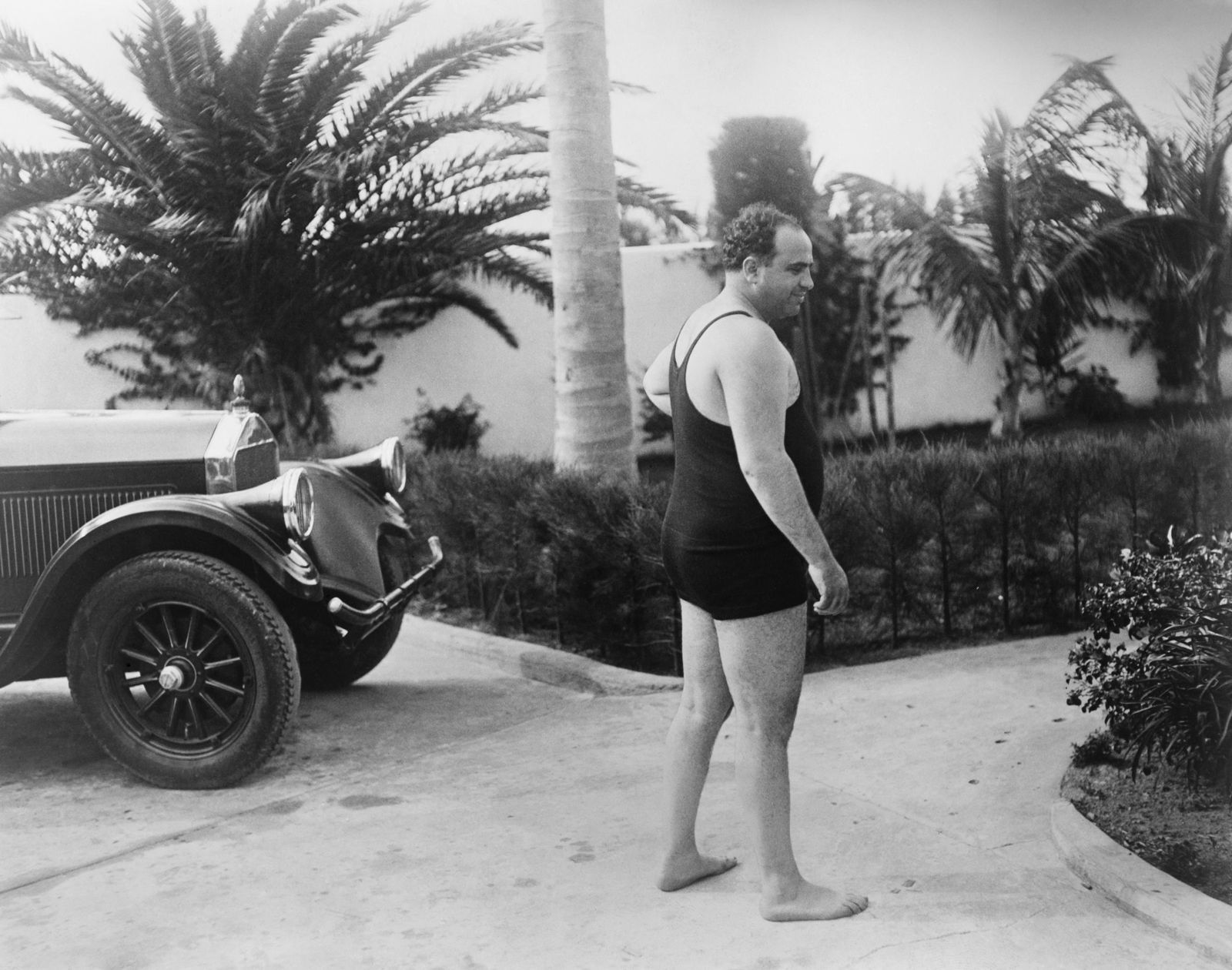
Circa 1930
Loser
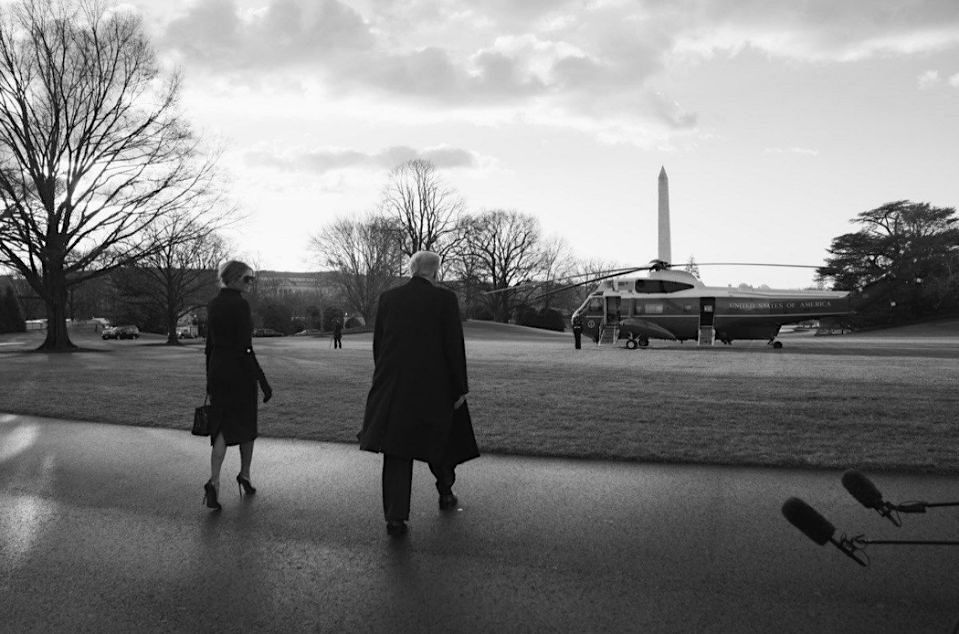
One More Day
Protecting our nation’s capital
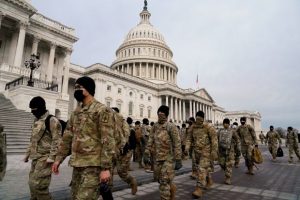 Yes, it’s sad to see our nation’s capital turned into an armed camp. Sad that it’s necessary. And it might be necessary for a long time. And it will be expensive. But I’m okay with that. The United States has occupied Afghanistan for 20 years, and we’ve been in Iraq since 2003. Those two “wars” have cost taxpayers more than $2.4 trillion dollars.
But we had to do it, right? That’s where the bad guys are. We gotta stop ’em before they get to America. Turns out, they’re already here and have been for a long time. Right wing white supremacists managed to do what ISIS and Al-Qaeda never could. Storm and take the U.S. Capital. The enemy is “inside the wire” to use the military expression. And they’re within the ranks of our police departments and — almost certainly — our National Guard. But we’ve finally started doing something about that. I hope. I am comforted by the images of these citizen soldiers protecting our capital and the people who work there.
The Proud Boys and the Oath Keepers and QAnon are willing to kill for Donald Trump and now we’ll see if they are willing to die for him. Don’t expect to see much storming of the barricades with these guys. Pipe bombs give you time to sneak away.
For the time being we still have laws and men and women willing to enforce them. Those responsible for the January 6th riot are being arrested and some of them will go to prison. It took almost ten years to find and kill Osama bin Laden. But we didn’t have 150,000 photos of him.