Land Rover restoration – Part 1 (Max Ironthumper)


The video above is the first in a series of 24 (?) chronicling the restoration of a Series IIa Land Rover. The gent doing the restoration — Maximus Ironthumper — describes himself as “a blacksmith living off the grid.”

Let me say up front, I don’t expect anyone to watch these. The series is just a good example of something I think we’ve come to take for granted. In a pre-YouTube world we would never have been able to watch this amazing process. No cable channel would have produced something this… real. This gritty and honest. YouTube has become my go-to source for entertainment and information.

With cable and network television, someone else decides what you get to watch. On YouTube, you decide.

Towing

I’m not a trailer hitch kind of guy. With the exception of the 4 Runner, I’ve never owned a car with enough power to pull a trailer. So, no trailer hitch. In the early 80s I rented a small U-Haul trailer and towed it from Albuquerque to Missouri behind my Plymouth Duster (6 cylinder), stopping every hundred miles or so to let the engine cool down. I kept waiting for the temporary trailer hitch the U-Haul guy bolted on to come loose.

No, I’ve gotten by fine without towing stuff behind my vehicles. And backing up a trailer always looked like a Dark Art to me. But I’ve been told on several occasions in the last six months that my little 4-cylinder Land Rover is quite capable of towing. I didn’t really believe this until I saw this video by a guy who calls himself Maximus Ironthumper.

According to his YouTube channel, he’s “a blacksmith living off the grid.” And he restored a beautiful Series II truck as a companion vehicle to his motorcycle so he “can haul stuff to and from the junkyard.”

I don’t know what I might haul but after watching this I’m open to the idea of a trailer. Stay tuned.

Land Rover: Problem with fuel line

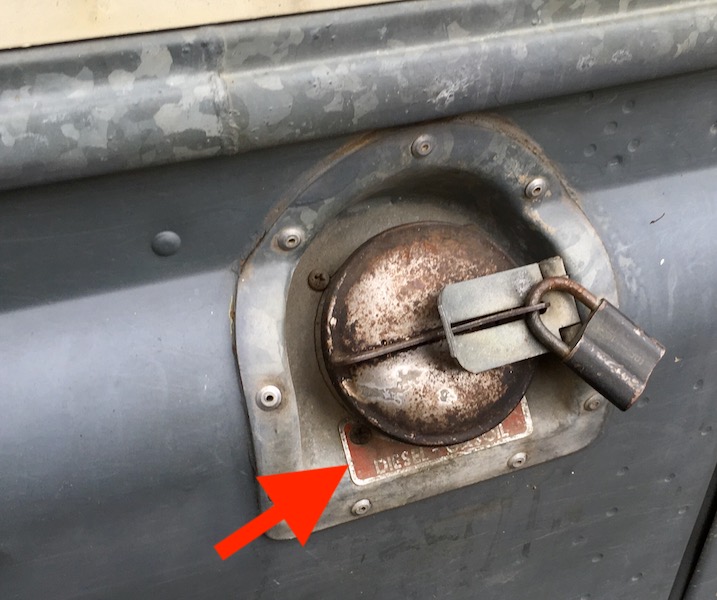
After a lifetime of pumping gasoline into my cars, I’ll have to remember to pull up to the diesel pump. I thought it wouldn’t hurt to have a little reminder like the one in the photo below (not my truck).

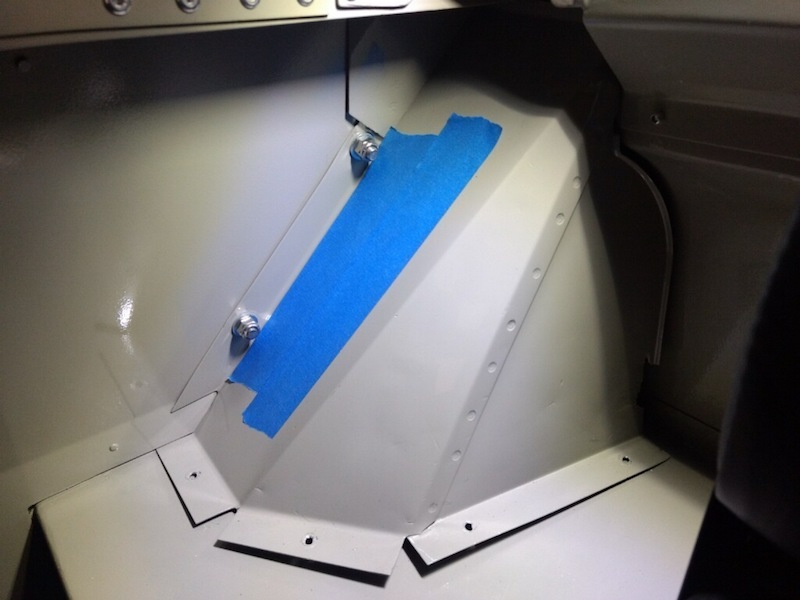
In order to add this little badge, Mr. Wolf had to remove a cowling inside the tub of the the truck.

“I am glad you sent me that Diesel Only emblem to install under the filler neck, because installing it meant I had to remove the cowling inside the truck that covers the filler neck, and when I removed it I found that where the rubber hose that connects the filler neck to the tank goes through the floor of the truck, the hose was pressed up against the edge of the opening, cutting into the hose. Then further down toward the tank the hose was severely kinked, which explains why I had such a hard time filling it with diesel the one time I fueled it up. Also, there was no gasket between the metal filler neck and the body. I can’t find one in any parts diagram, so maybe there wasn’t one originally, but I could see this being a water ingress point, so I am going to make a gasket for it.”

This is my first experience with a frame-off restoration but there sure seems to have been a lot of little (?) mistakes like this. All’s well that ends well.

1996 F355 Ferrari Challenge


“1996 Ferrari F355 Challenge. Factory built race car, non street legal. So naturally I drove it down from San Francisco today. I’m doing some fettling to bring it up to par then selling it.”

“In 1995, Ferrari introduced a race-ready F355 Challenge model for use specifically in the Ferrari Challenge. The Ferrari F355 Challenge model was created by starting with a standard Ferrari F355 Berlinetta model and modifying it with a $30,000 factory-to-dealer supplied kit. The initial 1995 cars came with cage mounts factory fitted and carpets removed, each year the cars arrived with more and more race parts factory fitted, culminating in 1998 with full-evolution cars which were supplied as virtually complete race cars though parts such as the rear wing still needed to be fitted.” (Wikipedia)

PS: To illustrate just how small a world it is, this from my friend Andrew: “I rode in a Ferrari challenge car this week. Didn’t drive it cause I didn’t have $330,000 to replace it. But it was amazing. Pure 100% race car. I bet Mr Wolf has been to the track I was at in Arizona.”

What are the odds that I’d be acquainted with two people who were in one of these cars in the same week?

Land Rover walk around

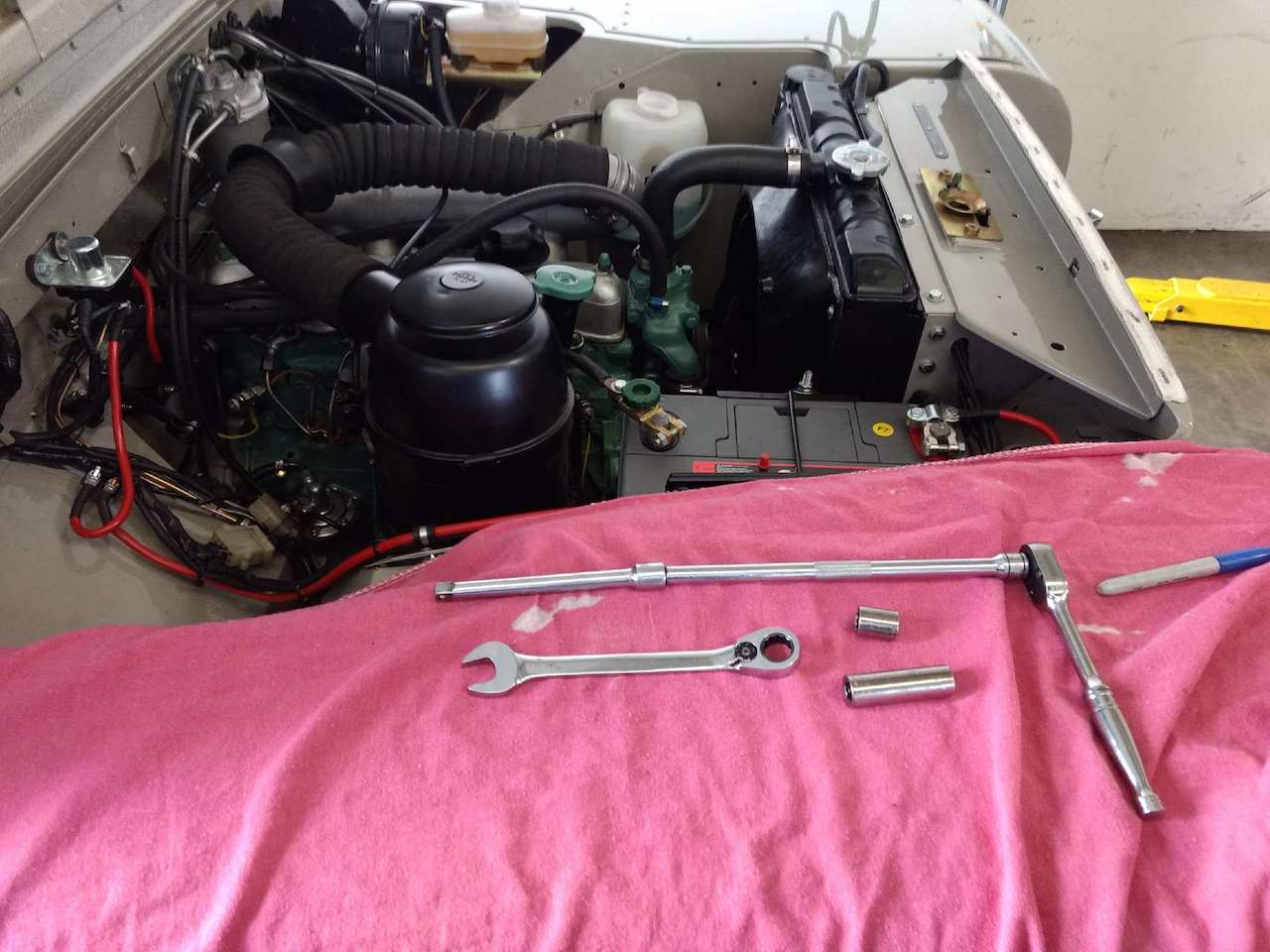
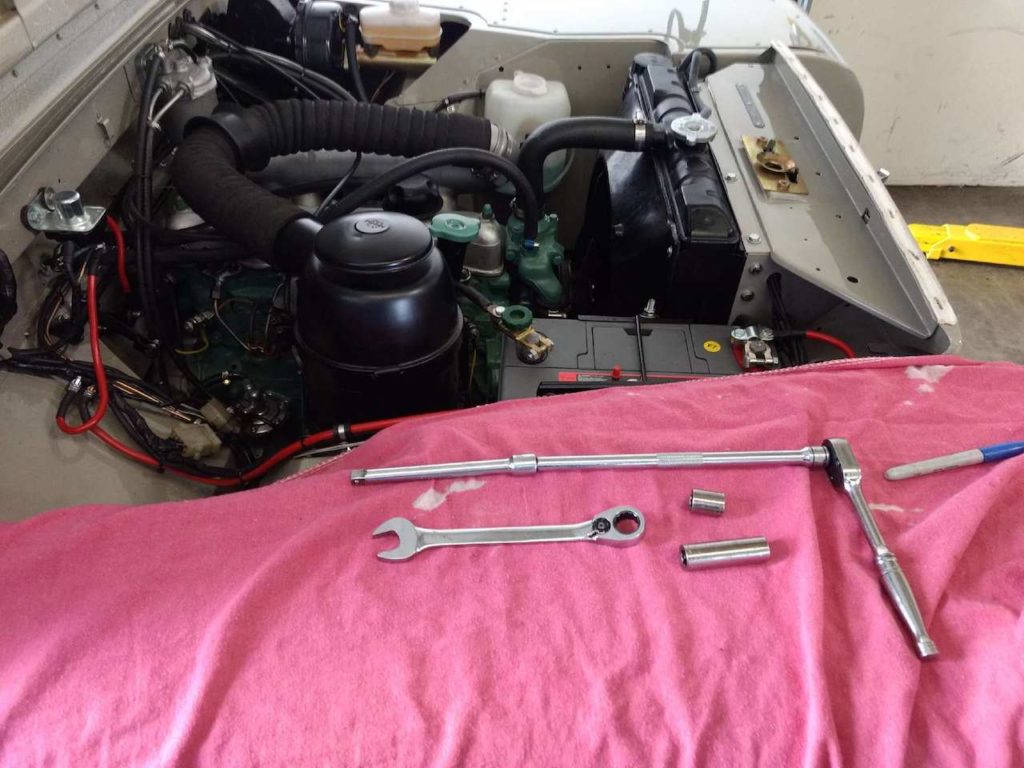
Mr. Wolf thought I’d like to hear the sweet sound of the 2.25 liter diesel engine that will drag my saggy ass around town. He’s been working long and hard on getting the engine right. If you look closely you’ll see some smoke. Not as much smoke as the mosquito fogger that patrolled our streets during the summer nights of my youth… but a little smoke. What the fuck, I’ll buy some carbon credits. I’m hoping there will be less smoke once the engine gets some miles on it. That will happen as soon as he gets the brakes sorted out.

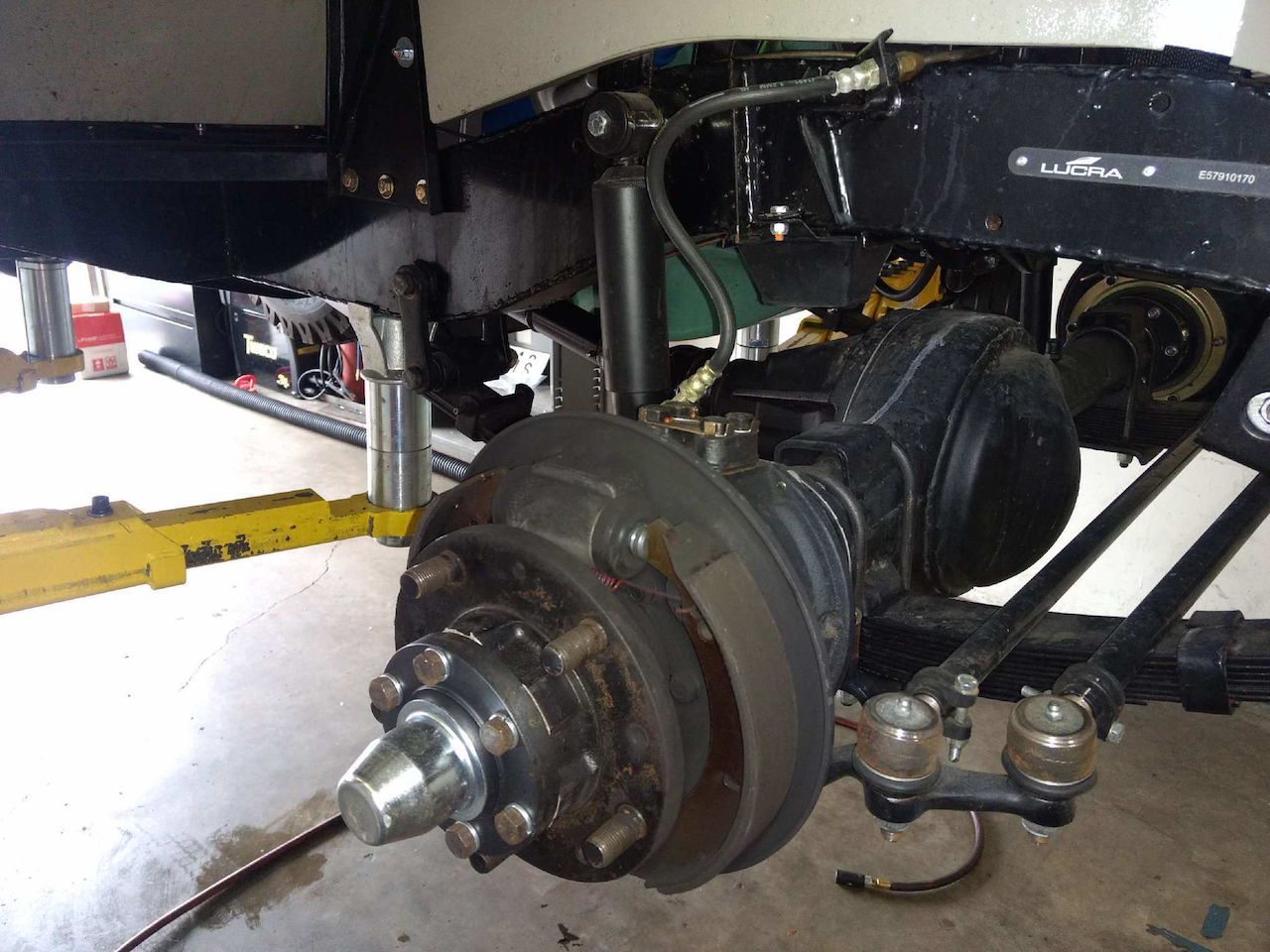
When I opened the brakes up I found some things I didn’t like, so I’ve ordered all new OEM wheel cylinders, new adjusters, and new shoes. Even high quality parts are so cheap for this thing I figured we should just start fresh with nice parts.

If you don’t know shit about old trucks, and I don’t, you need someone like Mr. Wolf. You’d like to think the folks doing the restoration would get everything right… but they don’t.

Land Rover Update

“Feeling good about the Rover right now. New injectors made a big difference, it’s running smoother and making more power. Many hours of fiddling with the injection pump may have paid off, better cold start and less smoke.”

The Land Rover project is about three months behind schedule, to the extent there was ever a schedule. The 2.25 liter diesel engine simply wasn’t performing the way Mr. Wolf thought it should. Too much smoke. Just not right. Until today the working assumption was a problem with the o-rings on the injectors.

“The ones that were in there originally seemed like they weren’t big enough (not a tight fit) but everything else I could find wouldn’t allow the injector to fit in the bore. Given that the actual injector seal is accomplished by a copper sealing washer AND an aluminum crush-washer, I think the o-ring is really only there to keep debris from falling in. Therefore I’m thinking that the slightly loose fit is actually just fine, but I’m open to being proven wrong. So I reassembled it with the old o-rings.”

Whether or not I’ll be able to find someone to keep a 40 year old diesel engine running well enough to make the Land Rover an everyday truck remains to be seen. Which is why Mr. Wolf is going to such great pains to get the engine right before he send the truck my way. But this has always been more about fun than easy.
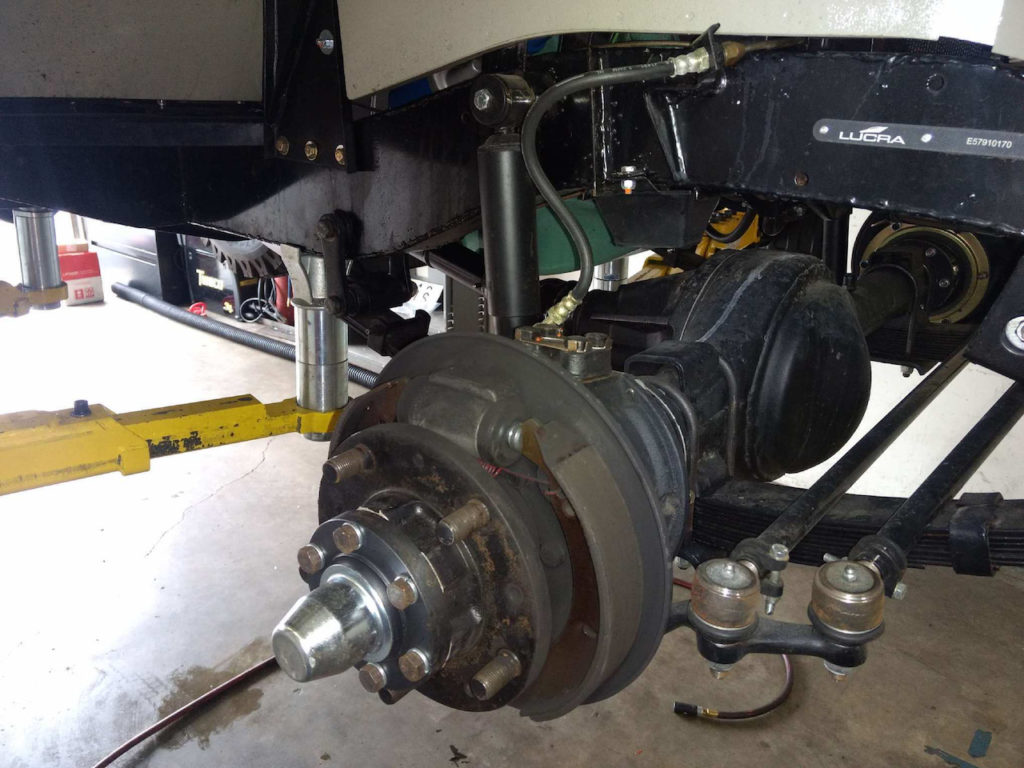
It’s been a long time since I drove a car (or truck) without power steering or brakes. The Land Rover has neither and I’ve been told it’s like learning to drive all over again. With that in mind, Mr. Wolf is giving extra attention to the brakes on my truck. Adjusting drum brakes is something of an art, I’m told.

70th anniversary of Land Rover

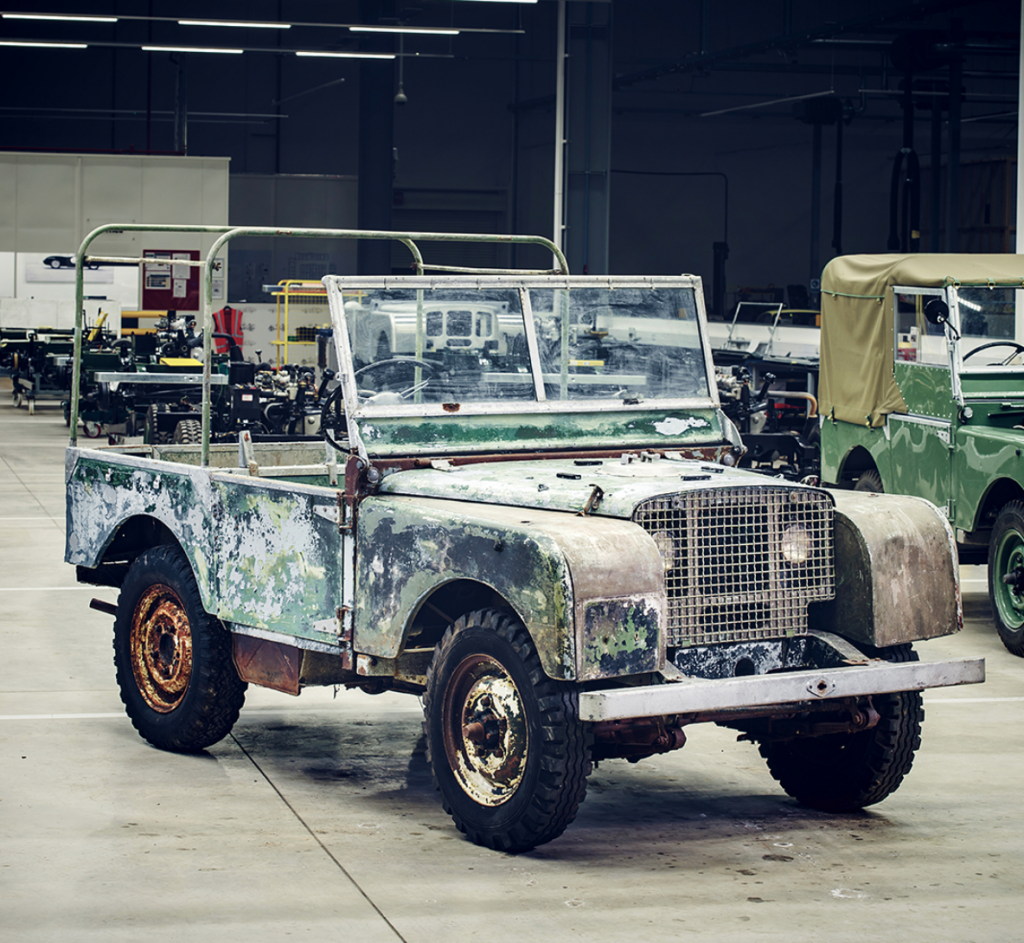
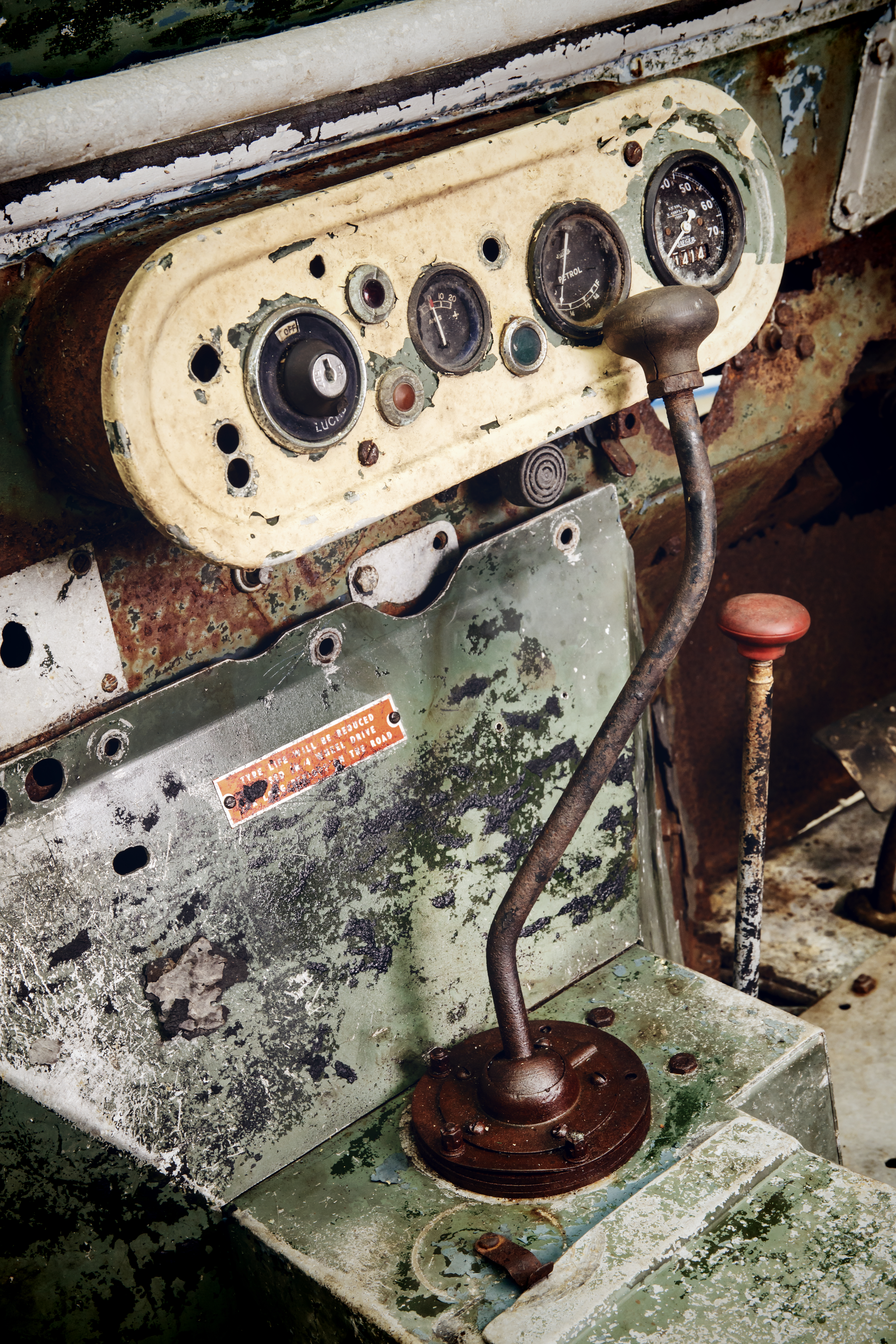
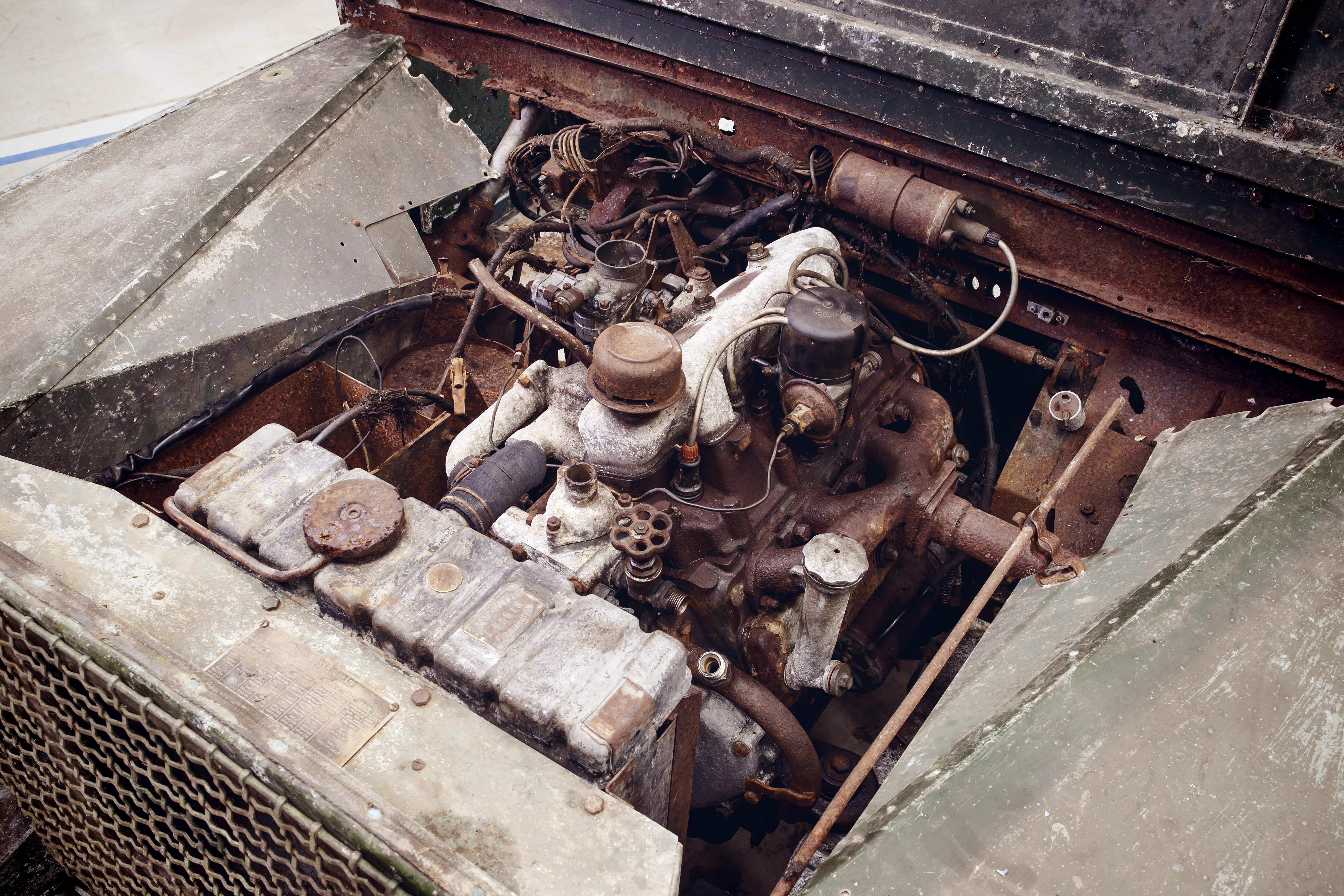
“Missing since the 1950s, this is one of the first Land Rover’s ever shown to the world in 1948. Recently rediscovered just a few miles from its Solihull birthplace in the UK, this is the world’s most historically significant unrestored Land Rover. As part of Land Rover’s 70th jubilee, the Land Rover Classic team is now beginning a sympathetic restoration to preserve it.”

Thanks to Andrew Lear.

George Tergin YouTube how-to videos

There is a YouTube video showing how to do just about any task or repair. Some of these are very well done and some are not. Because it is so easy to record a video and upload it to YouTube, there are some really bad ones. The two videos below are excellent and all the more so because they are first time videos. The two-part video demonstrates how to rebuild the diesel injector for a Ford 7.3 liter engine.


George Tergin is a local auto mechanic and businessman. He’s a regular at the coffee shop where I hang out and has been advising me on matters Land Rover related.

The production values in these videos are really good. The sound is perfect; lighting very good considering the video was recorded at a workbench in his shop; George’s presentation was clear, concise and easy-to-follow. Really hard to believe he has never done one of these. There were some nice small touches like speeding up screw tightening.

Rebuilding a diesel fuel injector seems pretty technical to me. Lots of little springs and rings and everything has to be put together just so. Making this seem simple in a how-to video is a very good trick. Especially on your first try. Bravo George. (And those who helped you)