Traveling Vintage Bus Mechanic

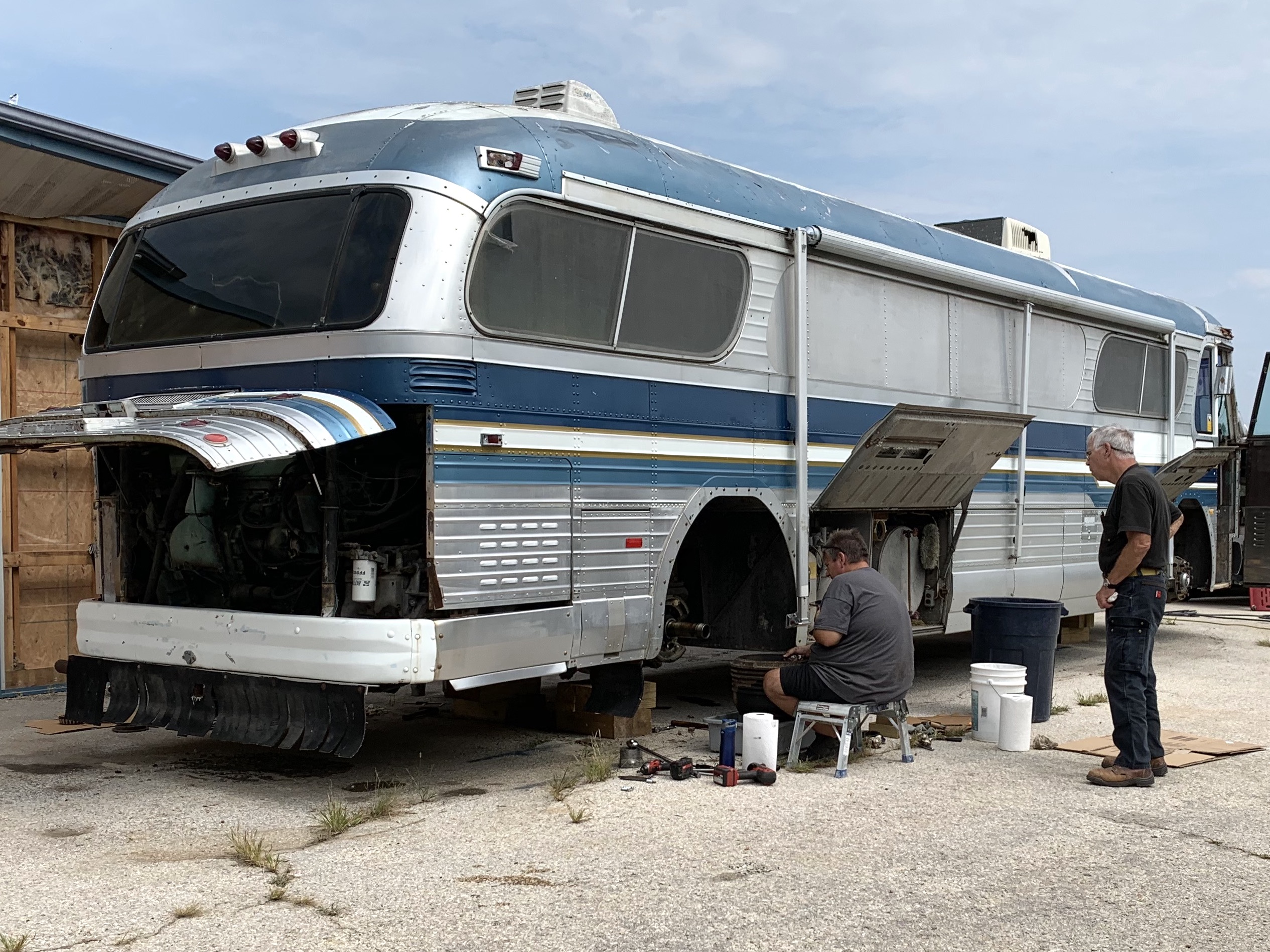
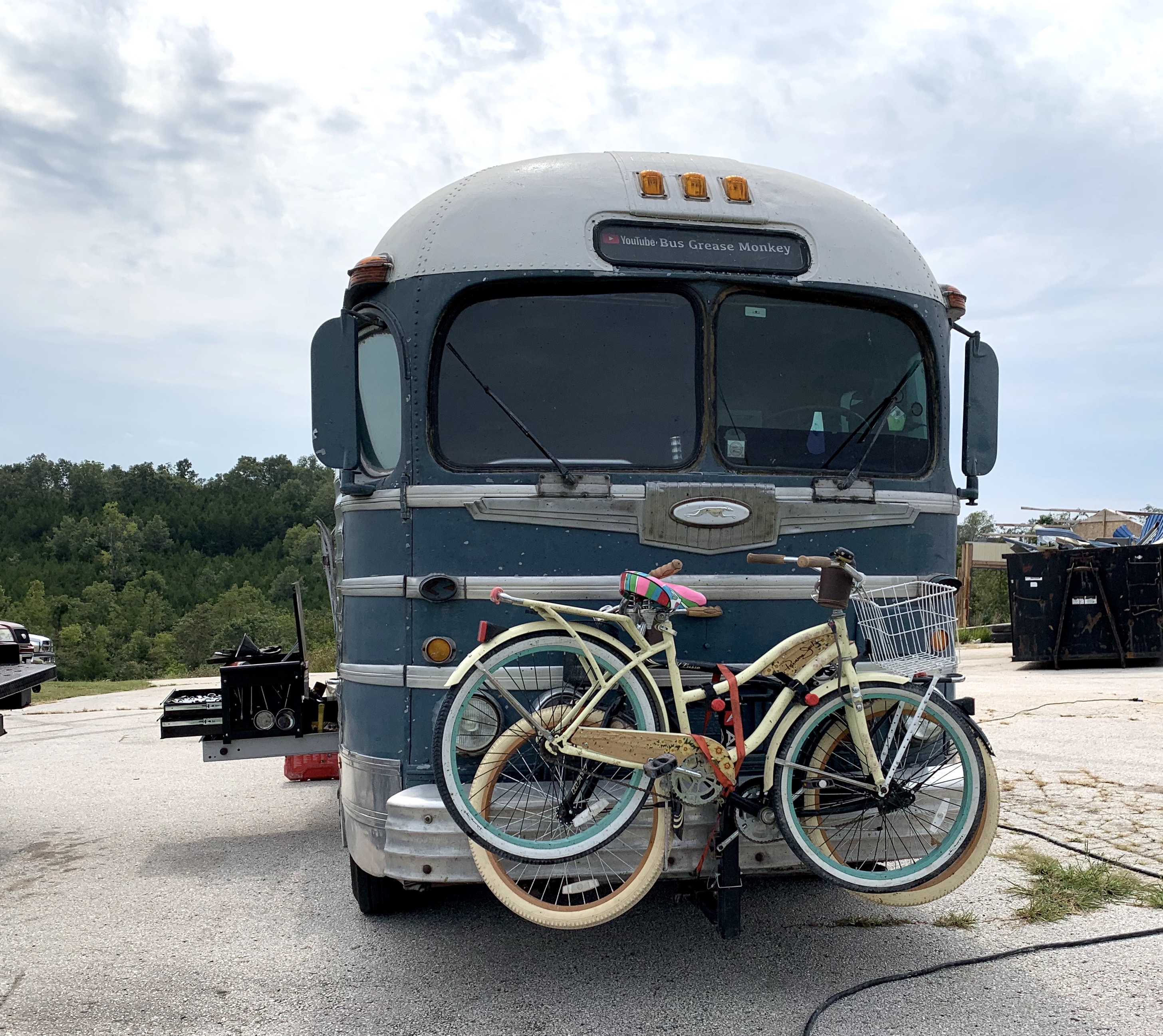
My friend George has a thing for old buses. He has two, one in better shape than the other. But both need work and they are not the sort of vehicles you can put on a trailer and take to the shop. So George called the “Bus Grease Monkey.Scott travels all over the country, working on old buses. Appropriately, he travels in an old bus (below). Don’t miss his “How I got in this business” video.
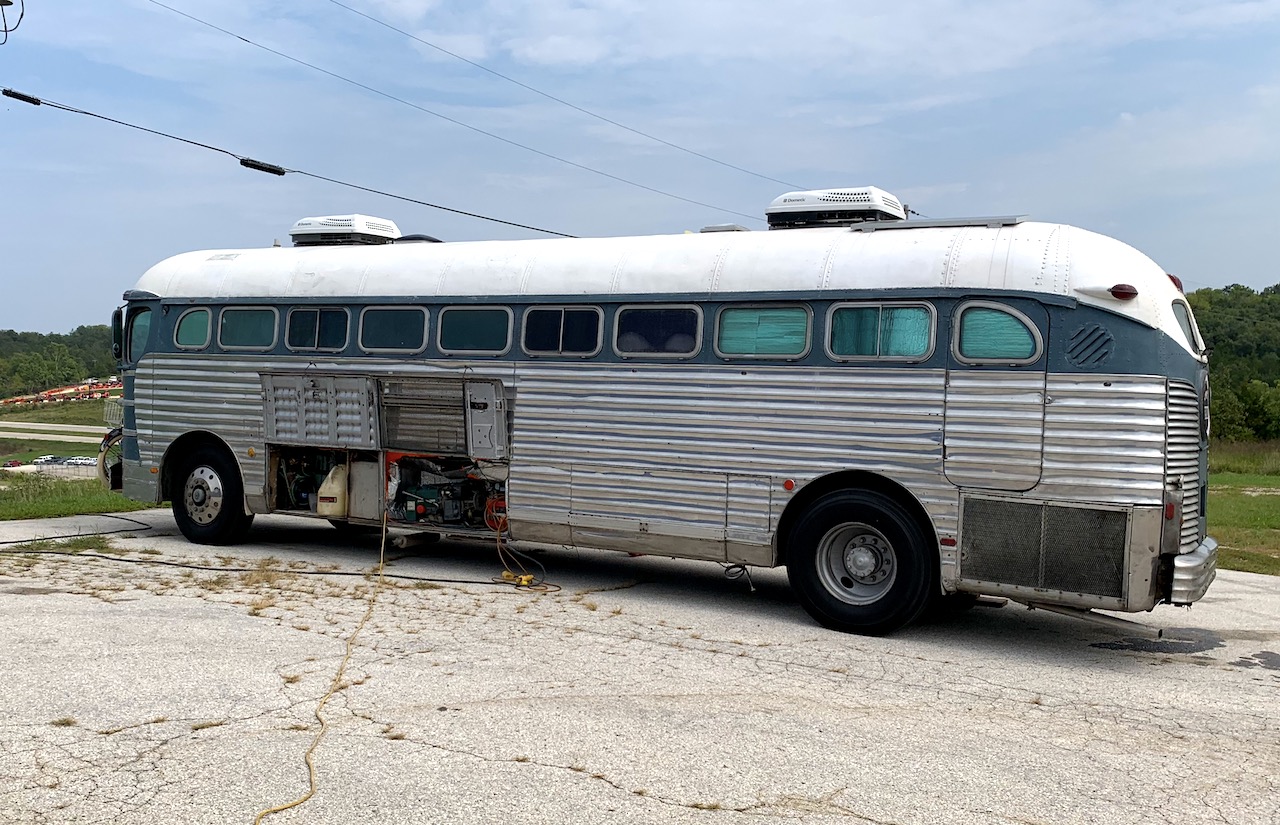
During the time I watched they were working on a wheel. Lots of phone calls trying to find parts for these ancient beasts. And everything is heavy.

I’m old enough to remember when a Greyhound or Trailways bus was a pretty nice way to get somewhere in a time before every man, woman and child had their own car. There are still a lot of these old buses out there. According to traveling bus mechanic, they built them really well until someone figured out they could sell more buses if they engineered in some planned obsolescence.

Update: Okay, I find this amazing. Scott has a very $ucce$ful YouTube channel. And after working his ass off yesterday in the mid-Missouri heat, he uploaded a couple of videos recounting the work he did on George’s video. And I think he was taking question live while streaming the video! Which is very detail and runs 30 minutes. This, my friends, is how you build a huge YouTube audience.
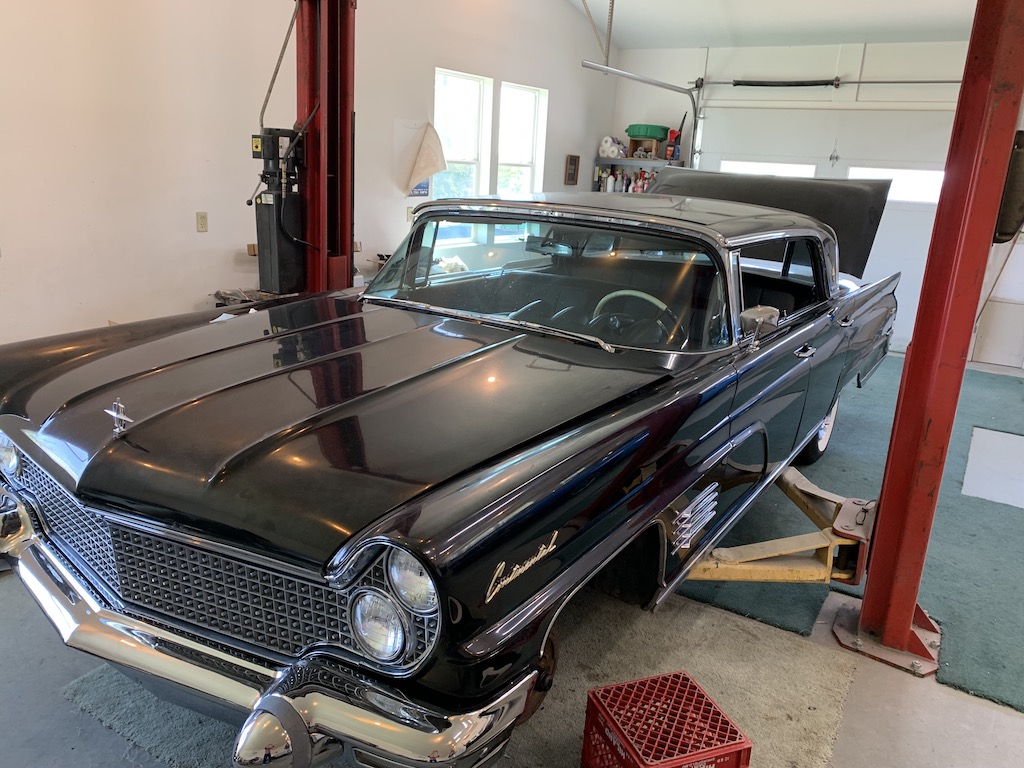
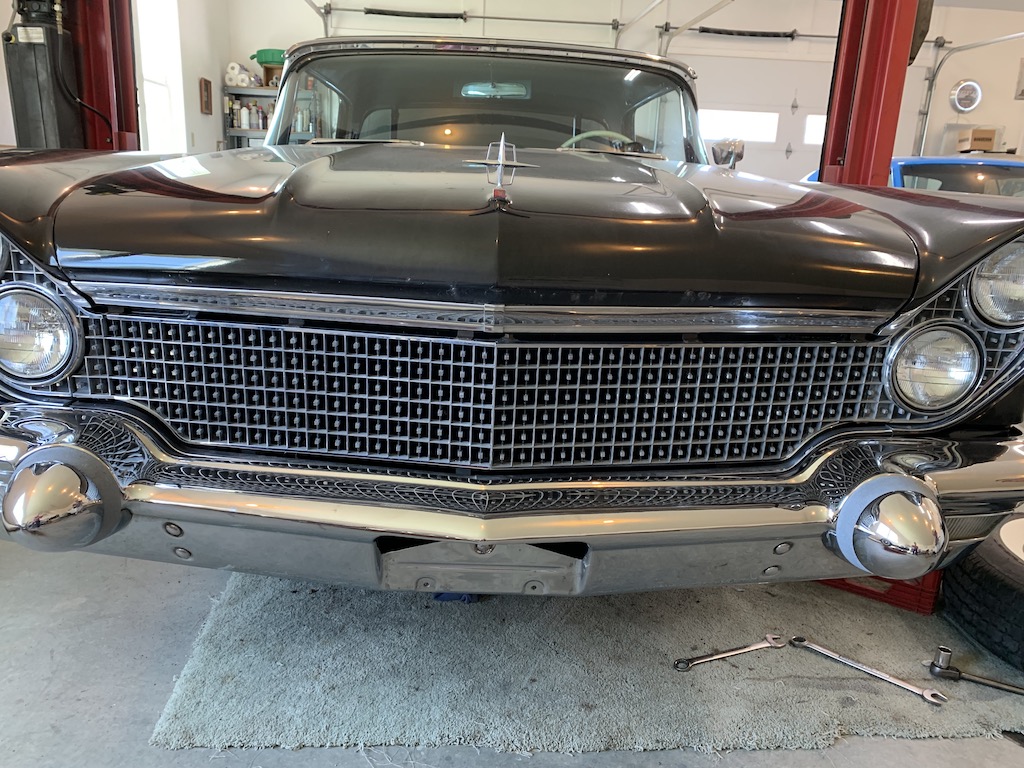
1960 Continental Mark V


Paul Bandelier’s latest project is a 1960 Continental Mark V. The Wikipedia entry confused me because it said the Mark V was made between 1977 and 1979. Car nerd that Paul is, he immediately provided the following explanation:

The 1956 Continental Mark II was it’s own unique car company that was supposed to capture the glamour of the 1940’s Continentals. The Mark II was the most expensive car in the world short of a certain Rolls Royce model.

After 1957 the Continental car company was liquidated and and for 1958 in an attempt to sell more cars the top of the line trim level was a Mark III. The same top tier trim level applied to the 1959 Mark IV and 1960 Mark V. This move may have sold a few more car but it also diluted the uniqueness of the 56/57 Mark II that was it’s own car company.

Fast forward to 1969. Lincoln says, we were just kidding about those big old 4 door boats being the exclusive Mark series. We’re going to start over and make the Mark series a unique 2 door personal luxury car again. Sooo in 69 we have the Mark III. That lasted until 71. In 72 there was a restyled Mark IV until the next body style change over and so on.

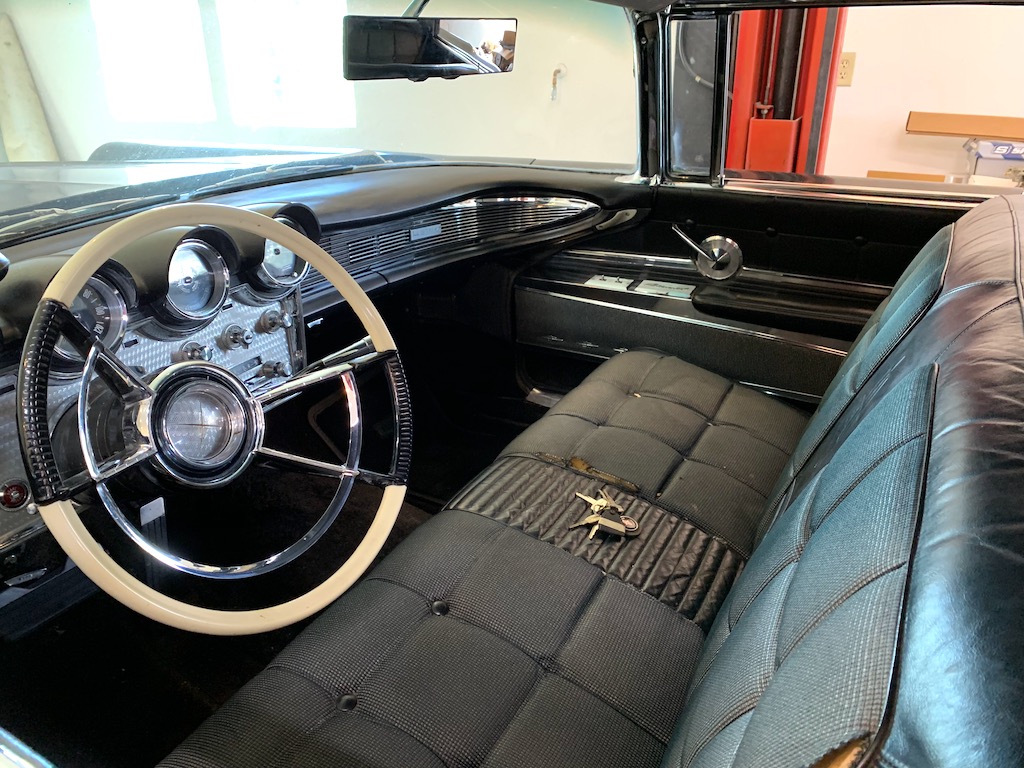
These photos don’t begin to capture the size of this monster. The seats are like large, living room sofas.

Paul shared another bit of trivia about these slanted rear windows but I can’t recall it.

I asked who might be a buyer for this baby when he gets it up to snuff and was surprised to learn the Scandinavian countries are the top market. For some reason, they love big old American cars.

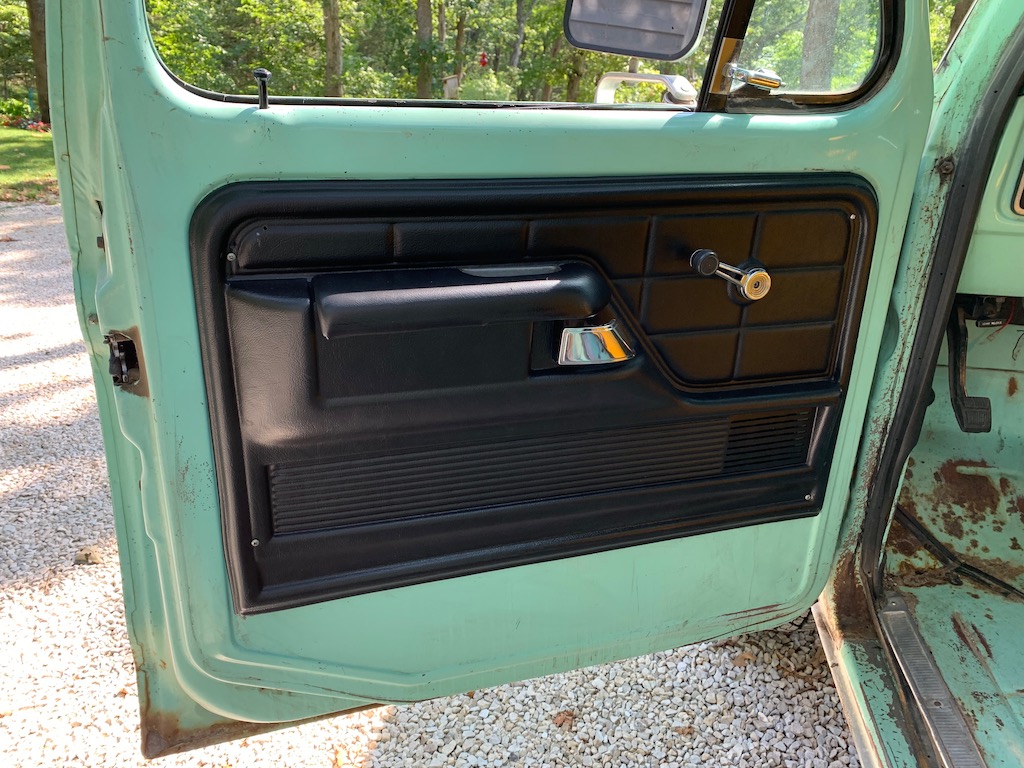
New door panels for pickup


The driver-side door panel on the pickup was falling apart when I bought the truck so a few weeks ago I just took it off. I thought I’d just leave it like that but there was no place to rest my elbow so I ordered a set of after-market panels. They came with little attachment gizmos that I couldn’t make work so I just drilled some holes through the plastic and into the metal of the door.

Next enhancement is replacing the driver-side shoulder harness with a simple lap seatbelt. Never cared for the shoulder harnesses and the Land Rover doesn’t have them, so…

Off-road on the PGT

There are some beautiful places in Missouri but one of my favorites is the Prairie Garden Trust, managed by my friend Henry and his wife Lorna. I’ve posted about it here many times.
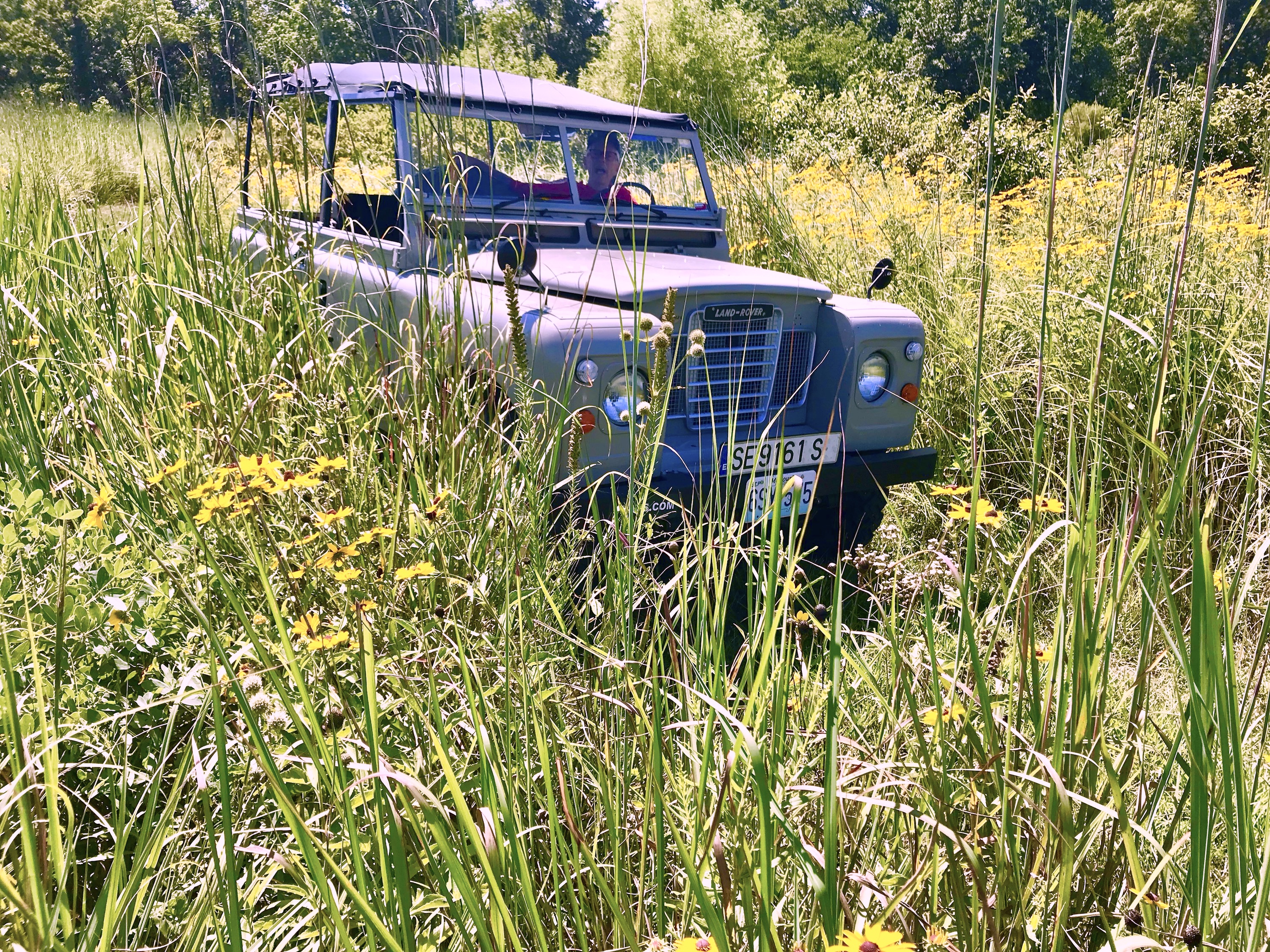
Henry and I usually walk but today we took the Land Rover. (The hot, dry summer made it safe to drive on the prairie without leaving ruts.) Henry took us to some spots where we got to engage the four-wheel drive (low range!) and the truck performed beautifully.

Bay Area pickups

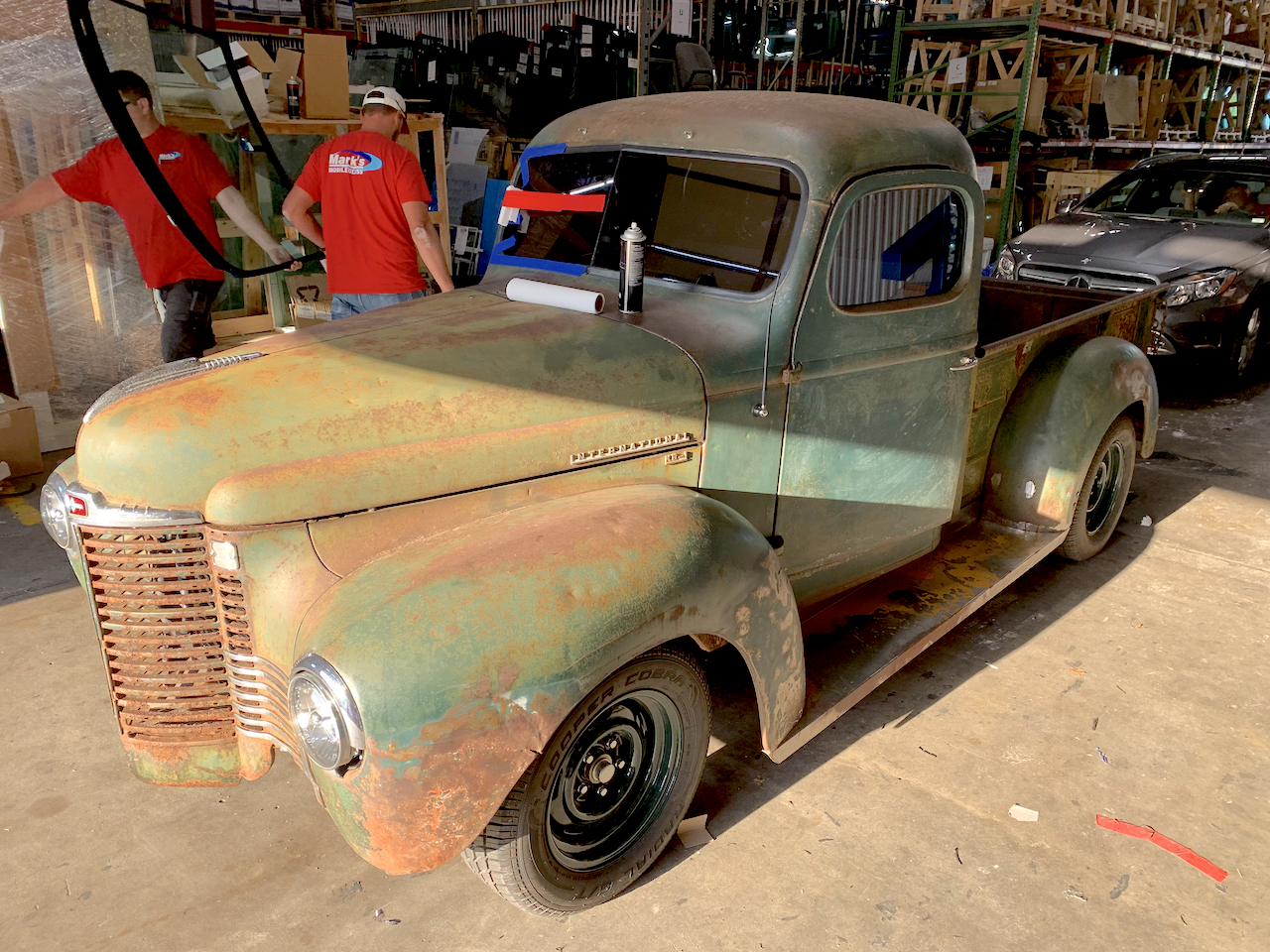
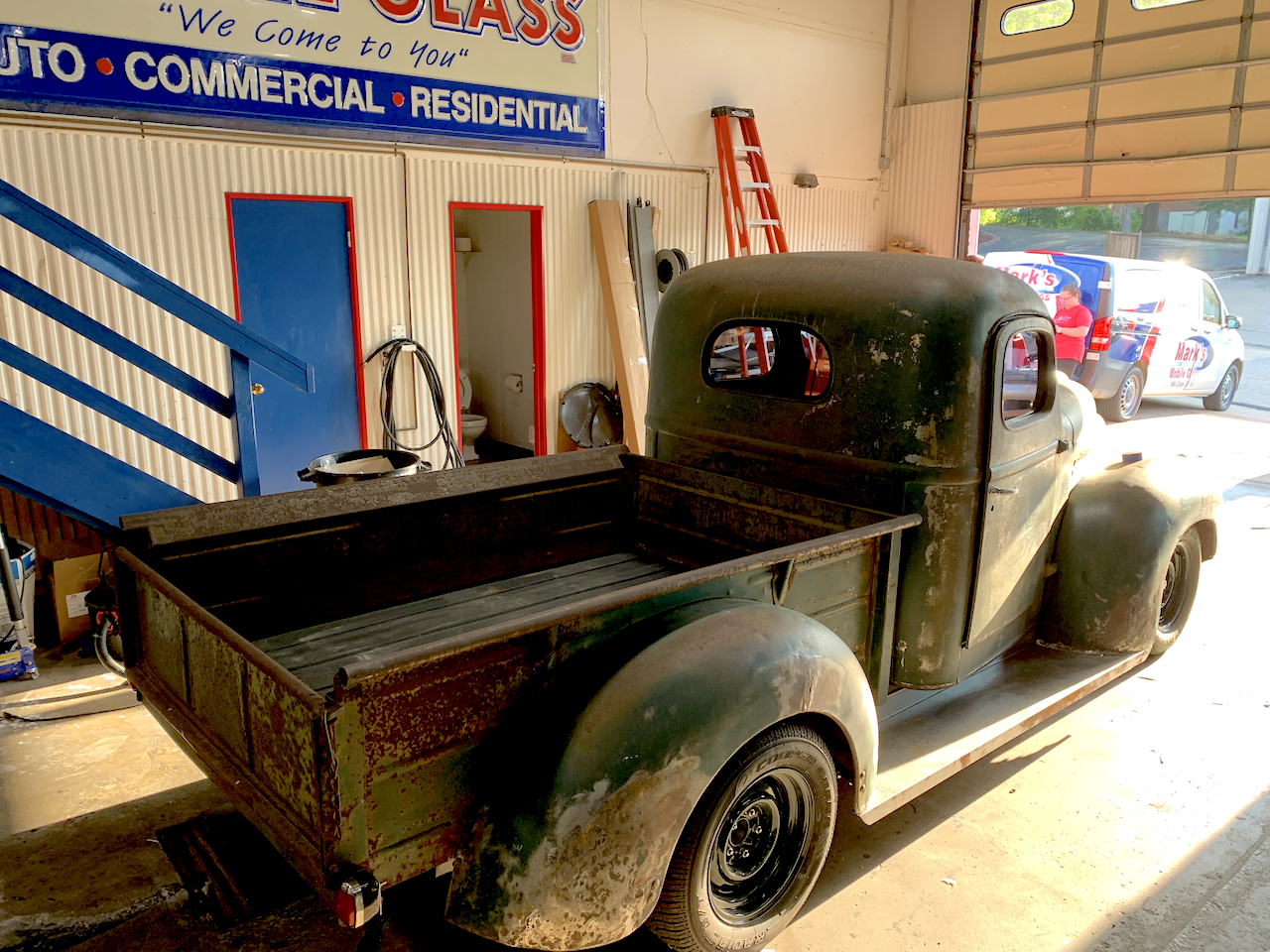
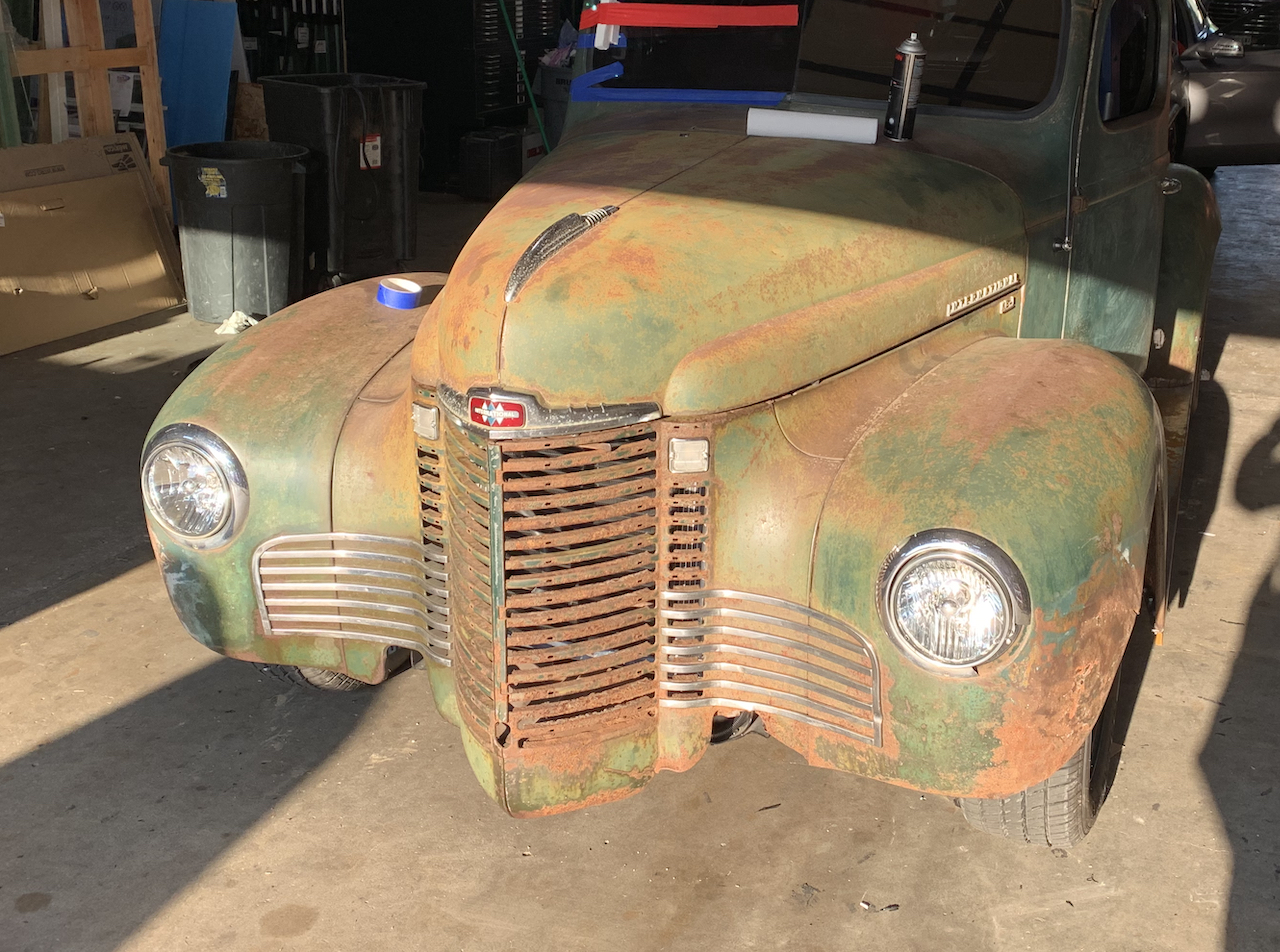
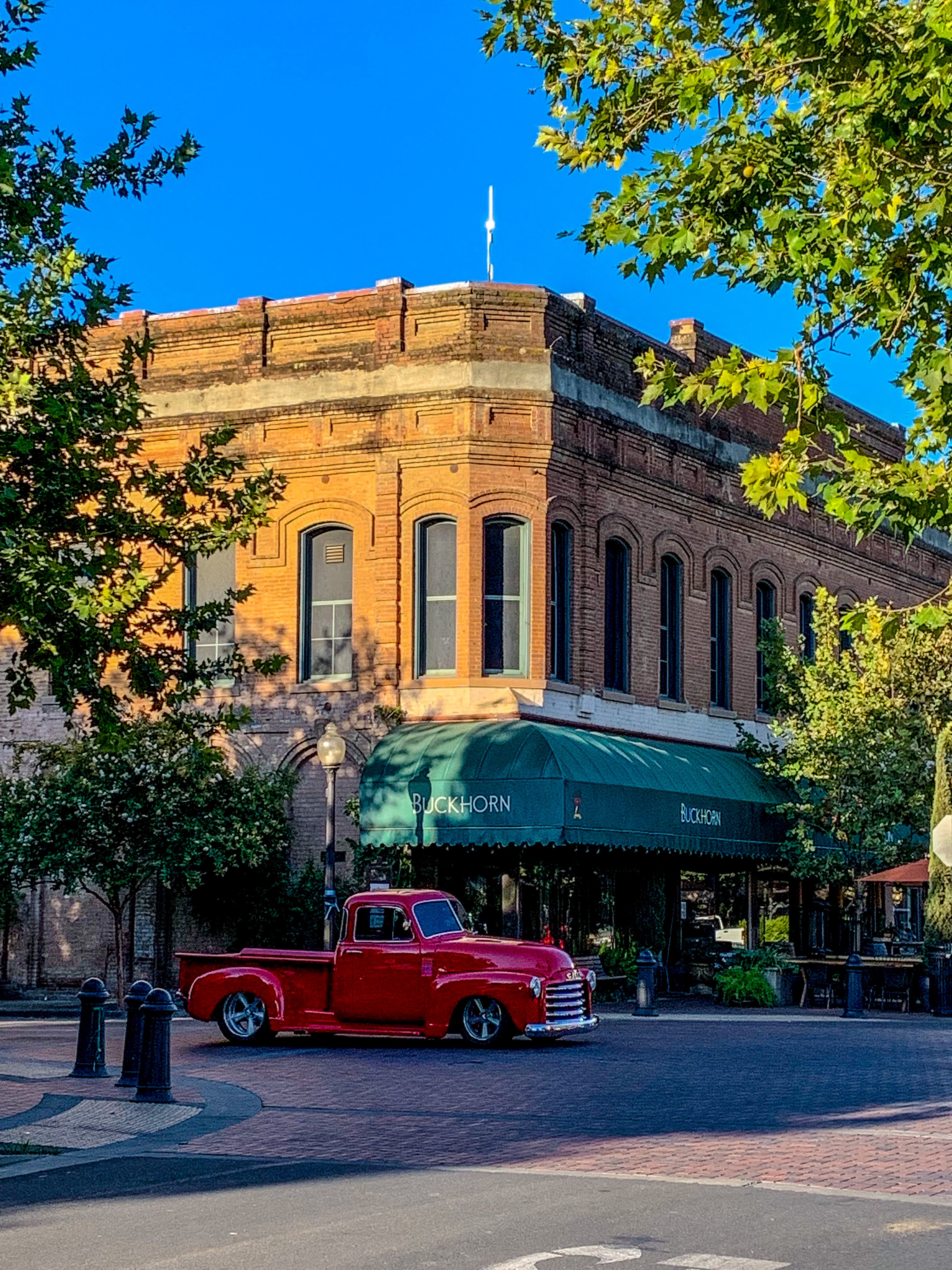
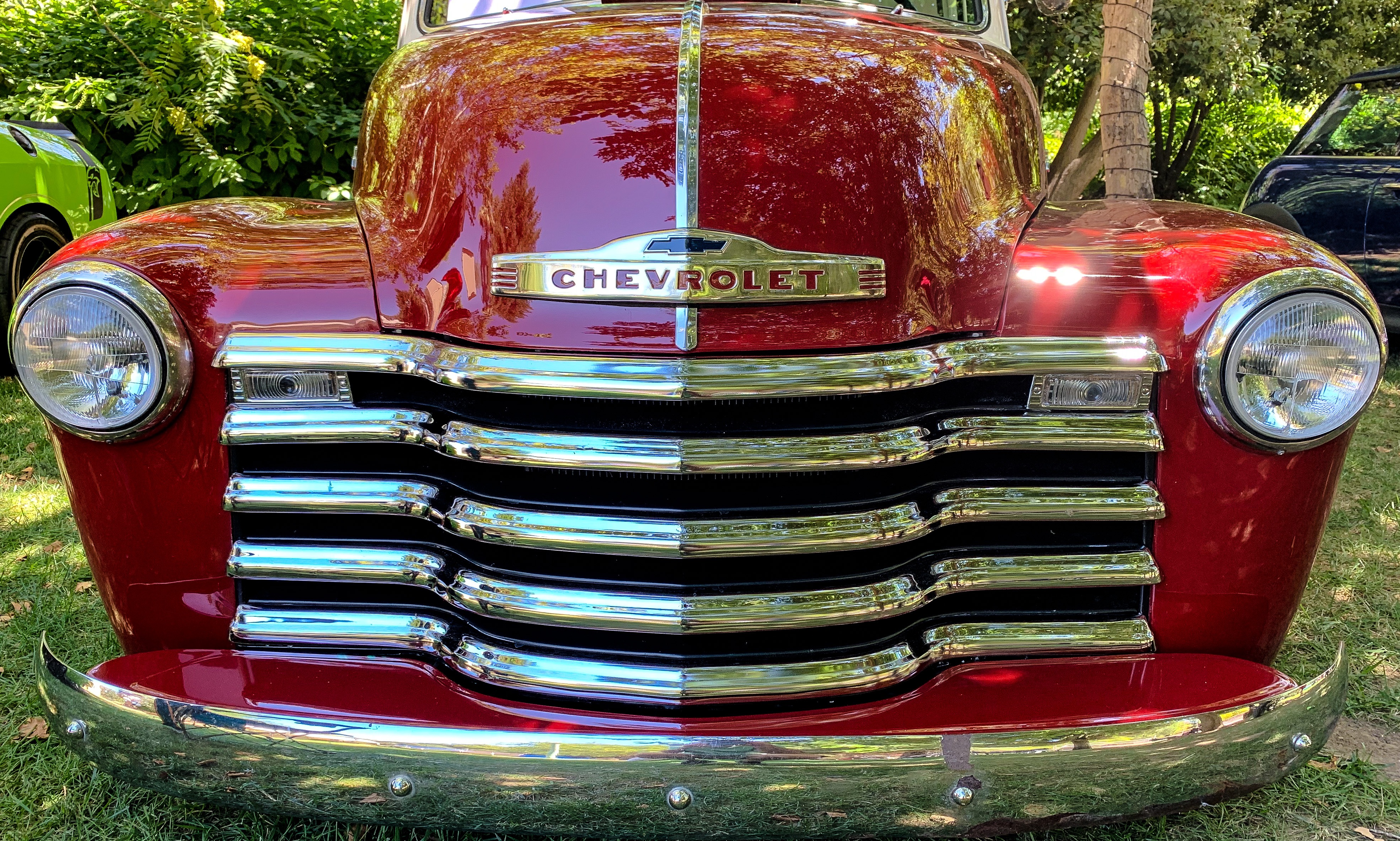
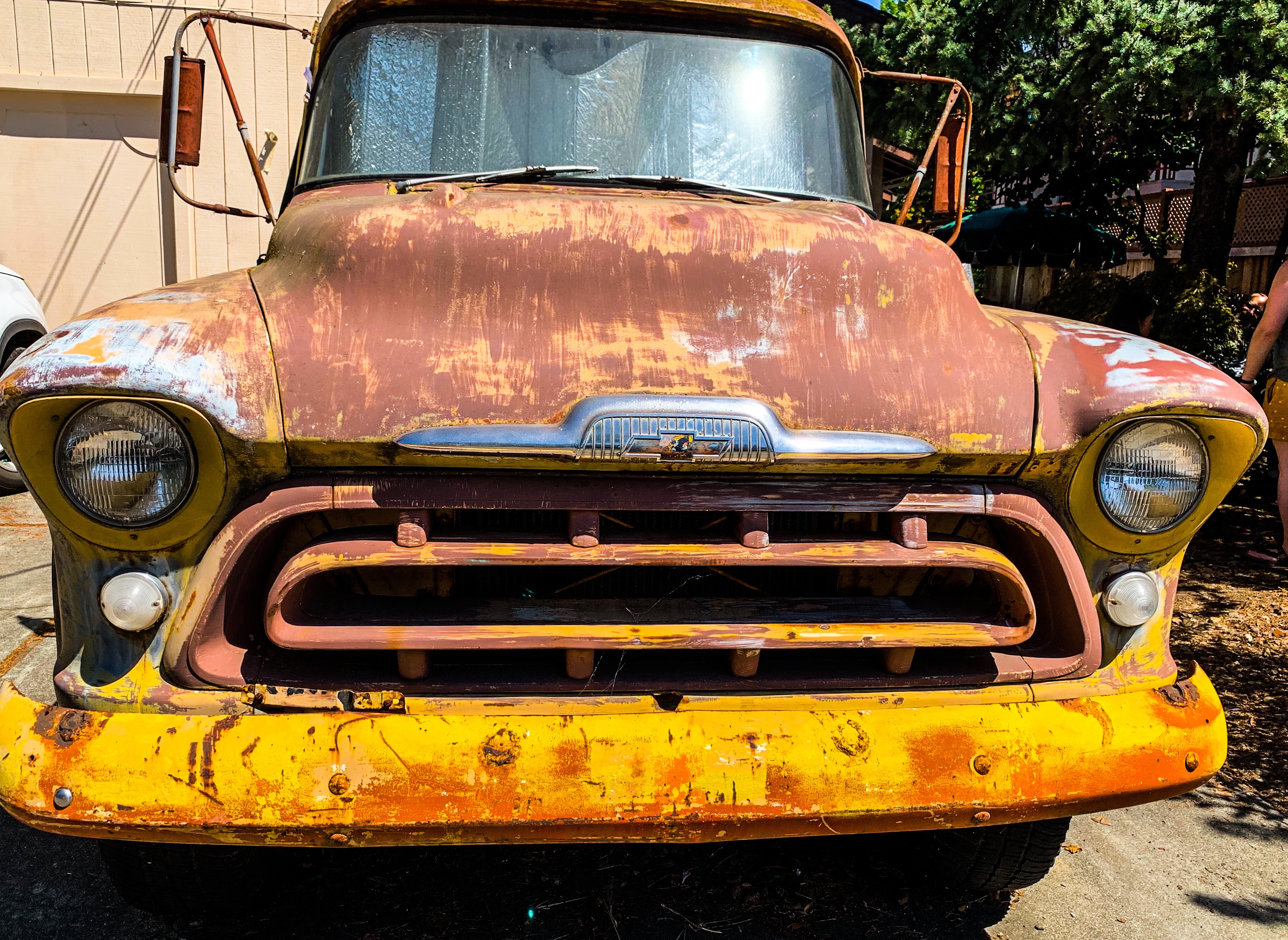
Richard Handlen (an old friend who lives in the Bay Area) shares my love for old pickup trucks and shared a couple of photos.

He spotted this beauty (above) at the Green River Brewing & Taproom Car Show in Winters, CA.

And he found this monster at the Napa Porchfest (blocks and blocks of singers and bands, performing from yards and porches.

Why the Brits don’t make computers


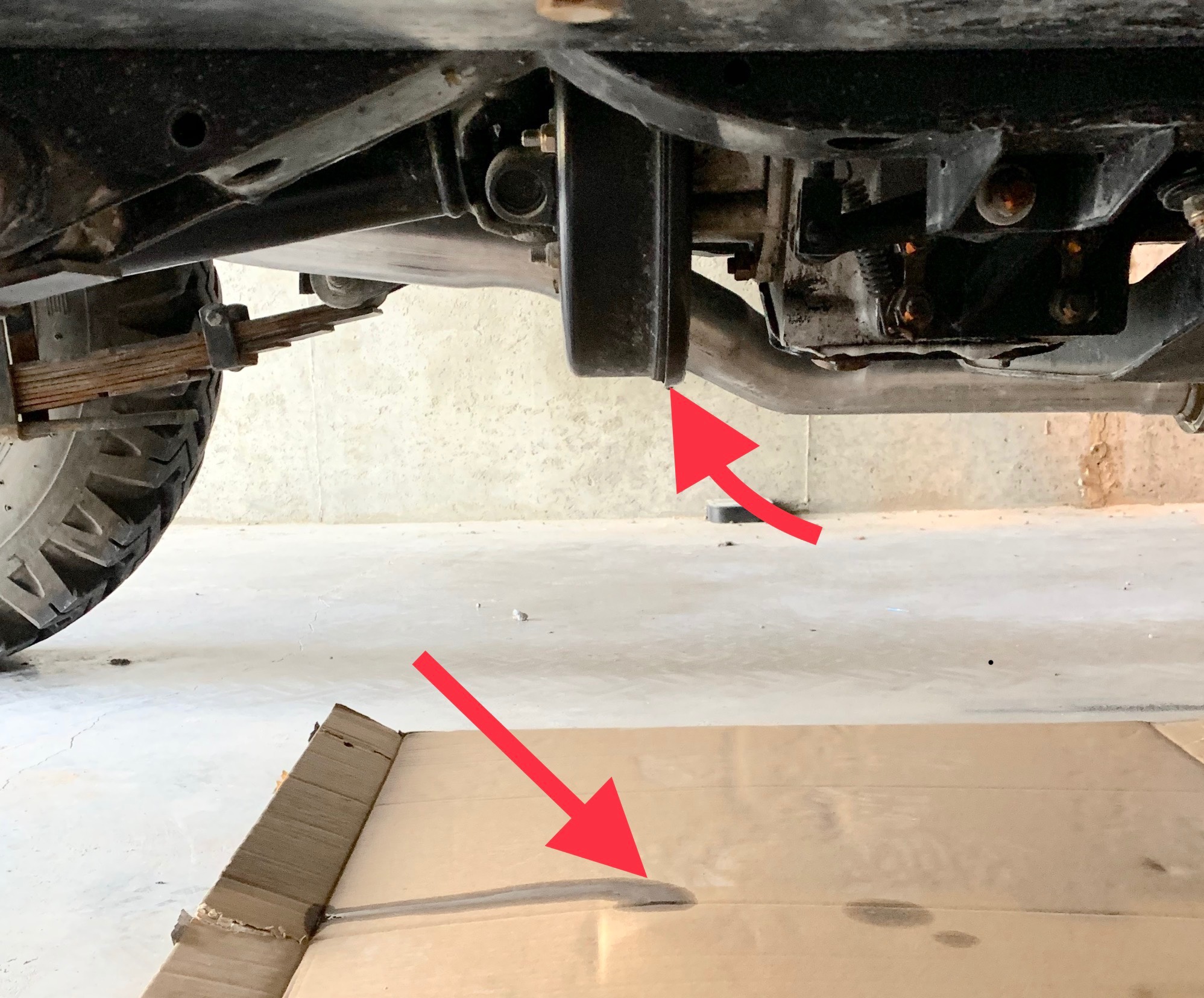
Spotted a new leak on the truck and reached out to my friend (and Land Rover expert) John Middleton:

Common place for them to leak. Rear transfer case output shaft seal. May need a speedy sleeve on the the output flange. The flange nut also might be loose. Eventually you will get oil on the parking brake shoes. All of mine have leaked or still leak there. If it stops leaking it means the transfer case has run out of oil!

Very hard to find a Land Rover that does not drip some oil. As the tappet brothers proclaimed: “The British were not successful in the computer industry because they could not figure out how to make one that leaked oil.”

Land Rover: 8,000 km service

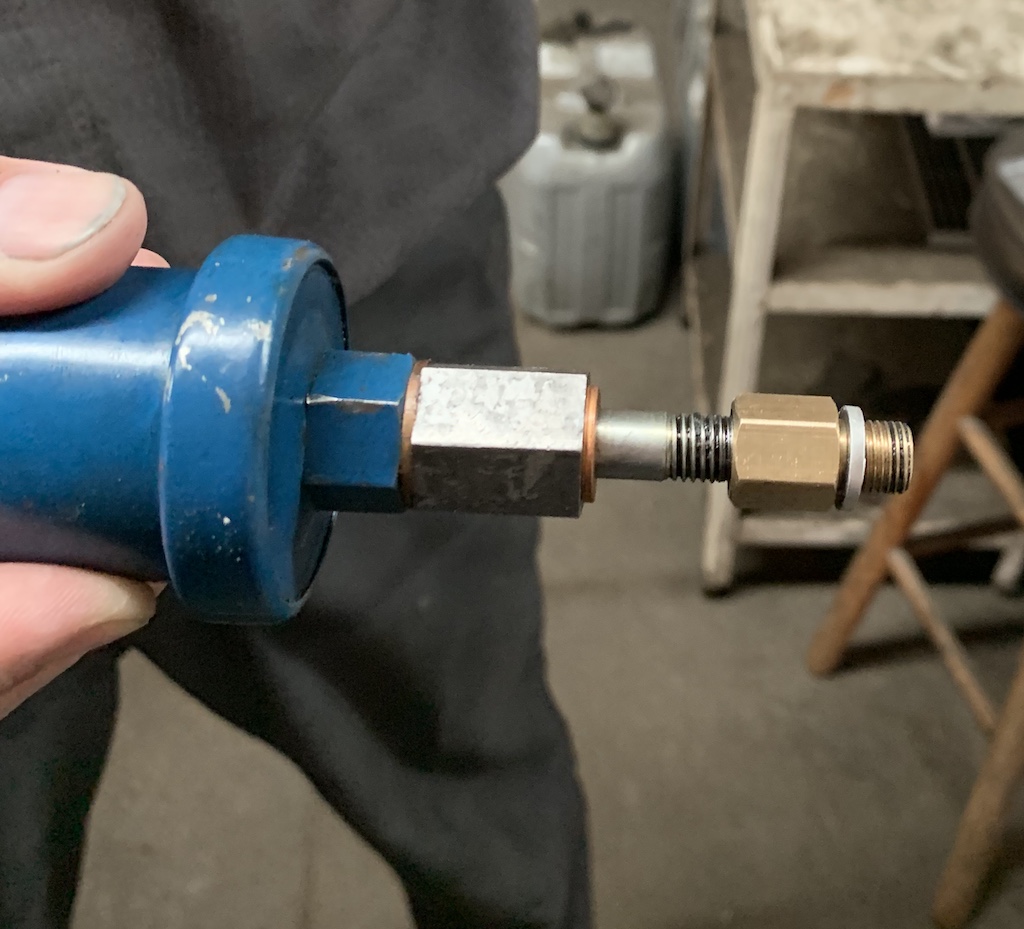
Took the Land Rover to Poettgen Automotive for oil change and service. Owner Dan Poettgen has experience with foreign vehicles and seemed the obvious choice to work on the Land Rover (since my buddy George’s shop got wiped out by a tornado). During his inspection he noticed a leak from the “oil pressure sending unit” and removed it to look for the cause.

Following some phone calls and online research, Dan determined the unit wasn’t installed properly. While waiting for the replacement part, Dan has me running with a unit from a 1977 Chevy Caprice! It works and has stopped the leak.

This little gizmo monitors oil pressure and sends info to a gauge and a tiny green light in the instrument panel. No idea why the Santana Land Rover folks use a green light to indicate low oil pressure. (I have to get in the habit of watching oil pressure more closely.)

In just over two weeks I will have been driving the truck for a full year. Next project: a little body work on the hard-top to repair tornado damage. Hoping to keep the soft top on through September.