D-Day plus one

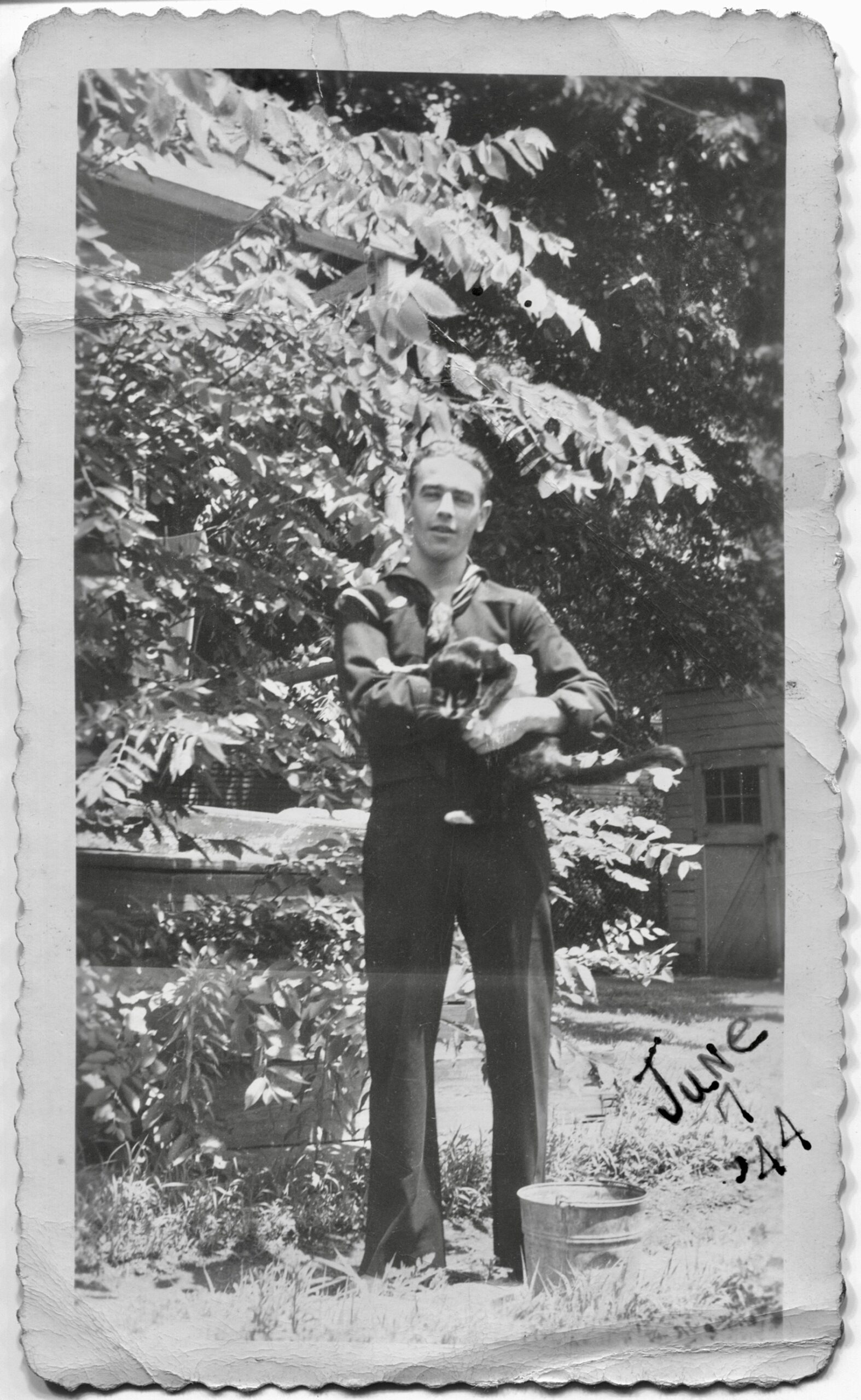
Don Mays in his Navy uniform on June 7, 1944

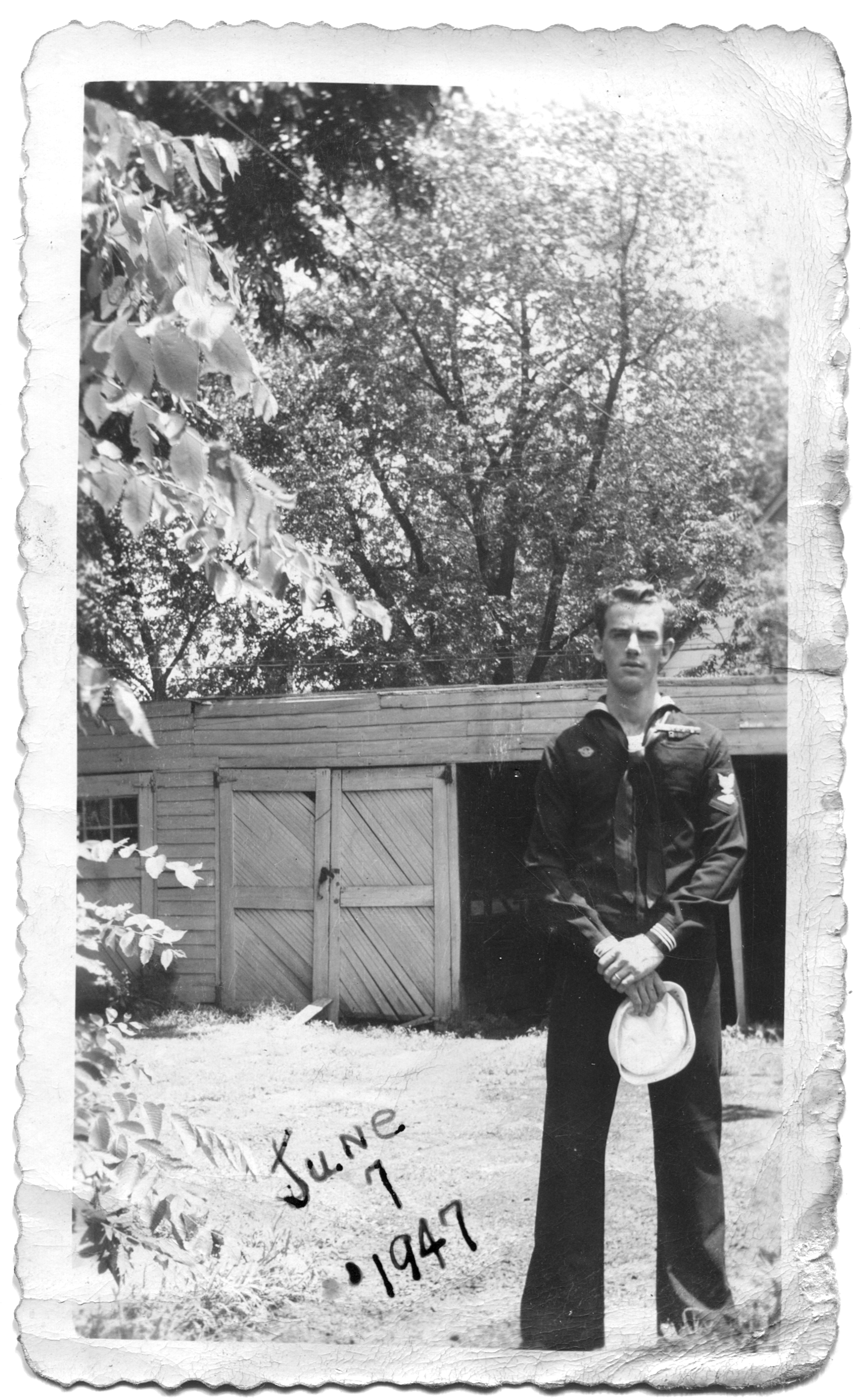
I’ve seen these photos hundreds of times but never spotted the significance of the date. June 7, 1944. The day after the D-Day invasion of Normandy in WWII. Other war news from that date:

  • German submarine U-629 was sunk in the English Channel by Allied aircraft.
  • The USS Susan B. Anthony struck a mine and sank, though all 2,689 aboard were saved.
  • Japanese destroyer Hayanami was torpedoed and sunk by the USS Harder

The simple addition of the date adds so much to the photos.

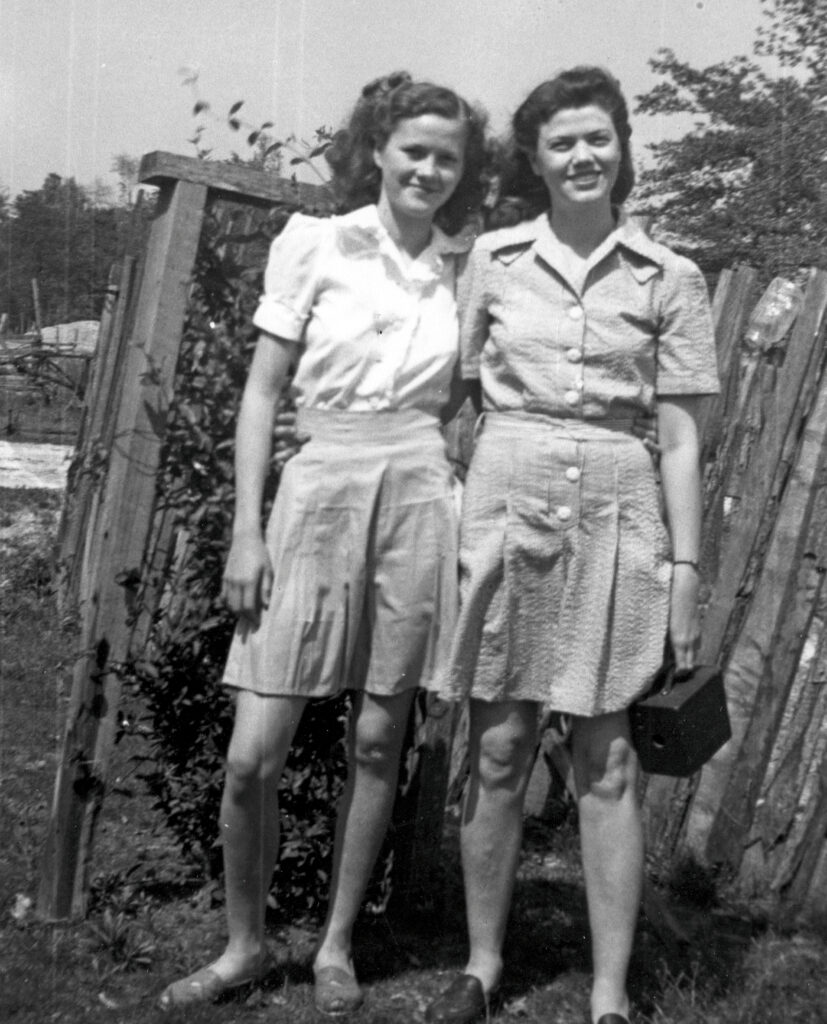
Evelyn and Marie: Brownie box camera

The photo above (my mom and Aunt Marie) was probably taken sometime in the mid-1940s on the family farm near Broseley, Missouri. I’ve seen this photo countless times but not sure I’ve noticed the camera in my aunt’s hand. A little history from ChatGPT:


The “Brownie” box camera, introduced by Kodak in 1900, was a revolutionary development in photography. Designed to be affordable and easy to use, it brought photography to the masses and helped popularize snapshot culture.

Key Points in Brownie History:

  • 1900: The original Kodak Brownie was released for just $1, with film costing 15 cents per roll. It featured a simple cardboard box design with a fixed-focus lens and a single shutter speed.
  • Early Success: The Brownie was heavily marketed to children and amateur photographers, making it one of the first truly accessible cameras.
  • Evolution: Over the years, the Brownie evolved with different models, materials (from cardboard to metal and plastic), and features like built-in flash units.
  • Cultural Impact: The Brownie was instrumental in capturing everyday life, historical events, and even wartime photography. It remained popular for much of the 20th century.
  • End of an Era: Though production slowed in the late 20th century, the Brownie’s legacy continues as one of the most influential consumer cameras ever made.

Evelyn: Before digital photos

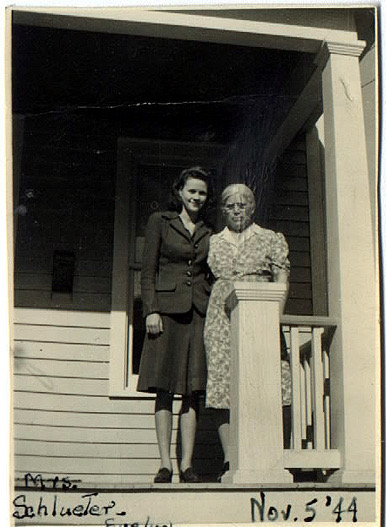
The photo below is one of hundreds I hauled down from the attic after my parents died. No idea who Mrs. Schluleter was but mom would have been living in St. Louis in November of of 1944. I get chills thinking about what mom’s hand-written metadata adds to this photo. (see ChatGPT info below) Allied forces had invaded Normandy just five months earlier and the outcome of the war was still far from certain. My father enlisted in the Navy in May of 1943 and was discharged in March of 1946 and saw a lot of action (which he never talked about) in the Pacific.

Some might argue that today’s digital images are rich in data but most people I know simply shovel hundreds (thousands?) of digital images into the cloud with little or no context.

On November 5, 1944, the world was deep into World War II, and several significant events took place:

  • Allied Advances in Europe: Canadian and British forces liberated Dinteloord in the Netherlands. Allied troops also reached Zoutelande on Walcheren Island, continuing their push to secure key positions in Western Europe.
  • Pacific Theater Operations: U.S. Task Force 38, under Admiral McCain, launched strategic military operations targeting Japanese positions on Luzon and surrounding areas. During these operations, the aircraft carrier USS Lexington was heavily damaged by a kamikaze attack.
  • Bombing of Singapore: U.S. Army Air Forces’ Twentieth Air Force B-29s, based in Calcutta, India, began occasional attacks on drydock and ship repair facilities in Singapore.

These events highlight the intense and widespread military engagements occurring across multiple theaters of the war at that time.

Paul C. Miltenberger: Hero

While cleaning out our basement, Barb came across the wonderful letter her father sent from Luzon in 1946 (PDF). At Barb’s suggestion, I prompted ChatGPT to tell me anything it could about the letter. Keeping in mind that AI’s get things wrong, I found the analysis interesting.
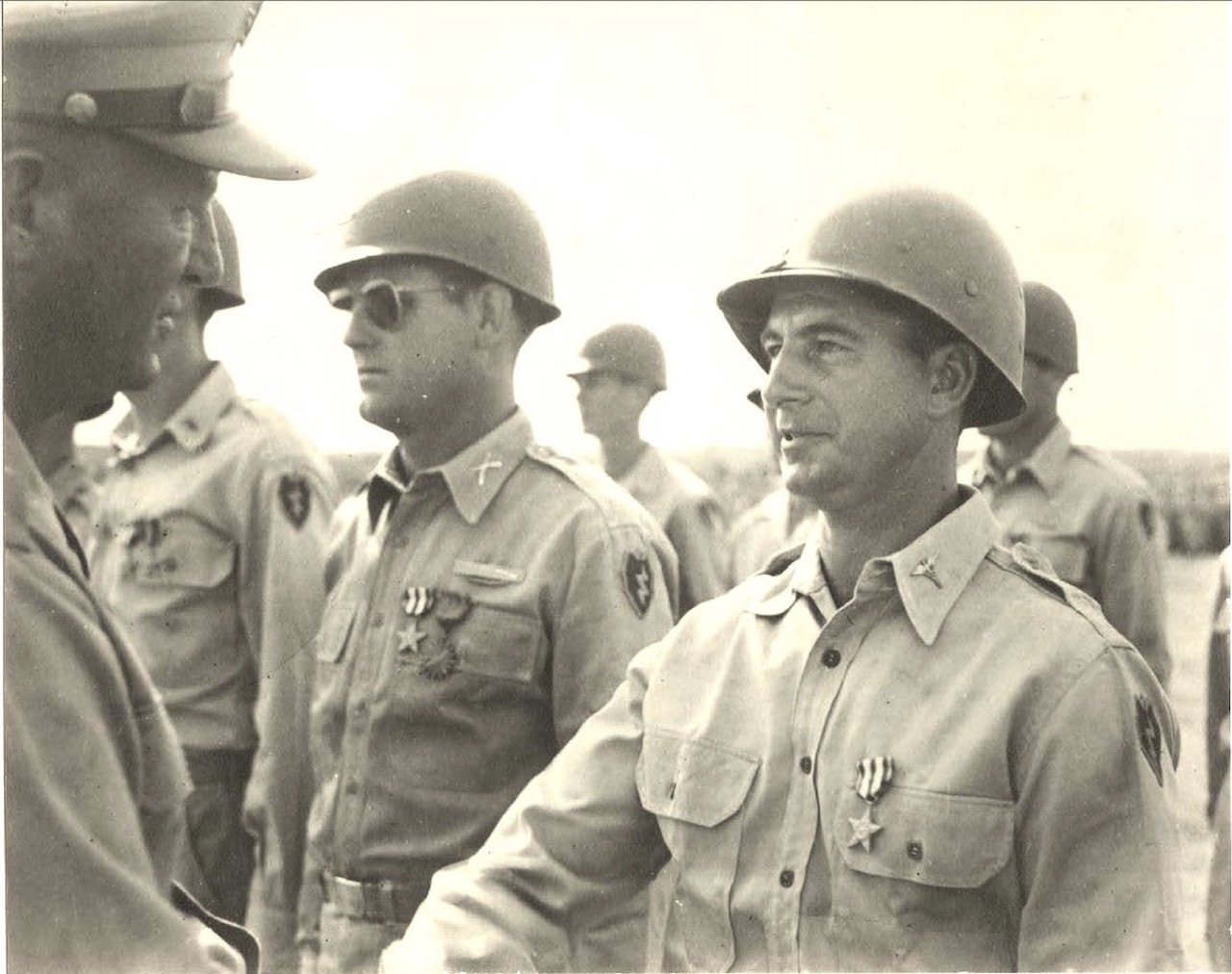

Barb’s father, the late Paul C. Miltenberger, receiving the Silver Star following the Battle of Luzon in WWII. Dr. Miltenberger. From the St. Louis Post, July 18, 1945:

Captain Paul C. Miltenberger, 29 years old, Army medical corps officer, has been awarded the Silver Star for gallantry in action last April 23 on Luzon. When a platoon sergeant had been seriously wounded and had fallen in an exposed sector of the jungle, Capt. Miltenberger dragged him 800 yards to a protected area where he administered first aid.

800 yards (almost half a mile) through the jungle, under enemy fire, is a long way. Dr. Miltenberger was one of the best people I’ve known in my life. I never heard him say an unkind word about anybody.

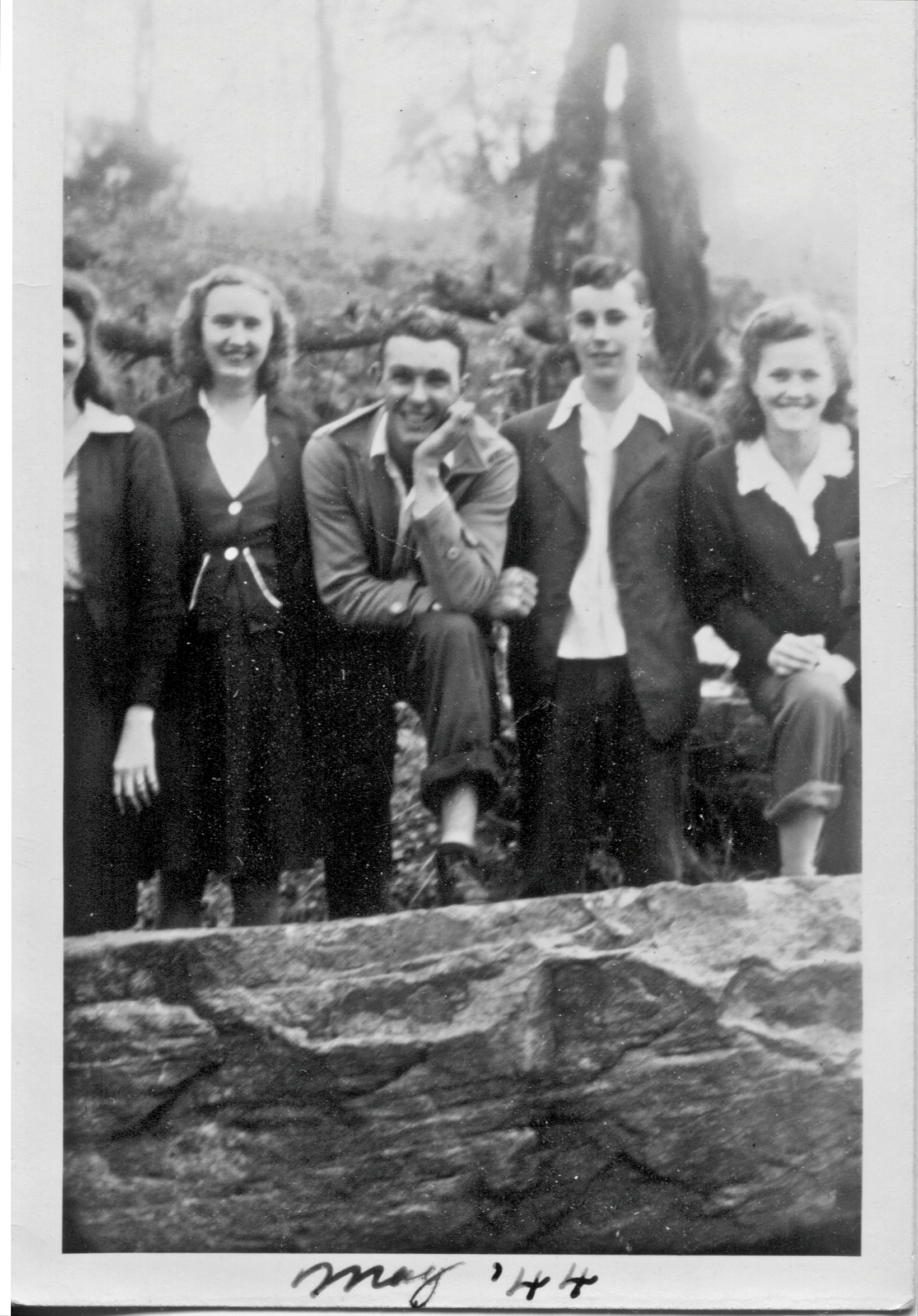
Broseley, Missouri High School Senior Class (1943)


Broseley, Missouri High School Senior Class of 1943. My mom (not in this photo) would have been 18 in 1945. She had a sweater like the one the young man on the left is wearing. I had (and wore) it for a while. Major news events of 1943:

  • Allied forces take back North Africa
  • Italy Surrenders to Allied Forces
  • Dambuster Raids on German dams
  • Warsaw Jewish Ghetto Uprising
  • Due to shortages America sees it’s first rationing
  • The Glenn Miller Orchestra provided the most popular music of the time.
  • The Pentagon, considered to be the world’s largest office building is completed

Memorial Day

John Mays

I’m fortunate to have a lot of photos of my father. At all stages of his life. This might be my favorite. When dad smiled in a photo it often came off as a grimace. When he did not smile, he could look pissed off or bored. This one works.