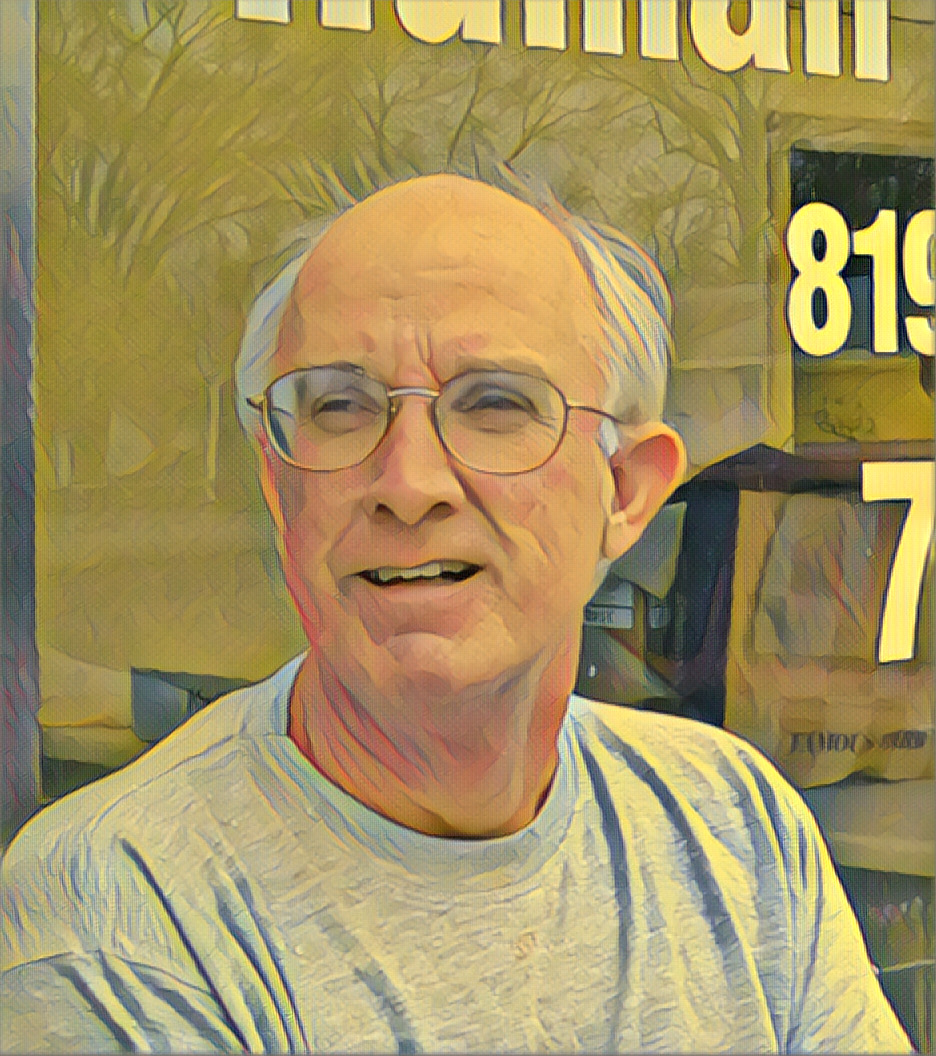
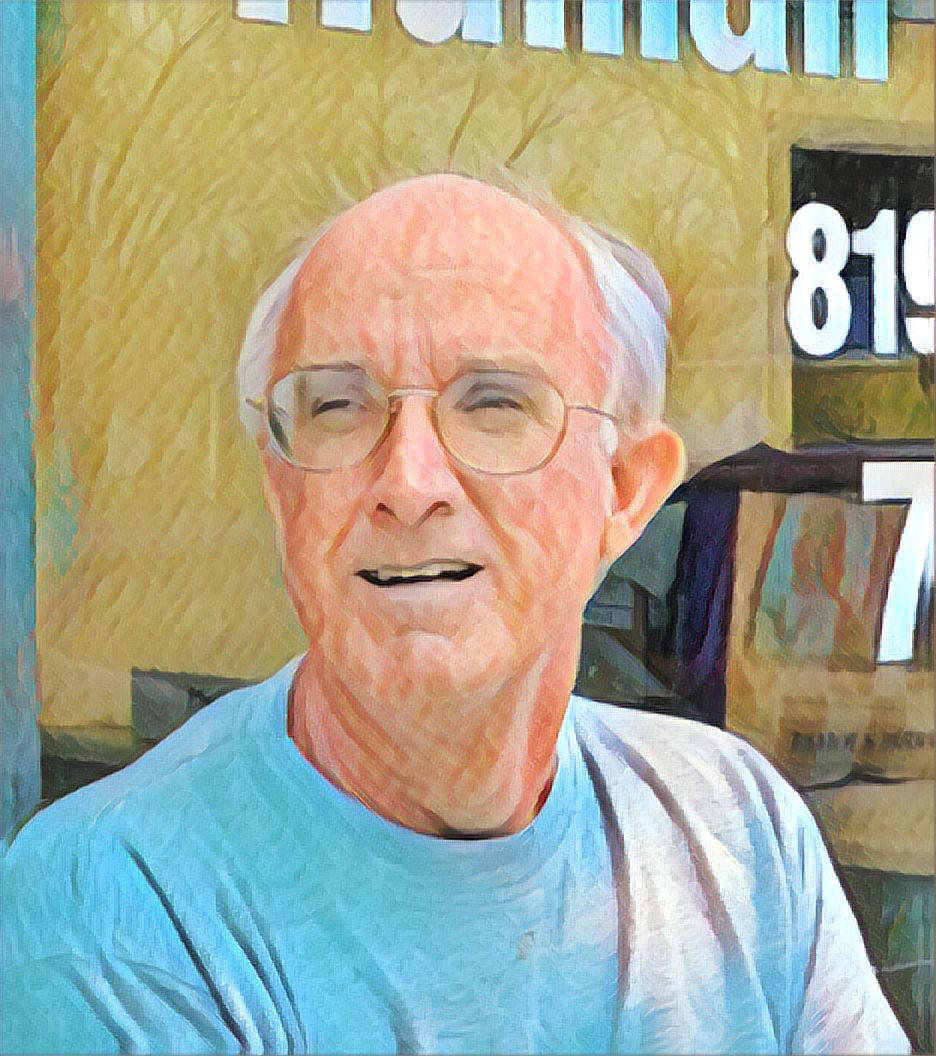
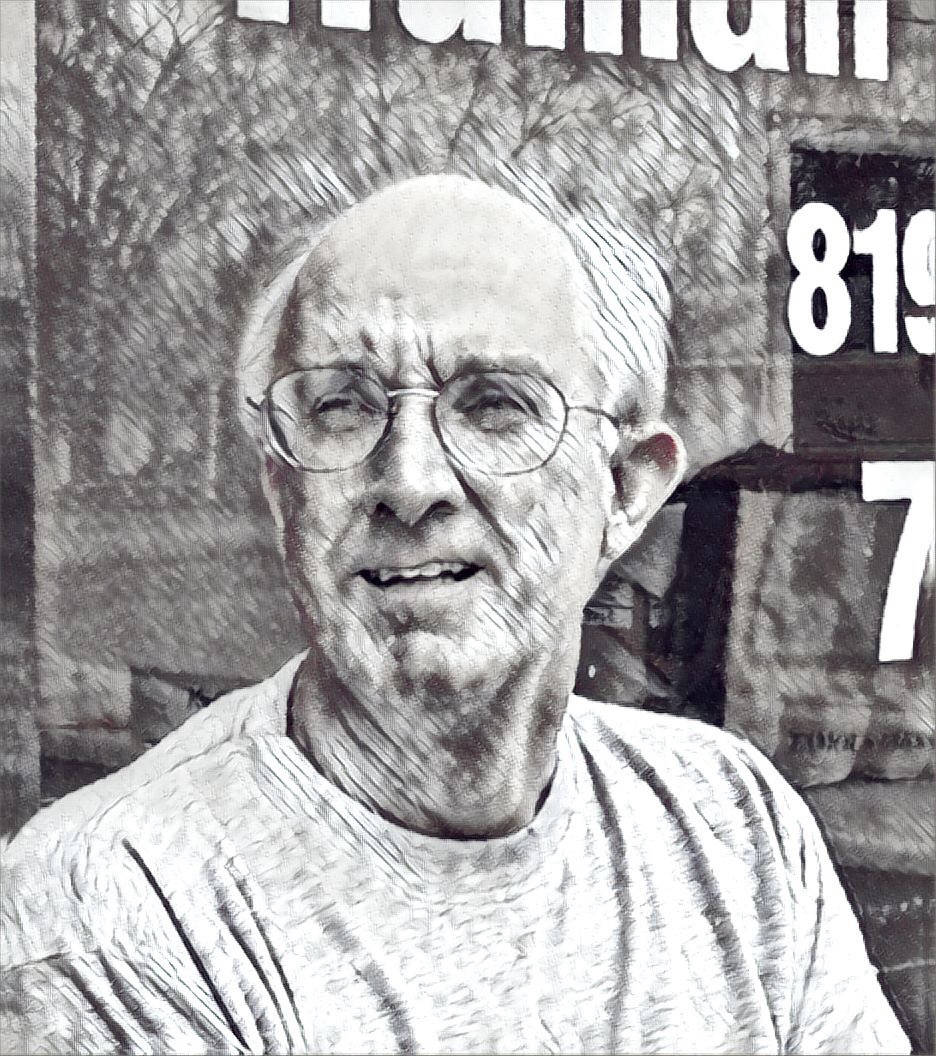
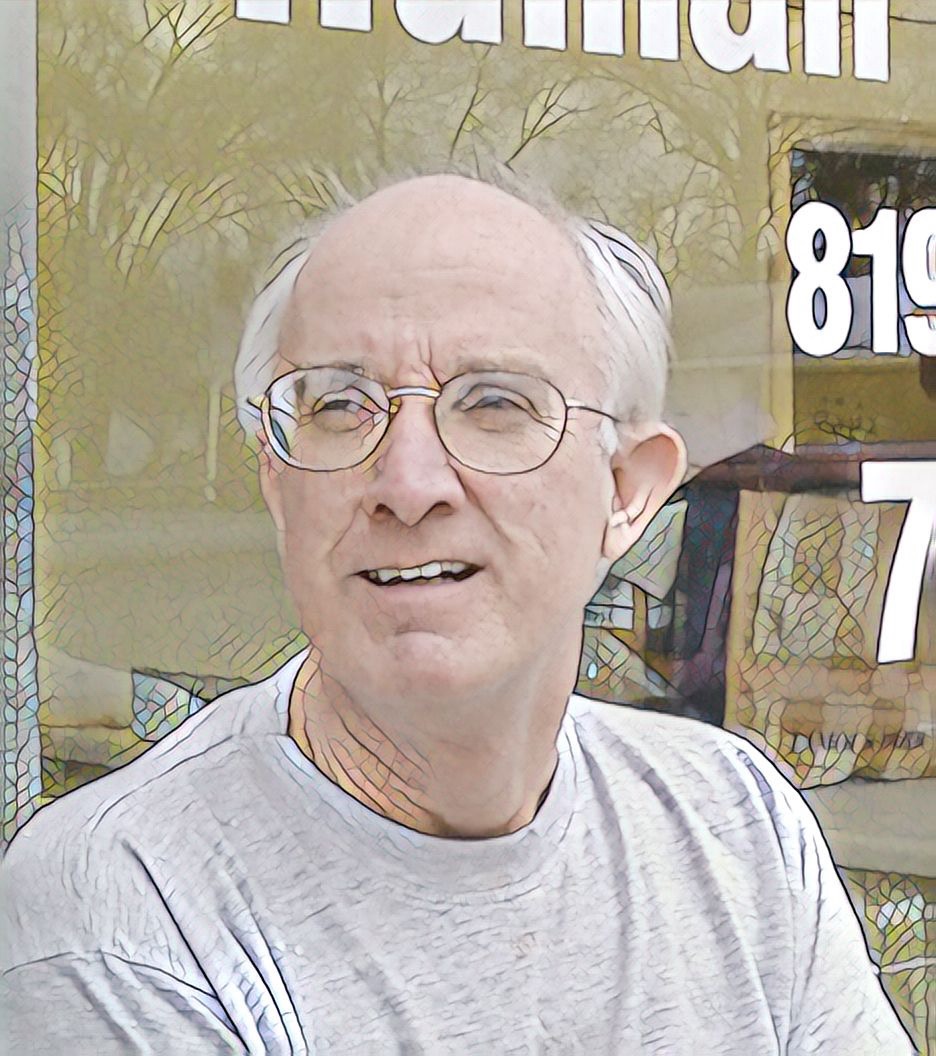
I uploaded this photo (of my mother and her brother) to ChatGPT and prompted it to create a fictional narrative.
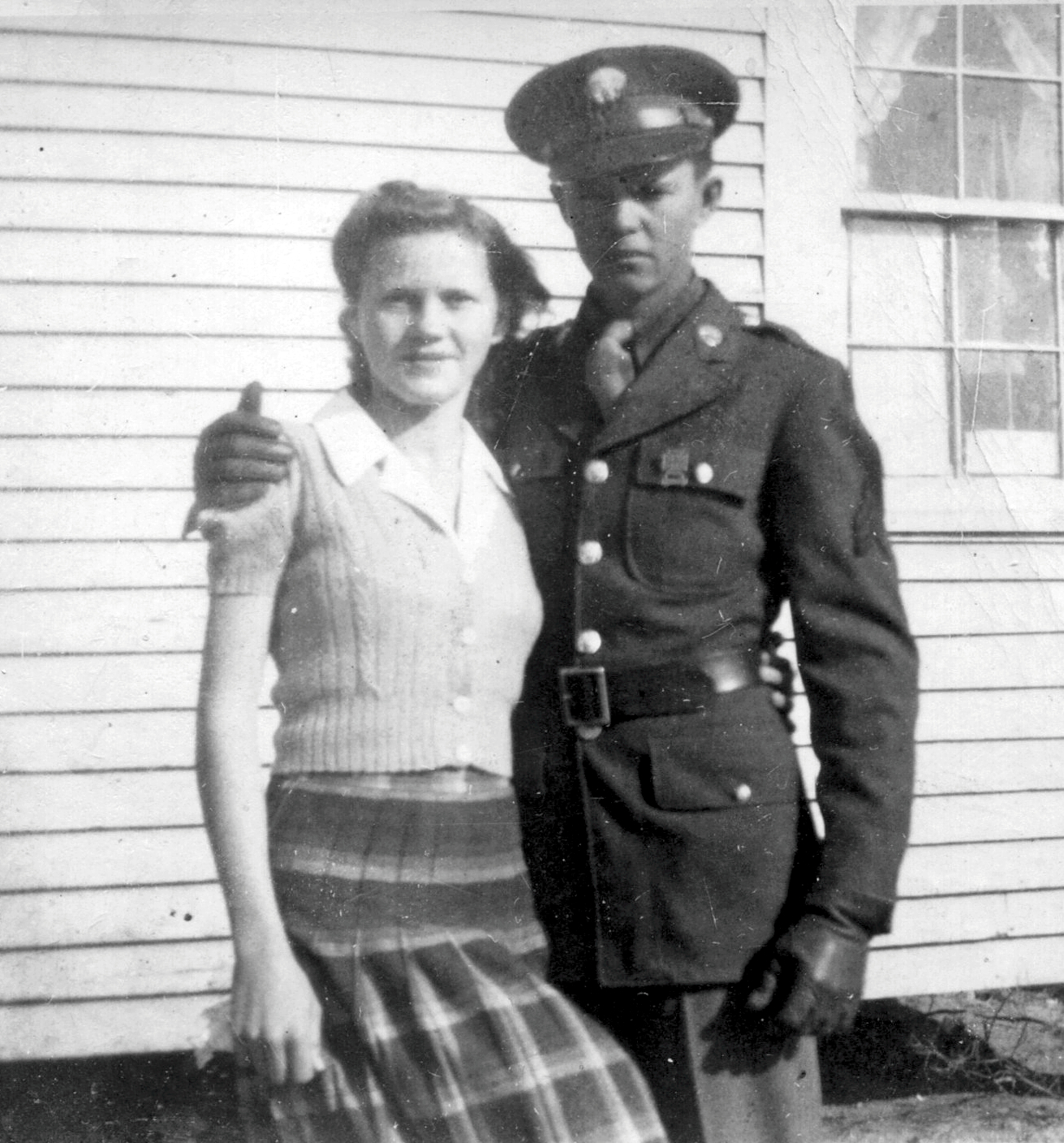
ChatGPT: In a small town that thrived on the heartbeat of its people, there lived a young couple that seemed to encapsulate the spirit of the era. The year was 1942, and the air was thick with the uncertainty of wartime. Yet in this photograph, Evelyn and James—lovingly known as Dubb—stood side by side, a picture of resilience and hope.
Evelyn, with her hair curled just so, wore a plaid skirt that swayed with the slightest breeze—a popular style of the time that echoed the strength and simplicity of the home front. Her smile was small but genuine, a reflection of the pride she felt standing next to James, her high school sweetheart who had enlisted in the army.
James, in his crisp service uniform, had the posture of a man who understood the weight of the world he was about to enter. His hat was perched perfectly on his head, and his eyes held a seriousness that belied his youth. Yet, when he looked at Evelyn, there was a softness there. It was the look of a man who found a reason to fight, a reason to return home.
The white siding of the house behind them was a common backdrop in those days, representing the homes and families that dotted the American landscape, each with their own stories of love, sacrifice, and courage.
As the sun cast long shadows on the ground, the couple held onto each other. They didn’t speak much about the war or the future. Instead, they spoke of small things—Evelyn’s new recipe for apple pie, the creaky step on the porch that James promised to fix when he got back, the way the stars seemed to shine brighter these days.
This photo, taken by a traveling photographer who knew the importance of capturing moments just like this, would sit on Evelyn’s mantle for years to come, a testament to a promise made under the watchful eye of a world at war: to wait, to hope, to endure. It was a snapshot of a chapter in their story that would inspire tales of a time when love was a beacon in the storm, guiding soldiers home and giving strength to those who waited with bated breath for their safe return.

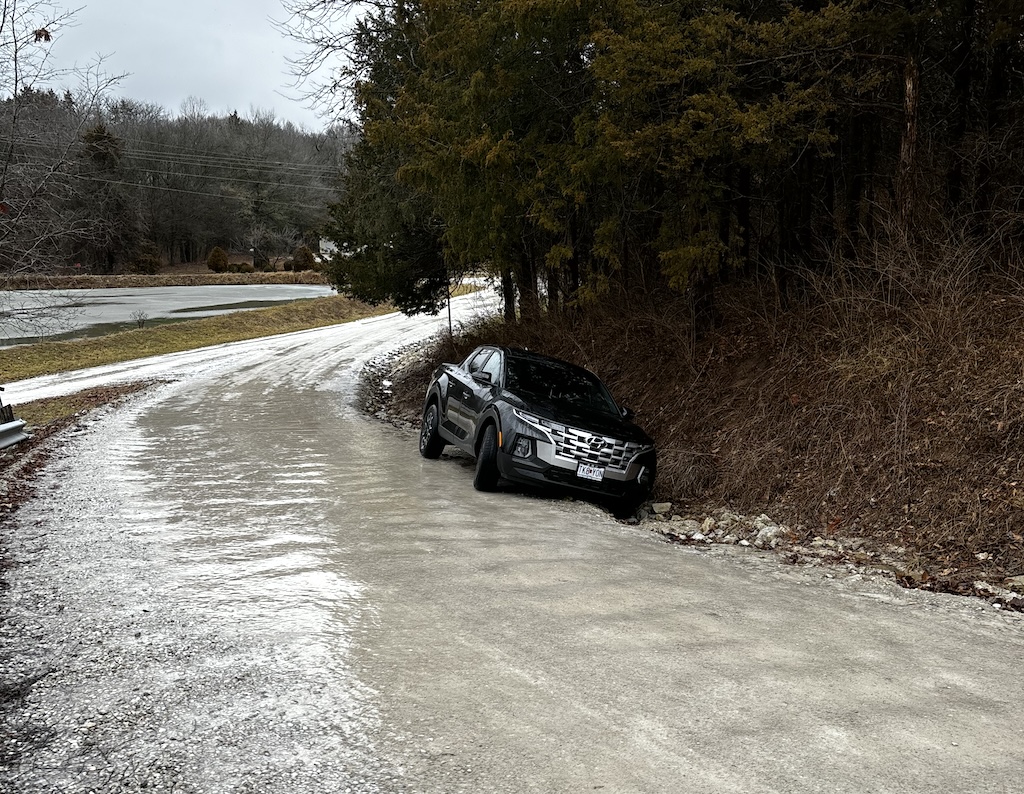 Regular readers know we live at the top of a pretty steep hill, at the end of a gravel road. This week’s weather left our hill slipperier than I’ve ever seen it. Nobody was getting up or down. The truck above belongs to a man who delivers part-time for Amazon and he was trying to bring a package to us. Dude, we can wait.