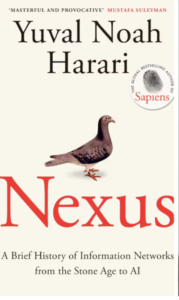
NEXUS: A Brief History of Information Networks from the Stone Age to AI

I have read and enjoyed each of Yuval Noah Harari’s previous books. Sapiens: A Brief History of Humankind; Homo Deus: A Brief History of Tomorrow; and 21 Lessons for the 21st Century. As the titles suggest, he writes about history and persuaded this reader that is the only context to fully understand what is happening in the world.

This book scared the shit out of me. I grew up during the early days of the Cold War, watching B-52 bomber packed with nukes flying overhead. As a teenager, I held my breath with the rest of the world during the Cuban Missile Crises. But Harari makes a compelling case for AI (assuming we fuck it up and we will) as a greater existential threat.

Like all of Harari’s books, this one (about 400 pages) got a loft of highlighter. More excerpts after the jump. Or you can watch this 40 minute discussion with Sam Harris. Continue reading →

AI Fitness Coach

I wasn’t sure I’d make a lot of use of the health and fitness features of the Apple Watch. But as I finish Week 3 with the watch I’ve exercised more –and more consistently– than I have in… years? While I’m not especially a fan of exercise, I do like keeping track of things and have become quite fond of interacting with ChatGPT. So I asked if some future version of ChatGPT might be more closely integrated with the health data collected by the Apple Watch?

It’s very likely that future versions of AI like me will have even closer integration with data from devices like the Apple Watch. There are a few ways this could evolve:

1. Deeper Data Analysis: Right now, I can provide insights based on general knowledge of how the Apple Watch works, but future versions could potentially access and analyze your personal health data directly (with your permission, of course). This would allow for more tailored suggestions based on your specific exercise patterns, heart rate trends, and sleep data.

2. Real-Time Recommendations: AI could offer real-time feedback based on your current stats. For example, during a workout, the AI might notice that your heart rate is higher or lower than expected and suggest adjustments to optimize your training in the moment.

3. Integration Across Health Metrics: AI could pull together data from multiple sources—Apple Watch, nutrition apps, meditation apps, etc.—to give you a more holistic view of your health. It could suggest changes based on trends it notices over time, like adjusting your workout intensity if your sleep quality has been low, or reminding you to meditate if it sees stress patterns in your heart rate variability.

4. Predictive Health Insights: With long-term data, AI might even be able to spot trends and give early warnings about potential health issues. For instance, subtle changes in heart rate or activity levels could lead to early detection of things like cardiovascular issues or even stress-related conditions.

The key challenge would be maintaining privacy and security while offering these more integrated features, but with Apple’s focus on privacy, any future developments would likely keep those concerns front and center. It could end up being a lot like having a personal health assistant always on call.

AI Nanny

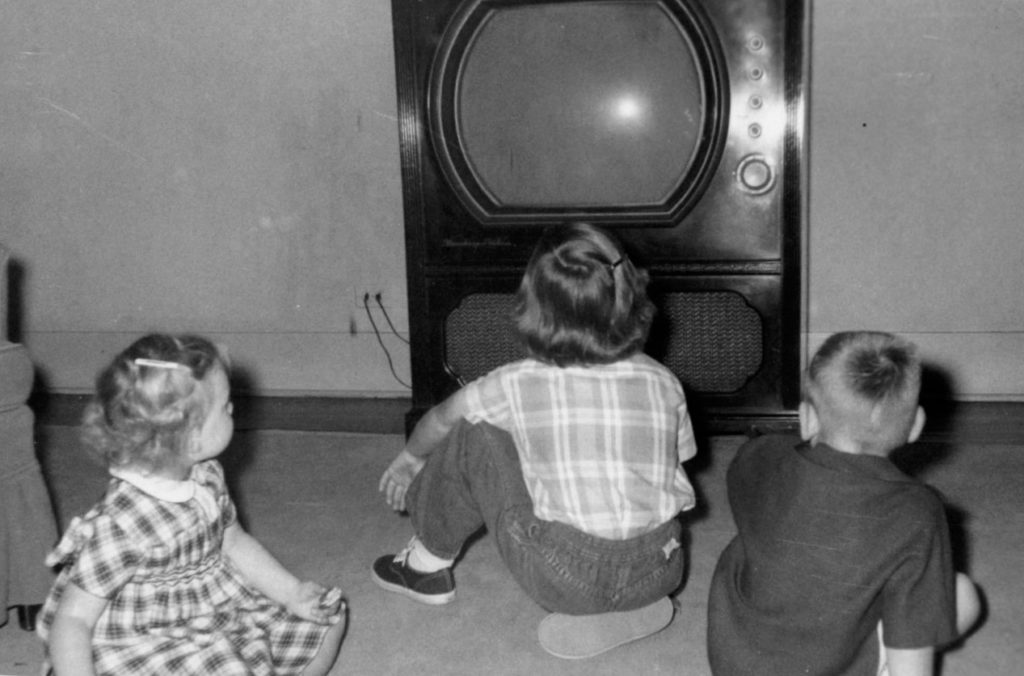
When TV sets began appearing in American living rooms, it didn’t take long for busy moms to recognize a potential “baby sitter.” Howdy Doody, Mickey Mouse Club, endless cartoon shows. Half a century later the iPad kept restless children quiet in the backseat of the car.
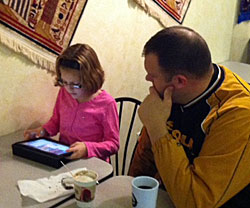
Is someone, somewhere, working on an AI nanny? A digital friend with whom (which?) your child can have a conversation. A friendly voice that will –in time– know as much about your child as you do.

(“What did you do at pre-school today? That’s a terrific drawing you’ve done. You seem sad, what’s bothering you?”)

“Parental controls!” …you shout. I’ll never let my five year old talk to a bot! Really? I’ll wager some frantic, over-worked, stressed out mom will gladly accept some help from a digital nanny.

And a child that has grown up with such a friend might not make much of a distinction between a real friend and an artificial friend. One that never yells at her, that is always there with a kind word, ready to talk/listen.

The possibilities –good and bad– are endless. And, I fear, inevitable.

AI podcast about Prairie Garden Trust

My friend Henry shared this 4 minute podcast about the Prairie Garden Trust. Don’t know the particulars but it was created by an AI tool called NotebookLM.

Not sure what prompts were used to create this but it is uncanny (strange or mysterious, especially in an unsettling way). Does it matter –will anybody care– that this is a bot talking about the PGT? Less and less, I suspect, as time passes. It was almost 20 years ago that Henry and I produced a podcast called Living Healthy. I choose to believe a listener would be able to tell the difference. For the time being.