Barb’s garden club toured Warm Springs Ranch yesterday. It’s about 30 minutes from where we live and the home of the Budweiser Clydesdales. About as good as it gets for horses.
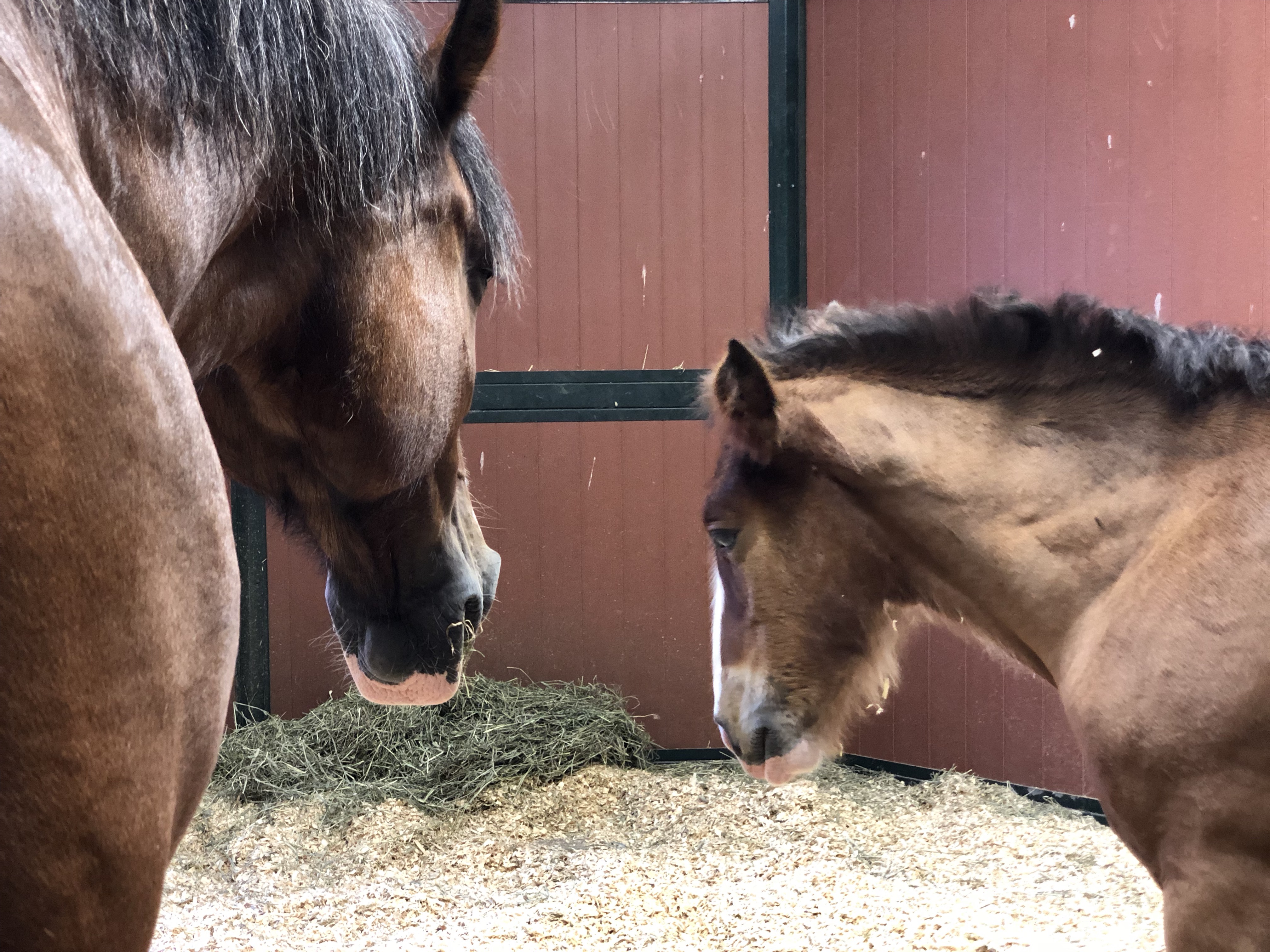
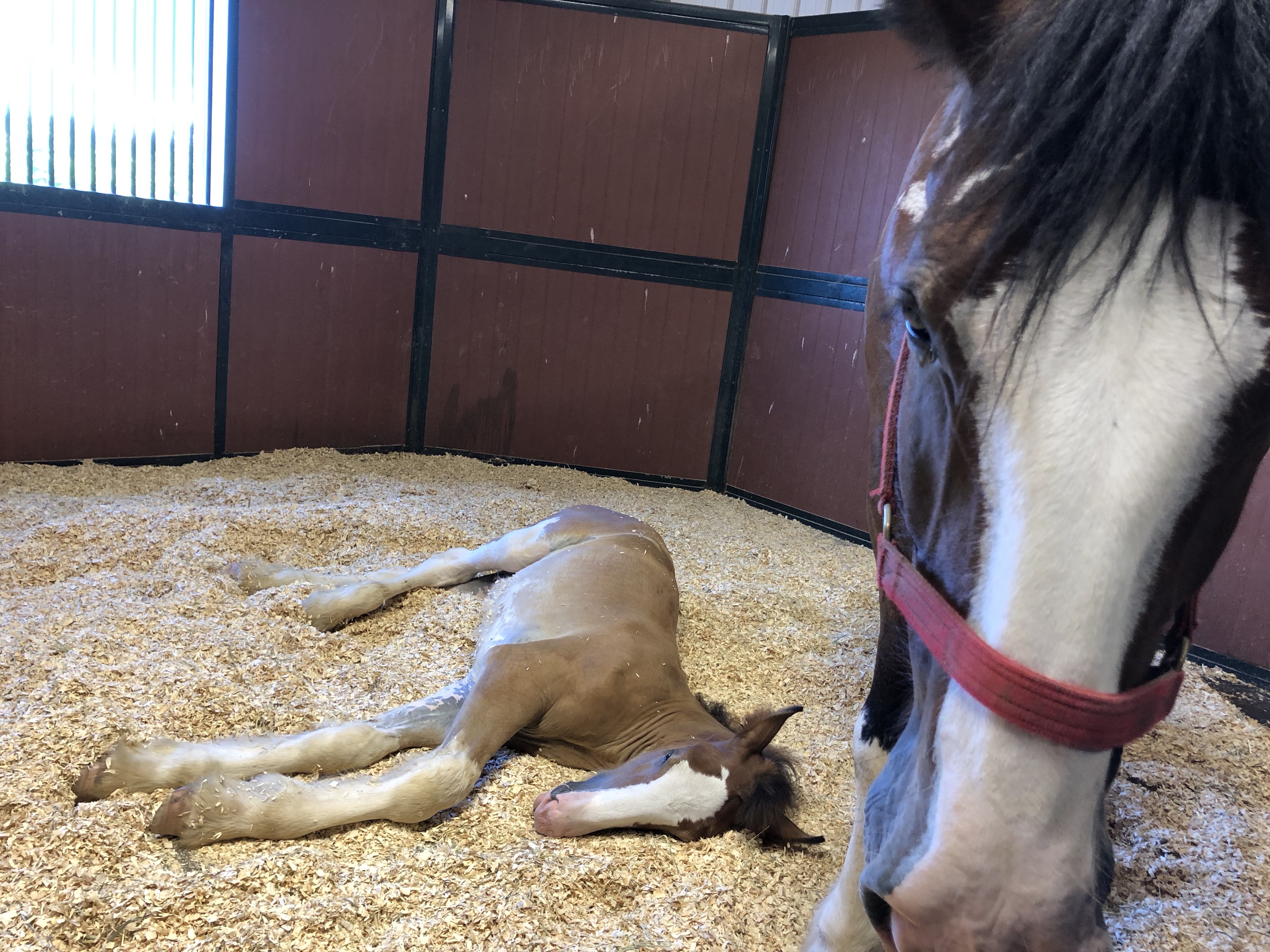

Barb’s garden club toured Warm Springs Ranch yesterday. It’s about 30 minutes from where we live and the home of the Budweiser Clydesdales. About as good as it gets for horses.
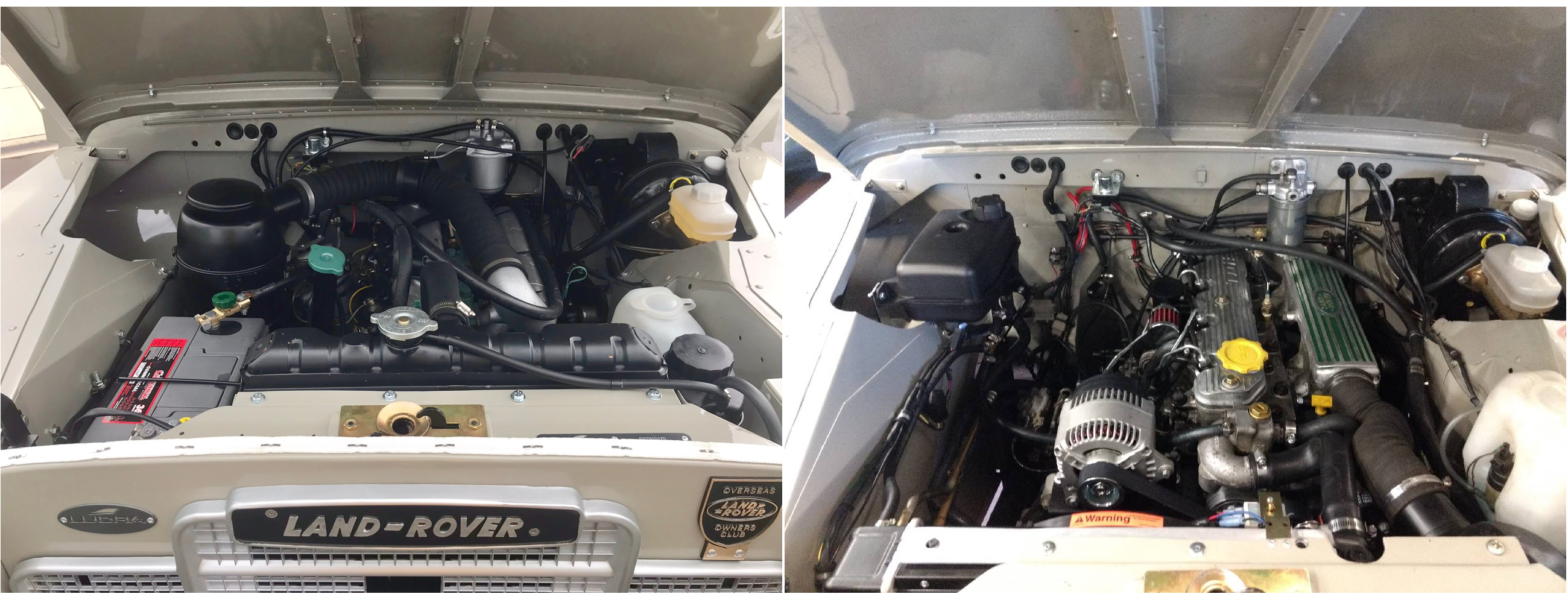
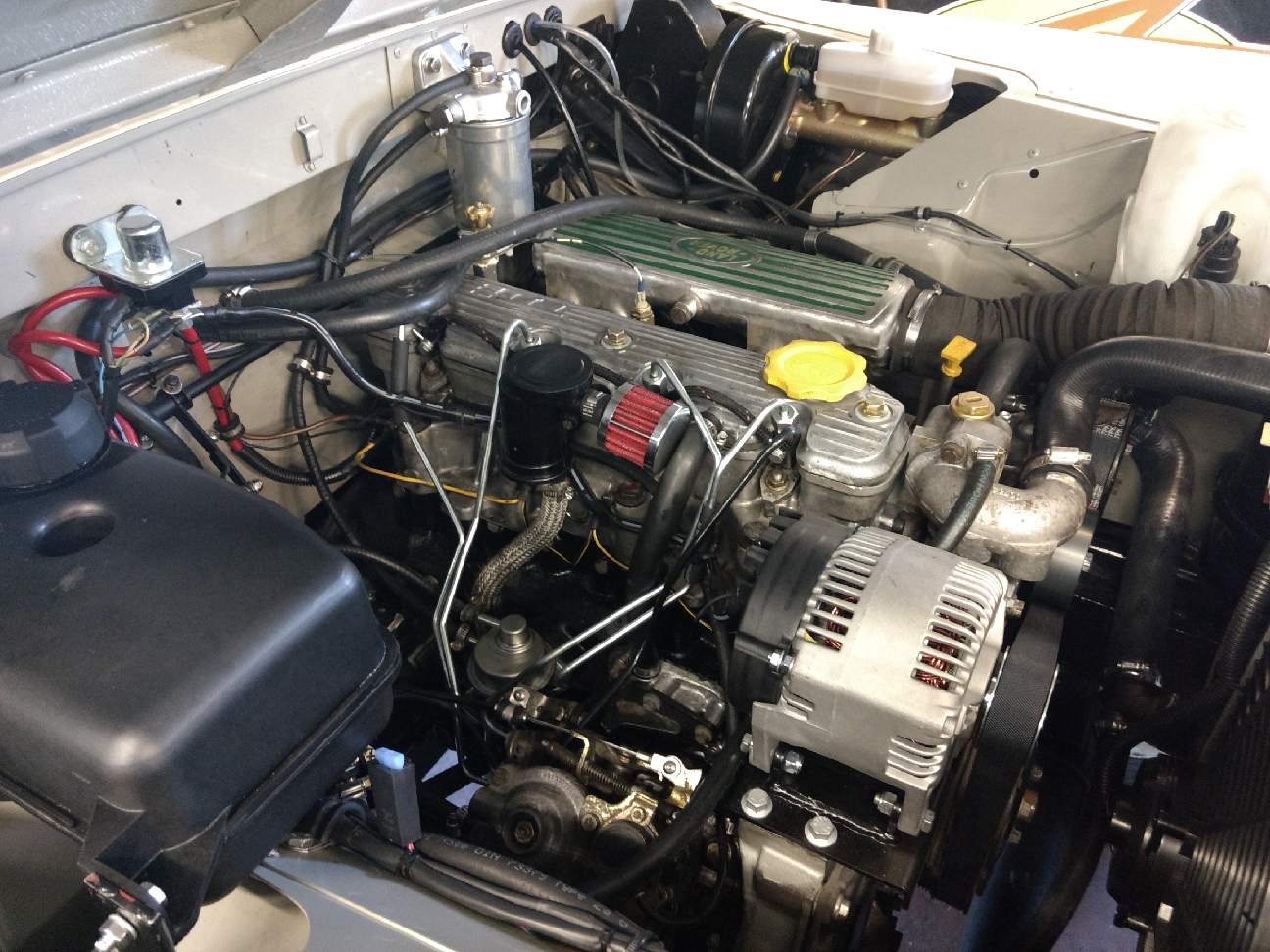
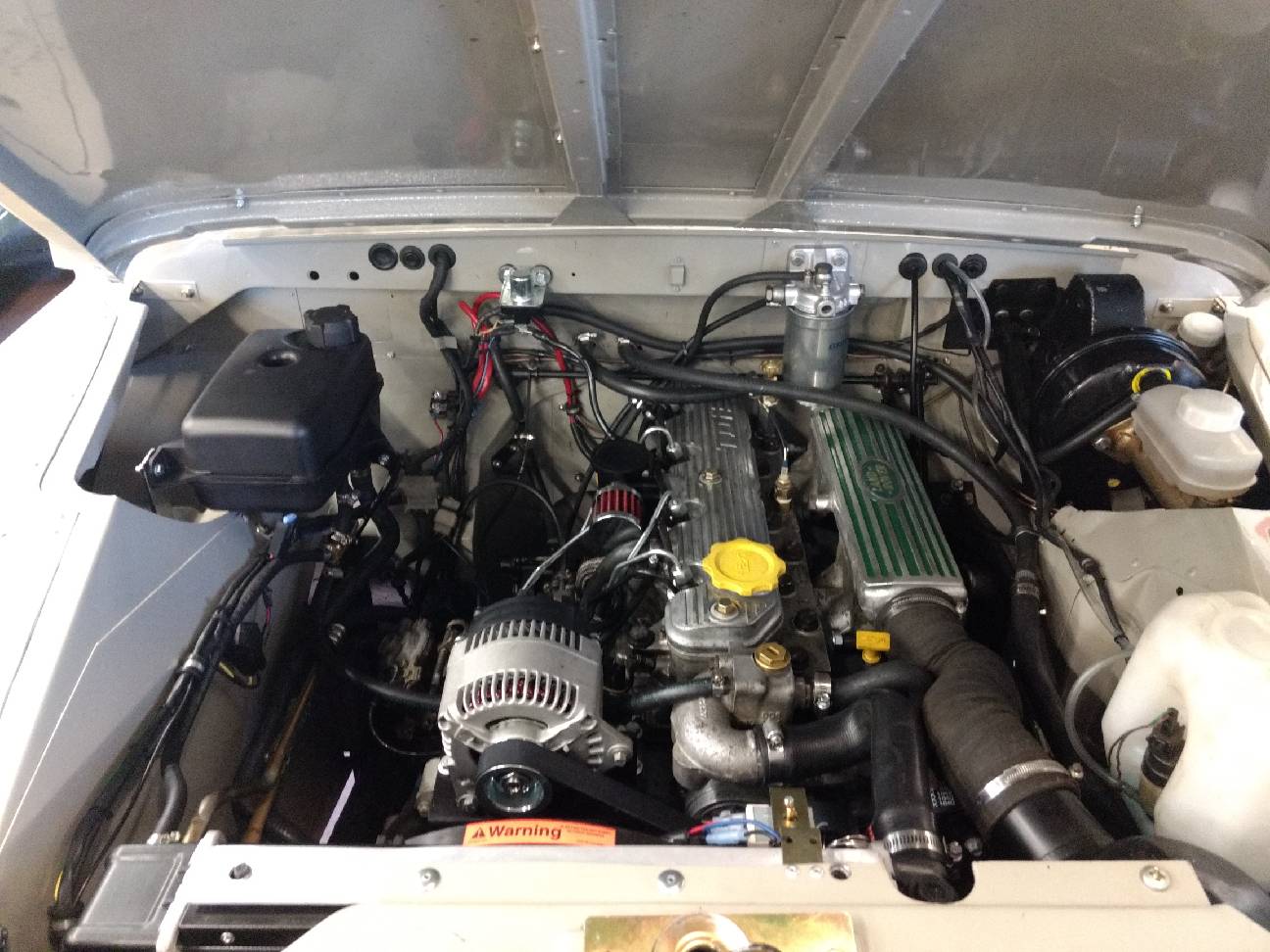
This doesn’t really mean much to me because I don’t know shit about engines, diesel or otherwise. But some of my mechanical friends might find this interesting. The motor on the left is a 2.25 diesel that was part of the original restoration by Lucra Cars. The one on the right is a 2.5 liter 300Tdi diesel from a 1994 (European) Land Rover Discovery. Rebuilt by Zombie Motors and installed by Philippe at EuroLand 4×4 in San Francisco. Click image to enlarge.
Mr. Wolf drove the truck this afternoon. The rebuilt engine is in and he is happy with Philippe’s work. The vibration during idle will (hopefully) be taken care of with new engine mounts.
Nice to see her back together! We are going to wait for Philippe to swap the motor mounts. Fires right up, runs smooth, and his work under the hood looks impeccable, very happy with how this came out.


A friend of mine — a local small businessman — called me yesterday saying he was “taking a poll.”
FRIEND: When was the last time you looked up a phone number in the Yellow Pages?
ME: Uh, at least ten years ago. Everybody uses Google, don’t they? Why are you asking?
FRIEND: I got a call from a sales rep for the Yellow Pages asking me to renew my ad. I told him I didn’t advertise in the Yellow Pages. I was wrong. I’ve been paying a thousand bucks a year for the last ten years. When I asked my wife she said, “We’d always had an ad so…”
A few years ago I was in the front yard when a guy pulled up and tossed a plastic bag on my lawn. It contained copy of the Yellow Pages. I picked it up and took it over to the guy saying I didn’t want it and always just throw them in the trash.
“Yeah, that’s what everybody tells me but I get paid to toss ’em. I can’t take it back so just pitch it,” he explained. I’d love to know how many people with ads in the YP are like my friend.
During my radio days (1970’s) I noticed one of our advertisers had been running the same ad for over a year. I started nagging our sales rep to go see the client and get some fresh copy. We’d produce a new spot, no charge.
“I think we just just let well enough alone. He’d tell us if he wanted to change copy,” whined the sales rep.
I kept after him and one day he stormed into my office. “I hope you’re happy! He cancelled his advertising!” And stormed out. I called the client to ask why.
“We had no idea we were still running that spot — and paying for it. My bookkeeper just wrote the check every month. It slipped through the cracks.”
I’ll bet the Yellow Pages folks have reams of data “proving” who uses the book and how often.
Update 1:20 p.m., Friday July 22, 2018: Mr. Wolf will be at Philippe’s garage later this afternoon to drive the truck. P reports it “vibrates while idling” and I assume that means more than it should. P’s research reveals the engine came with wrong mounts and new ones should arrive Monday. Mr. Wolf will make determination on whether to go with new mounts. He says it’s not a huge task but I am wary. Expecting another call from Wolf at end of the day.
The Great Land Rover project will soon be 15 months old. Philippe the Mechanic reports the truck is at the muffler shop getting a new exhaust system. No idea what remains to be done.
I can’t find the exact date Mr. Wolf took the truck to Philippe but he had it on February 21st. The rebuilt engine left Zombie Motors on April 30th and arrived at Philippe’s on May 3rd. So old Philippe has been working on the engine for ten weeks. Two-and-a-half months. The truck has been in his shop for five months.
Stay tuned.