
Category Archives: Health & Medicine
“Nothing was the same:
Reply
“Great crises tend to bring profound social change, for good or ill. […] After the Black Death, nothing was the same,” Pomata said. “What I expect now is something as dramatic is going to happen, not so much in medicine but in economy and culture. Because of danger, there’s this wonderful human response, which is to think in a new way.” — (How Pandemics Wreak Havoc—and Open Minds)
I seem to recall a few courses in European History during my school days but I’m pretty sure they didn’t give much space to the Black Death. Interesting days ahead here in the USofA.
Caronacoaster
noun: the ups and downs of a pandemic. One day you’re loving your bubble, doing work outs, baking banana bread and going for long walks and the next you’re crying, drinking gin for breakfast and missing people you don’t even like.
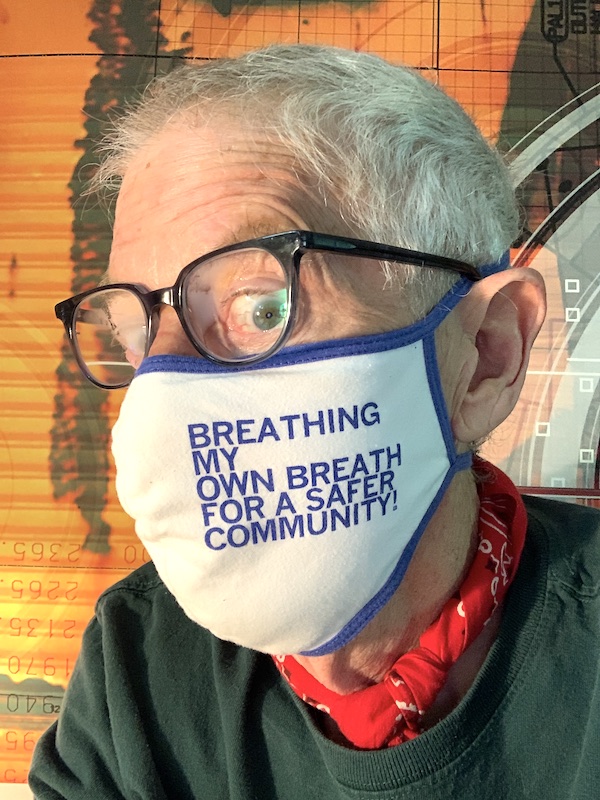
My growing face mask collection
Natural Selection
“If a vaccine against coronavirus becomes available to the public, 49% say they plan to get vaccinated, and 20% say they will not. Another 31% are not sure.”
Pescetarianism
“Pescetarianism is the practice of adhering to a diet that incorporates seafood as the only source of meat in an otherwise vegetarian diet. Most pescetarians are ovo-lacto vegetarians who eat seafood along with dairy products and eggs.”
“A common reason for adoption of pescetarianism is perceived health, such as fish consumption increasing intake of omega-3 fatty acids which are associated with reduced risk of cerebrovascular disease. Fish and plant food consumption are parts of the Mediterranean diet which is associated with lowered risk of cardiovascular diseases. In one review, pescetarians had relatively low all-cause mortality among dietary groups.” (Wikipedia)
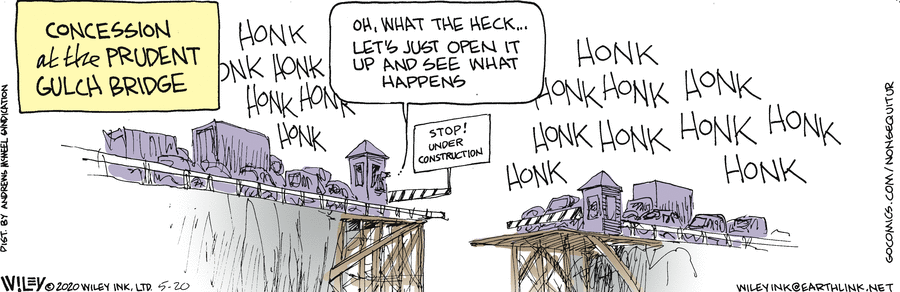
Let’s see what happens
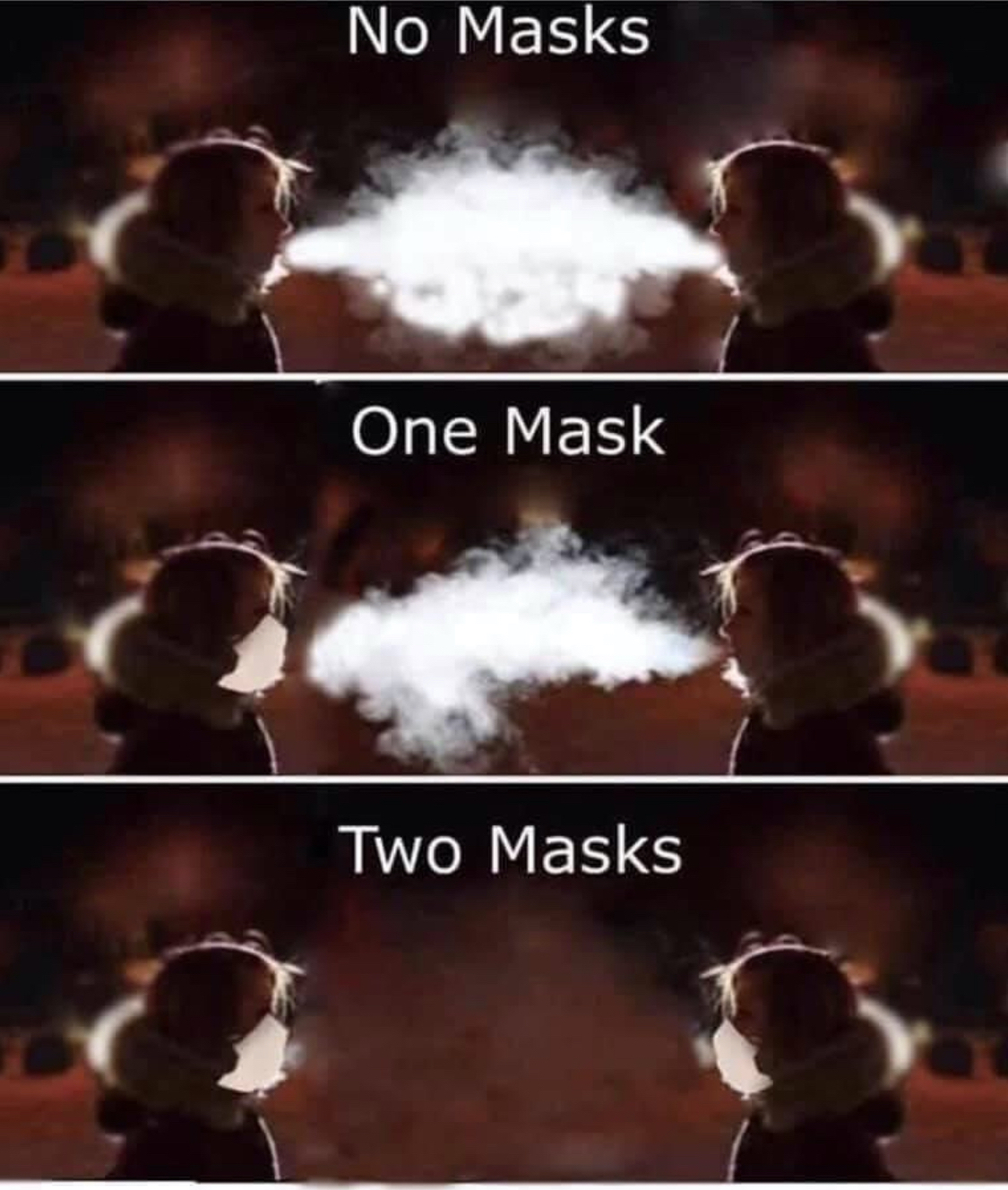
If 80% of Americans wore masks…
“If 80% of Americans Wore Masks, COVID-19 Infections Would Plummet.” Good, hard science. If you’re not wearing a mask, I don’t want to be within 20 feet of you. Stay the fuck away.
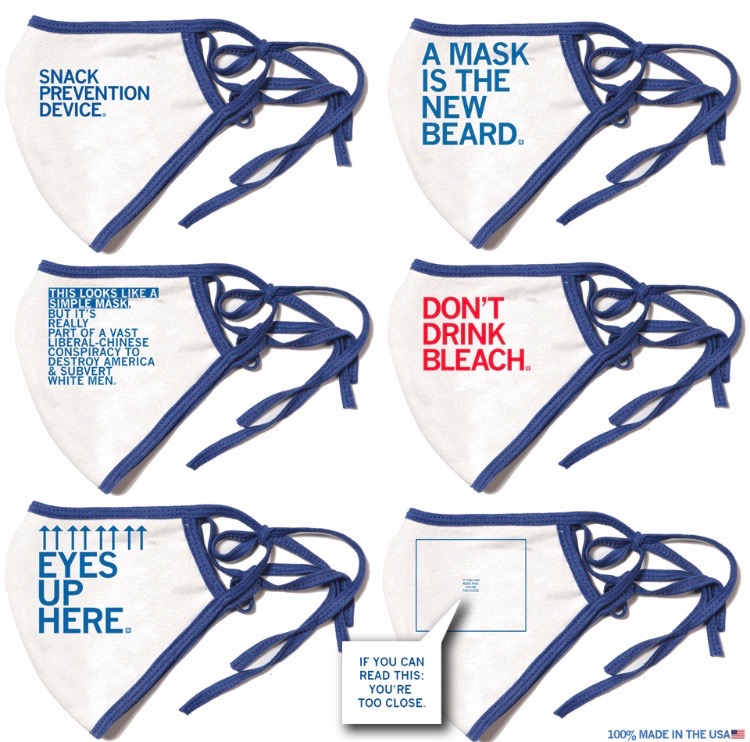
RAYGUN makes clever face masks
“If you don’t solve the biology, the economy won’t recover”
This is the best thing I’ve read so far on knowing and avoiding the risks of COVID-19. The author is Erin S. Bromage, Ph.D., an Associate Professor of Biology at the University of Massachusetts Dartmouth. Dr. Bromage graduated from the School of Veterinary and Biomedical Sciences James Cook University, Australia where his research focused on the epidemiology of, and immunity to, infectious disease in animals.
Dr. Bromage’s research focuses on the evolution of the immune system, the immunological mechanisms responsible for protection from infectious disease, and the design and use of vaccines to control infectious disease in animals. He also focuses on designing diagnostic tools to detect biological and chemical threats in the environment in real-time.
This short article was packed with useful information. One of my favorites:
“We know most people get infected in their own home. A household member contracts the virus in the community and brings it into the house where sustained contact between household members leads to infection.”
You can download (PDF) the full article here.