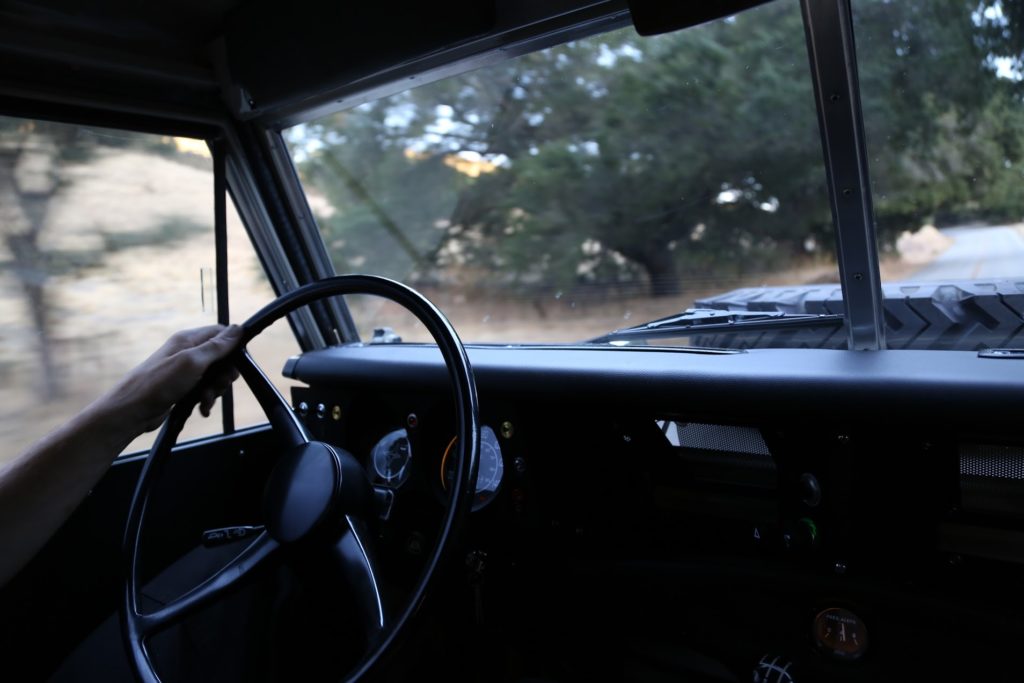
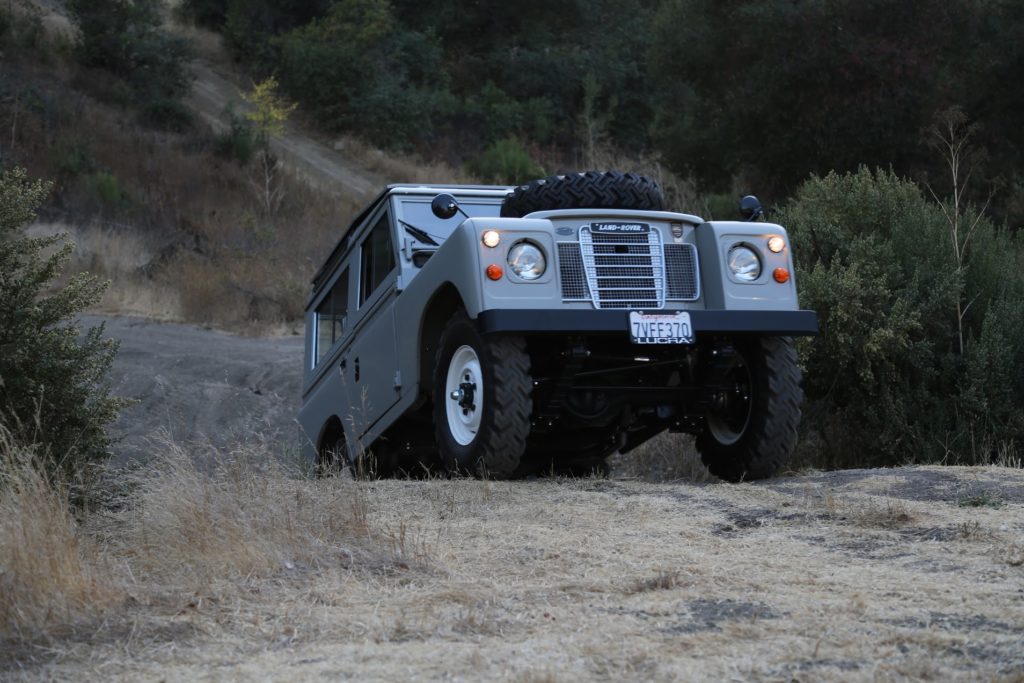
Not sure what it is about these two photos that appeals to me. I assume they were taken by Mrs. Wolf at the recent Land Rover meet-up. It’s probably loud as hell but these images seem so still and quiet.
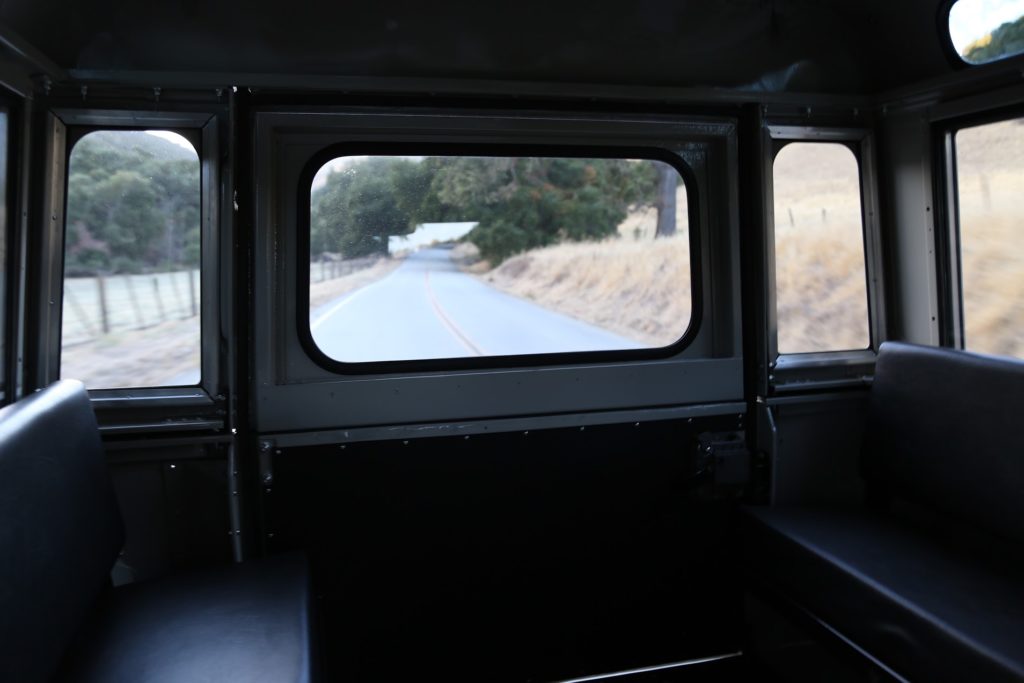

Not sure what it is about these two photos that appeals to me. I assume they were taken by Mrs. Wolf at the recent Land Rover meet-up. It’s probably loud as hell but these images seem so still and quiet.
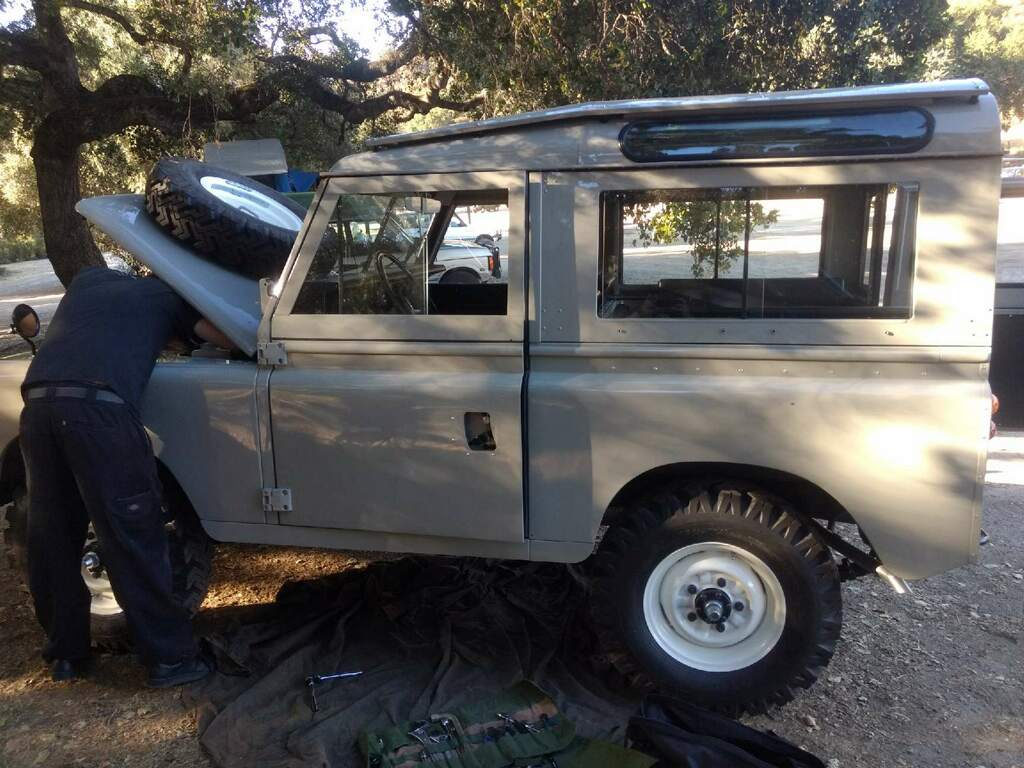
The Northern California Land Rover Club held a rally in Hollister, California this weekend and Mr. Wolf took The Truck down to show off and test drive. He discovered some “issues” that have to be addressed and will almost certainly delay the delivery date. But that’s why we went with Mr. Wolf in the first place. Here are some photos from the rally:
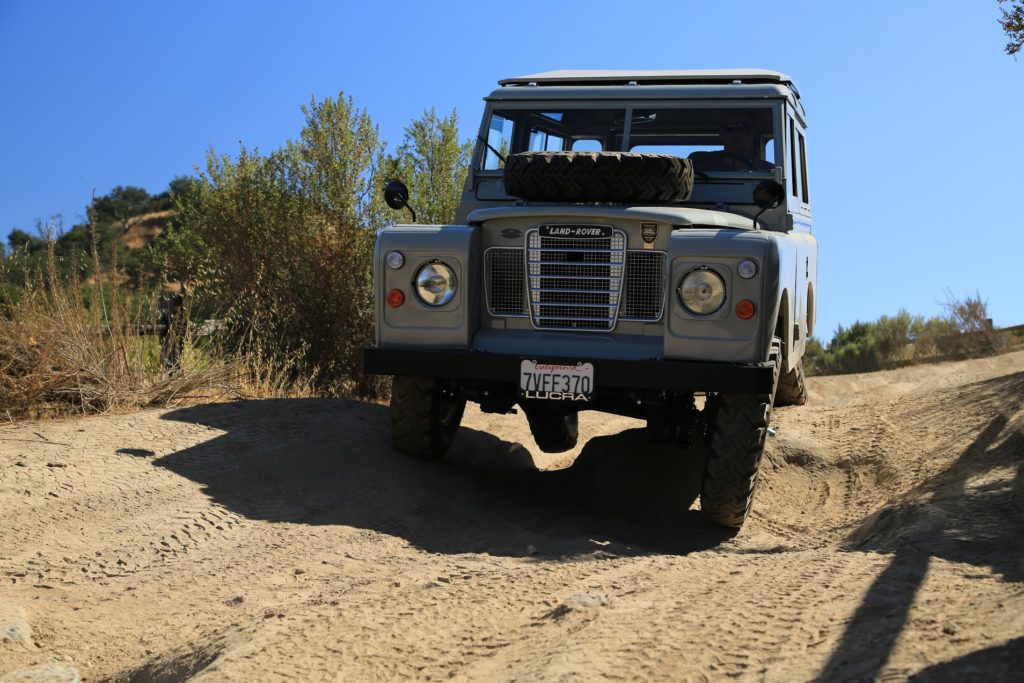
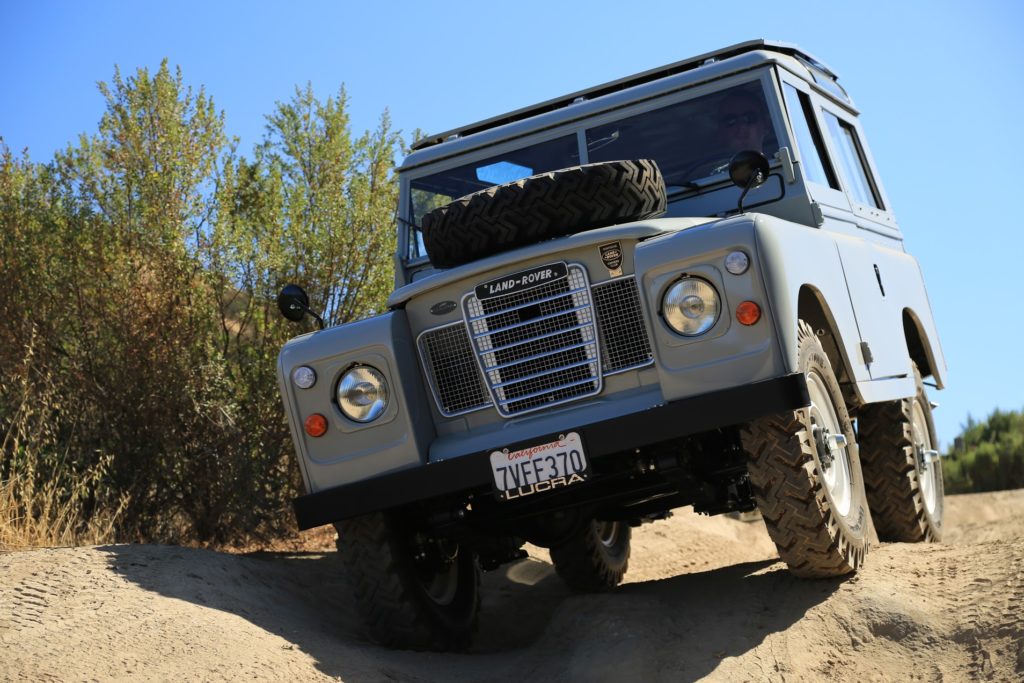
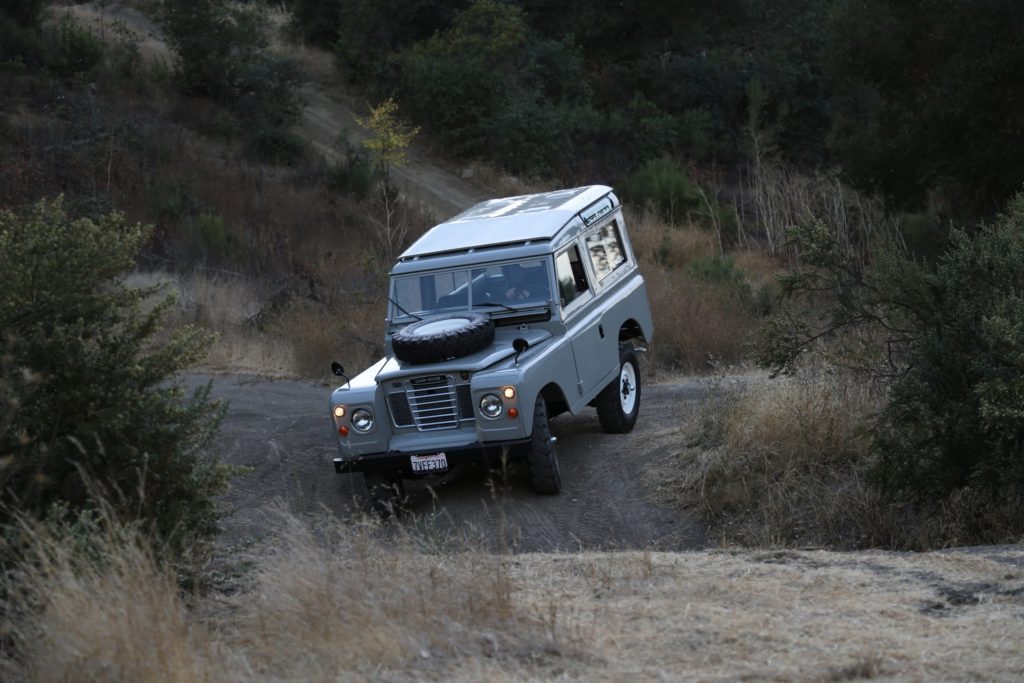
For my money, nothing captures the Land Rover mystique like this 1951 Series (1) truck. I think he said these guys drove it down from the Bay Area (with the windscreen down!)
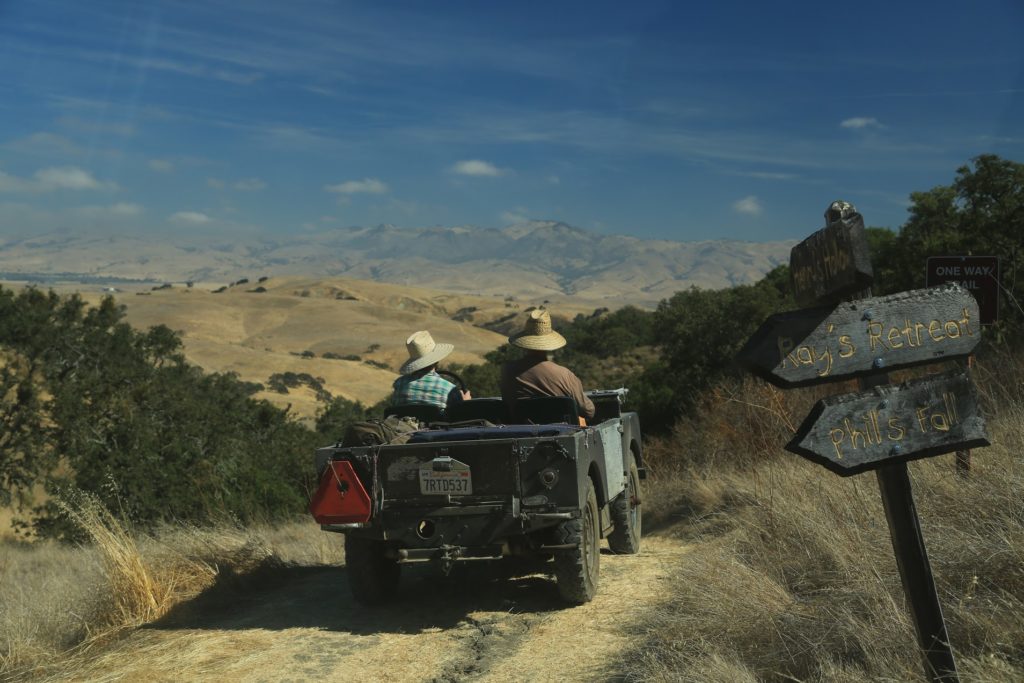
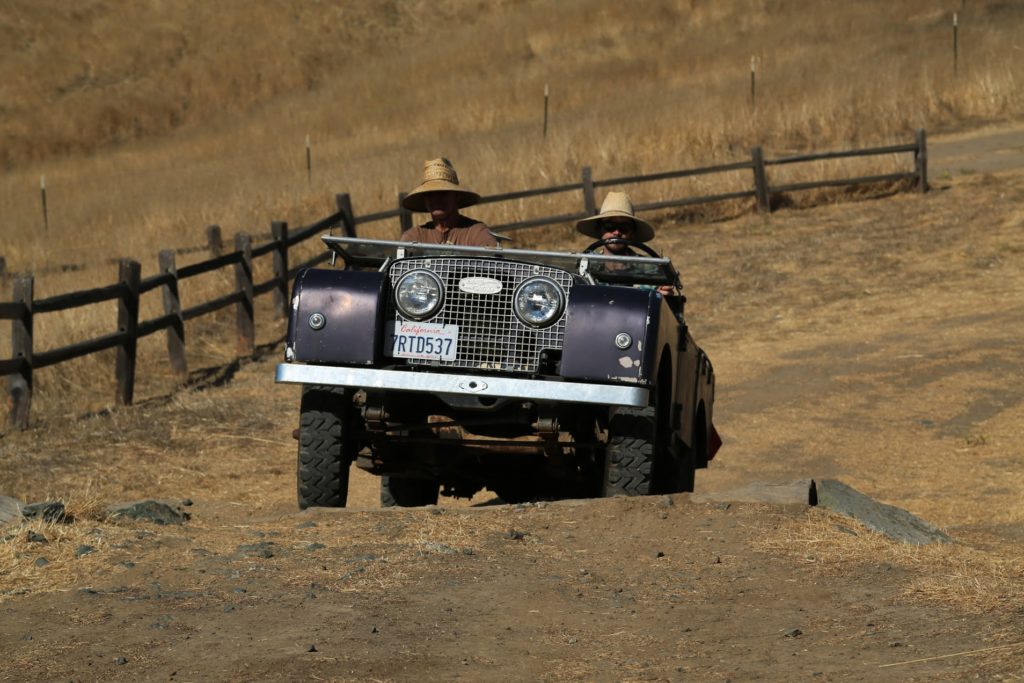
Serious off-roaders love to make their trucks go where they shouldn’t be able to go. Mr. Wolf called these “tank traps.”
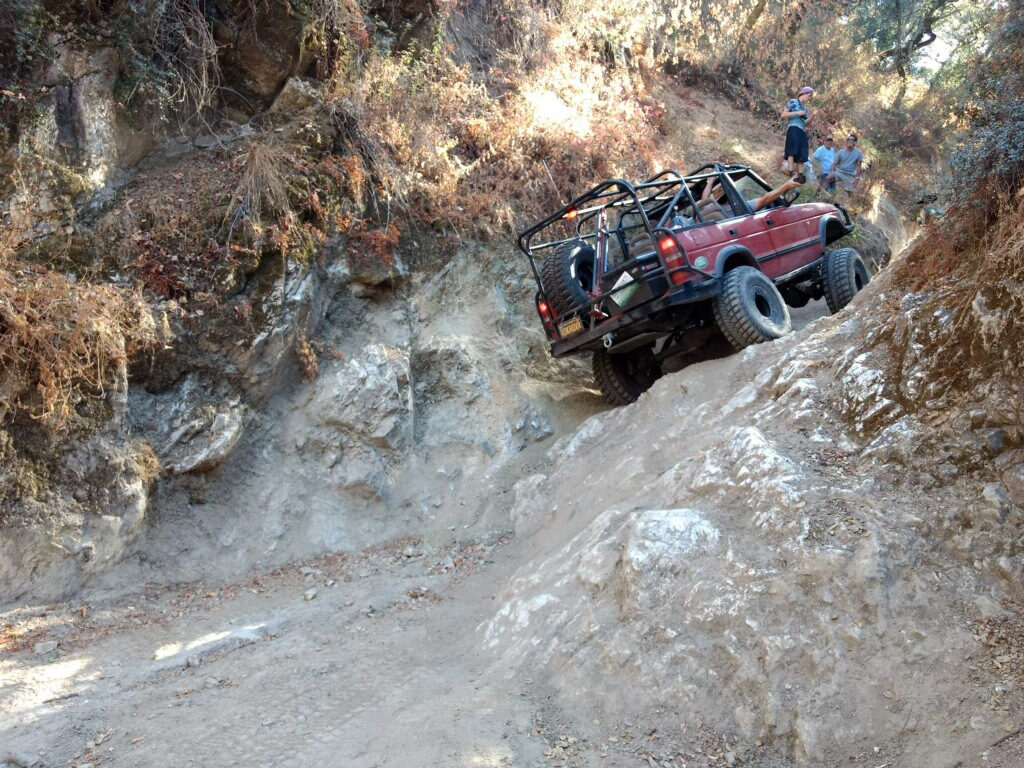
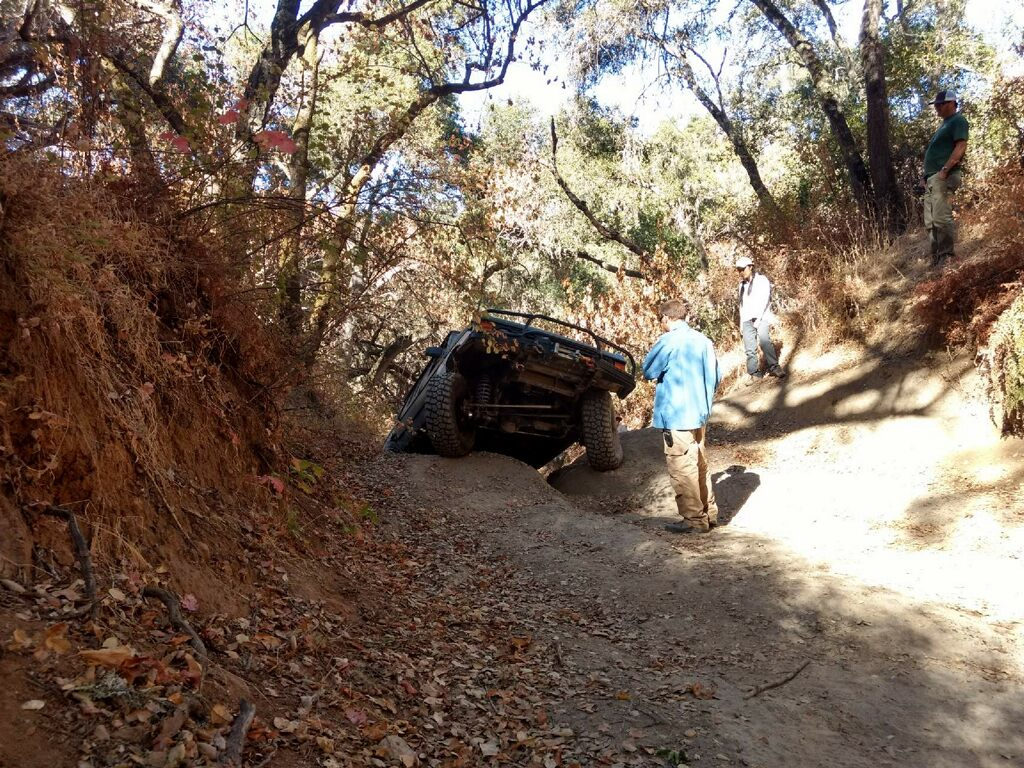
So The Great Land Rover Project has hit a bump but — as you can see — Land Rovers love bumps.
I “met” Jim Potter and Neil Sommers on a Land Rover forum and they’ve been answering my newbie questions ever since. Yesterday I drove over to Kansas City to meet them (and their Land Rovers).
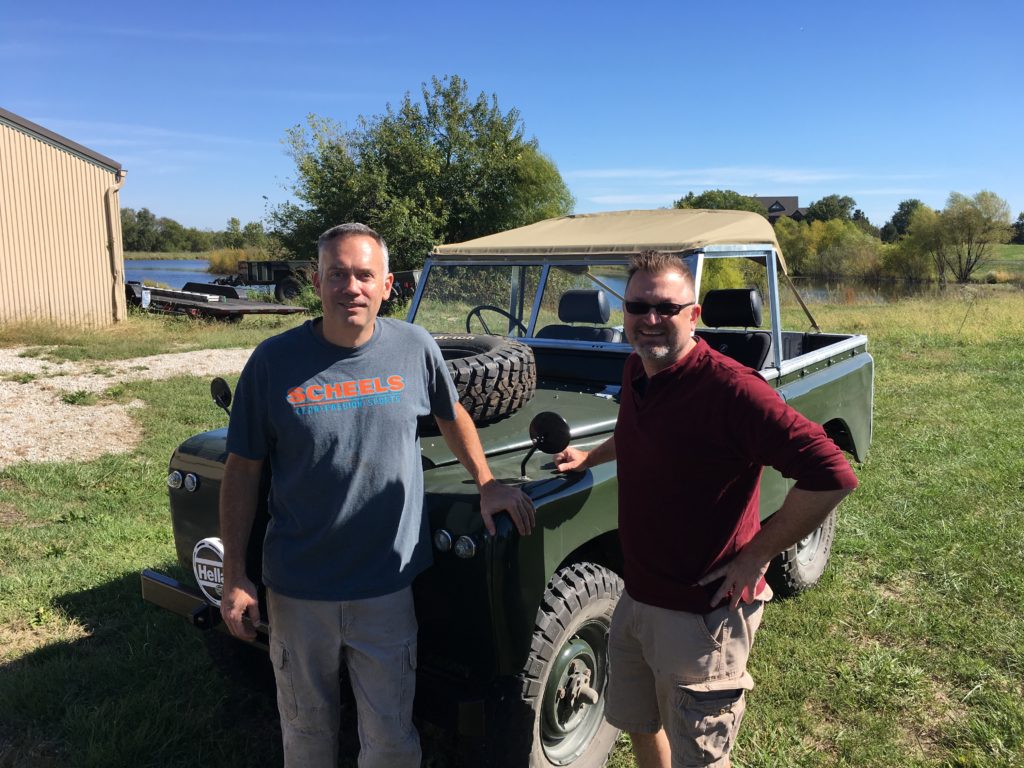
That’s Neil’s 1963 Series IIA and the photo below is Jim’s 1968 IIA.
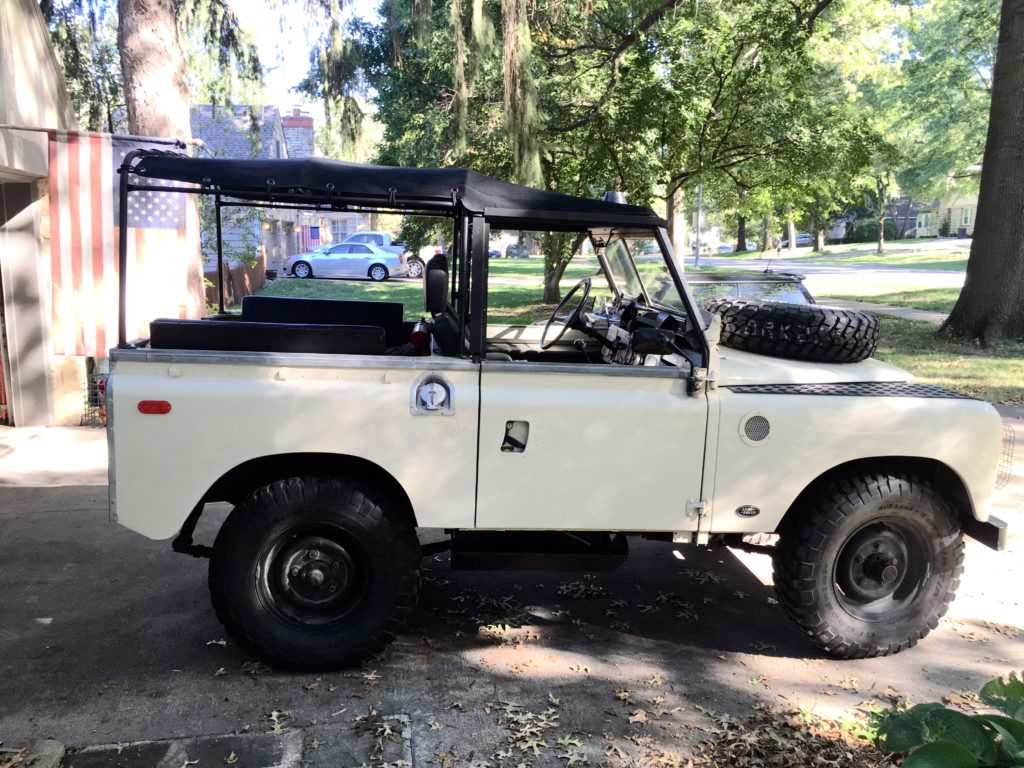
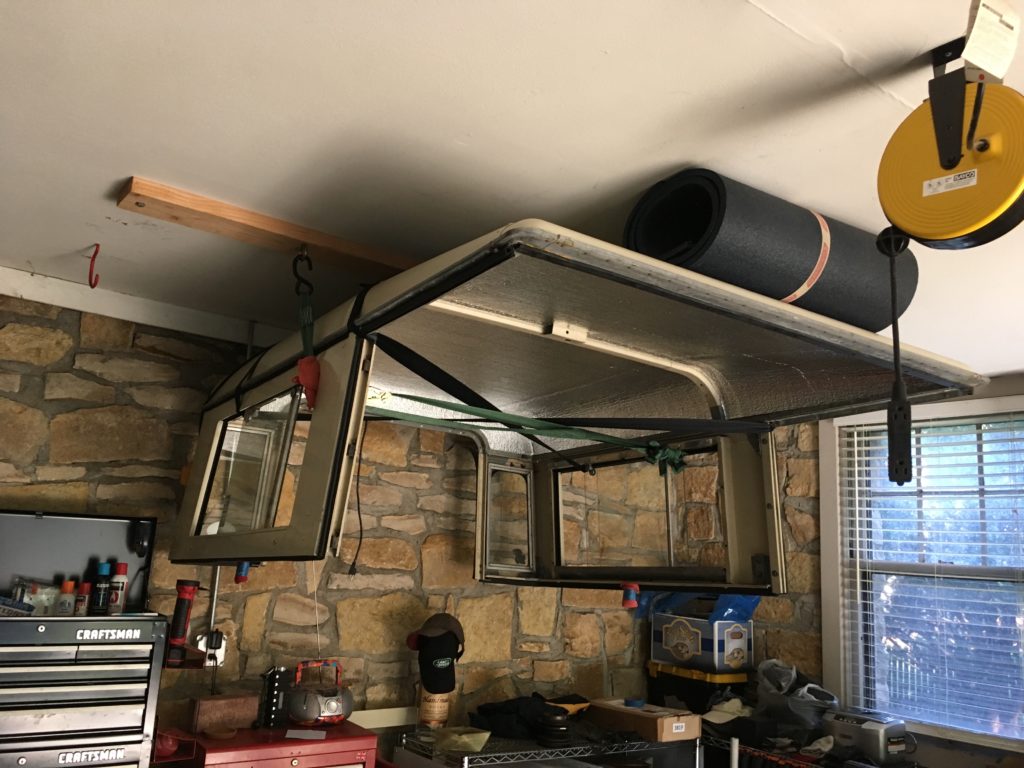
I’m in love with the soft top on this truck and plan to order one for next spring. Jim will be switching back to his hardtop soon which he keeps suspended from the roof of his garage.
UPDATE: By the time I finally take delivery of the truck, spring won’t be that far off so I’ll probably order a soft-top and have it ready. The Hoist-A-Top is for Jeeps but looks like it would work. The Harken Hoist looks a bit complex and requires 10 ft which I’m pretty sure i don’t have. Jim made his own hoist (below).
The highlights of the trip for me were the drive from KC down to Neil’s farm in Jim’s truck. Bumpy, loud, slow… wonderful! After meeting Neil, we jumped in his truck and drove around in one of his pastures. He let me drive for a bit and it was a blast. My first time to drive a Land Rover (right hand steering!).
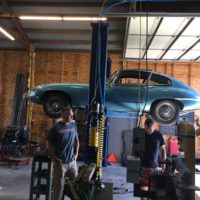
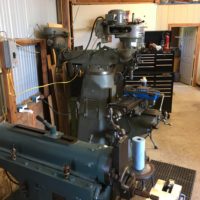
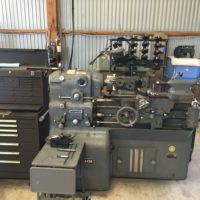
Neil has one of the most amazing shops I’ve ever seen. Okay, I haven’t seen that many shops but this thing was packed with every imaginable tool and some big-ass metal lathes. (I think).
Update from Neil: “The freshly painted blue machine tool is a Steptoe 16 inch metal shaper. It is painted Land Rover Marine Blue. The metal lathe is a Monarch 10EE and the big drill press looking tool is a Bridgeport milling machine.”
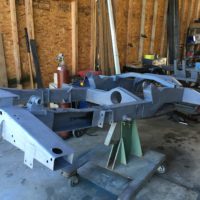
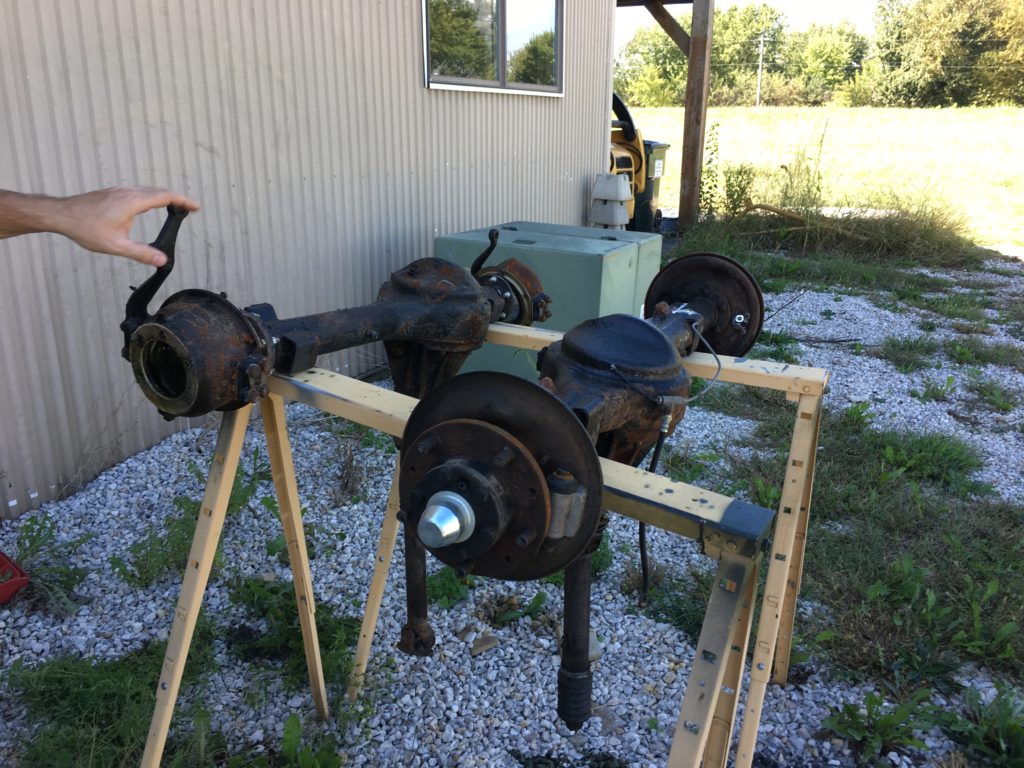
Behind the shop Neil had the axles from one of his Land Rovers on sawhorses (he’s doing some more restoration (that’s the chassis above). After explaining how the differential gears worked and how I would need to check the fluid levels periodically, he presented me with a custom tool for taking out the plug. Uh, yeah, maybe.
Jim and Neil are passionate about old Land Rovers and they could not have been more gracious and hospitable. I was pumped about getting my truck but now that I’ve actually driven one… (high pitched squeal!)
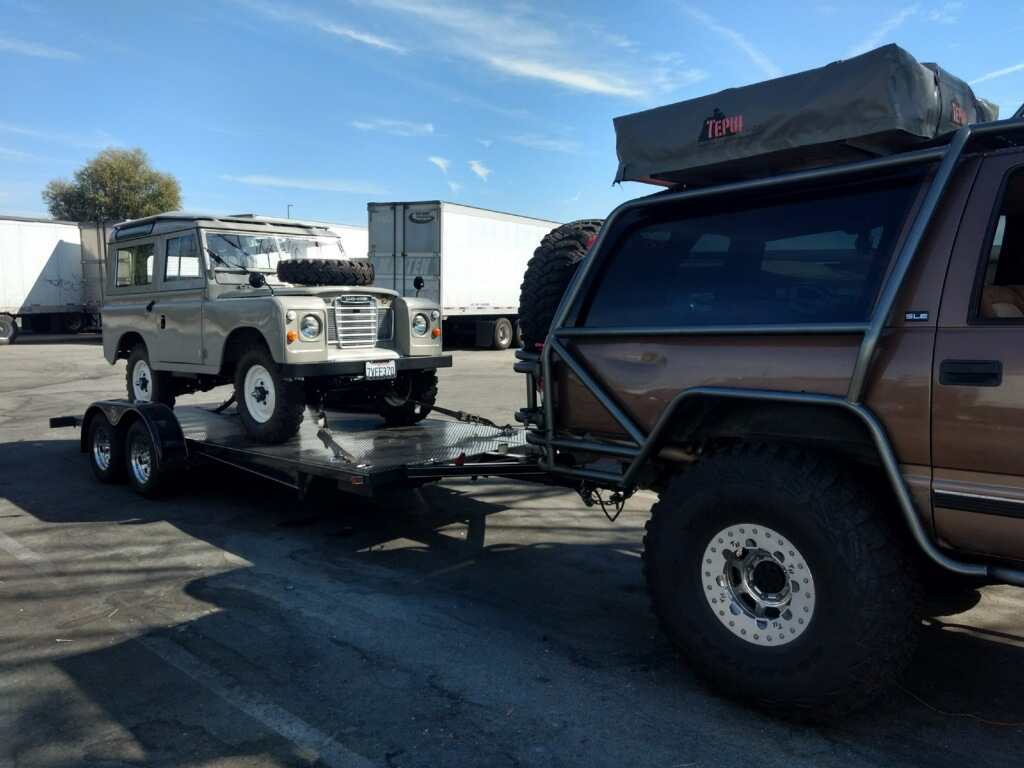
The transport truck taking the Land Rover from San Diego to San Mateo couldn’t get to Mr. Wolf’s garage because the traffic was so horrendous. (I didn’t ask Mr. Wolf to clarify that) Since he was headed south for the weekend anyway, he met the transport truck on the way and transferred the Land Rover to his trailer. Now it’s off to the weekend rally. Photos to follow. We’re now in the final phase of The Great Land Rover Project. Next milestone will be my trip on the 20th.
The restoration is complete and The Truck is on it’s way to the Bay Area, scheduled to arrive at 10 a.m. tomorrow. Mr. Wolf says he’s going to drive it a bit and then put it on a trailer and take it the annual get-together of the Northern California Land Rover Club. He promises some good photos.
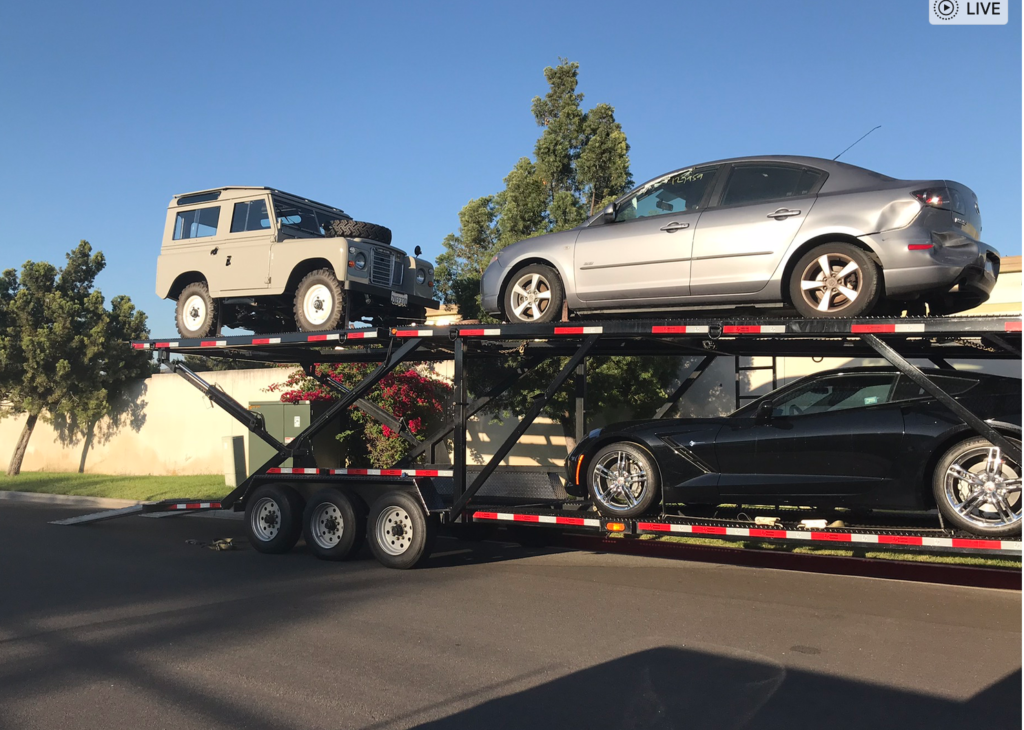
For the next several weeks he’ll be driving the truck, looking for anything missed during the restoration and making a few modifications and additions (fire extinguisher, different rear seats, etc. The final truck ride to Missouri will be in an enclosed truck. I confess this picture makes me a little nervous.
I confess I’ve spent more time thinking about cars/trucks in the last six months than in the rest of my adult life combined. No idea why. But when my Land Rover fixation took hold back in May, it was the look of the trucks that grabbed me. And if there is a more boxy vehicle than the Land Rover, I haven’t seen it yet.
These days I’m more apt to notice other vehicles and I’m struck by the similarity… and the “roundness” of the designs. This short video explains how this came to be and why it isn’t likely to change anytime soon.
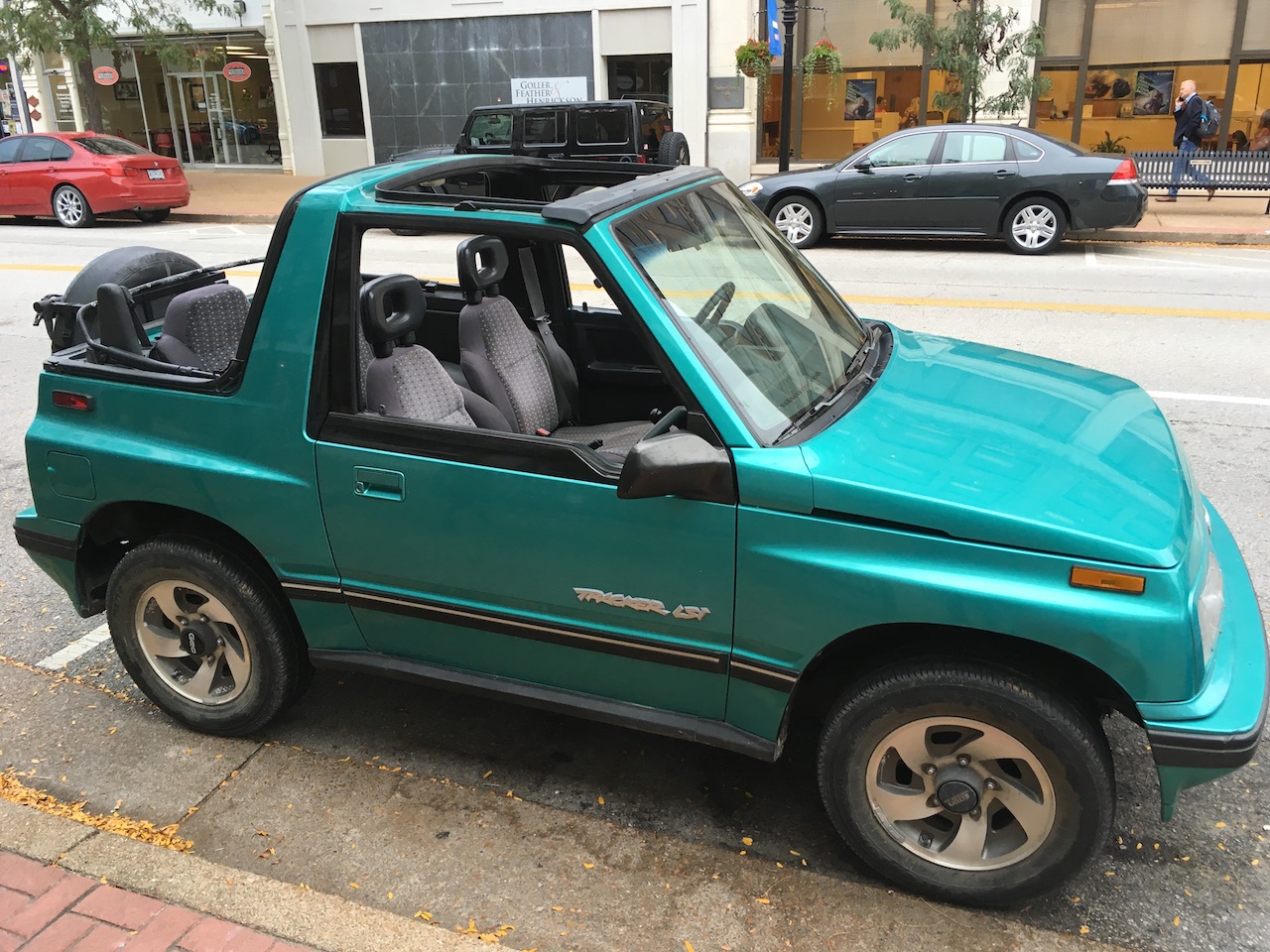
One of the coffee shop regulars pulled up in this little beauty today. The interior is… snug.
The Chevrolet Tracker, formerly the Geo Tracker, is a mini SUV produced for Chevrolet and Geo by CAMI Automotive in Ingersoll, Ontario. Although appearing as a compact SUV, the Tracker was actually certified as a Light truck due to its off-road capabilities. The Tracker was produced under many brands in several different editions and in many countries.
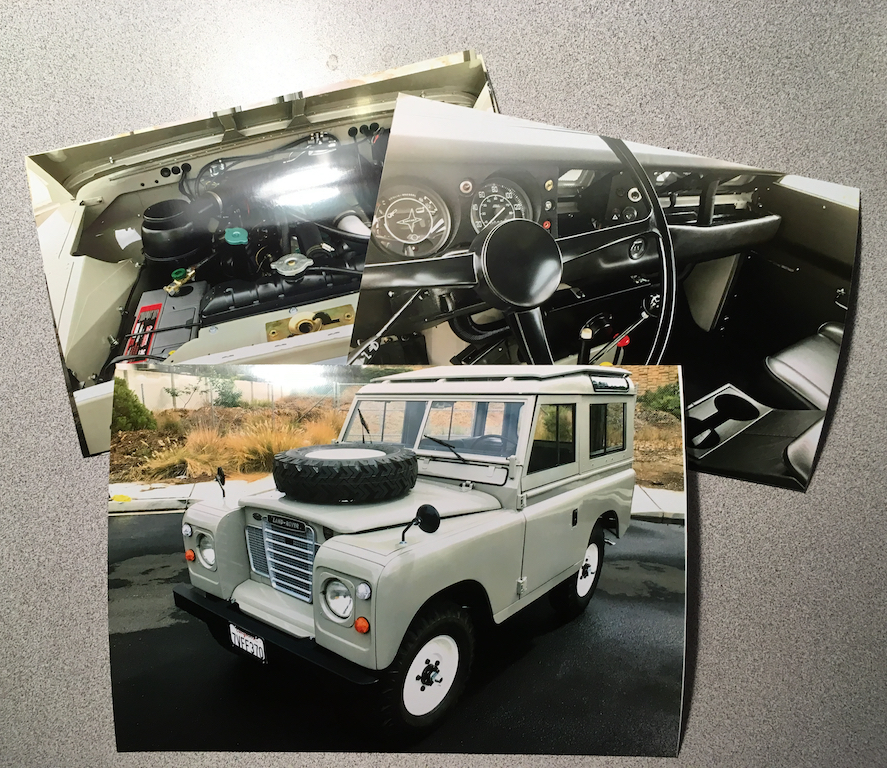
I was never one to want or need prints of digital photos. Back in the day the print quality was too poor to bother with (unless you purchased an insanely expensive printer) and the consumables were expensive and it was just more trouble than it was worth. And once it got easy to share photos online, why both printing?
But for some reason I got a hankering to have some prints of the ‘new’ truck so I headed for Walgreen’s where I printed out half a dozen 4×6 prints (and one 5×7). Cost less than 50 cents a print and they were as good as anything I ever had commercially printed. Can’t see any reason (for me) to own and high-end color printer.
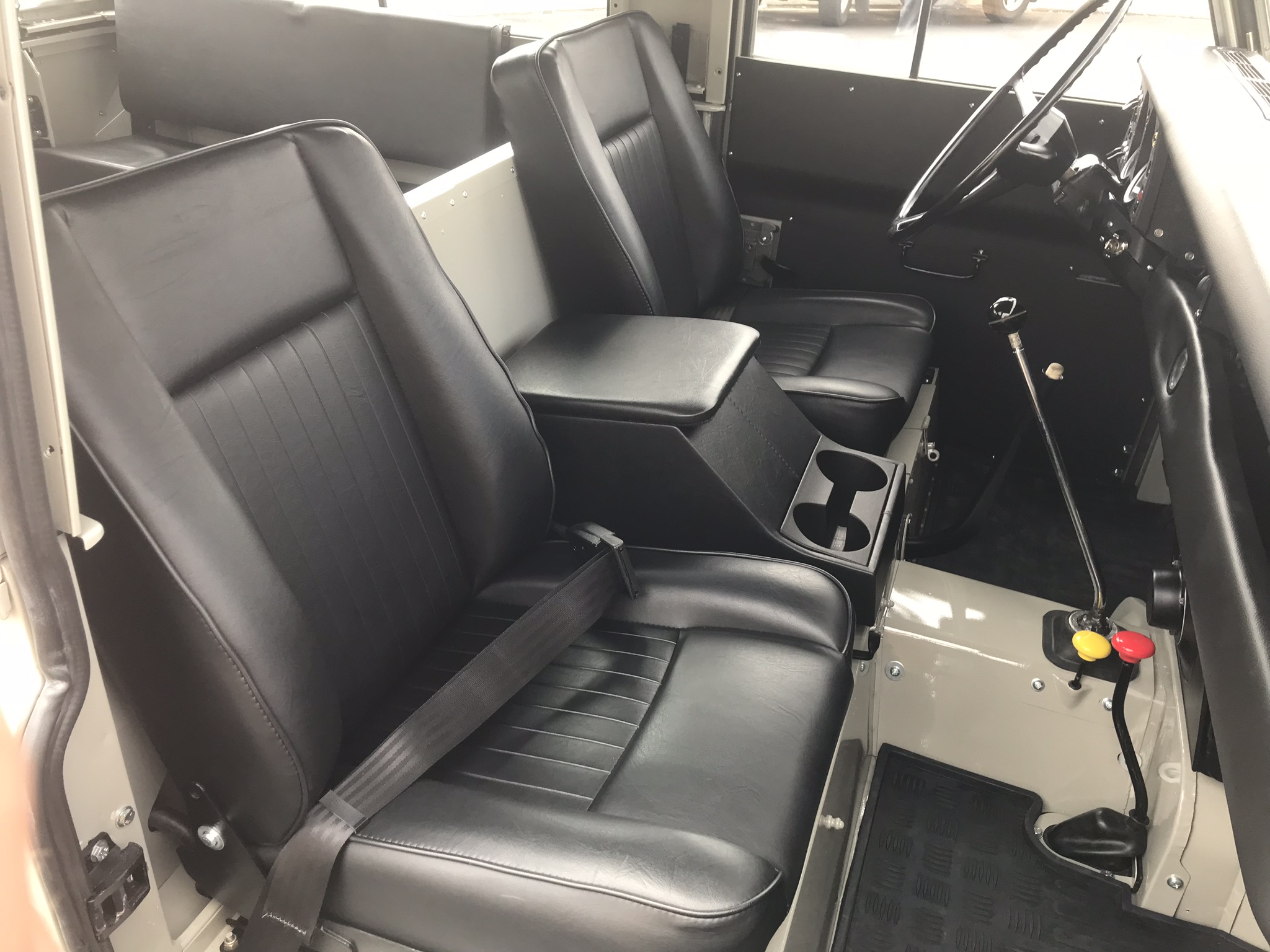
When it rolled off the assembly line in 1979, I think there were three seats in the cab (and they weren’t comfy bucket seats like these). The middle seat has been replaced with a storage compartment.
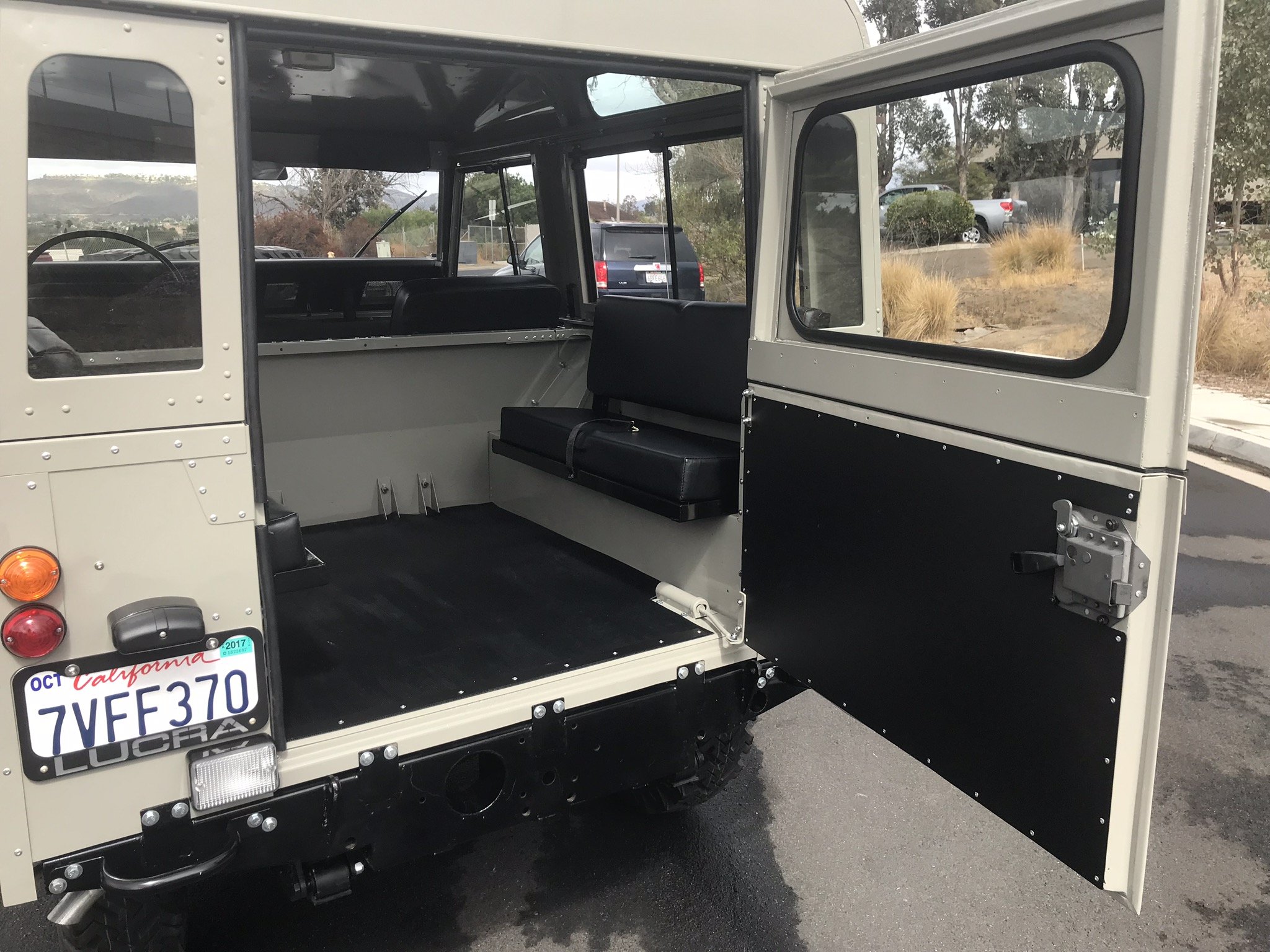
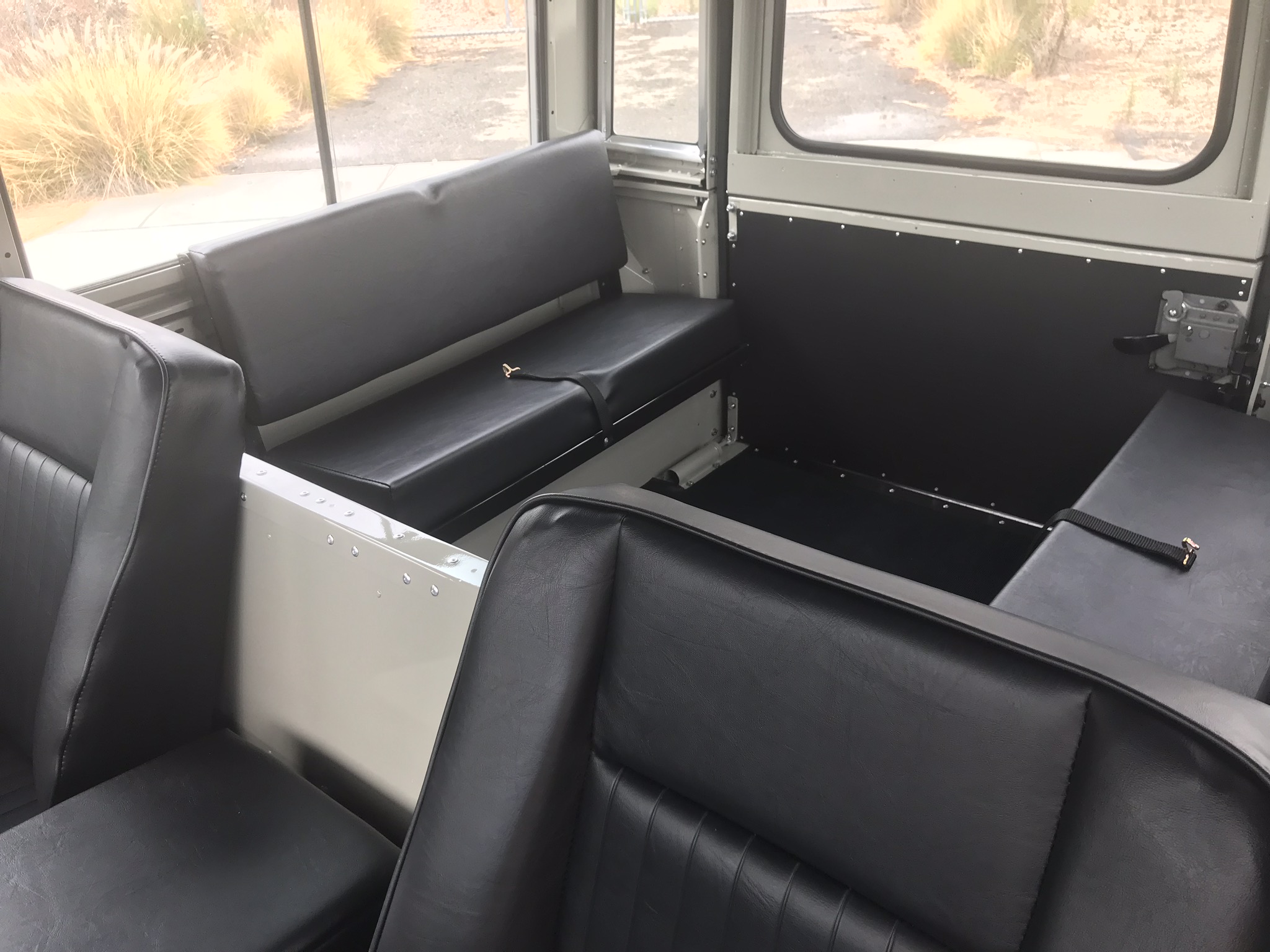
The floor of the tub (rear part of the truck) is covered with a rubber-like material. When it gets muddy, hose it out. I’m not fond of the rear seats and will replace those with simple pads (no back).
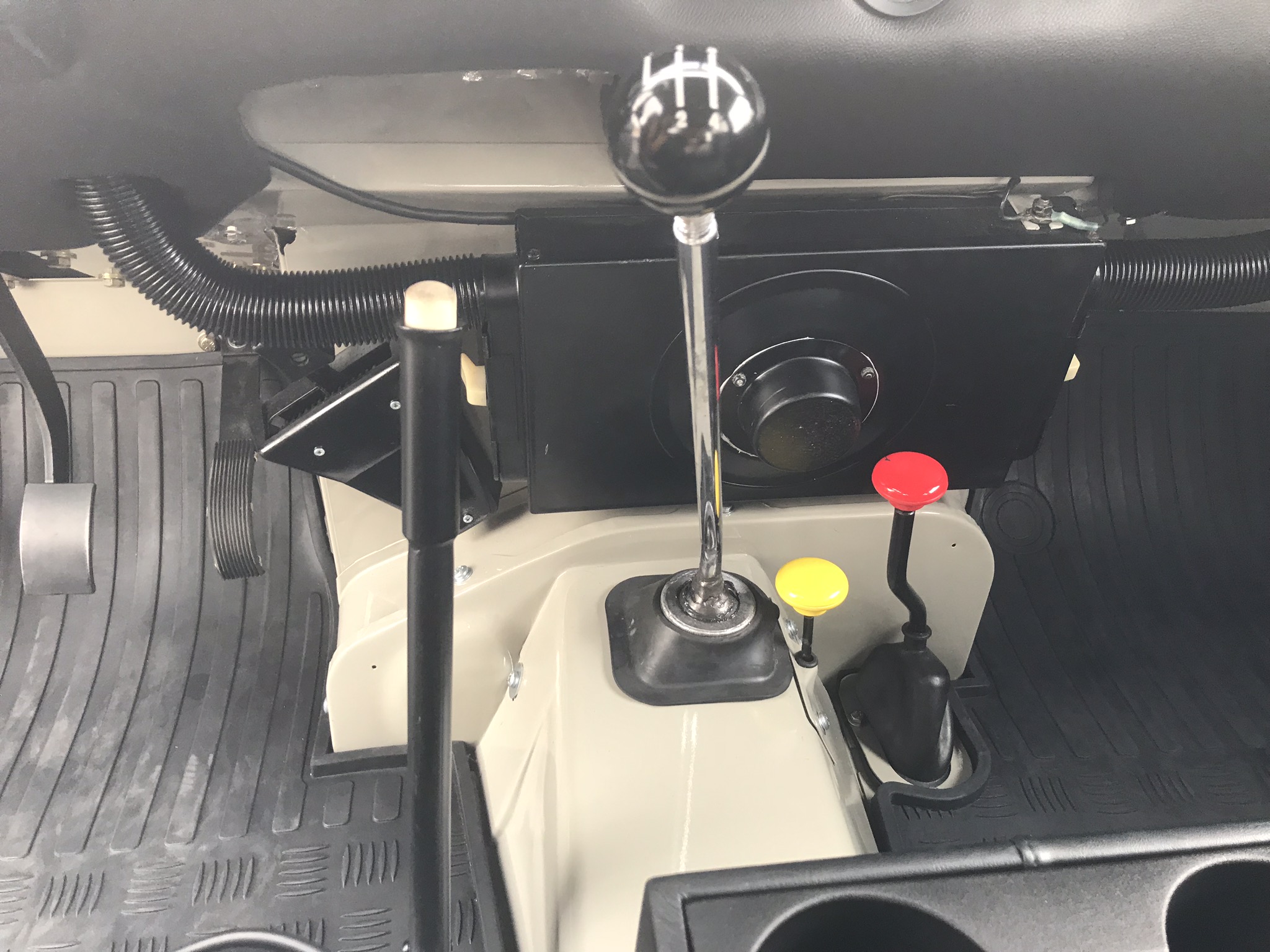
The longer, black lever with the white tip is the parking brake. The yellow knob engages four wheel drive when you push it down. And the red shifter engages the Low Ratio gear. Also known to some as “momma low.” The black box with hoses coming out the sides is the heater. Three settings: to the windscreen; to the floor; or to both.
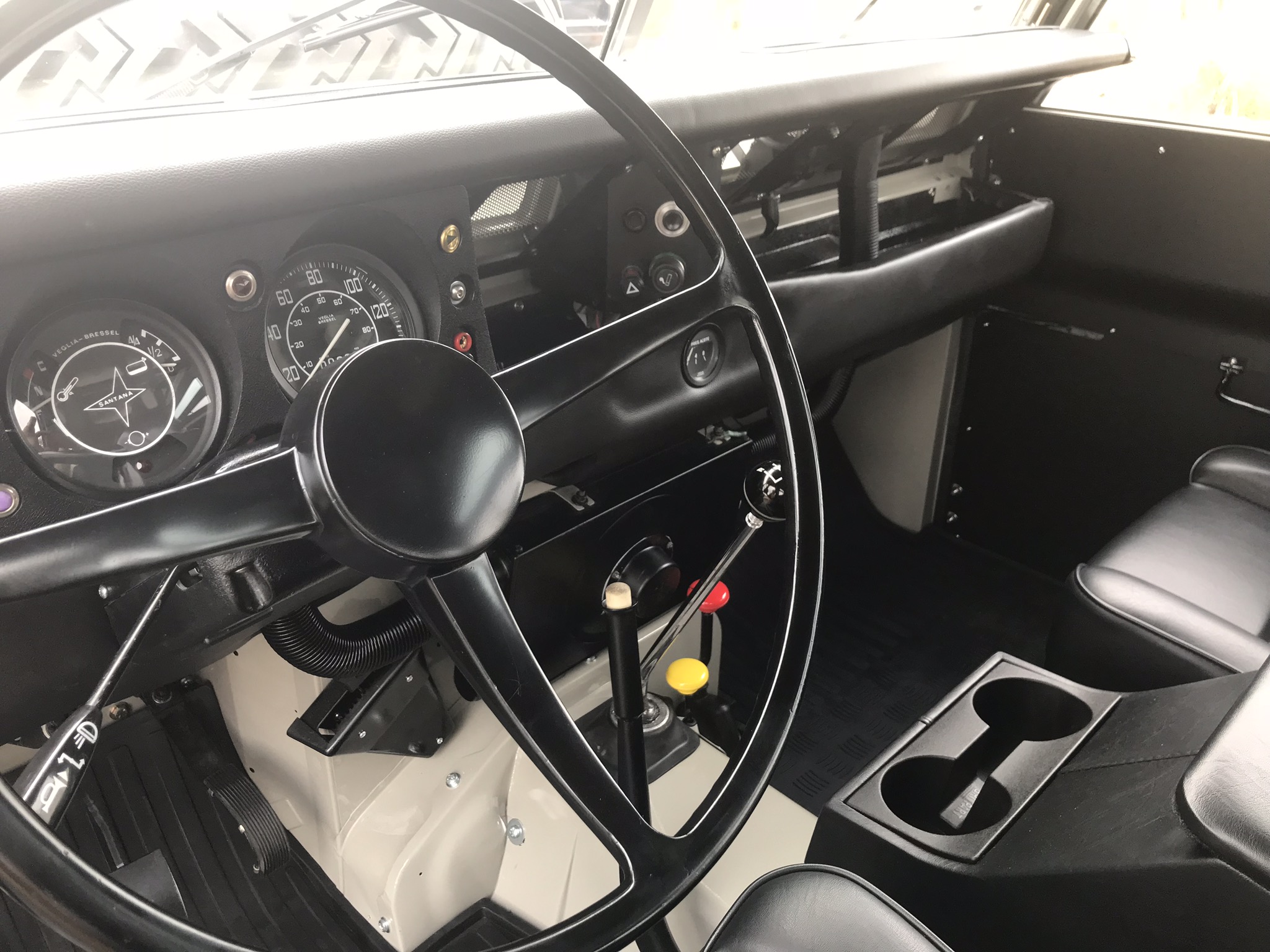
If that steering wheel looks bigger than what you’re used to, it is. No power steering on this baby so you need that big wheel.
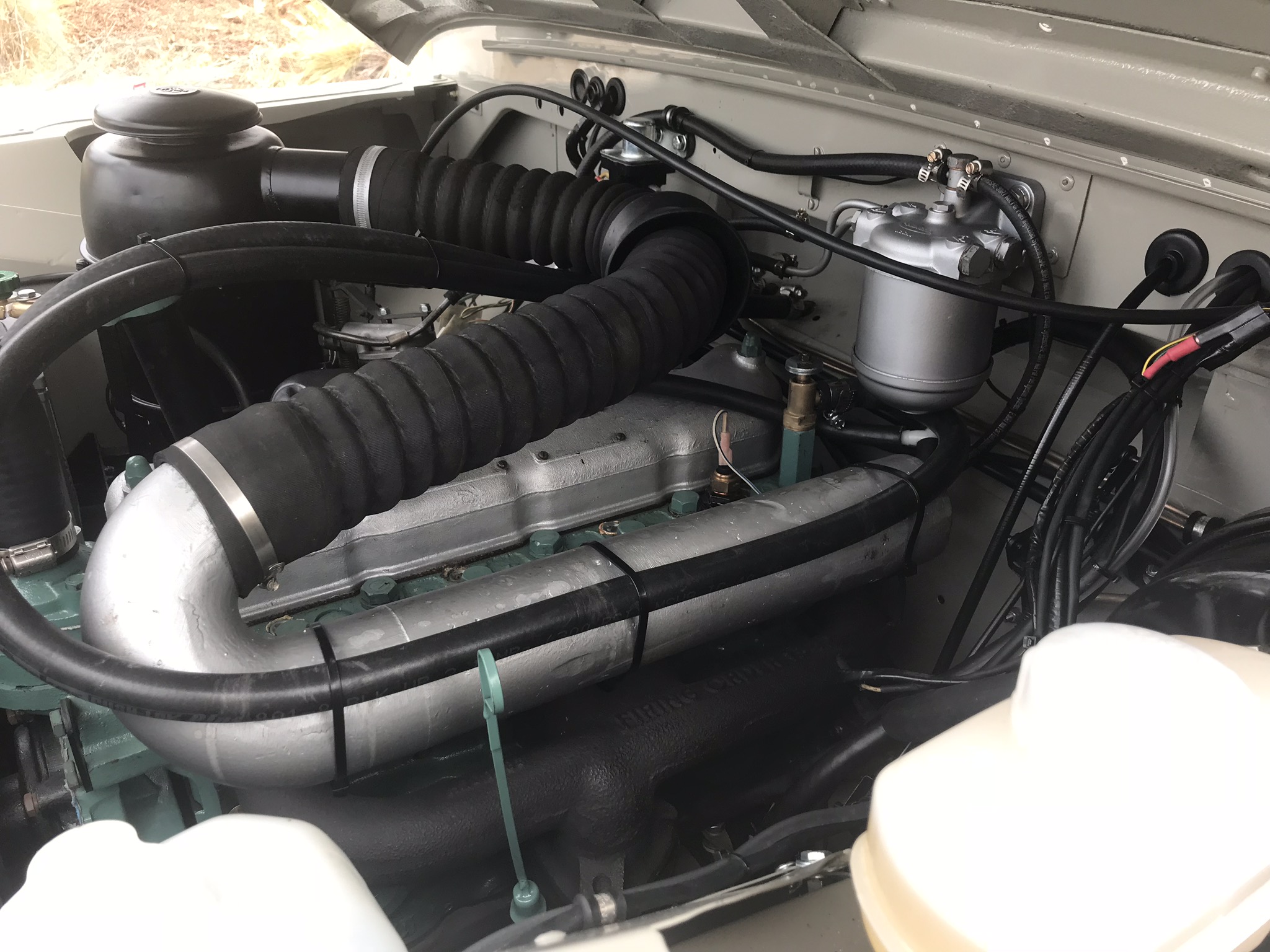
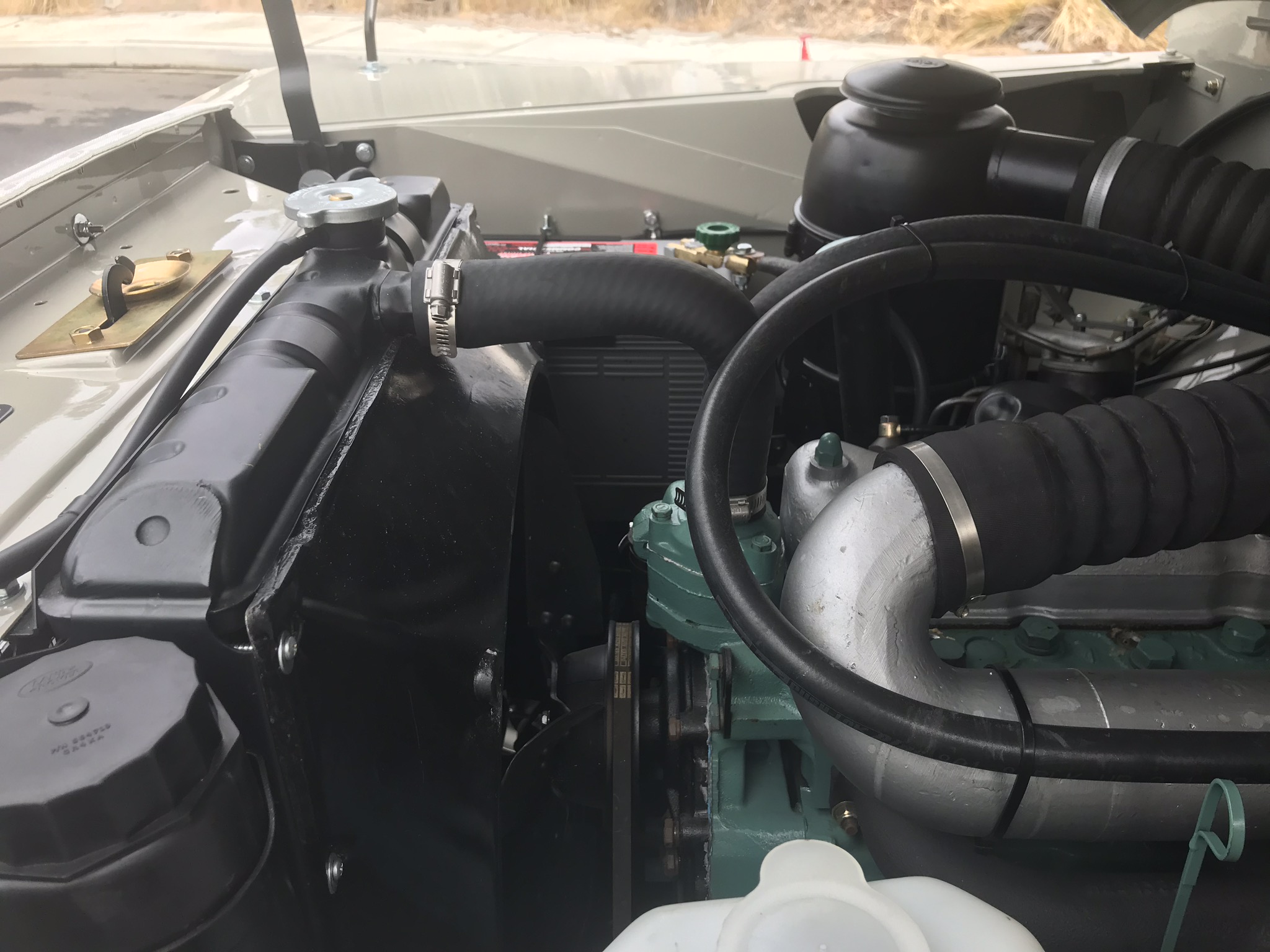
Here are a few shots of the engine. No, I cannot name all of the parts –let alone work on them– but one of my goals is to be able to identify each part and understand what it does.
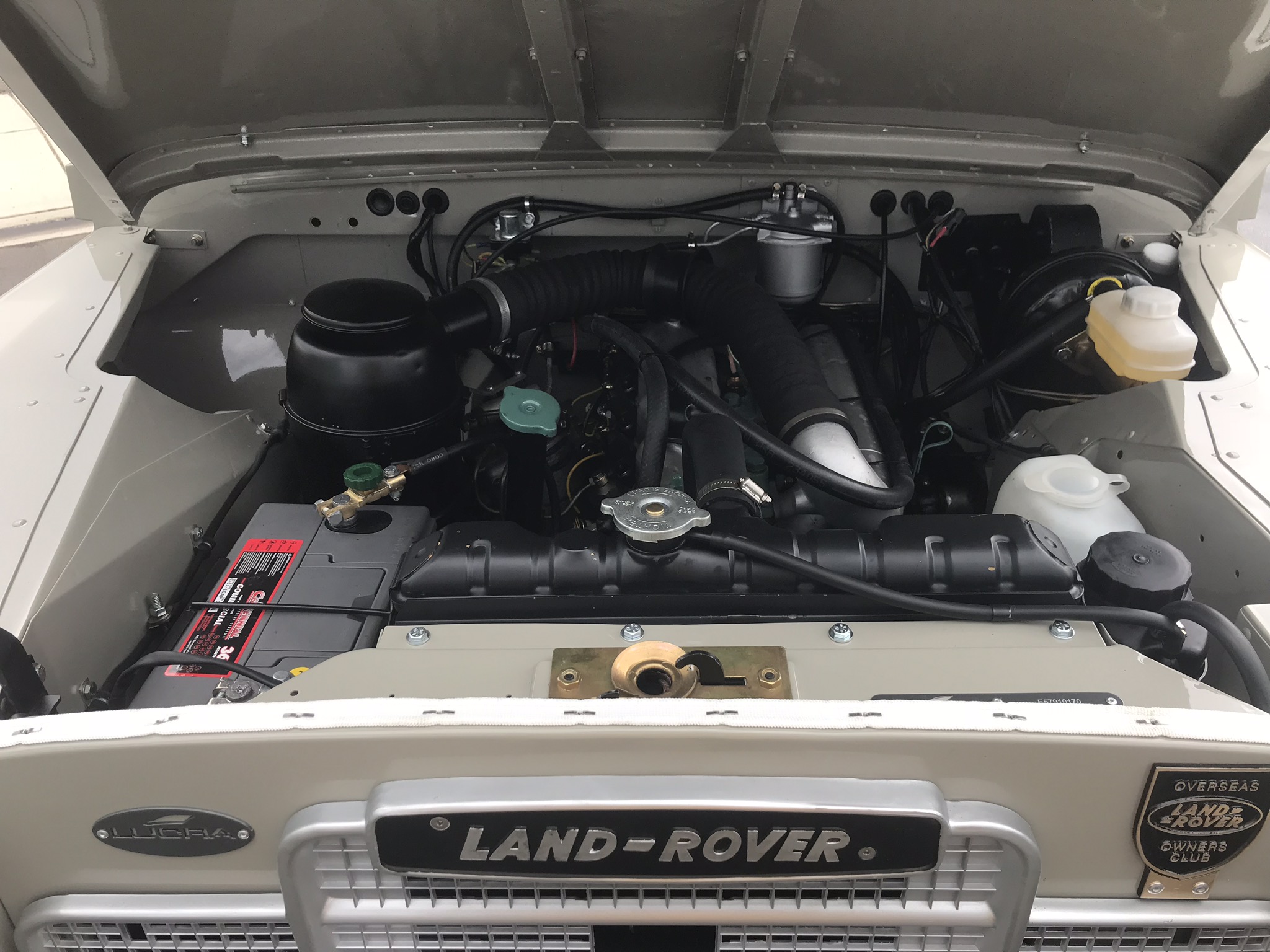
As for that “Overseas Land Rover Owners Club,” no idea. If I had to guess it was on the truck before restoration and the guys just put it back on.