Barb grew up with five brothers and sisters all sitting around a big dinning room table that was soaked in memories. After her parent died it sat in our basement for years. She was sure a niece or nephew (we are child-free) would want this — and other — treasures. They didn’t, for all of the reasons mentioned in this interesting story.
As baby boomers grow older, the volume of unwanted keepsakes and family heirlooms is poised to grow — along with the number of delicate conversations about what to do with them. According to a 2014 United States census report, more than 20 percent of America’s population will be 65 or older by 2030. As these waves of older adults start moving to smaller dwellings, assisted living facilities or retirement homes, they and their kin will have to part with household possessions that the heirs simply don’t want.
My parents grew up during the Depression (mom on a farm, pop in town) so when they could afford to buy some stuff, they did. And it was important to them.
The competitive accumulation of material goods, a cornerstone of the American dream, dates to the post-World War II economy, when returning veterans fled the cities to establish homes and status in the suburbs. Couples married when they were young, and wedding gifts were meant to be used — and treasured — for life.
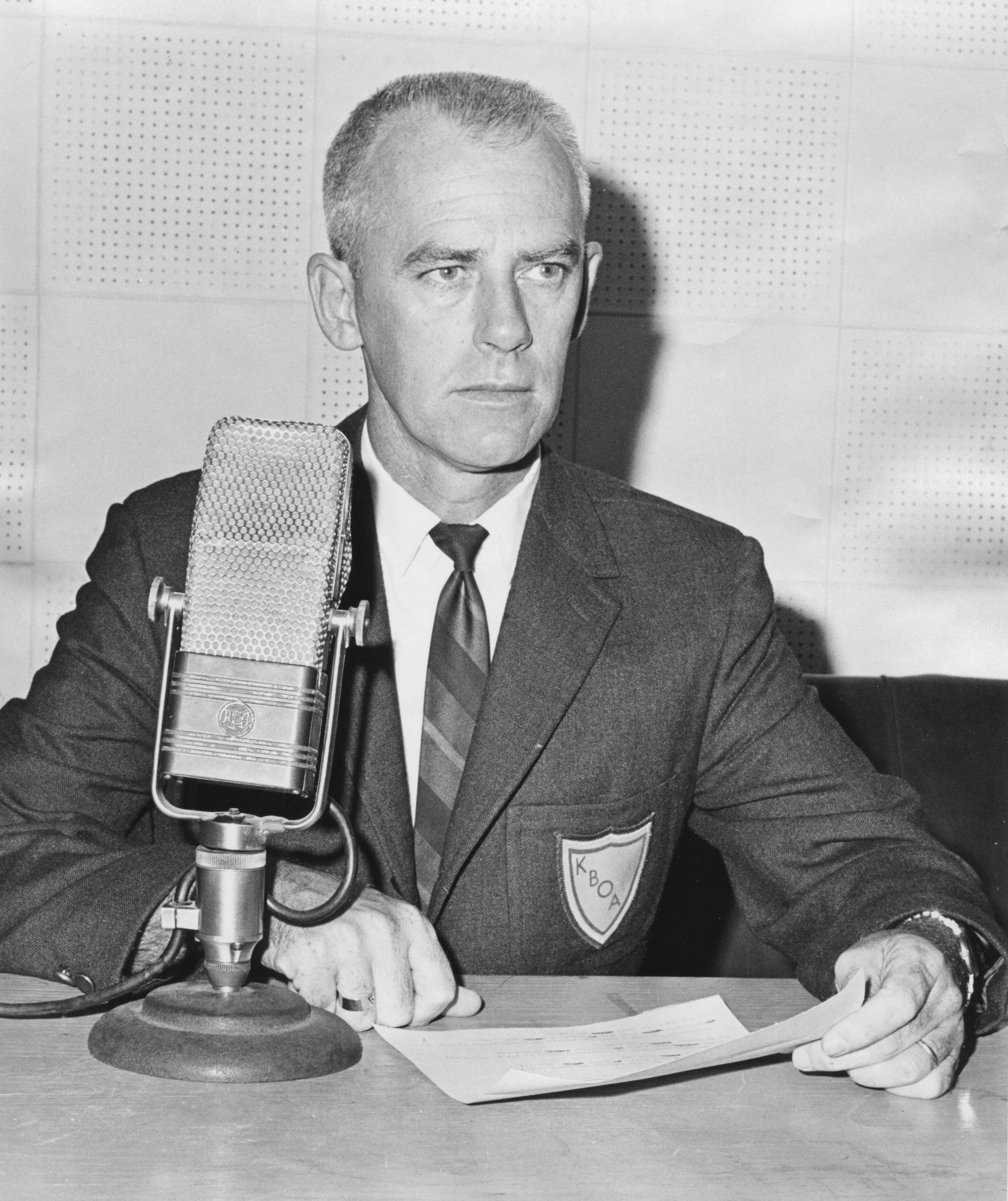
I’ve been looking around me as I write this, looking for things I’ll someday want to find a home for. Things with sentimental value. There’s an old microphone used at the station my father and worked at but any collector of radio memorabilia will be thrilled to have it.
As I’ve come to understand that my memories aren’t as real as I once thought them to be, the material items associated with those memories seem less valuable.
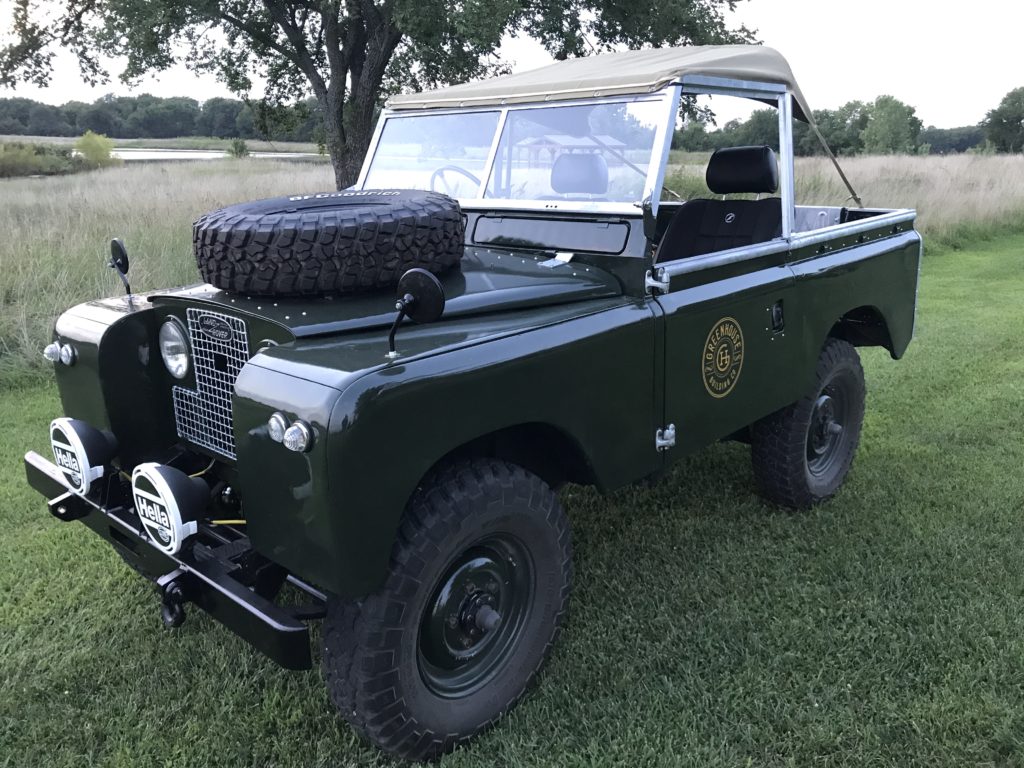
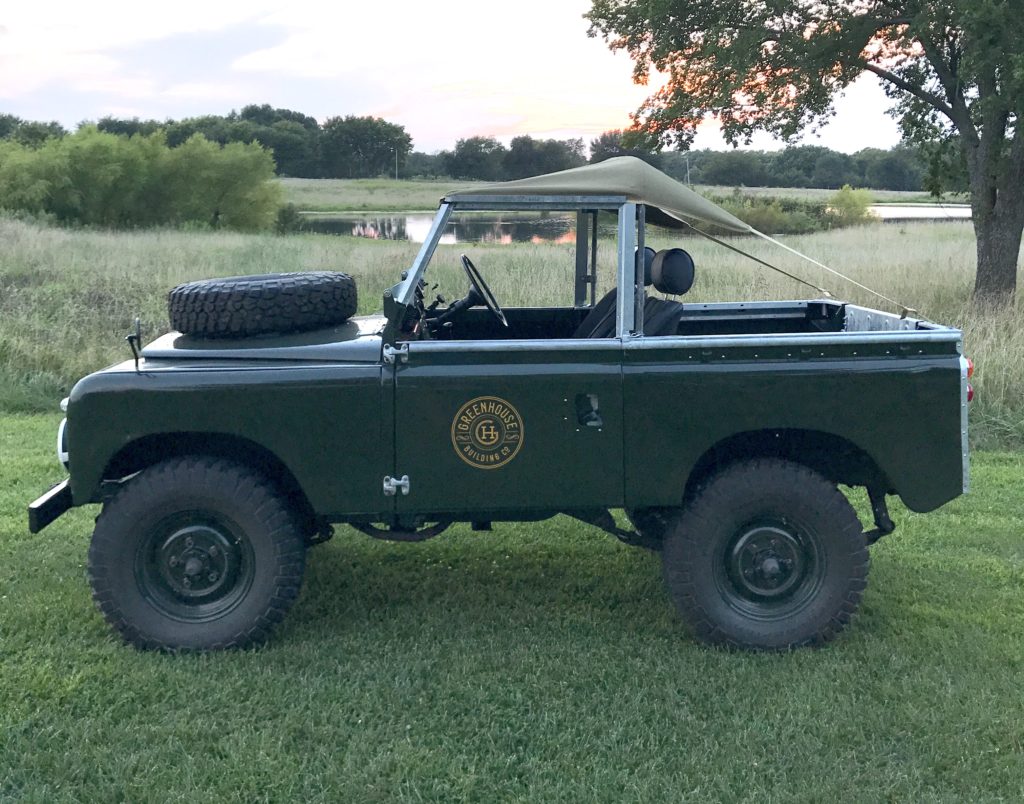
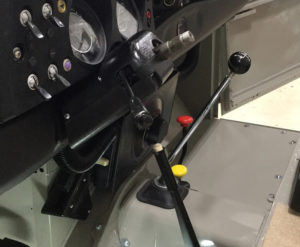 I’ve never given a thought to having a car stolen. No annoying alarm, no Club. And I’ve never owned a car that would be particularly attractive to car thieves. In a couple of months I’ll be driving a truck that might very well catch a thief’s eye. My friend George pointed out few car thieves could drive my Land Rover because it has a manual transmission. Could that be right, I wondered?