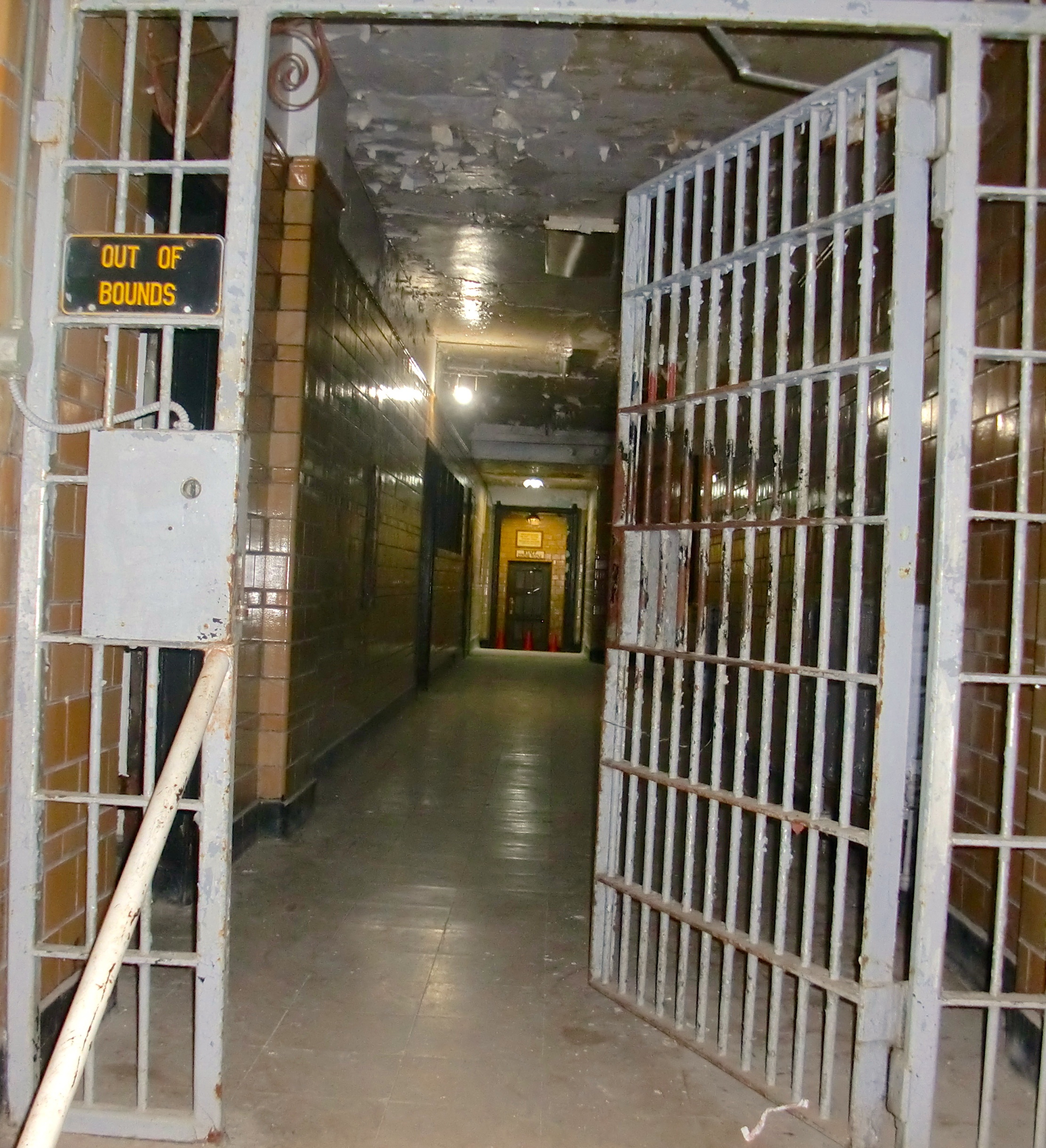
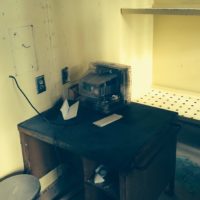
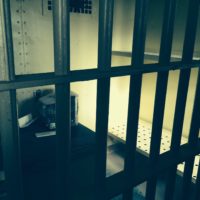
Prison photo a “liminal space”

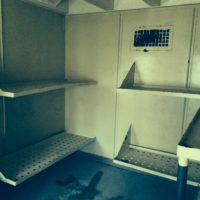
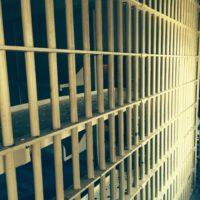
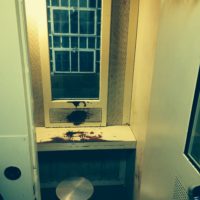
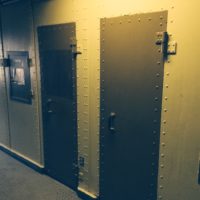
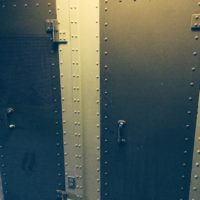
In 2013 I posted this photo to my Flickr account. About a year ago someone commented:  “This image is now famous on the internet for being known as a liminal space and a ‘level of the backrooms’ called “Electrical Substation” theres even video games or maps based off this image.”

I didn’t notice the comment at the time but when I came across it today I became curious about the “liminal space” reference and went to ChatGPT for some background. Continue reading

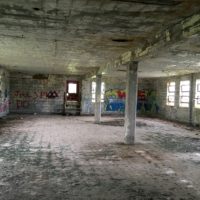
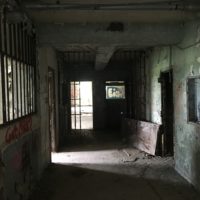
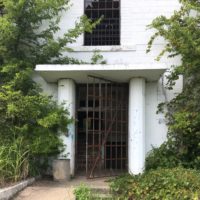
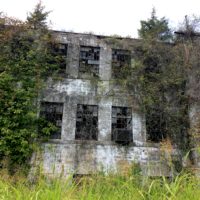
Renz Prison Farm

You can see what’s left of the Renz Prison Farm just across the river from Jefferson City, Missouri. I’ve been meaning to take a closer look for years and yesterday my friend George poked around for a a few minutes but there wasn’t much left to see. (There’s a bit of the history in this Vox article from 2015.)

The building is too far gone to get much of an idea what it was once like. I didn’t see many individual cells and assume the large open rooms were dormitories. This four minute video (not mine!) offers some different views:

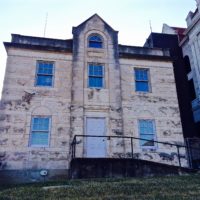
Old Cole County Jail

Cole County Sheriff Greg White took time from his busy schedule to give +George Kopp and me a tour of the old Cole County jail which was in use until two years ago, when the new jail was completed. The old jail was designed to house 52 prisoners but was housing as many as 98 by the time they moved to the new facility. Not good. A portion of the old jail is still used for holding prisoners when hearings are held in the attached Cole County Courthouse.

Missouri prison life in 1800’s

The Twin Hells, by John N. Reynolds, claims to be “A Thrilling Narrative of Life in the Kansas and Missouri Penitentiaries.” I haven’t read the entire account yet but will share this excerpt about the Missouri penitentiary:

“The inmates of the Missouri penitentiary are well clothed. In this respect, this prison has no rival. All the prisoners presented the appearance of being cleanly, so far as their clothing is concerned. All are dressed in stripes. None are exempt. Here are nearly two thousand men on an equality. None of them can look down upon others, and say, I am more nicely dressed than you. I never saw a convict dude in the entire lot. The prisoners are well fed. For breakfast, the bill of fare consists of bread, coffee, without milk or sugar, and hash. There is no change to this bill of fare. If the prisoner has been there for ten years, if not in the hospital, he has feasted upon hash every morning. Boiled meat, corn bread, potatoes and water makes up the dinner, and for supper the convict has bread, molasses and coffee. The principal objection to this diet is its monotony. Whenever a change of diet becomes a strict necessity, the prisoner is permitted to take a few meals in the hospital dining-room. Here he receives a first-class meal. This is a capital idea. A great deal of sickness is prevented by thus permitting the convict to have an occasional change of diet. On holidays, such as Thanksgiving day, Christmas, etc., an extra dinner is given, which is keenly relished by all. I have before me a statement of the expenses for a Sunday breakfast and dinner. There are only two meals given on Sunday. The hash was made up of 612 pounds of beef, 90 pounds of bacon, and 30 bushels of potatoes. Fifty-one pounds of coffee were used, and four and a half barrels of flour. The entire meal cost $68.38.”

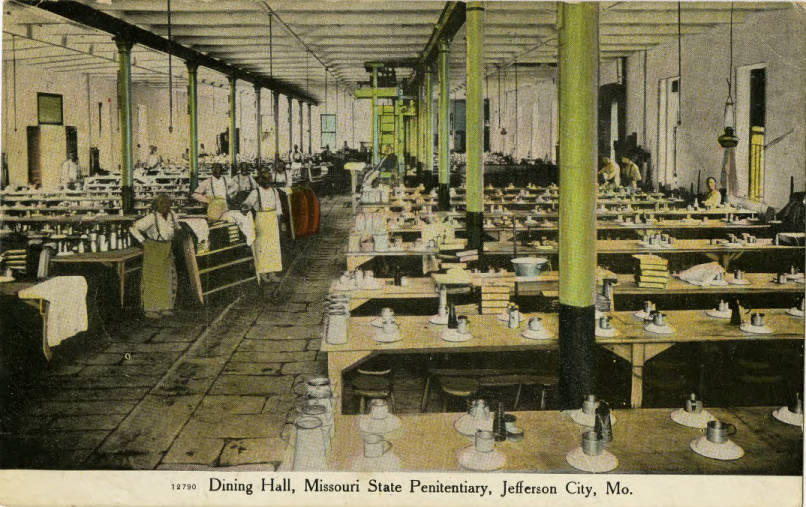
It appears the account above is from the late 1800’s. I have not idea of the time period represented by the postcard below (from Bob Priddy’s extensive collection of Missouri postcards)

Updating MissouriDeathRow.com

MissouriDeathRow.com was one of the first websites I did. And it looks like it. This was before flickr and Typepad and such. So I’m doing a little make-over. Hope to have it complete by the end of the year.

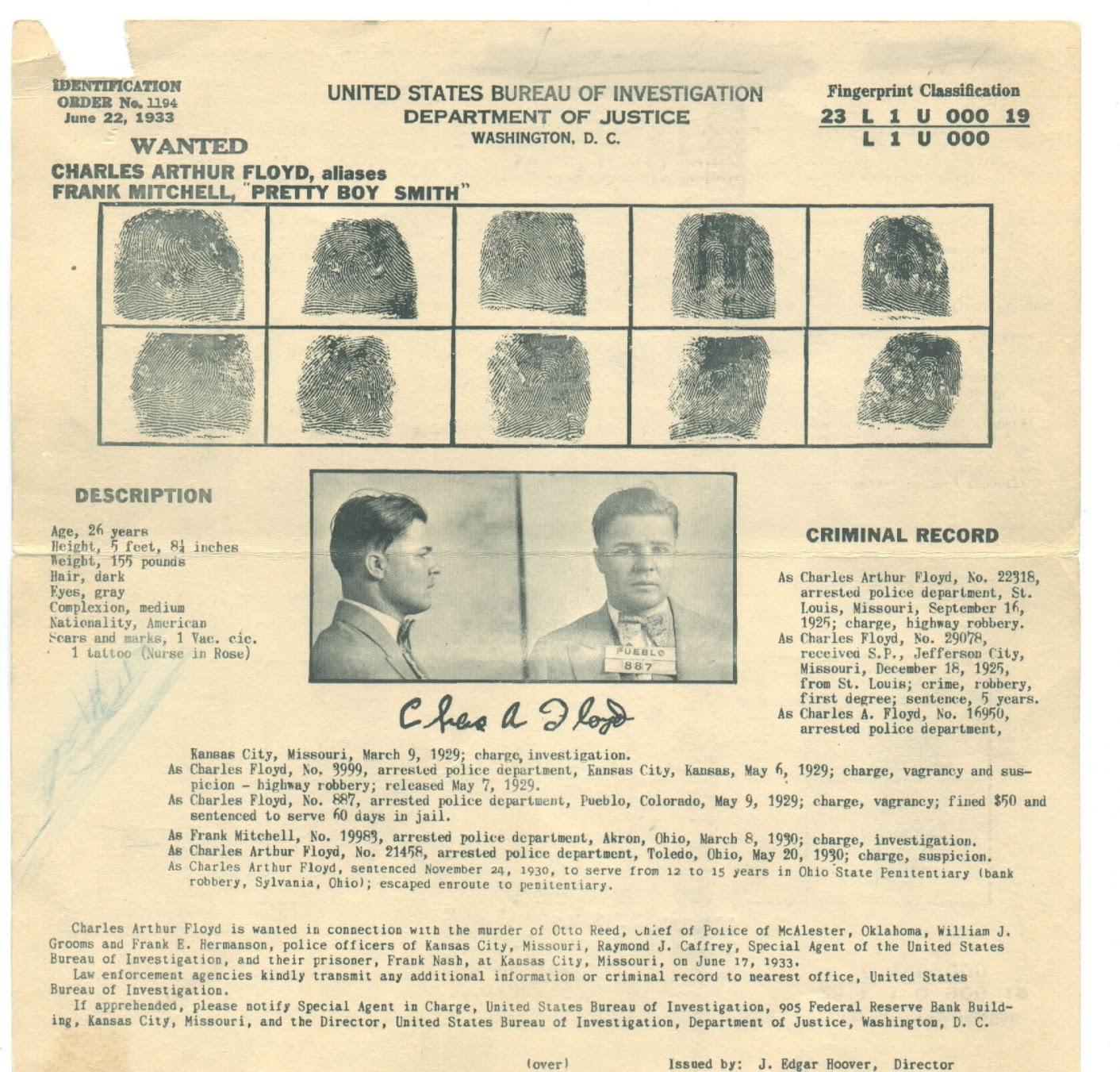
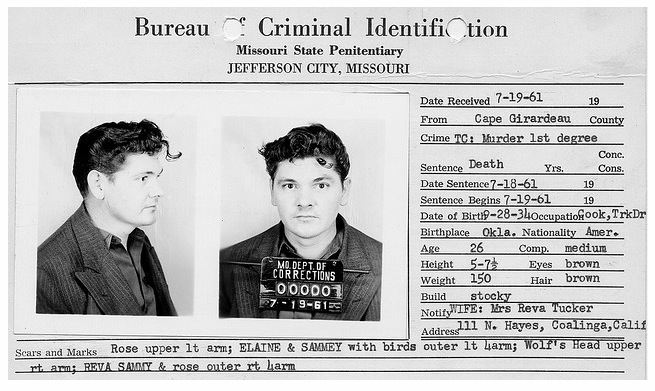
I’m starting with images and documents related to those executed in Missouri’s gas chamber. First time out, I just posted photos of the condemned. This time I’m posting the… not sure what to call it… the record or card for each inmate [flickr slideshow].

I scanned these from the state archives. For some reason, I find them fascinating.

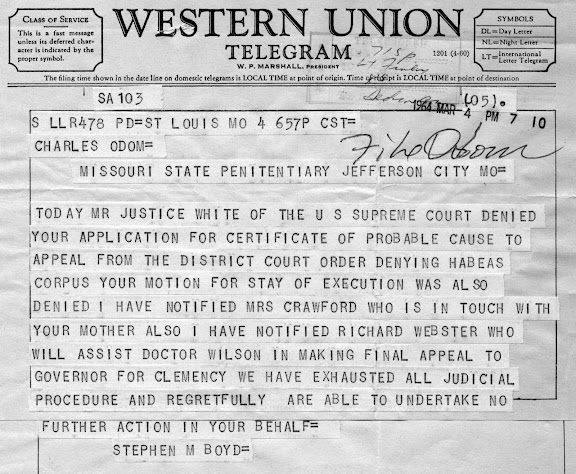
The state archive has a file on each of the inmates executed in the gas chamber. I spent a week going through these, scanning as much as time allowed. Letters, notes, telegrams…
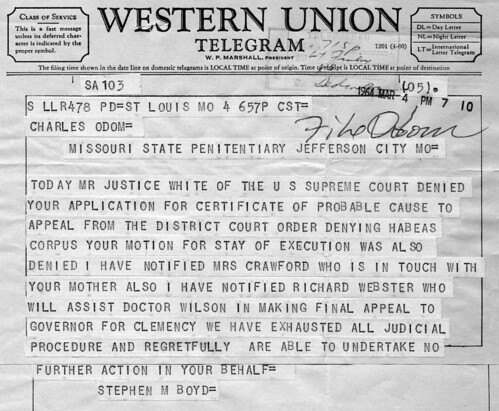
On June 24, 1962, Odom and another Death Row inmate attempted an escape. Odom’s file contained a report by the guard on duty at the time. I’ve also included  (from his appeal to the Missouri Supreme Court) a description of the crime for which Odom was executed.