Home stretch

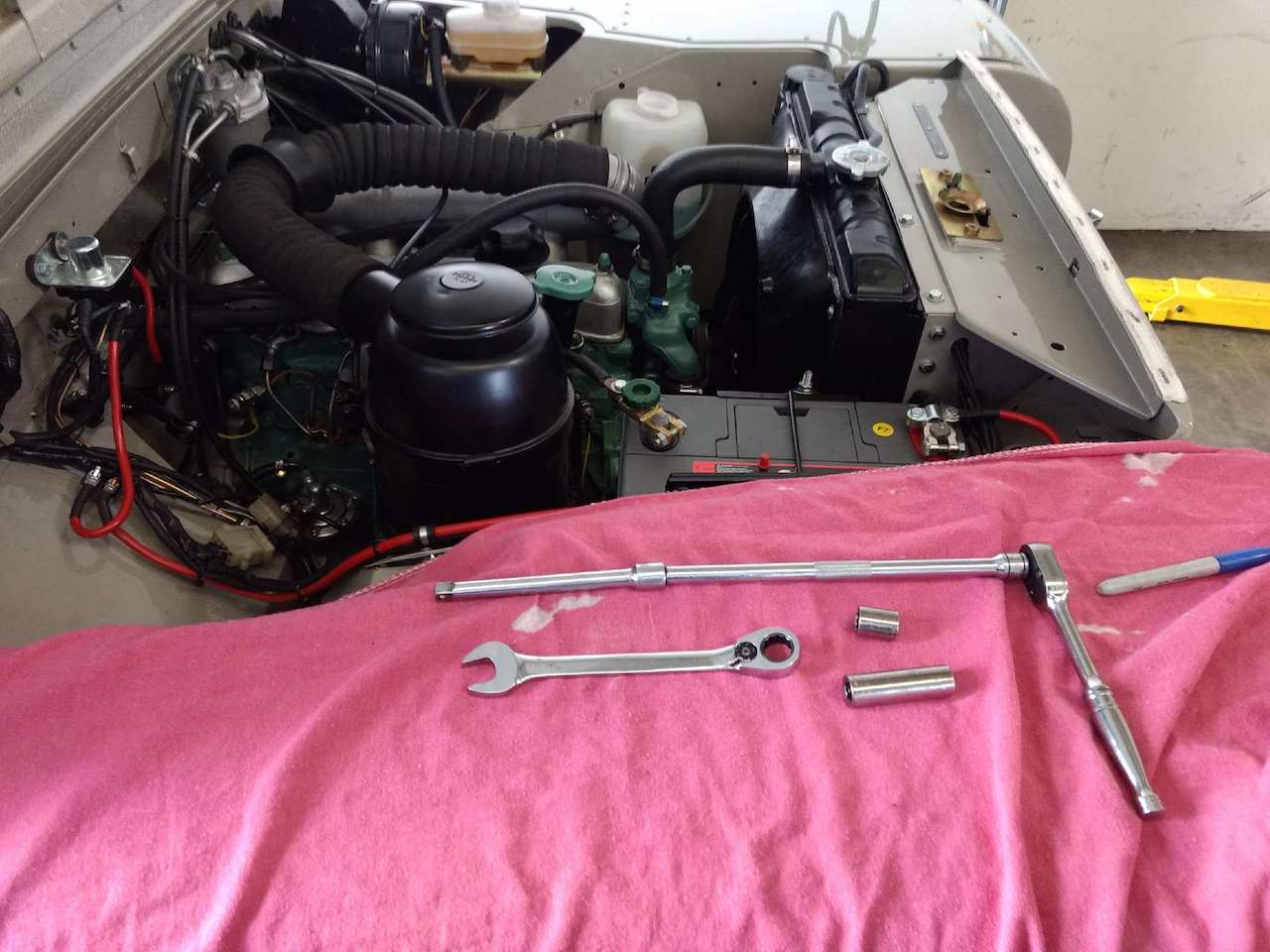
Update from Mr. Wolf: “I have been driving the truck today and it has been great. One little gremlin came up (the fuel cut-off cable came loose, easy fix), but I feel like we are in the home stretch here. The odometer is going to roll over 1,000km today!” I had to ask about the “fuel cut-off cable.”

Because diesels don’t need any electricity to run, turning the key off doesn’t stop the engine, so you pull a little knob next to the key to manually cut fuel flow to the engine. It’s pretty neat.

I won’t share the full list but here are the kinds of things he’s been finding and fixing.

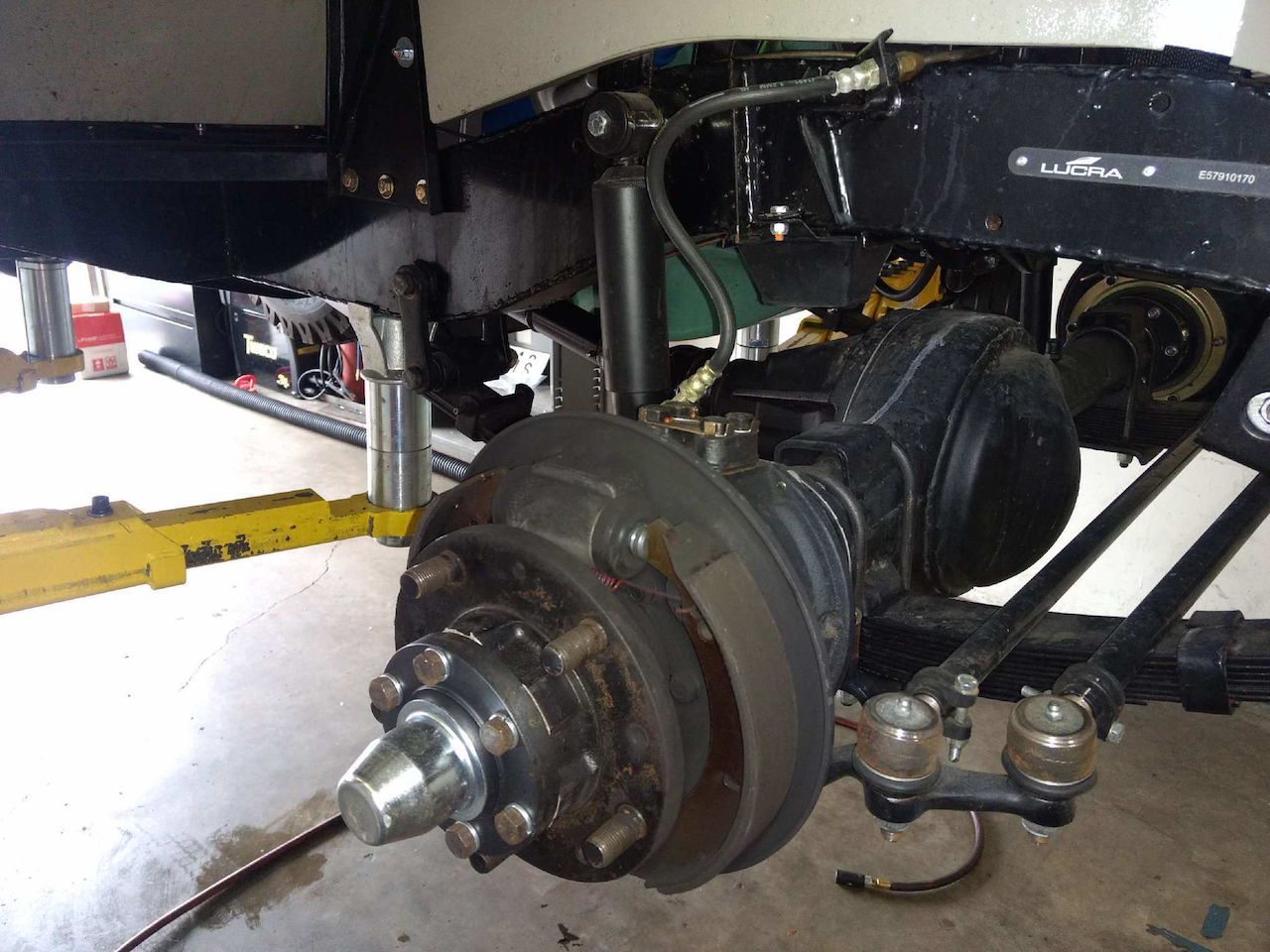
  • R&R left rear hub seal and change gear oil
  • Reassemble rear brakes, bleed system, lube all zirc fittings, adjust brakes
  • Reinstalling and modifying filler neck
  • Front spring shackles installed properly, problematic Britpart steering damper removed
  • Disassemble rear suspension, grease all shackles and bolts, reassemble.
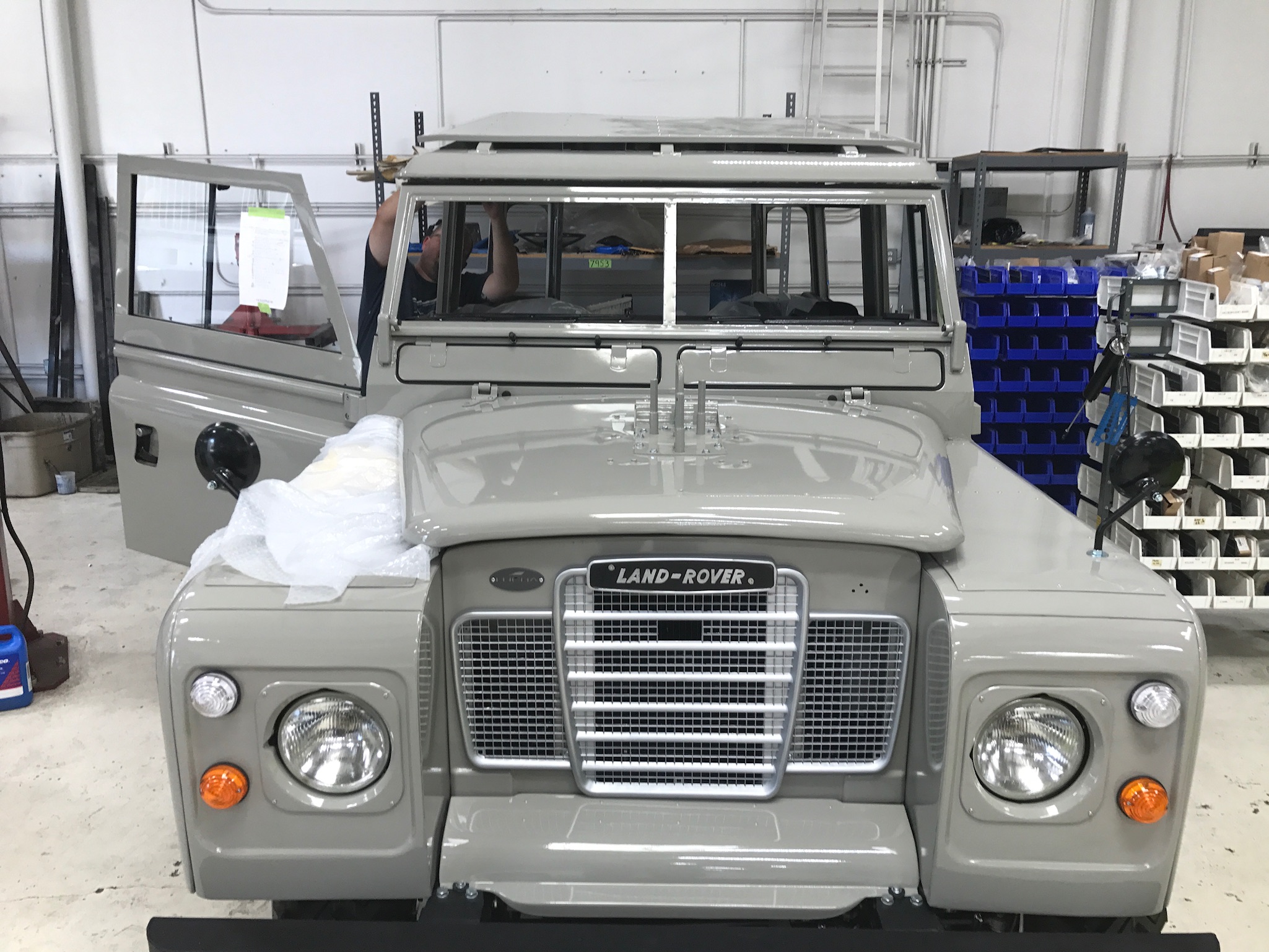
  • Replace incorrect hardware holding the grill on
  • Final adjustment on brakes
  • Replace & rewire glow plugs (one failed out of the box, replacement ordered)
  • Re-adjust idle speed and all throttle linkage
  • Re-wrap passenger side wiring harness with 3M friction tape

This is the attention to detail someone gives their own truck.
Steering Stabiliser

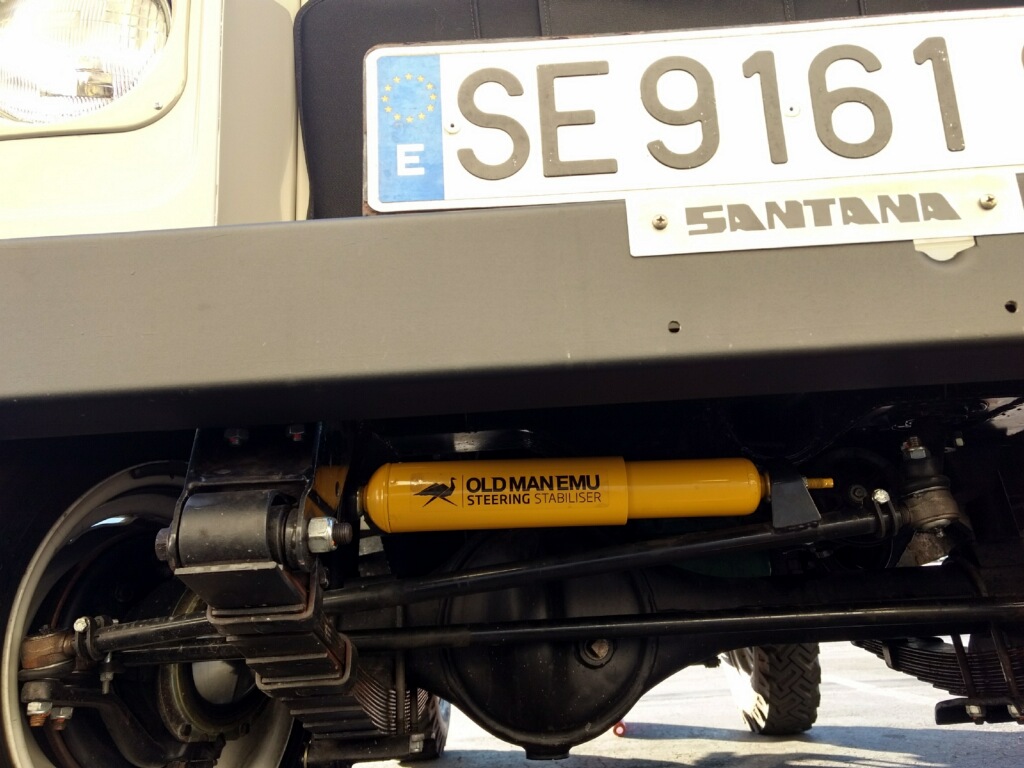
Last week Mr. Wolf added a steering stabilizer to the truck. I’m guessing the only way to know if you need a steering stabilizer — or that the one you have isn’t working — is by driving the truck.

“The steering stabilizer’s primary function is to dampen or stabilize the side to side movement of the wheels in much the same way shock absorbers limiting excessive suspension movement & oscillation. Steering stabilizers are a necessary component because it helps to absorb bump-steer and flighty steering issues.”

At last check Mr. Wolf had put 700+km on my truck (I’ve come to think of it as our truck) so he’s probably getting close to the targeted 1,000km. When restoring a 40-year-old truck, there’s just no way to find all the problems without driving it. More importantly, knowing what to look/listen/feel for while you’re driving it. This is where Mr. Wolf has earned his commission (and then some).

Patching the patch

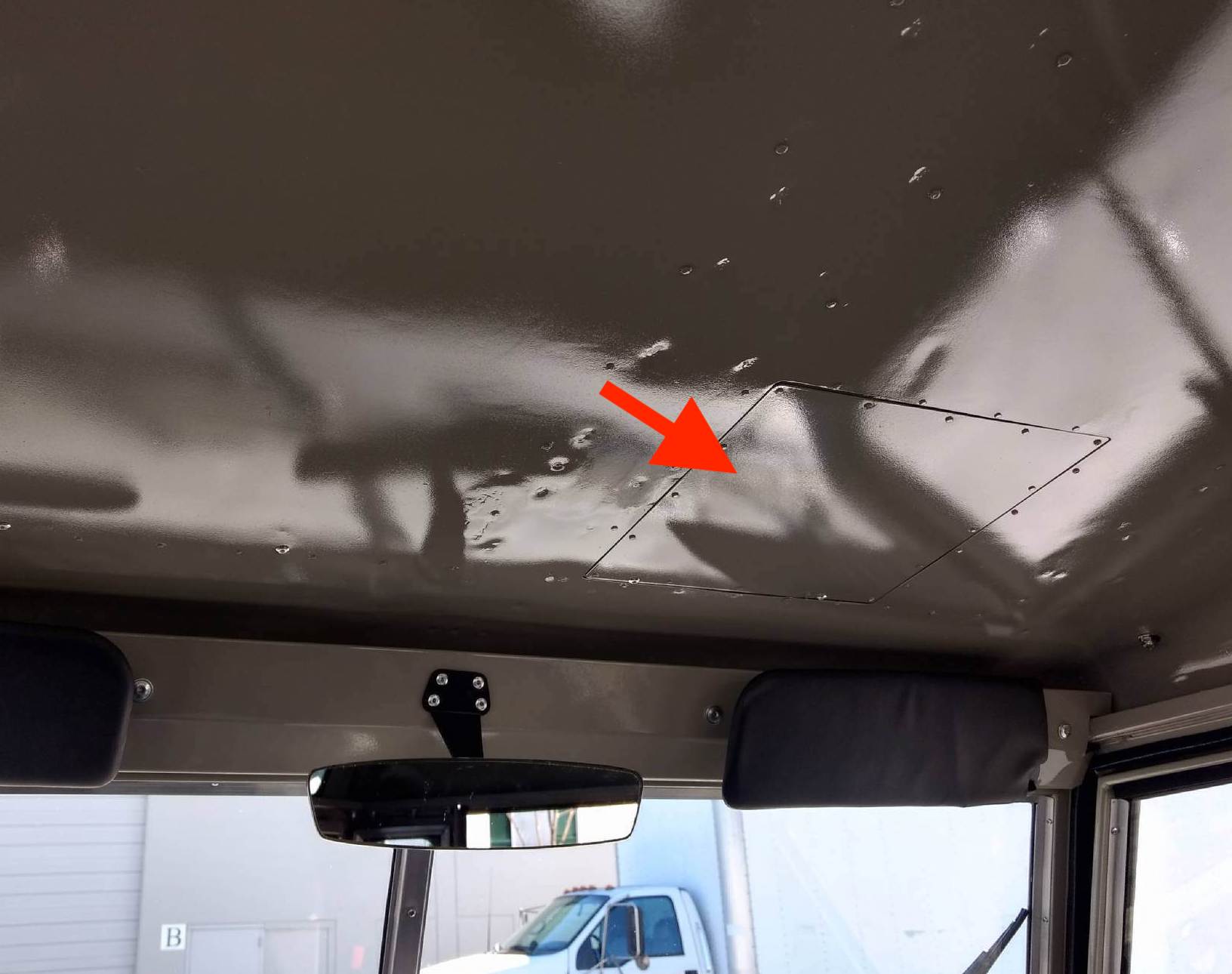
When they started the restoration of my Land Rover it was with the intention of putting a soft top on it since the prospective owner lived in southern California. Near the end of the restoration I asked about putting a hard-top on the truck and they found one. (During the warm summer months, I’ll switch to a soft top)

Following a recent power-wash, Mr. Wolf noticed more water the cab than he thought should be there and concluded it was coming from a mystery patch over the passenger side of the cab.

Fix A would involve some hours and additional expense. Fix B is putting some “grey goop” on the patch and worry about it later if water is still getting in. This “escape hatch” is part of the main roof and not in the “safari top” so it’s unlikely water would ever be pouring in.

Cruising Speed

When the topic of Series Land Rovers comes up (almost never) someone is sure to point out the trucks are a little hard to drive, they’re noisy, and they’re slow. Top speed around 55 mph.

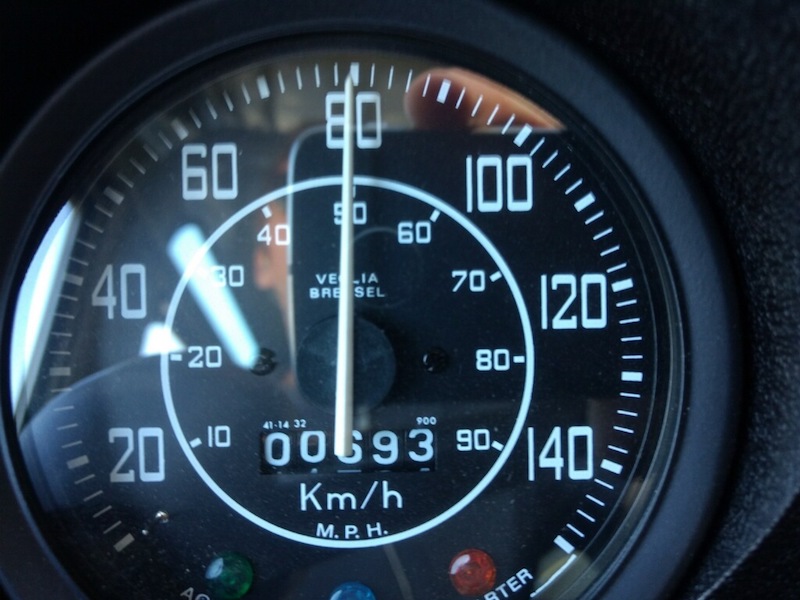
Last night Mr. Wolf shared this photo of my truck’s speedometer cruising nicely at 50 mph. I’m hoping to hear more about how the car handled on the highway and I’ll update this post. One more thing almost everyone says about Series Land Rovers: They are fun to drive. Again, Mr. Wolf:

On two separate occasions someone slowed from 80 mph, moved all the way over from the fast lane to pull up next to me and give a very emphatic thumbs up. First one was a Porsche Cayenne Turbo, second one was a Tesla Model S P90D

This sounds like he was on the freeway — something I won’t be doing — but nice to know the truck can cruise at a decent speed.

Road Test

The Rover gets its first real road test today when Mr. Wolf drives it down to San Jose (40 miles). Doubt he’ll be on the freeway but doubt traffic on secondary roads is much slower. Eagerly await his report. A brief summary of latest fixes:

  • The front leaf spring shackles were assembled incorrectly, and without any grease. This was allowing the front springs to shift laterally, making the steering sloppy and causing an occasional clunk. Greased and reassembled.
  • Britpart steering damper that came on the truck was faulty, at times not damping at all, at other times binding. The truck is driving great without it right now, but I should probably put a new one on there.
  • The filler neck. (long story)
  • The odometer rolled over 600 km yesterday, so I gave it an oil change. Note: it holds 9 quarts, not 7 like the manual says. I think it has an extra large filter housing.
  • I think I finally solved all of the brake issues. The final piece of the puzzle was pulling the master cylinder and shortening the booster pushrod. It was adjusted much too long, not allowing fluid to come back into the master cylinder.

If you’ve been following this story you might be wondering about the quality of the restoration. And rightly so. I was warned from the beginning that a nuts-and-bolts, frame-off restoration isn’t the end of the process. There will be problems that just can’t be spotted until you put some kilometers on the truck. That said, Mr. Wolf has found a lot of careless mistakes. And he’s fixed them. He’s still fixing them.

Buying a restored vintage vehicle is risky business. Even more so if you have zero experience. My salvation has been having someone who can spot and fix the problems. By the time my truck is done I’m confident it will be as close to perfect as a 40 year old truck can be.

Would I do this again, knowing all that I know now? I would. If you are in a hurry and easily pissed off… this isn’t the route for you. And if my new/old Land Rover stops running a week after I get it, I’ll sit in it and drink beer in the back yard.

The first 1,000 miles

The first thousand miles after a frame-off restoration are important. This is when you find the inevitable small (and our case, large) things that need “sorting out,” as the Brits say. Mr. Wolf has finally been able to do this kind of diagnostic driving.

Drove the Rover a bit this weekend, and it was quite enjoyable. Next will be hooking the brake booster backup and fine tuning the brake shoe adjustments. Still waiting on the replacement filler neck hose. (The exhaust is) pretty darn good, I think we’re within the normal range now. A bit of smoking for 30 seconds or so after a cold start, then a regular amount for a healthy diesel in normal driving. Cold starts as still a little labored, but I want to get fresh glow plugs in it before I make a decision there. The “direct replacement” glow plugs I bought for it before didn’t fit, need to track down the right ones.

This process is critical and something most owners do themselves (I assume). Given what this truck cost, one might argue it should have been part of the restoration but that’s fluid through the crankcase. I’m fortunate to have Mr. Wolf to find and fix these things.

Land Rover: Problem with fuel line

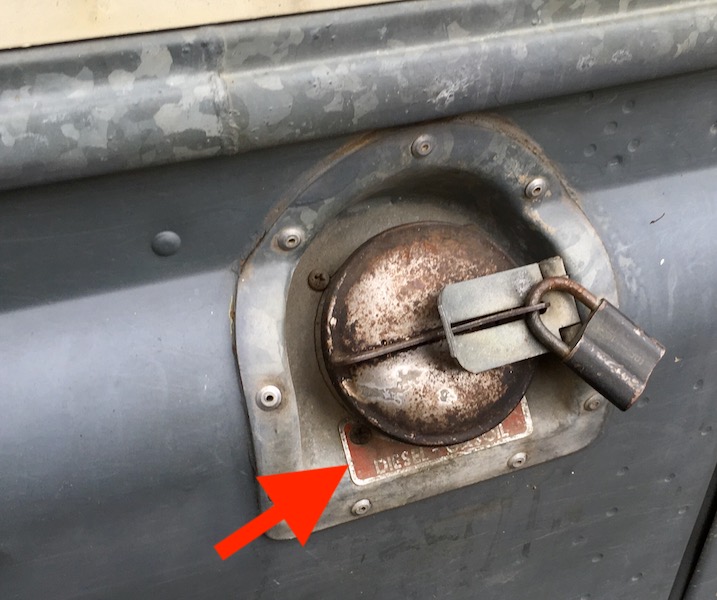
After a lifetime of pumping gasoline into my cars, I’ll have to remember to pull up to the diesel pump. I thought it wouldn’t hurt to have a little reminder like the one in the photo below (not my truck).

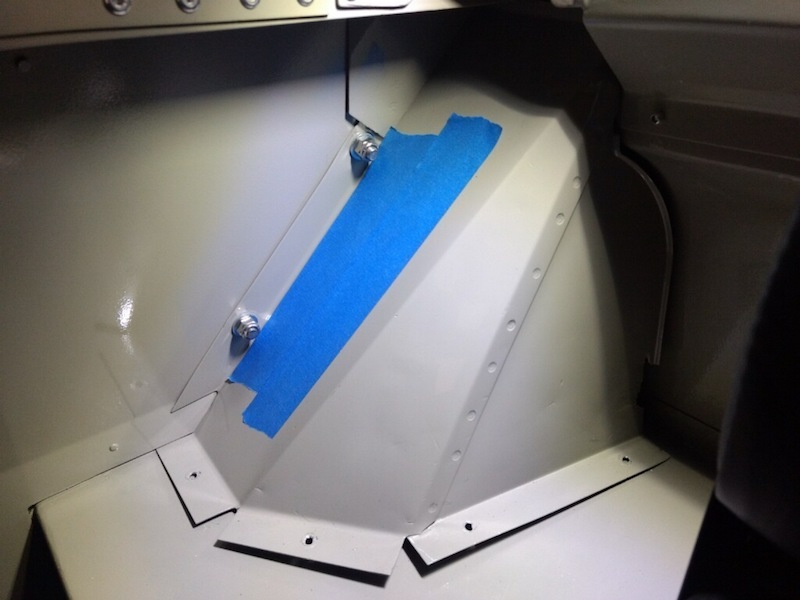
In order to add this little badge, Mr. Wolf had to remove a cowling inside the tub of the the truck.

“I am glad you sent me that Diesel Only emblem to install under the filler neck, because installing it meant I had to remove the cowling inside the truck that covers the filler neck, and when I removed it I found that where the rubber hose that connects the filler neck to the tank goes through the floor of the truck, the hose was pressed up against the edge of the opening, cutting into the hose. Then further down toward the tank the hose was severely kinked, which explains why I had such a hard time filling it with diesel the one time I fueled it up. Also, there was no gasket between the metal filler neck and the body. I can’t find one in any parts diagram, so maybe there wasn’t one originally, but I could see this being a water ingress point, so I am going to make a gasket for it.”

This is my first experience with a frame-off restoration but there sure seems to have been a lot of little (?) mistakes like this. All’s well that ends well.

Land Rover walk around

Mr. Wolf thought I’d like to hear the sweet sound of the 2.25 liter diesel engine that will drag my saggy ass around town. He’s been working long and hard on getting the engine right. If you look closely you’ll see some smoke. Not as much smoke as the mosquito fogger that patrolled our streets during the summer nights of my youth… but a little smoke. What the fuck, I’ll buy some carbon credits. I’m hoping there will be less smoke once the engine gets some miles on it. That will happen as soon as he gets the brakes sorted out.

When I opened the brakes up I found some things I didn’t like, so I’ve ordered all new OEM wheel cylinders, new adjusters, and new shoes. Even high quality parts are so cheap for this thing I figured we should just start fresh with nice parts.

If you don’t know shit about old trucks, and I don’t, you need someone like Mr. Wolf. You’d like to think the folks doing the restoration would get everything right… but they don’t.

Land Rover Update

“Feeling good about the Rover right now. New injectors made a big difference, it’s running smoother and making more power. Many hours of fiddling with the injection pump may have paid off, better cold start and less smoke.”

The Land Rover project is about three months behind schedule, to the extent there was ever a schedule. The 2.25 liter diesel engine simply wasn’t performing the way Mr. Wolf thought it should. Too much smoke. Just not right. Until today the working assumption was a problem with the o-rings on the injectors.

“The ones that were in there originally seemed like they weren’t big enough (not a tight fit) but everything else I could find wouldn’t allow the injector to fit in the bore. Given that the actual injector seal is accomplished by a copper sealing washer AND an aluminum crush-washer, I think the o-ring is really only there to keep debris from falling in. Therefore I’m thinking that the slightly loose fit is actually just fine, but I’m open to being proven wrong. So I reassembled it with the old o-rings.”

Whether or not I’ll be able to find someone to keep a 40 year old diesel engine running well enough to make the Land Rover an everyday truck remains to be seen. Which is why Mr. Wolf is going to such great pains to get the engine right before he send the truck my way. But this has always been more about fun than easy.

It’s been a long time since I drove a car (or truck) without power steering or brakes. The Land Rover has neither and I’ve been told it’s like learning to drive all over again. With that in mind, Mr. Wolf is giving extra attention to the brakes on my truck. Adjusting drum brakes is something of an art, I’m told.