Lots of rain has made Barb’s garden lush and beautiful this year.
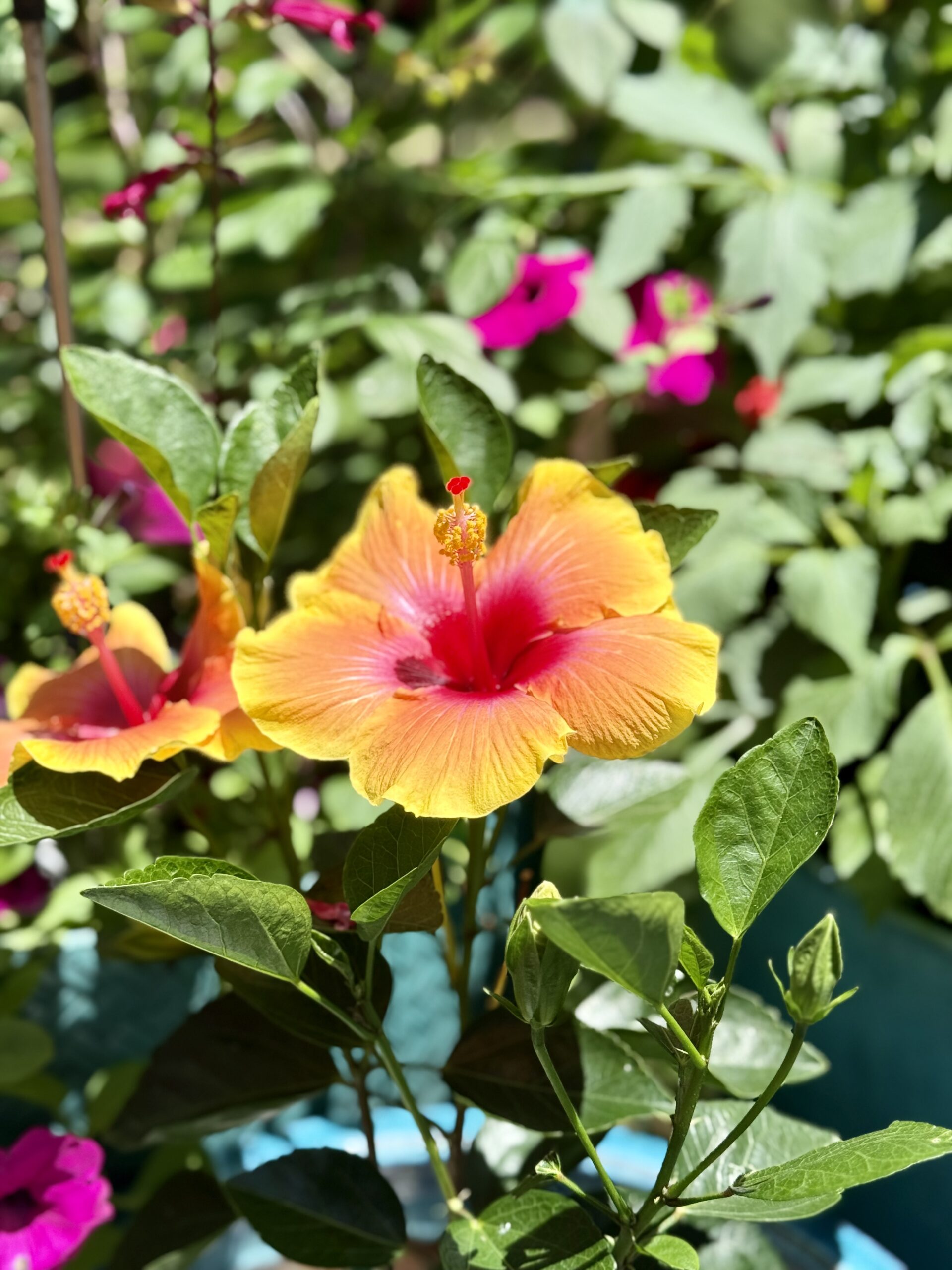
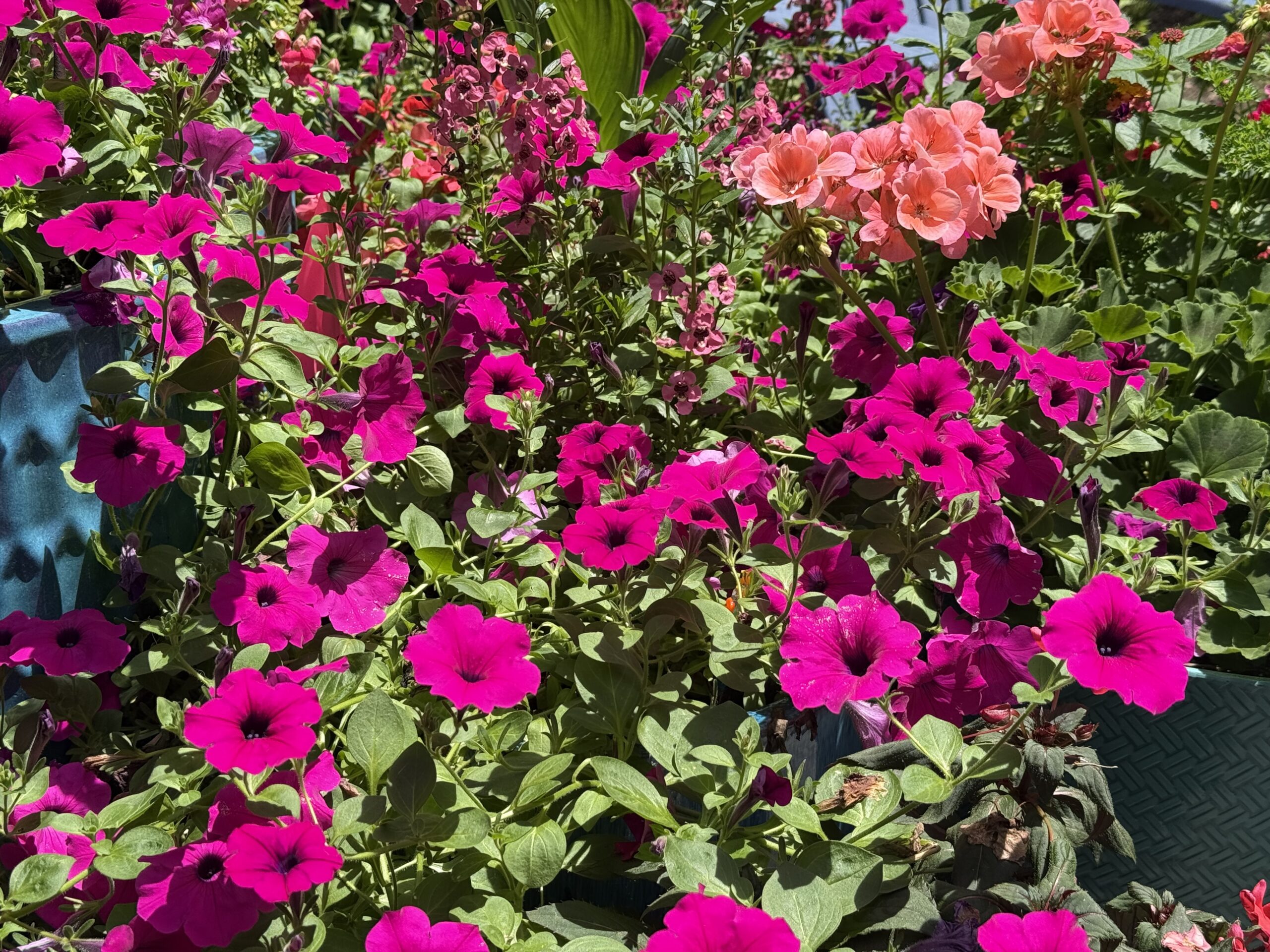
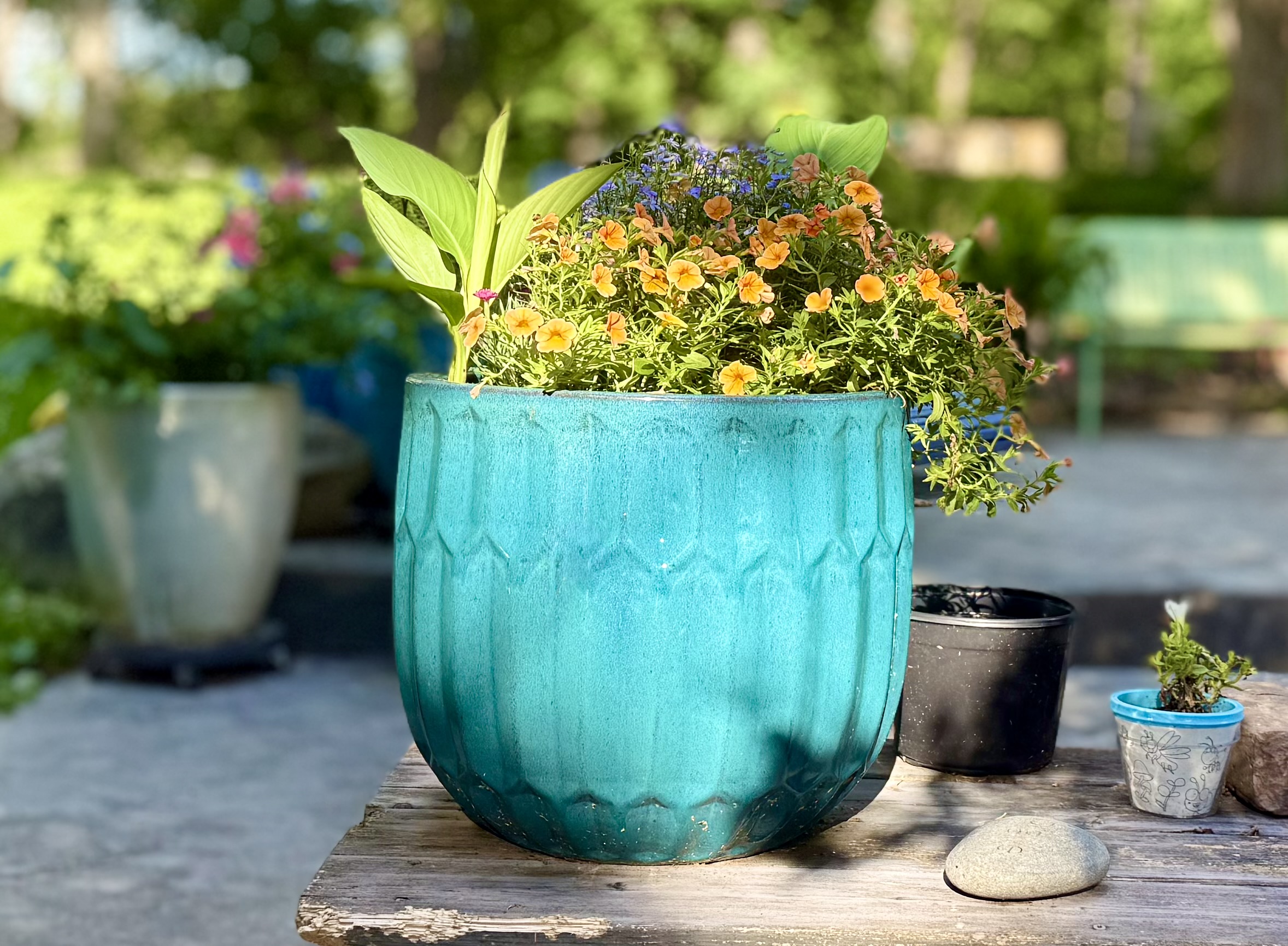

Lots of rain has made Barb’s garden lush and beautiful this year.
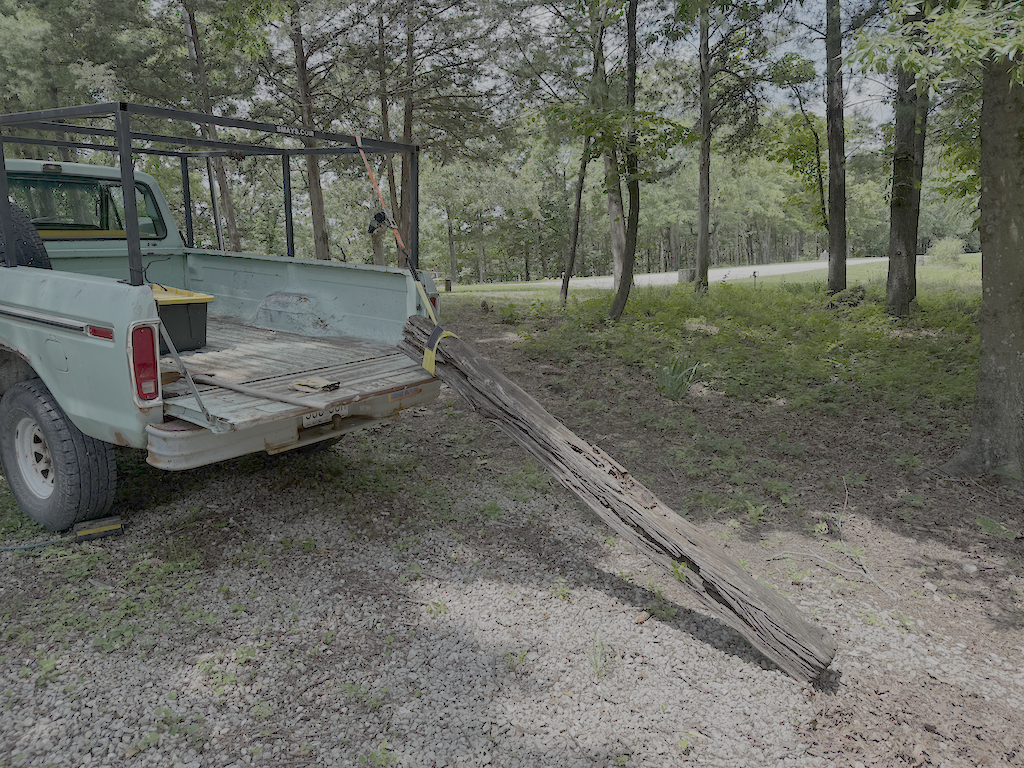
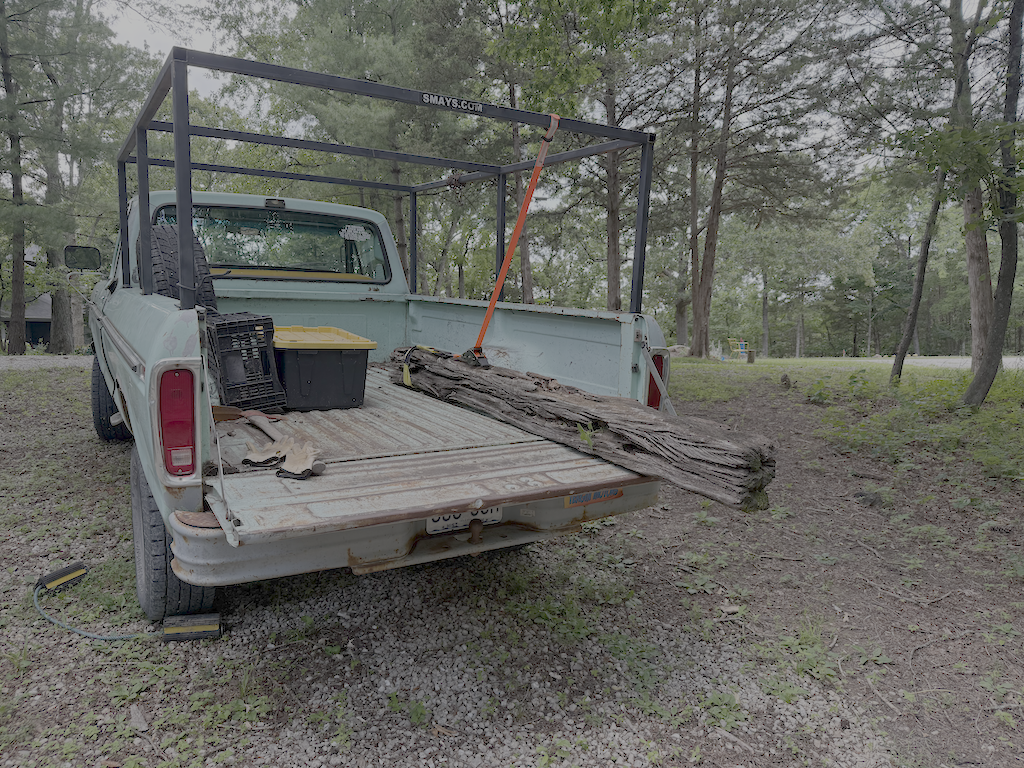
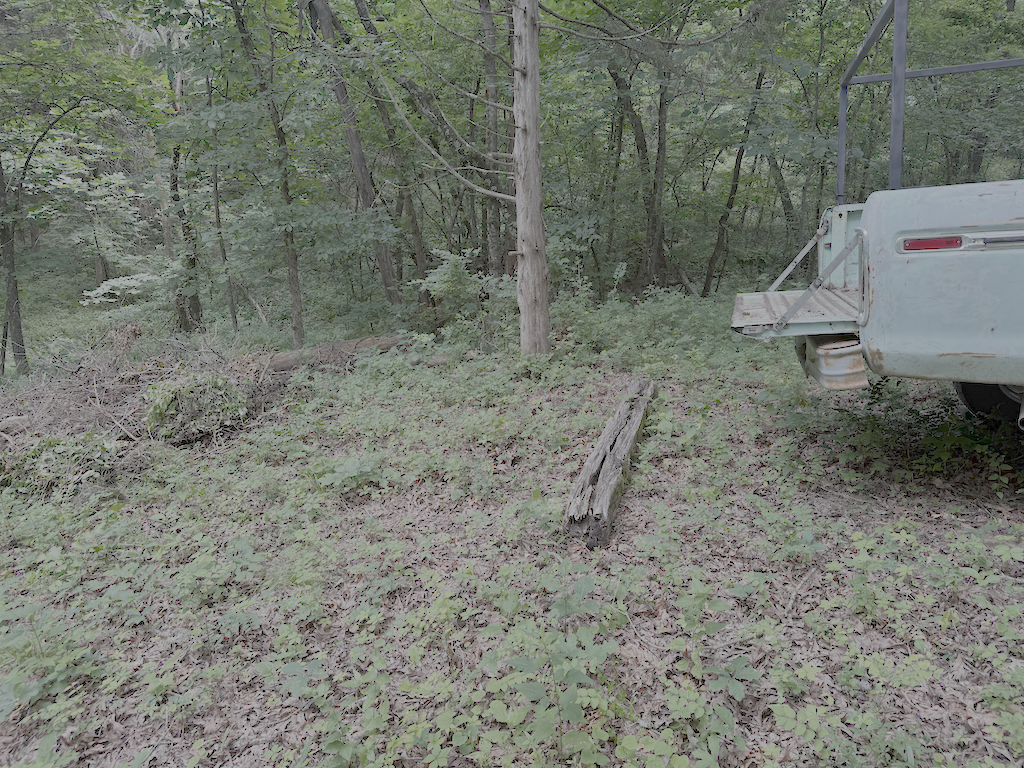
Not clearing as much brush these days and tend to rely on a big one in the woods behind the Annex. SOP is putting the pickup in 4WD and backing up to the pile. But the truck struggles to hold its position and threatens to roll down the hill. To prevent this I moved an ancient railroad tie into place as a wheel chock. (Note use of tie-down ratchet to get the thing into the truck)
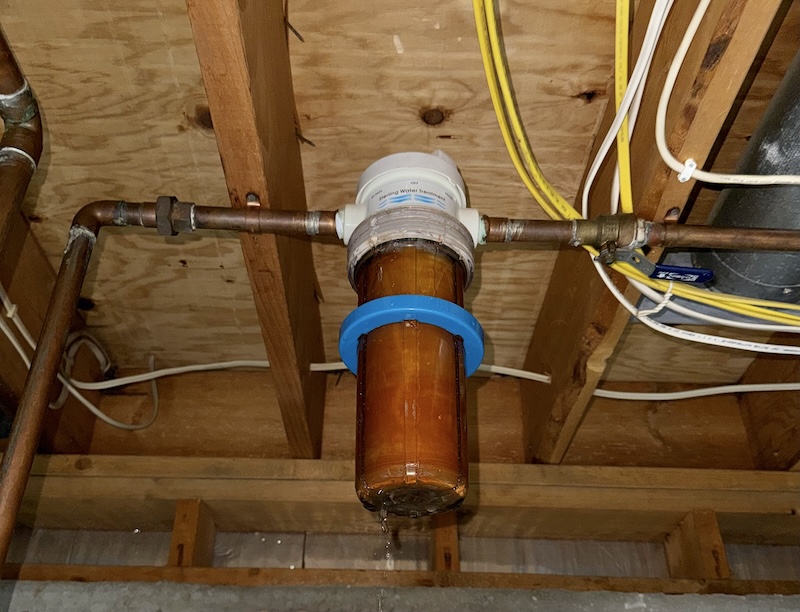 When we built our home ~40 years ago, we had a well drilled which necessitated a pressure tank and lots of pipes in our basement. And a filter that was supposed to be changed every few months (I didn’t always do that). This involved balancing atop a ladder and getting soaked to the elbows. Been doing this unpleasant chore for four decades.
Couple of weeks ago we had a plumber come out to work on the filter and he sent a sample of our water to a lab. A week later the report came back and they found nothing in our water. No need for a filter.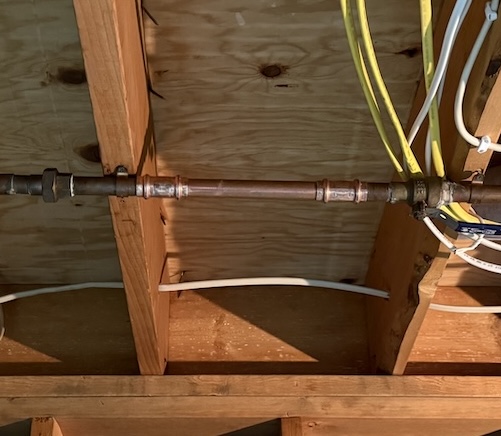
This might be the result of the new well we had drilled last year but who knows. All I know is I’m done with this messy chore.
Living on 10 wooded acres, we have lots of birds flocking to the four or five feeders we have hanging over our deck. Sometime after I retired, I took over the chore of keeping the feeders filled and have come to love watching the birds.
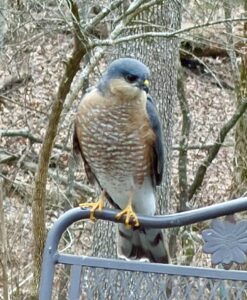 Yesterday, for the first time, this guy showed up. A Sharp-shinned Hawk (Accipiter striatus). Identification rests on several anatomical markers that distinguish it from its near-twin, the Cooper’s Hawk:
Given the barred rufous chest and dark slate-gray back, this is an adult. These are specialized ambush predators, so if you have bird feeders nearby, its presence is purely tactical.